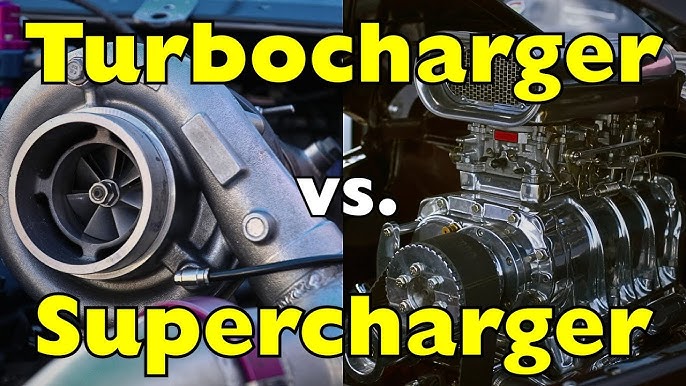
Have you ever wondered if you can turbocharge and supercharge your car at the same time? The idea sounds exciting—imagine unlocking insane power and speed from your engine.
But is it really possible, or just a myth? You’ll discover the truth behind combining these two powerful upgrades. You’ll learn how they work together, the benefits, and the challenges you might face. By the end, you’ll know if turbocharging and supercharging your car is the right move for you—and how to make it happen safely.
Keep reading to find out how to take your car’s performance to the next level.
Turbocharging Basics
Turbocharging is a popular way to boost a car’s power without increasing engine size. It uses exhaust gases to push more air into the engine. This extra air allows the engine to burn more fuel and make more power. Understanding the basics helps in knowing how turbochargers improve performance and what parts are involved.
How Turbochargers Work
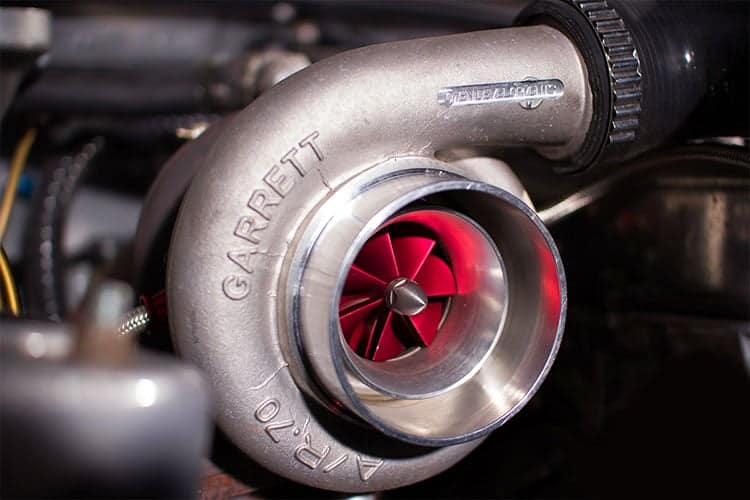
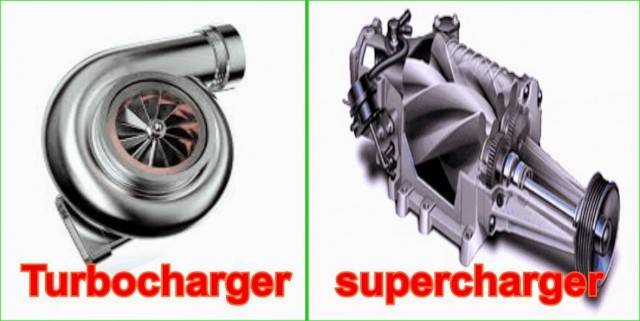
A turbocharger uses exhaust gas to spin a turbine. The turbine is connected to a compressor. This compressor pushes more air into the engine’s cylinders. More air means more fuel can burn, which creates more power. The process recycles energy that would normally escape as exhaust.
Turbochargers work faster as engine speed increases. This means more boost and better performance at higher speeds. They help smaller engines act like bigger ones without extra weight.
Benefits Of Turbocharging
- Increases engine power without adding size
- Improves fuel efficiency by using exhaust energy
- Reduces emissions with better combustion
- Enhances driving experience with faster acceleration
- Allows for smaller, lighter engines with strong performance
Common Turbo Components
- Turbine:Spins using exhaust gases
- Compressor:Pushes extra air into the engine
- Wastegate:Controls boost pressure to prevent damage
- Intercooler:Cools compressed air before it enters the engine
- Shaft:Connects turbine and compressor
Supercharging Essentials
Supercharging is a popular way to boost a car’s engine power. It forces more air into the engine, which helps it burn more fuel. This process increases horsepower and torque, making the car faster and stronger. Understanding the basics of supercharging is key before making any upgrades.
How Superchargers Operate
Superchargers are powered by the engine’s crankshaft. They compress air and push it into the engine’s intake manifold. This extra air allows the engine to burn fuel more efficiently. Unlike turbochargers, superchargers work instantly without lag. This means better throttle response and power delivery at low RPM.
Advantages Of Supercharging
- Instant power boost without delay.
- Improves engine performance across all RPM ranges.
- Simple installation compared to turbochargers.
- Better throttle response and acceleration.
- Reliable and durable under various driving conditions.
Types Of Superchargers
| Type | Description | Common Use |
|---|---|---|
| Roots | Uses lobed rotors to push air directly. | Muscle cars and street performance. |
| Twin-Screw | Compresses air inside meshing screws. | High-performance and racing engines. |
| Centri-fugal | Uses a spinning impeller to throw air outward. | Sports cars and aftermarket kits. |
Combining Turbo And Superchargers
Combining a turbocharger and a supercharger on one engine is known as twincharging. This setup aims to blend the benefits of both systems. The supercharger provides quick power at low engine speeds. The turbocharger adds more power as the engine revs higher. Together, they can deliver strong, smooth performance across a wide range of speeds.
Is Twincharging Possible?
Yes, twincharging is possible and has been done in some cars. It requires careful design and tuning to work well. Both the turbo and supercharger need to operate in harmony. Without proper setup, the two can fight each other or cause engine damage. Modern technology helps control the boost from each device precisely.
Performance Gains From Twincharging
Twincharging offers several performance benefits:
- Better low-end torque from the supercharger
- Strong high-end power from the turbocharger
- Reduced turbo lag due to immediate boost from the supercharger
- Smoother power delivery across all RPM ranges
This combination makes the engine feel more responsive. Drivers get quick acceleration and strong power at high speeds.
Challenges And Considerations
Twincharging is complex and expensive. It adds weight and takes up space under the hood. The system needs custom parts and expert tuning. Proper cooling and fuel management are critical to avoid engine problems. Maintenance costs can also be higher. Not all engines suit twincharging well.
Still, for enthusiasts wanting strong and flexible power, twincharging can be worth the effort.

Credit: www.youtube.com
Installation Tips
Installing a turbocharger or supercharger on your car can transform its performance, but the process demands careful planning and precise execution. Mistakes during installation can lead to costly repairs or poor engine response. Let’s walk through key installation tips that will help you get the most out of your boost setup safely and effectively.
Selecting The Right Boost Setup
Choosing between a turbocharger and a supercharger depends on your driving style and goals. Turbochargers offer better efficiency and higher peak power but may introduce lag. Superchargers provide instant boost and smoother throttle response but can reduce fuel economy.
Consider your engine size, vehicle weight, and how you use your car daily. Are you after quick acceleration for street use, or sustained power for track days? Matching the boost size to your engine’s capabilities prevents strain and ensures reliability.
Engine Modifications Needed
Adding forced induction requires strengthening your engine components. Stock pistons and rods might not handle the extra pressure, so upgrading to forged parts is often necessary. Don’t overlook the importance of a high-flow fuel system and intercooler to keep temperatures in check.
My own experience showed that skipping these upgrades led to detonation issues, costing more time and money to fix. It’s smarter to invest in quality parts upfront than to risk engine damage later.
Tuning For Optimal Performance
Proper tuning is critical after installation. Your engine’s computer must adjust fuel delivery, ignition timing, and boost pressure for safe and efficient operation. A poorly tuned setup can cause engine knock or even failure.
Using a professional tuner or a reliable standalone ECU can make a huge difference. Do you have access to a dyno? Testing your car on a dyno helps refine the tune and maximize power gains while protecting the engine.
Common Issues And Solutions
Turbocharging and supercharging a car can greatly boost performance. Yet, these upgrades come with challenges. Common issues like boost lag, heat, and reliability need attention. Understanding these problems helps keep your car running smoothly and powerfully.
Boost Lag And How To Minimize It
Boost lag happens when the turbo or supercharger takes time to build pressure. This delay affects acceleration and throttle response. Smaller turbos reduce lag but may limit top-end power. Superchargers offer instant boost but can lower fuel efficiency.
- Use a twin-scroll turbo for faster spool-up.
- Consider a smaller, high-speed turbocharger.
- Install a blow-off valve to release excess pressure.
- Upgrade the intercooler to improve air flow.
Heat Management Strategies
Forced induction creates more heat inside the engine bay. Excess heat can cause engine damage and reduce performance. Proper heat control is vital for durability and power.
- Install an efficient intercooler to cool intake air.
- Use heat shields to protect sensitive parts.
- Upgrade the cooling system with a bigger radiator.
- Apply thermal coatings on exhaust components.
Maintaining Reliability
Adding turbochargers or superchargers stresses engine parts. Regular maintenance prevents failures and costly repairs. Choose quality parts designed for boosted engines.
- Change oil frequently with high-quality synthetic oil.
- Use stronger pistons and rods if needed.
- Monitor air-fuel ratios with a wideband O2 sensor.
- Keep the engine tuned for optimal performance.
Credit: www.drifted.com
Cost And Maintenance
Adding a turbocharger or supercharger to a car can boost performance. Yet, it affects both cost and maintenance. Understanding these factors helps plan for the upgrade and future care.
Installation Expenses
Installing a turbo or supercharger can be costly. Prices vary by car model and kit quality. Expect to pay for parts and labor. Some kits need custom tuning. This adds to the total cost. Budgeting around $1,000 to $5,000 is common. High-performance setups may cost more.
Ongoing Maintenance Needs
Boost systems require regular care to run well. Oil changes might need to be more frequent. Turbochargers especially depend on clean, high-quality oil. Air filters should be checked and replaced often. Cooling systems may need upgrades to handle extra heat. Watch for unusual noises or drops in power. Early checks prevent bigger problems.
Longevity Of Boost Systems
Turbochargers and superchargers can last many years. Their lifespan depends on use and maintenance. Gentle driving extends their life. Rough driving or neglect shortens it. Proper care keeps the engine safe and efficient. Regular inspections catch wear early. Replacing worn parts maintains good performance.
Popular Cars For Boosting
Many car enthusiasts want to boost their vehicle’s power. Turbocharging and supercharging are popular choices. Some cars respond better to turbocharging, while others suit supercharging. A few models handle both systems well. Knowing the best cars helps in making the right decision. Below are popular cars favored for boosting.
Best Models For Turbocharging
- Subaru WRX – Known for its turbo-friendly engine.
- Volkswagen Golf GTI – Great base for turbo upgrades.
- Mazda MX-5 Miata – Lightweight and responsive with a turbo.
- Ford Fiesta ST – Small engine, big turbo potential.
- BMW 3 Series (certain models) – Turbocharged from factory, easy to enhance.
Top Picks For Supercharging
- Ford Mustang GT – Classic muscle car ideal for supercharging.
- Chevrolet Camaro SS – Strong engine that handles superchargers well.
- Dodge Charger – Large engine fits superchargers perfectly.
- Jaguar F-Type – Supercharger boosts power without lag.
- Tesla Model S (Plaid) – Electric, but supercharging refers to fast charging.
Cars Suited For Both Systems
- Nissan 370Z – Works well with turbo or supercharger upgrades.
- Honda Civic Type R – Turbo stock but can adapt to superchargers.
- Toyota Supra – Engine design supports both boosting methods.
- Chevrolet Corvette – Can handle either system with proper tuning.
- Subaru BRZ – Lightweight and flexible for turbo or supercharger.
Credit: www.carmudi.com.ph
Frequently Asked Questions
Can You Turbocharge And Supercharge A Car Simultaneously?
Yes, you can install both turbochargers and superchargers on a car. This setup boosts power and improves performance. However, it requires expert tuning and proper engine upgrades to handle the increased stress and heat.
What Are The Benefits Of Turbocharging And Supercharging Together?
Combining both systems maximizes power output and torque across a wide RPM range. Turbochargers offer high-end boost, while superchargers provide low-end response. This results in smoother acceleration and enhanced overall engine efficiency.
Is It Expensive To Turbocharge And Supercharge A Car?
Yes, adding both systems can be costly. The price includes parts, installation, and tuning. It’s an investment for serious enthusiasts seeking significant performance gains and willing to maintain the setup properly.
Does Combining Turbo And Supercharger Affect Fuel Efficiency?
Combining these boosts typically reduces fuel efficiency due to increased air and fuel intake. However, advanced tuning can optimize combustion and partially mitigate fuel consumption impacts.
Conclusion
Turbocharging and supercharging a car can boost its power and speed. Both systems work differently but add extra air to the engine. Combining them is possible but needs careful tuning and parts. It may increase fuel use and wear on the engine.
Always consider costs and benefits before modifying your car. Driving safely remains the most important. Choose the setup that fits your needs and budget. Enjoy the thrill but keep your car reliable.