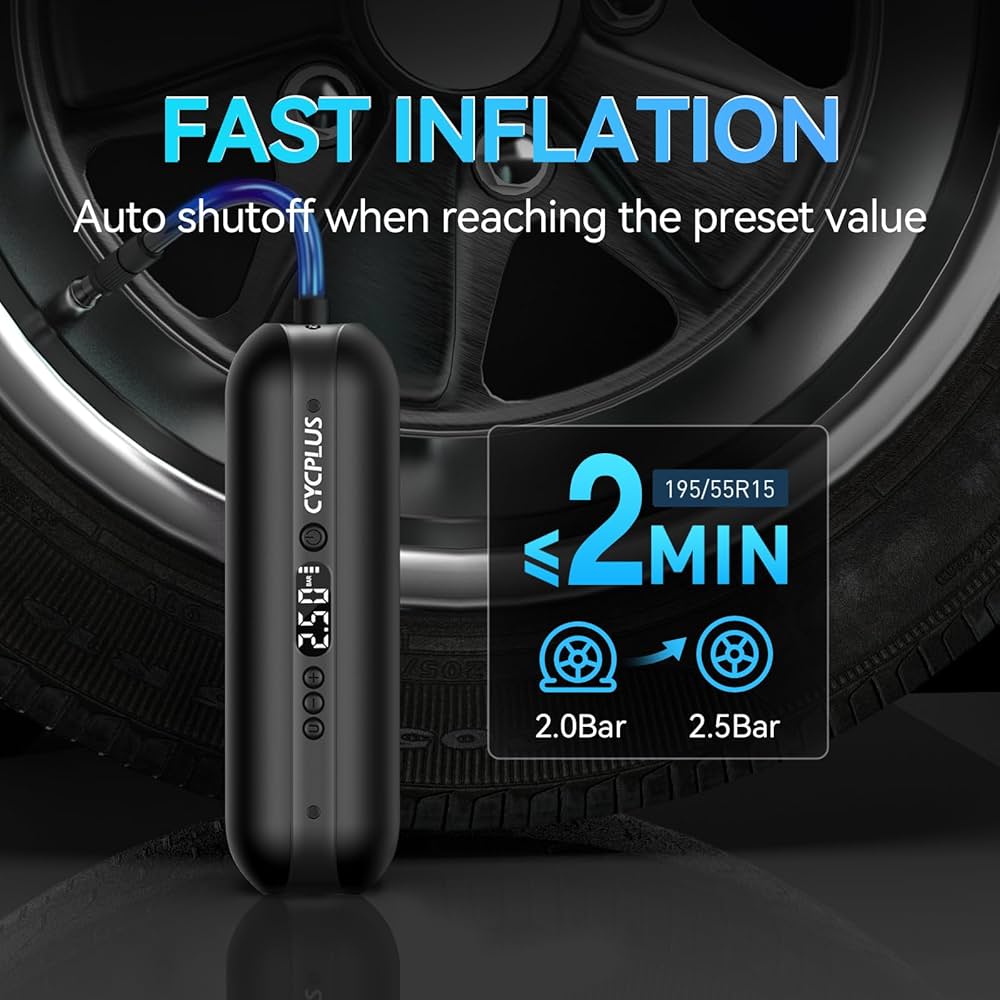
Have you ever found yourself stuck with a flat car tire and only a bicycle pump nearby? You might wonder if that little pump can save the day or if it’s just a waste of time.
The answer isn’t as simple as you think. Knowing whether you can use a bicycle pump on a car tire could save you from frustration, extra expenses, or even a dangerous situation on the road. Keep reading to find out if your bike pump is up to the task and what you need to consider before giving it a try.
Your safety and peace of mind depend on it.
Bicycle Pump Basics
A bicycle pump is a tool to add air into tires. It helps keep tires firm and safe to ride on.
People often wonder if a bicycle pump can fill a car tire. To answer that, we must learn how bicycle pumps work.
How Bicycle Pumps Work
A bicycle pump uses a piston to push air into the tire. When you pull the handle, air enters the pump chamber.
When you push the handle down, the air moves from the chamber into the tire. This raises the tire’s air pressure.
- Pulling handle draws air in
- Pushing handle forces air out
- One-way valve stops air from escaping
- Repeating this increases tire pressure
Types Of Bicycle Pumps
There are several types of bicycle pumps. Each type fits different needs and bike types.
Choosing the right pump makes inflating tires easier and faster.
- Floor Pumps:Large pumps with a base and long handle. They give fast, strong air flow.
- Hand Pumps:Small and portable. Good for carrying on rides but slower.
- Mini Pumps:Very small hand pumps. Fit in bags but take more effort.
- Electric Pumps:Use batteries or power. Inflate tires quickly with little effort.
Car Tire Air Requirements
Car tires need the right amount of air pressure to work well. Too little or too much air can cause problems. Knowing the right pressure helps keep your car safe and saves fuel.
Using the correct air pressure keeps tires from wearing out fast. It also improves how your car handles the road. This guide looks at typical pressure levels and how air volume differs between tires.
Typical Pressure Levels
Car tires usually need between 30 and 35 PSI (pounds per square inch). This pressure keeps the tire firm and safe. Check your car’s manual or the sticker inside the driver’s door for exact numbers.
- Most passenger cars need about 32 PSI.
- SUVs and light trucks may need 35 PSI or more.
- Overinflated tires can cause a rough ride and uneven wear.
- Underinflated tires heat up and wear out faster.
Volume Differences
Car tires hold more air than bicycle tires. The volume affects how much air you need to fill them properly. Car tires have larger chambers and thicker walls.
| Tire Type | Average Volume (Liters) | Typical Pressure (PSI) |
|---|---|---|
| Bicycle Tire | 1 – 3 | 40 – 120 |
| Car Tire | 8 – 12 | 30 – 35 |
Using Bicycle Pumps On Car Tires
Many people wonder if they can use a bicycle pump to fill car tires. Bicycle pumps are common and easy to find. Car tires need a lot of air, so using a bicycle pump might seem helpful.
It is important to understand how well bicycle pumps work on car tires. This guide explains the feasibility and limits of using them. It also covers the time and effort needed.
Feasibility And Limitations
You can use a bicycle pump on a car tire in some cases. The pump can fit the tire valve, and it can push air inside. This works best for small air top-ups.
Bicycle pumps have limits. They are made for lower pressure and smaller volumes. Car tires require higher air pressure, so a bicycle pump may take a long time.
- Bicycle pumps usually handle up to 100 psi, but car tires need 30-35 psi.
- Pumping a car tire fully takes many strokes with a bicycle pump.
- Some bicycle pumps do not fit car tire valves perfectly.
- Using a bicycle pump in emergencies is possible, but not ideal.
Time And Effort Needed
Using a bicycle pump on a car tire takes more time than a car pump. You must push many times to reach the right pressure. This can be tiring and slow.
If the tire is very flat, it can take 10 to 20 minutes or more. The pump handle moves a small amount of air each push. You need to check the pressure often to avoid overinflation.
- Expect to pump for several minutes for one tire.
- Check tire pressure with a gauge during pumping.
- Take breaks if your arms get tired.
- Consider using a proper car tire pump for faster filling.
Credit: www.amazon.ca
Risks And Challenges
Using a bicycle pump on a car tire might seem like a quick fix. This choice has some risks and challenges. It is important to know these before starting.
Two main issues are the potential damage to the pump or tire and the accuracy of pressure measurement. Both affect safety and tire life.
Potential Damage To Pump Or Tire
Bicycle pumps are made for smaller tires and lower pressure. Using them on car tires can cause damage to the pump or the tire itself.
- Pump strain:Bicycle pumps may break or wear out quickly when used on car tires.
- Valve damage:Car tires use different valves that may not fit well with a bike pump.
- Tire risk:Overinflating or underinflating with a wrong pump can hurt the tire’s structure.
Accuracy Of Pressure Measurement
Correct tire pressure is key for safety and fuel efficiency. A bicycle pump may not show the right pressure for car tires.
| Type of Pump | Pressure Range (PSI) | Accuracy for Car Tires |
| Bicycle Pump | 0–120 | Low |
| Car Tire Inflator | 0–150 | High |
Alternative Air Inflation Methods
Using a bicycle pump on a car tire is not ideal. Car tires need more air pressure than bike tires. There are better tools to inflate car tires quickly and safely.
This guide explains some common alternatives for inflating car tires. These options are easier and work well for most drivers.
Portable Air Compressors
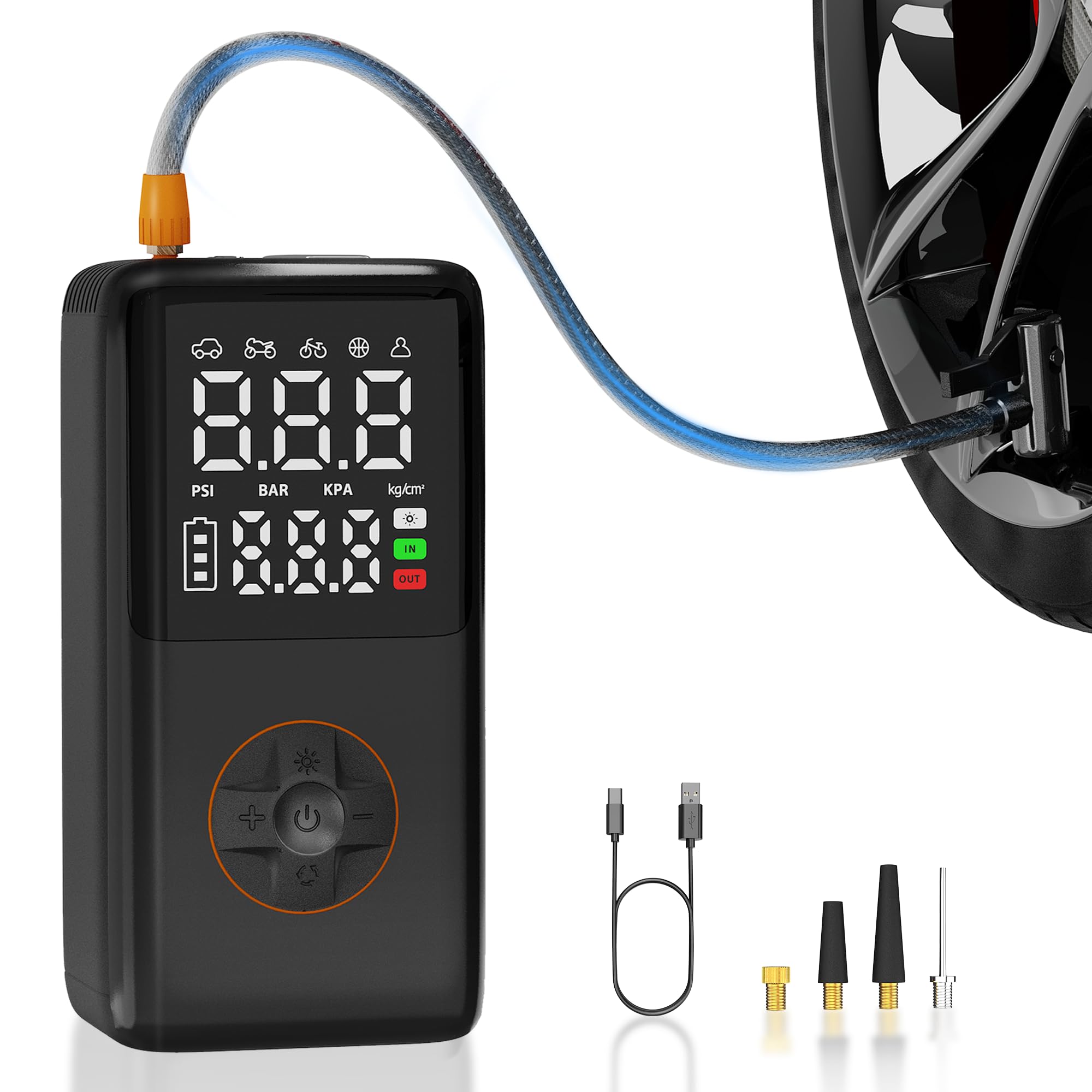
Portable air compressors are small devices that plug into your car’s power outlet. They can fill car tires with air fast and are easy to carry in your trunk.
These compressors often come with a pressure gauge. This helps you avoid overinflating or underinflating your tires.
- Runs on 12V car power outlet
- Includes built-in pressure gauge
- Compact and easy to store
- Can inflate tires within minutes
Gas Station Air Pumps
Gas stations usually have air pumps for car tires. These pumps work quickly and are available in many locations.
You can use coins or cards to operate the pump. Many machines have a built-in pressure gauge to help you reach the right tire pressure.
- Easy to find at most gas stations
- Fast inflation for all tire sizes
- Often requires coins or payment card
- Includes pressure gauges for accuracy

Credit: www.amazon.ca
Tips For Emergency Use
Using a bicycle pump on a car tire is not common. It can help in emergencies when no other options exist.
Know when and how to use a bike pump safely to avoid damage or injury.
When To Use A Bicycle Pump
Use a bicycle pump only if your car tire has very low pressure. It works best for small air top-ups.
If your tire is flat or losing a lot of air, a bike pump can keep it inflated until you reach help.
- In case of slow leaks or low pressure
- When no car pump or air compressor is available
- For short distances to the nearest repair shop
Steps To Inflate Safely
Check the tire valve type before using the bicycle pump. Most bike pumps fit Schrader valves found on car tires.
Follow these steps to inflate your car tire safely with a bicycle pump.
- Remove the tire valve cap
- Attach the pump head firmly to the valve
- Pump air slowly and steadily
- Stop to check the tire pressure frequently
- Do not overinflate beyond the recommended pressure
- Remove the pump and replace the valve cap

Credit: www.amazon.com
Frequently Asked Questions
Can A Bicycle Pump Inflate A Car Tire Effectively?
A bicycle pump can inflate a car tire, but it is slow and requires effort. Car tires need higher air volume and pressure, so a dedicated car tire pump is more efficient and convenient.
Will A Bicycle Pump Damage My Car Tire Valve?
No, a bicycle pump will not damage a car tire valve if the correct adapter is used. However, car tires use Schrader valves, so ensure your pump fits properly to avoid leaks or damage.
How Long Does It Take To Pump A Car Tire With A Bicycle Pump?
Pumping a car tire with a bicycle pump can take several minutes due to the larger tire size. It’s not ideal for quick inflation but can work in emergencies when no other option is available.
Can I Use A Bicycle Pump For Emergency Car Tire Inflation?
Yes, a bicycle pump can be used for emergency inflation. It’s a temporary solution and may require many pumps to reach the proper tire pressure. A portable car tire inflator is better for regular use.
Conclusion
A bicycle pump can fill a car tire, but it takes time. Car tires need more air and higher pressure than bike tires. Using a bike pump is okay for small emergencies or slow leaks. For regular tire inflation, a proper car tire pump is best.
Always check tire pressure with a gauge for safety. Keep your tires properly inflated to avoid problems on the road. Simple tools matter, but using the right one works better. Stay safe and take good care of your tires.