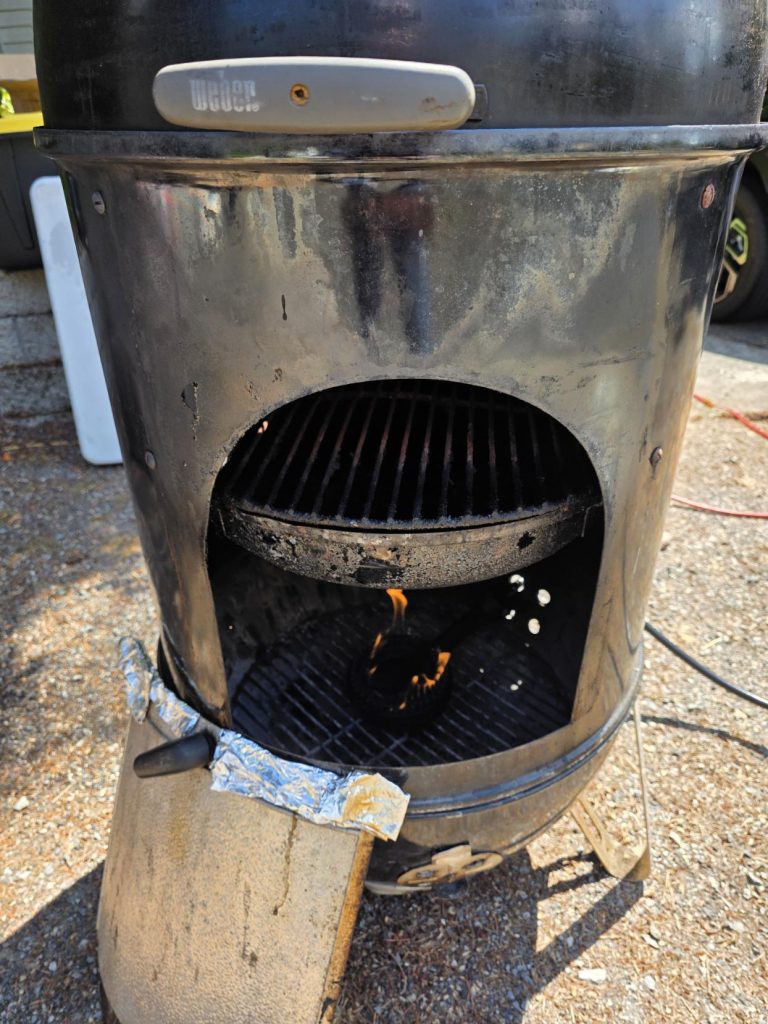
Are you craving a smoky barbecue but worried about the burn ban in your area? You might be asking yourself, “Can I still use my charcoal grill safely and legally?”
Understanding the rules around burn bans is crucial—not just to avoid fines but to keep your home and community safe. You’ll discover what a burn ban really means for your grilling plans, how to stay compliant, and what alternatives you have if charcoal grilling is off-limits.
Keep reading to make sure your next cookout is both enjoyable and worry-free.

Credit: www.algonquinpark.on.ca
Burn Bans And Their Purpose
Burn bans stop outdoor fires to prevent wildfires. They protect people, animals, and land from danger.
These rules limit activities like using charcoal grills during dry, hot weather. Knowing why burn bans happen helps keep everyone safe.
What Triggers Burn Bans
Burn bans start because of dry weather and high fire risk. Officials watch the weather and ground conditions closely.
- Long periods without rain
- High temperatures and strong winds
- Low humidity levels
- Dry grass and forest floors
- High fire danger reports from experts
Areas Commonly Affected
Burn bans often affect places prone to wildfires. These include rural and forested areas.
| Region Type | Reason for Ban |
| Forests | Dense trees and dry leaves increase fire risk |
| Grasslands | Dry grass can catch fire quickly |
| Rural Areas | Less firefighting resources available |
| Suburban Edges | Close to wildland areas with dry conditions |
Charcoal Grills And Fire Risks
Charcoal grills are popular for cooking outdoors. But they can pose fire risks, especially during a burn ban. It’s important to know how they work and the dangers they may present in dry conditions.
Understanding these risks helps in making informed decisions about grilling safely. Let’s explore how charcoal grills produce flames and the potential hazards during dry conditions.
How Charcoal Grills Produce Flames
Charcoal grills use charcoal briquettes or lump charcoal to produce heat. These materials ignite easily and burn hot. The flames are created when the charcoal is lit and begins to burn.
The process involves lighting the charcoal with lighter fluid or a chimney starter. As the charcoal burns, it creates flames and embers. These can reach high temperatures and may cause nearby materials to catch fire.
- Lighter fluid helps start the fire quickly
- Charcoal burns hotter than gas grills
- Embers can fly out and spark fires
Potential Hazards During Dry Conditions
Dry conditions increase the risk of fire spreading. Wind can carry embers from the grill to dry grass or leaves. This can ignite a fire quickly and spread it across a large area.
During a burn ban, the risk is even higher. The dry environment makes it easier for fires to start and harder to control them. Even a small flame can lead to a large wildfire.
- Dry grass and leaves ignite easily
- Wind can spread embers rapidly
- Fire departments may restrict grill use
Legal Restrictions On Grilling
Many places set rules about grilling during burn bans. These laws protect people and nature.
Using charcoal grills might be limited or banned to stop fires. Know the rules before you grill.
Typical Burn Ban Regulations
Burn bans often stop open flames outside homes. This includes charcoal grills in some areas.
Rules may vary by location but usually include:
- No open fires like campfires or bonfires
- Charcoal grills banned or allowed only in certain places
- Gas grills sometimes allowed if used safely
- Fire safety equipment like water nearby
- Check local fire department rules before grilling
Penalties For Violations
Breaking burn ban laws can lead to fines or other punishments. Penalties depend on the area.
Common penalties include:
- Monetary fines ranging from small to large amounts
- Confiscation of grilling equipment
- Possible legal charges for causing fires
- Community service or other local sanctions

Credit: oshawachamber.com
Alternatives During Burn Bans
Burn bans often restrict the use of charcoal grills. This is to prevent wildfires and keep everyone safe. You can still cook outside with other grill types.
There are good alternatives to charcoal grills that work during burn bans. These options let you enjoy grilled food without breaking rules.
Electric And Gas Grills
Electric grills do not use open flames. They heat up with electricity, so they are safe during burn bans. Gas grills use propane or natural gas and have controlled flames.
Both electric and gas grills produce less smoke and are easier to control. Many places allow them even during burn bans because they reduce fire risk.
- Electric grills plug into power and heat quickly
- Gas grills use a burner with adjustable heat
- Both grills cook food evenly and fast
- They are easy to clean and maintain
Indoor Cooking Options
Indoor cooking is a great way to avoid outdoor fire risks. You can use kitchen appliances to prepare tasty grilled-style meals safely.
Common indoor options include stovetop grills, electric griddles, and oven broilers. These tools give you control over heat and keep smoke low.
- Stovetop grills mimic outdoor grill marks
- Electric griddles cook food evenly without flames
- Oven broilers use high heat from above
- Indoor cooking keeps your home smoke-free
Safety Tips If Grilling Is Allowed
Using a charcoal grill during a burn ban requires extra care. Safety is the top priority to prevent fires.
Follow these tips to grill safely if local rules allow it. Proper placement and careful supervision are key.
Proper Placement And Supervision
Place your charcoal grill on a flat, non-flammable surface. Keep it away from dry grass, leaves, or wooden structures.
- Set the grill at least 10 feet from buildings and trees.
- Never leave the grill unattended while it is burning.
- Keep a bucket of water or a fire extinguisher nearby.
- Watch children and pets closely around the grill.
Extinguishing Coals Safely
After grilling, cool the coals completely before disposal. Hot coals can start a fire even after the grill is off.
| Method | Description |
| Water Dousing | Pour water slowly over coals, stirring to ensure all are wet. |
| Sand or Dirt | Cover coals with sand or dirt to block oxygen and cool them down. |
| Cool Down Time | Wait at least 48 hours before disposing of ashes. |
Checking Local Guidelines
Using a charcoal grill during a burn ban can be risky. Rules can vary by location and time. It is important to check local guidelines before grilling.
Burn bans aim to prevent fires in dry conditions. Following the rules helps keep communities safe. Always confirm if grilling is allowed during a burn ban.
Where To Find Current Burn Ban Info
Local burn ban information is usually available online. Many cities and counties update burn ban status on their websites. News outlets may also share updates during dry seasons.
- City or county official websites
- Local fire department pages
- State forestry or natural resource sites
- Local news websites and social media
Check these sources often, as burn ban rules can change quickly with weather conditions.
Who To Contact For Clarifications
If you are unsure about the rules, contact local authorities. They can give clear answers about grilling during a burn ban. This avoids fines or safety risks.
- Local fire department
- City or county office
- State forestry service
- Emergency management office
Keep contact numbers handy during dry seasons. Asking questions helps you follow the law and stay safe.

Credit: www.reddit.com
Frequently Asked Questions
Can You Use A Charcoal Grill During A Burn Ban?
No, using a charcoal grill during a burn ban is typically prohibited. Burn bans restrict open flames to prevent wildfires. Always check local regulations before grilling to avoid fines and ensure safety.
What Alternatives Exist For Cooking During Burn Bans?
Electric grills and gas grills are safe alternatives during burn bans. They don’t produce open flames or sparks, reducing fire risk. Always verify local rules before use.
Why Are Charcoal Grills Banned During Burn Restrictions?
Charcoal grills emit sparks and open flames, increasing wildfire risks. Burn bans aim to prevent uncontrolled fires during dry conditions. Following restrictions helps protect communities and natural resources.
How To Check If A Burn Ban Is Active In Your Area?
Visit your local fire department’s website or government site for burn ban updates. You can also call local authorities or sign up for emergency alerts to stay informed.
Conclusion
Charcoal grills can be dangerous during a burn ban. Local rules often forbid open flames to prevent wildfires. Always check with your local fire department first. Use safer cooking methods when bans are in place. Protect nature and keep your community safe.
Waiting until the ban ends is the best choice. Stay informed and follow safety rules every time. Grilling can wait; safety comes first.