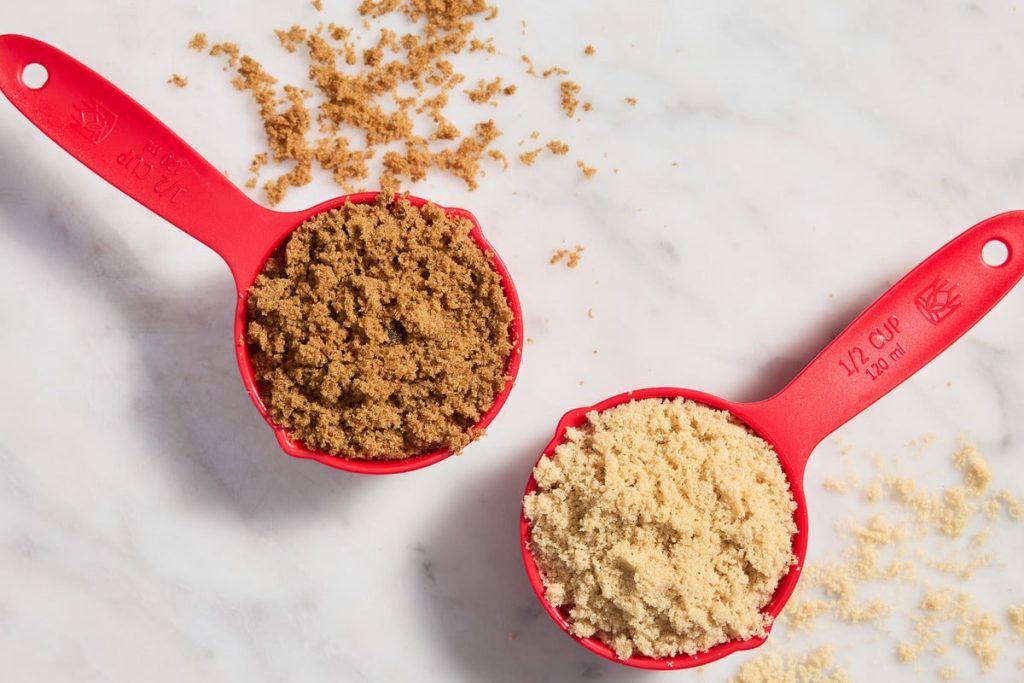
Have you ever reached for a dry measuring cup to measure liquids and wondered if that’s really okay? You’re not alone.
Using the wrong type of measuring cup can change your recipe’s outcome, leaving you frustrated and confused. But can you use a dry measuring cup for liquid without ruining your dish? Keep reading, because the answer might surprise you—and it could save your cooking or baking next time.
Understanding this simple tip can make a big difference in your kitchen success.
Differences Between Dry And Liquid Measuring Cups
Measuring cups come in two main types: dry and liquid. Each one works best for certain ingredients in cooking and baking.
Using the right measuring cup helps you get accurate amounts. This improves the final taste and texture of your food.
Design And Shape
Dry measuring cups are usually made of metal or plastic. They have straight sides and a flat top. You fill them to the top and level off the extra.
Liquid measuring cups are made of clear glass or plastic. They have a spout for pouring and extra space at the top to avoid spills.
Measurement Accuracy
Dry cups measure ingredients like flour or sugar by volume. You scoop and then level the top for exact amounts.
Liquid cups measure fluids by reading the level at eye height. The spout helps pour without spilling.
Materials Used
| Type | Common Materials | Key Feature |
| Dry Measuring Cups | Metal, Plastic | Flat top edge for leveling |
| Liquid Measuring Cups | Glass, Plastic | Clear with pouring spout |
When To Use Each Type
- Use dry cups for flour, sugar, and grains.
- Use liquid cups for water, milk, and oil.
- Do not swap cups to avoid incorrect measurements.
Why Accurate Measurements Matter
Using the right measuring tools helps you get the best results in cooking and baking. Accurate measurements make sure your recipe turns out as expected.
Measuring liquids with dry cups can cause errors. These errors change the taste and texture of your food.
Dry measuring cups are meant for solid ingredients like flour or sugar. They have straight edges and no extra space for liquid.
Liquid measuring cups have a spout for pouring and space at the top. They allow you to see the liquid level from the side.
- Dry cups measure by filling and leveling off
- Liquid cups measure by eye level at the meniscus
- Using the right cup prevents spills and errors
Why Using A Dry Cup For Liquid Can Cause Errors
Dry cups fill to the top and level off. Liquids may spill if you try this with a dry cup.
Without a spout, pouring liquids from dry cups is harder. This can lead to over or under measuring.
- Spills waste ingredients and make a mess
- Incorrect amounts change recipe outcomes
- It can affect cooking times and taste
How Accurate Measurements Affect Cooking And Baking
Recipes need exact amounts to work well. Too much or too little liquid changes the texture.
In baking, small mistakes can make cakes dense or dry. Cooking may take longer or burn food.
- Proper liquid levels help dough rise
- Flavor balance depends on correct amounts
- Cooking times depend on ingredient ratios
Potential Issues With Using Dry Cups For Liquids
Measuring cups come in two main types: dry and liquid. Each type is designed for specific ingredients.
Using a dry measuring cup for liquids can cause errors in your recipe. It may affect the final result.
Inaccurate Measurements
Dry measuring cups are meant to be filled to the top and leveled off. This method does not work well with liquids.
Liquids form a meniscus, a curve at the surface. This makes it hard to measure exactly in a dry cup.
- Spills can happen easily
- Hard to see the exact liquid level
- Leads to too much or too little liquid
Spillage And Mess
Dry cups usually have straight edges and no pouring spout. This design makes pouring liquids tricky.
Pouring liquids from dry cups can cause spills on your counter. It also wastes ingredients.
- Liquid drips down the side of the cup
- Hard to control the flow
- Cleaning up takes extra time
Material Differences Affect Accuracy
Dry cups are often made from plastic or metal. These materials can affect how liquid sits inside.
Liquid may stick to the cup walls or form bubbles. This changes the real amount you are measuring.
- Plastic cups can hold static charge
- Metal cups may cool or heat liquids quickly
- Both can cause small measurement errors
Not Designed For Clear Visibility
Liquid measuring cups usually have clear sides and easy-to-read marks. Dry cups often lack this feature.
This makes it hard to see the exact liquid level inside a dry cup. You might guess and be wrong.
- Dry cups often have no measurement marks inside
- Liquid level is harder to judge from above
- Results in inconsistent liquid amounts
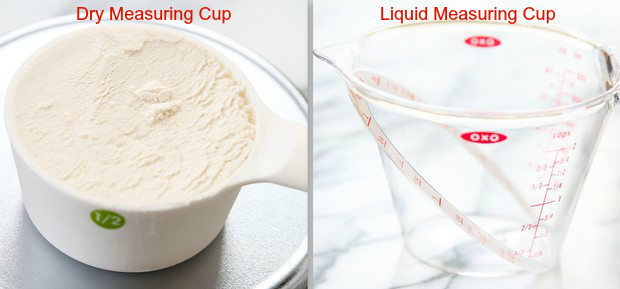
Credit: kirbiecravings.com
Alternative Methods For Measuring Liquids
Measuring liquids accurately is important for cooking and baking. Sometimes you may not have a liquid measuring cup available. There are other tools and methods you can use instead. These alternatives help you get the right amount of liquid without a special cup.
Below are some common methods to measure liquids when you do not have the proper tools. Each has its own advantages and can work well in different situations.
Using Dry Measuring Cups Carefully
You can use dry measuring cups for liquids if you are careful. Fill the cup slowly and check the level at eye height. Pour the liquid over a sink or bowl to avoid spills. This method works best for thicker liquids like honey or syrup.
Using Spoons For Small Amounts
Spoons are good for measuring small liquid amounts. Use a tablespoon or teaspoon and level it with a knife. This method works well for spices, extracts, and small liquid ingredients.
Using A Kitchen Scale
A kitchen scale can measure liquids by weight. This method is very accurate. You need to know the liquid’s density or use standard conversions. Place a container on the scale, zero it, then pour the liquid to the desired weight.
| Liquid | Density (g/ml) | Approximate Weight for 1 Cup (grams) |
| Water | 1.0 | 240 |
| Milk | 1.03 | 247 |
| Olive Oil | 0.92 | 220 |
Using Clear Glass Or Plastic Containers
Use a clear container with measurement marks if you have one. Place it on a flat surface and pour your liquid inside. Read the level at eye height. This is a simple way to measure liquids without a special cup.
Using Marked Bottles Or Jars
- Use bottles with measurement lines printed on them.
- Mark your own lines on a jar using a permanent marker and a ruler.
- Fill slowly and check the level against the marks.
- This method works well for frequently used liquids like cooking oil or juice.
Tips For Accurate Liquid Measurements
Measuring liquids correctly is important for cooking and baking. Using the right tools helps you get the best results.
Many people wonder if they can use a dry measuring cup to measure liquids. This guide gives tips to measure liquids accurately.
Use The Right Measuring Tool
Dry and liquid measuring cups are made differently. Liquid cups have a spout for pouring and extra space to avoid spills.
Dry cups are meant to be filled to the top and leveled off. Using a dry cup for liquids can cause spills and wrong amounts.
Check The Measurement At Eye Level
Hold the liquid measuring cup on a flat surface. Bend down to see the measurement line at eye level.
Reading from above or below can make the amount look different. This causes inaccurate measuring.
Pour Slowly And Steady
Pour liquids slowly into the measuring cup. This helps you stop exactly at the right line.
Pouring too fast can cause bubbles or splashes. These affect the accuracy of your measurement.
Use A Table To Compare Measuring Cups
| Type of Cup | Best Use | Accuracy for Liquids |
| Liquid Measuring Cup | Pouring liquids | High |
| Dry Measuring Cup | Flour, sugar, dry goods | Low for liquids |
| Measuring Spoons | Small liquid or dry amounts | Medium |
Clean Your Measuring Cups Well
Wash measuring cups after each use. Leftover residue changes the amount you measure next time.
- Use warm, soapy water
- Rinse and dry fully
- Store cups in a clean place
Common Kitchen Mistakes To Avoid
Measuring ingredients correctly is key to good cooking. Using the wrong tools can cause errors.
One common question is about using dry measuring cups for liquids. This mistake can affect your recipe.
Using Dry Measuring Cups For Liquids
Dry measuring cups are made for solid ingredients like flour and sugar. They let you level off the top for accuracy.
Liquid measuring cups have space above the rim. This helps you see the measurement from the side and avoid spills.
Using dry cups for liquids can cause you to add too much or too little. This changes the texture and taste of your dish.
Not Checking Measurement Marks Correctly
People often read liquid measurements at eye level but forget to do this. Looking from above or below gives the wrong amount.
- Place the cup on a flat surface.
- Kneel or bend to see the measurement line at eye level.
- Adjust the liquid until it matches the mark.
Ignoring Ingredient Differences In Measuring
Some ingredients pack down while others are light and fluffy. Using the same method can cause wrong amounts.
| Ingredient | Measuring Tip |
| Flour | Fluff before scooping, then level off |
| Brown Sugar | Pack firmly into the cup |
| Chopped Nuts | Fill loosely without pressing |
Overfilling Measuring Cups
Adding too much ingredient by not leveling or spilling causes bad results. Always fill carefully and check twice.
When It’s Acceptable To Use Dry Cups For Liquids
Dry measuring cups are designed for solid ingredients like flour and sugar. Liquid measuring cups have space to prevent spills and allow easy reading.
Still, there are times when you can use dry cups for liquids safely and accurately.
Measuring Small Amounts Of Liquid
Dry measuring cups work fine for small liquid amounts. For example, if you need 1/4 cup of oil, you can use a dry cup.
Pour slowly and check the level at eye height to avoid spills and errors.
When Precision Is Not Critical
Some recipes do not require exact liquid measurements. Using a dry cup here is okay if you approximate.
This works for soups or stews where small changes do not affect the final dish.
Using Thick Liquids
Thick liquids like honey, syrup, or peanut butter can be measured in dry cups. They stick less inside the cup and are easier to level off.
Make sure to use a spatula to remove the liquid cleanly from the cup.
When No Liquid Measuring Cup Is Available
In a pinch, dry cups can substitute liquid cups. Use a flat surface and fill the cup to the top.
Be careful to avoid spilling and try to pour liquids slowly for better accuracy.
Credit: www.kingarthurbaking.com
Tools For Ensuring Precise Measurements
Measuring ingredients accurately is important in cooking and baking. Using the right tools helps you get the best results. This guide explains common measuring tools and their uses.
Choosing the correct measuring tool makes your recipes consistent. It also saves time and reduces mistakes in the kitchen.
Dry Measuring Cups
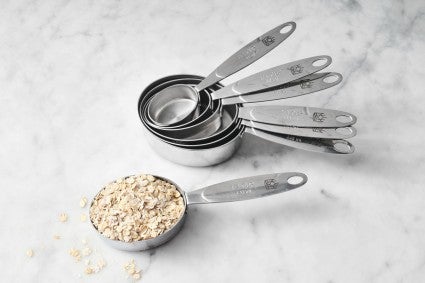
Dry measuring cups are designed for solid ingredients like flour, sugar, and grains. They usually come in sets with sizes such as 1 cup, ½ cup, ⅓ cup, and ¼ cup. You fill the cup and level it off with a flat edge to get a precise amount.
Liquid Measuring Cups
Liquid measuring cups are made from glass or plastic. They have extra space at the top to prevent spills. These cups show measurements on the side, allowing you to pour liquid ingredients like water, milk, and oil accurately.
Measuring Spoons
Measuring spoons come in small sizes for ingredients like salt, baking powder, or vanilla extract. They usually range from ¼ teaspoon to 1 tablespoon. Use them to measure both dry and liquid ingredients in small amounts.
Comparison Of Measuring Tools
| Tool | Best For | Material | Measurement Style |
|---|---|---|---|
| Dry Measuring Cups | Flour, sugar, grains | Plastic or metal | Fill and level |
| Liquid Measuring Cups | Water, milk, oil | Glass or plastic | Pour and check markings |
| Measuring Spoons | Small amounts of dry or liquid | Metal or plastic | Scoop or pour |
Can You Use A Dry Measuring Cup For Liquid?
You can use a dry measuring cup for liquids, but it is not ideal. Dry cups do not have extra space for spills. You might pour too much or too little without clear markings.
Liquid measuring cups are safer and more accurate. They let you see the level and avoid messes. For best results, use the right tool for the ingredient type.
Tips For Accurate Measuring
- Use dry cups for dry ingredients only.
- Use liquid cups for all liquids.
- Place cups on a flat surface to check levels.
- Level off dry ingredients with a straight edge.
- Pour liquids slowly to avoid overflow.
Credit: www.kingarthurbaking.com
Frequently Asked Questions
Can Dry Measuring Cups Accurately Measure Liquids?
Dry measuring cups are not ideal for liquids. They lack a spout for easy pouring and may cause spills. Liquid measuring cups have clear markings and space for expansion, ensuring precise measurement and preventing messes.
What Happens If You Use Dry Cups For Liquids?
Using dry cups for liquids can lead to inaccurate measurements. Liquids can stick to the sides, resulting in less volume. This may affect your recipe’s outcome, especially in baking where precision matters.
Are Liquid Measuring Cups Better Than Dry Ones?
Yes, liquid measuring cups are designed specifically for liquids. They have a spout and clear measurement lines for easy reading at eye level. This design minimizes spills and ensures more accurate liquid measurement.
Can I Convert Dry Cup Measurements To Liquid?
You can convert dry cup measurements to liquid, but accuracy may suffer. Dry cups measure volume differently due to the nature of dry ingredients. It’s best to use liquid cups for liquid ingredients for precise results.
Conclusion
Using a dry measuring cup for liquids can cause mistakes. Dry cups are meant for powders and grains, not liquids. Liquid measuring cups have space to avoid spills and clear markings. For better results, use the right tool. It makes cooking easier and more accurate.
Small changes improve your recipes a lot. Choose liquid measuring cups for liquids every time. It saves time and reduces errors in the kitchen. Simple tools make cooking fun and stress-free.