Are you planning a camping trip and wondering if you can use a heater in your tent? Staying warm while sleeping outdoors can make all the difference between a good night’s rest and a chilly, uncomfortable experience.
But is it safe? What types of heaters work best? You’ll discover everything you need to know to keep your tent cozy without risking your safety. Keep reading to find out how to stay warm and enjoy your camping adventure to the fullest.
Credit: t-nax.com
Choosing Tent Heaters
Using a heater in a tent can make camping warm and cozy. Choosing the right heater is important for safety and comfort.
Different heaters work better in different tents. You should know what type fits your needs and tent size.
Types Of Heaters Suitable For Tents
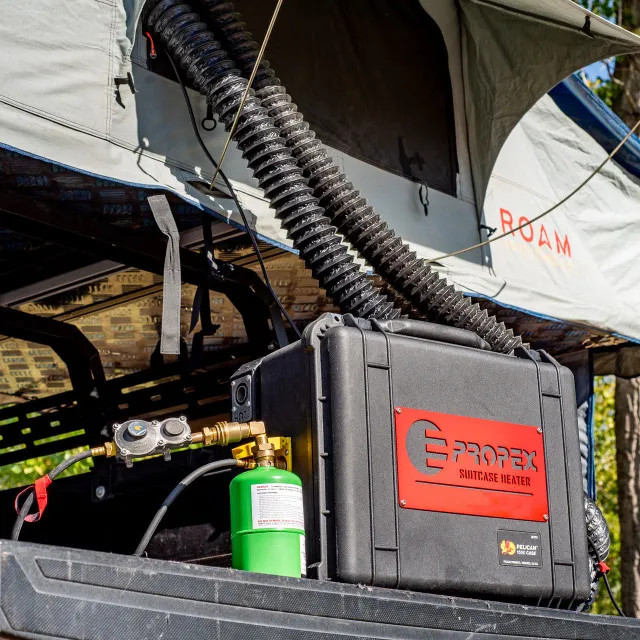
Some heaters are safe and good for tents. Electric heaters, propane heaters, and catalytic heaters are common options.
Electric heaters need power but are safe indoors. Propane heaters give strong heat but need ventilation. Catalytic heaters use a chemical reaction and are low risk.
- Electric heaters: need power source, no fumes
- Propane heaters: strong heat, need fresh air
- Catalytic heaters: safe, use chemical heat
Portable Vs. Built-in Options
Portable heaters are easy to move and use in different tents. Built-in heaters are fixed and need installation.
Portable heaters work well for short trips. Built-in heaters are better for long stays or permanent tents.
- Portable heaters: flexible, easy to carry
- Built-in heaters: fixed, need setup
- Choose based on tent type and trip length
Fuel Sources And Efficiency
Heaters use different fuels like electricity, propane, or batteries. Fuel choice affects heat output and running cost.
Electric heaters are efficient but need power. Propane heaters give strong heat but use fuel fast. Battery heaters last longer but are less powerful.
| Fuel Type | Heat Output | Efficiency | Safety Notes |
|---|---|---|---|
| Electricity | Moderate | High | No fumes, needs power source |
| Propane | High | Medium | Needs ventilation |
| Batteries | Low to Moderate | Medium | Safe, limited heat time |
Safety Precautions
Using a heater in a tent can keep you warm on chilly nights. It is important to stay safe while doing so.
Follow these guidelines to ensure safety and enjoy a cozy camping experience.
Ventilation Requirements
Proper ventilation is crucial when using a heater in a tent. Fresh air helps prevent overheating and reduces risks.
- Keep vents open to allow air circulation.
- Choose a tent with mesh windows or flaps.
- Avoid using the heater in a tightly sealed tent.
Fire Hazard Prevention
Fire hazards are a serious concern when using heaters in tents. Proper placement and attention can prevent accidents.
| Action | Reason |
| Place heater on a stable surface | Avoid tipping over |
| Keep flammable items away | Reduce fire risk |
| Turn off heater when not in use | Prevent overheating |
Carbon Monoxide Risks
Carbon monoxide is a silent danger with heaters. It can accumulate without warning and is harmful.
Setting Up Your Heater
Using a heater inside a tent can keep you warm on cold nights. Setting up the heater safely is very important. This guide helps you place and use your heater properly.
Follow these tips to avoid accidents and make your tent comfortable. Each step focuses on safety and stability.
Proper Placement Inside The Tent
Place the heater where air can flow freely around it. Avoid corners or spots where the heat can get trapped. Keep the heater near the tent’s opening for fresh air circulation.
Make sure the heater does not block exits. This keeps you safe in case you need to leave quickly.
Distance From Flammable Materials
Keep the heater at a safe distance from anything that can catch fire. This includes clothes, sleeping bags, and the tent fabric itself.
- Keep at least 3 feet away from flammable items.
- Do not hang clothes or towels near the heater.
- Use a heat shield if possible to protect tent walls.
- Turn off the heater before sleeping.
Stable And Level Surfaces
Set your heater on a flat and firm surface. This stops the heater from tipping over and causing fires. Avoid soft or uneven ground.
| Surface Type | Recommended | Notes |
| Flat wooden board | Yes | Provides stability and heat protection |
| Hard-packed soil | Yes | Firm and level if not uneven |
| Soft grass or sand | No | Can cause heater to tip over |
| Rocky or sloped ground | No | Unstable and unsafe |
Maintaining Heater Performance
Using a heater in a tent can keep you warm in cold weather. To keep it working well, you must maintain it properly.
Good care helps the heater last longer and stay safe to use. Follow simple steps to keep it in top shape.
Regular Cleaning And Inspection
Clean your heater often to remove dust and dirt. Check it for damage or wear before each use.
Look at the fuel lines, valves, and burner. Fix or replace any broken parts to avoid problems.
- Wipe outside parts with a dry cloth
- Remove dust from vents and grills
- Check fuel connections for leaks
- Inspect for cracks or rust on the heater body
Refueling Tips
Refuel the heater in a safe, well-ventilated area. Avoid spilling fuel on the heater or ground.
Use the right type of fuel recommended by the heater maker. Fill the tank slowly and do not overfill it.
- Turn off the heater before refueling
- Let the heater cool down before adding fuel
- Store fuel in approved containers
- Keep fuel away from flames and sparks
Monitoring Heater Operation
Watch the heater while it runs to catch any problems early. Listen for strange sounds and smell for gas leaks.
Check that the flame burns steady and blue. Turn off the heater if you see yellow flames or smell fuel.
- Keep a window slightly open for fresh air
- Check the heater every 30 minutes
- Use carbon monoxide detectors for safety
- Turn off heater if it smells or acts oddly
Alternative Warming Methods
Using a heater inside a tent can be risky and is often not recommended. There are safer ways to keep warm while camping. These methods help you stay cozy without the dangers of a heater.
Let’s explore some easy and effective ways to stay warm in your tent using simple gear and natural heat sources.
Insulated Sleeping Gear
Good sleeping gear is key to staying warm at night. Insulated sleeping bags trap your body heat inside. Choose bags rated for cold weather for best results.
Sleeping pads add a layer between you and the cold ground. They stop heat loss and keep you comfortable.
- Use a sleeping bag rated for the lowest temperature you expect
- Choose a sleeping pad with good insulation value
- Layer with blankets or liners for extra warmth
Heat Packs And Warm Clothing
Heat packs are small and easy to carry. You can activate them to produce heat for several hours. Place them inside your sleeping bag or pockets for warmth.
Wearing warm clothing helps your body keep heat. Use layers made from wool or synthetic fabrics. Avoid cotton because it holds moisture and feels cold.
- Carry disposable or reusable heat packs
- Wear thermal base layers and insulated jackets
- Use hats, gloves, and warm socks to protect extremities
Campfire And Other External Sources
A campfire can provide warmth outside your tent. Sit close but keep a safe distance to avoid sparks. Never bring fire inside the tent.
Other external heat sources include hot water bottles or heated stones. Use these carefully to avoid burns and damage to your tent.
- Build a safe campfire away from your tent
- Use hot water bottles inside your sleeping bag
- Heat stones and wrap them in cloth for warmth

Credit: www.reddit.com
Emergency Measures
Using a heater in a tent can keep you warm in cold weather. It is important to know what to do if problems occur. Emergency measures help keep you safe.
This guide covers how to detect heater problems, treat cold exposure, and plan evacuation.
Detecting Heater Malfunctions
Watch for signs that the heater is not working properly. Early detection can prevent accidents.
- Heater stops producing heat suddenly
- Unusual smells like gas or burning
- Strange noises such as rattling or popping
- Visible damage or cracks on the heater
- Excessive moisture or condensation inside the tent
First Aid For Cold Exposure
Cold exposure can cause serious health issues. Knowing first aid steps can save lives.
| Symptom | Action |
| Shivering | Move to warm place and cover with blankets |
| Confusion or drowsiness | Call for help and keep the person warm |
| Slow or irregular breathing | Seek emergency medical aid immediately |
| Blue or pale skin | Warm the body slowly, avoid direct heat |
Evacuation Plans
Have a clear plan to leave the tent if the heater fails or conditions worsen.
- Pack essential items like warm clothes, flashlight, and first aid kit.
- Identify the nearest safe shelter or exit route.
- Inform others about your plan and expected time of arrival.
- Keep communication devices charged and ready.
- Leave the tent calmly and quickly if smoke or gas is detected.

Credit: www.youtube.com
Frequently Asked Questions
Can You Safely Use A Heater Inside A Tent?
Yes, you can use a heater in a tent if it’s designed for indoor use. Always ensure proper ventilation to prevent carbon monoxide buildup. Use heaters with safety features like automatic shut-off. Never leave the heater unattended to reduce fire risks.
What Types Of Heaters Are Best For Tents?
Propane, electric, and catalytic heaters are popular for tents. Choose heaters with low oxygen sensors and tip-over shut-off. Electric heaters need a power source, while propane heaters offer portability. Always follow manufacturer guidelines for safe tent heating.
How To Prevent Carbon Monoxide Poisoning In Tents?
Ensure good ventilation by keeping a window or vent slightly open. Use carbon monoxide detectors to monitor air quality. Avoid using fuel-burning heaters without proper ventilation. Never sleep with a heater running in a sealed tent.
Can A Heater Cause Fire Inside A Tent?
Yes, improper use of heaters can cause fires. Keep heaters away from flammable materials like sleeping bags and tent walls. Use heaters with safety shut-off features. Always monitor the heater and never leave it unattended while on.
Conclusion
Using a heater in a tent can make camping warmer and more comfortable. Always choose a safe heater made for tents. Keep the tent well-ventilated to avoid dangers like carbon monoxide. Never leave the heater running while you sleep. Small steps can protect your health and safety.
Enjoy your camping trips with warmth and care. Safety first, comfort second—that’s the smart way.