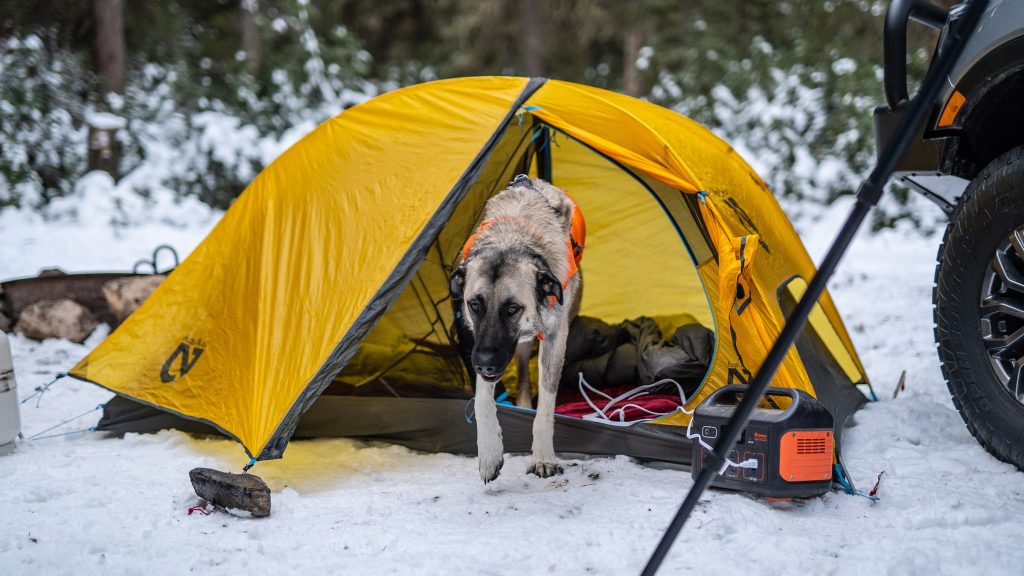
Are you planning a camping trip and wondering if you can use a heater inside your tent? Staying warm is one of the biggest challenges when camping in cold weather.
You don’t want to wake up shivering or cut your adventure short because of the cold. But is it safe to bring a heater into your tent? What are the best options to keep cozy without risking your safety? You’ll discover everything you need to know about using a heater in your tent, so you can enjoy a warm, comfortable night no matter how chilly it gets outside.
Keep reading to find the safest and smartest ways to heat your tent.

Credit: www.reddit.com
Choosing The Right Tent Heater
Using a heater in a tent can make camping much warmer. It is important to pick the right heater for safety and comfort. There are many types of heaters made for tents.
Choosing the correct heater depends on your needs and the fuel you have. Safety should always come first when heating a small space like a tent.
Types Of Tent Heaters
Tent heaters come in different types. Some use electricity, while others burn fuel. Each type has pros and cons.
Common types include ceramic heaters, catalytic heaters, and infrared heaters. Some are portable and easy to carry.
- Ceramic heaters heat quickly and are safe for small spaces.
- Catalytic heaters use fuel and produce low carbon monoxide.
- Infrared heaters warm objects directly without heating the air.
Fuel Options And Safety
Heaters use different fuels like propane, butane, or electricity. The fuel you choose affects safety and convenience.
Propane and butane heaters need good ventilation to avoid carbon monoxide buildup. Electric heaters need a power source but are safer indoors.
- Propane is common but requires ventilation and caution.
- Butane works well in mild cold but may not work in very cold weather.
- Electric heaters are safe but need batteries or a power outlet.
Electric Vs. Propane Heaters
Electric heaters are safer inside tents because they do not burn fuel. They need a power source like batteries or a generator.
Propane heaters provide strong heat but produce gases. They must be used with caution and good airflow to avoid danger.
| Feature | Electric Heater | Propane Heater |
|---|---|---|
| Heat Output | Moderate | High |
| Safety | Higher | Needs ventilation |
| Fuel Source | Electricity | Propane gas |
| Portability | Depends on power source | Very portable |

Credit: www.amazon.com
Setting Up Heaters Safely
Using a heater in a tent can keep you warm during cold weather. It is important to set up heaters safely to avoid accidents.
Follow safety tips to prevent fires, carbon monoxide poisoning, and other dangers. Proper setup helps you enjoy warmth without risks.
Proper Ventilation
Heaters need fresh air to work safely. A tent must have good ventilation to avoid dangerous gas buildup.
Keep vents or windows open when using a heater. This allows fresh air to enter and harmful gases to leave the tent.
- Open tent flaps or windows slightly
- Do not seal the tent completely
- Check that air can flow freely
Placement Inside The Tent
Place the heater on a flat, stable surface. Keep it away from flammable materials like sleeping bags and clothes.
Do not place the heater near the tent walls or ceiling. Leave space around the heater for safety and airflow.
- Use a heat-resistant mat under the heater
- Keep at least 3 feet of clearance around the heater
- Do not leave the heater unattended
Using Carbon Monoxide Detectors
Carbon monoxide is a dangerous gas that heaters can produce. Use a carbon monoxide detector inside the tent to stay safe.
The detector alerts you if gas levels become unsafe. Always check the detector’s batteries before sleeping in the tent.
- Choose a portable, battery-powered detector
- Place it near your sleeping area
- Test the detector before each use
Tips For Safe Heater Use
Using a heater in a tent can keep you warm on cold nights. It is important to follow safety tips to avoid accidents.
Always be careful with heaters. They can cause fires if not used correctly.
Maintaining Distance From Flammable Materials
Keep heaters away from anything that can catch fire. This includes clothes, sleeping bags, and tent walls.
- Place heaters at least three feet from flammable items
- Do not hang clothes or towels near the heater
- Keep the heater on a flat, stable surface
- Check your tent material for fire resistance
Monitoring Heater Operation
Watch your heater while it is running. Stay alert for any strange smells or sounds.
| What to Check | Why |
| Heater flame or heat output | Ensures heater is working right |
| Strange smells | Could mean gas leak or fire risk |
| Unusual noises | May indicate a malfunction |
| Ventilation | Prevents carbon monoxide buildup |
Turning Off Heaters When Sleeping
Always turn off your heater before going to sleep. This reduces the risk of fire and carbon monoxide poisoning.
Remember these safety tips:
- Switch off heaters before sleeping or leaving the tent.
- Use battery-powered or electric heaters with automatic shut-off features.
- Install a carbon monoxide detector inside the tent.
Alternative Warmth Solutions
Using a heater inside a tent can be risky and unsafe. It is better to use other ways to stay warm. You can keep warm with the right gear and simple tools.
These warmth solutions help you stay comfortable without extra fire or electricity. They are safe and easy to use during camping.
Insulated Sleeping Bags
Insulated sleeping bags keep your body heat close to you. They have thick layers that stop cold air from coming in. Choose sleeping bags made for cold weather.
Look for sleeping bags with good insulation like down or synthetic fill. These materials trap heat well. A snug fit around your body also helps keep warmth.
Thermal Clothing Layers
Wearing thermal layers helps keep your body warm. Start with a base layer that fits tight to your skin. Add middle layers for insulation and an outer layer to block wind.
- Base layers made of wool or synthetic fibers keep moisture away
- Middle layers like fleece provide warmth
- Outer layers protect from wind and rain
Wearing several thin layers is better than one thick layer. It traps more heat and lets you adjust your clothing.
Hot Water Bottles And Heat Packs
Hot water bottles can warm your sleeping bag before you get in. Fill them with hot water and place them near your feet or body. They provide heat for hours.
Heat packs are small and easy to carry. You activate them by shaking or squeezing. They give off warmth for several hours and are safe inside a tent.
- Use hot water bottles wrapped in cloth to avoid burns
- Choose heat packs that last long and are reusable if possible
- Keep them away from direct contact with skin
Emergency Preparedness
Using a heater inside a tent can help keep you warm during cold weather. It is important to stay safe and prepared for emergencies.
This guide covers how to recognize danger signs, treat cold exposure, and use communication tools in emergencies.
Recognizing Carbon Monoxide Poisoning
Heaters that burn fuel can release carbon monoxide gas. This gas is invisible and deadly. Knowing the symptoms helps you act fast.
Signs include headache, dizziness, nausea, weakness, and confusion. If you feel these inside a tent, get fresh air immediately.
- Headache and dizziness
- Nausea or vomiting
- Weakness and confusion
- Shortness of breath
- Loss of consciousness in severe cases
First Aid For Cold Exposure
Cold exposure can cause hypothermia or frostbite. Quick action can prevent serious harm. Warm the person slowly and safely.
Remove wet clothes and cover with blankets. Give warm drinks if the person is alert. Avoid hot water or direct heat on skin.
- Move to a warm place
- Remove wet clothing
- Use blankets or warm clothes
- Give warm, non-alcoholic drinks
- Do not rub or apply hot water
Emergency Communication Tools
In emergencies, communication tools help you call for help. Always carry a charged phone or radio. Know how to use them well.
Devices like whistles or signal mirrors can attract attention. Share your location with someone before camping. This makes rescue easier.
- Fully charged mobile phone
- Two-way radio or walkie-talkie
- Whistle for loud signals
- Signal mirror for daylight signaling
- Let others know your location

Credit: www.youtube.com
Frequently Asked Questions
Can I Safely Use A Heater Inside My Tent?
Yes, you can use a heater in a tent if it’s designed for indoor or tent use. Always ensure proper ventilation to avoid carbon monoxide buildup and follow the manufacturer’s safety guidelines strictly.
What Types Of Heaters Are Best For Tents?
Propane, electric, and catalytic heaters are popular for tents. Choose models with safety features like automatic shut-off and tip-over protection. Battery-operated heaters are also a safe, portable option.
How Do I Prevent Fire Hazards With Tent Heaters?
Keep heaters away from flammable materials like sleeping bags and tent walls. Never leave the heater unattended and use it on a stable surface. Always follow the heater’s safety instructions carefully.
Can A Heater Cause Carbon Monoxide Poisoning In Tents?
Yes, heaters that burn fuel can produce carbon monoxide. Always ensure your tent is ventilated and use carbon monoxide detectors for safety. Avoid using non-vented heaters in enclosed tents.
Conclusion
Staying warm in a tent is important for comfort. Heaters can help achieve this. Choose a safe and suitable heater for your tent. Read the instructions carefully before use. Ensure proper ventilation to avoid any risks. Always have a backup plan for heating.
Layering clothes and using thermal sleeping bags work great. Consider your tent size when selecting a heater. Safety should be your top priority. Enjoy your camping experience with warmth and security. Happy camping!