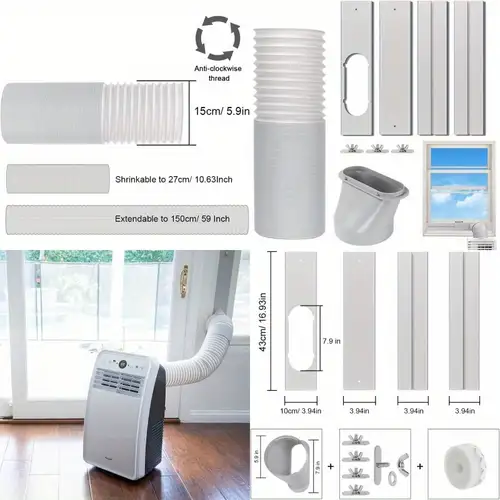
Are you wondering if you can use a portable air conditioner without the hose? It’s a question many people ask when they want quick cooling without the hassle of setup.
You might think skipping the hose saves time and effort, but is it really that simple? You’ll discover the truth behind using a portable AC without the hose, what could go wrong, and the best way to keep your space cool and comfortable.
Keep reading—you’ll want to know this before you switch on your unit.
How Portable Acs Work
Portable air conditioners cool rooms by removing heat. They move warm air outside using a hose. This process helps lower indoor temperature.
Understanding the role of the hose and heat exchange is key. These parts keep the system running efficiently.
Role Of The Hose
The hose carries hot air from inside to the outside. It prevents warm air from mixing back into the room. Without the hose, the AC cannot push heat out.
- Removes hot air from the room
- Prevents heat build-up indoors
- Connects the AC to a window or vent
- Helps maintain cool air inside
Heat Exchange Process
The AC pulls warm air inside and cools it by removing heat. The heat moves to the outside via the hose. This keeps the room cool and comfortable.
| Step | What Happens |
| 1 | Warm air is drawn into the AC unit |
| 2 | Heat is removed from the air inside the unit |
| 3 | Cool air is released back into the room |
| 4 | Heat is pushed outside through the hose |

Credit: www.amazon.ca
Consequences Of Removing The Hose
Portable air conditioners need a hose to remove hot air from the room. Removing the hose can cause problems. It affects how well the unit cools the space.
Using the air conditioner without the hose can lead to higher room temperatures and possible damage to the machine. It is important to understand these consequences.
Reduced Cooling Efficiency
The hose moves hot air outside the room. Without it, hot air stays inside. This makes the air conditioner work harder to cool the space.
When the unit works harder, it uses more energy and cools less effectively. The cooling power drops significantly.
Increased Room Temperature
Without the hose, hot air cannot leave the room. It mixes with the cooled air. This causes the room temperature to rise instead of fall.
The result is a warmer room that feels uncomfortable. The air conditioner does not make the space cooler as expected.
Potential Damage To The Unit
The unit may overheat because it cannot release hot air properly. This causes stress on internal parts. Damage can occur over time.
Continuous use without the hose can shorten the air conditioner’s life. Repair costs may increase if damage happens.
Alternatives To Using The Hose
Portable air conditioners usually need a hose to vent hot air outside. This hose removes the warm air that the unit cools down. Some people want to use a portable AC without the hose. There are a few alternatives to using the hose that can help cool a room.
These options include different ways to vent the air or use special types of air conditioners. Each alternative has pros and cons. Knowing them helps you choose the best option for your space.
Using A Window Kit
A window kit is a simple way to vent the hot air from a portable AC. The kit fits into a window opening. It holds the hose and keeps outside air from coming in.
You can cut the window kit to fit the size of your window. This lets the hose push hot air outside without a gap. This method is easy and stops hot air from returning indoors.
- Keeps hot air vented outside
- Easy to install and remove
- Fits many window sizes
- Helps maintain room temperature
Ducting Options
Ducting is another way to move hot air outside without using a standard hose. You can use flexible or rigid ducts to direct the air. These ducts can go through walls or ceilings.
This option needs more work but can hide the duct better. It also lets you place the AC unit far from the window. Ducting helps keep the room cooler by removing hot air efficiently.
- Flexible ducts bend around corners
- Rigid ducts offer better airflow
- Can be installed through walls or ceilings
- Requires some tools and effort
Ventless Portable Acs
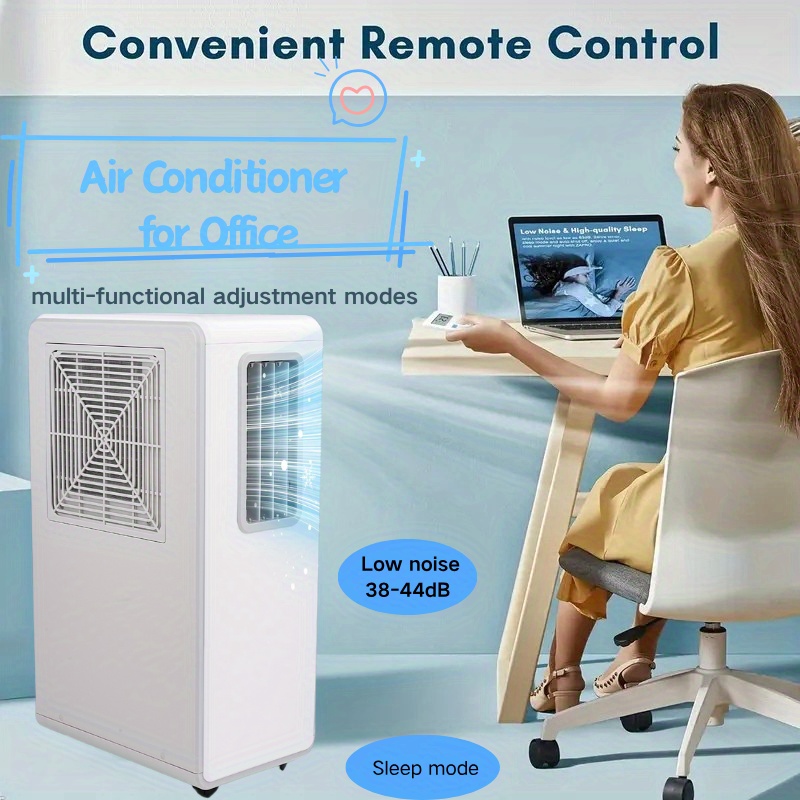
Ventless portable air conditioners do not use hoses or ducts. They cool the air by using water evaporation or other methods. These units do not need to vent hot air outside.
Ventless ACs work well in small rooms or spaces with good airflow. They use less power but do not cool as strongly as vented units. These are good for places where venting is difficult or not allowed.
- Use water evaporation to cool air
- No hose or vent needed
- Best for small rooms
- Lower cooling power than vented ACs
Credit: www.temu.com
When Hose-free Use Might Work
Using a portable air conditioner without the hose is not common. The hose usually removes hot air from the room. But some cases let you skip it.
These special situations depend on space size and how long you need to cool the area. Let’s look at when hose-free use might be okay.
Small, Sealed Spaces
In very small, sealed rooms, you might use a portable air conditioner without the hose. The unit cools the air but also releases some hot air back inside.
- Closets or storage rooms with no windows
- Small cabins or tents with tight seals
- Isolated compartments inside larger buildings
These spaces trap cooled air better. The heat from the air conditioner’s exhaust has less room to raise the temperature quickly.
Temporary Use Scenarios
Using a portable air conditioner without a hose can work for short times. This might be during emergencies or while testing the unit.
| Scenario | Reason |
| Power outage backup | Need quick cooling without setup |
| Temporary shelter | Short stay with limited ventilation |
| Testing unit function | Check cooling without installing hose |
Keep in mind, heat will build up fast if used too long without venting. This limits how effective hose-free use can be.
Tips For Optimal Portable Ac Performance
Using a portable air conditioner needs more than just plugging it in. Proper setup and care keep it working well.
These tips help you get the best cooling and save energy with your portable AC unit.
Proper Venting Setup
Always connect the hose to vent hot air outside. This stops warm air from returning inside.
- Use the window kit that comes with your AC.
- Seal any gaps around the window to block hot air.
- Keep the hose straight without kinks for better airflow.
- Do not use the AC without the hose connected.
Regular Maintenance
Cleaning and checking your portable AC keeps it running smoothly and lasts longer.
| Maintenance Task | Frequency |
| Clean air filter | Every 2 weeks |
| Empty water tank | When full |
| Check hose for leaks | Monthly |
| Inspect power cord | Monthly |
Room Insulation
Good insulation stops heat from entering and cool air from escaping. This helps the AC work less.
- Close curtains or blinds during the day.
- Seal cracks around doors and windows with weather stripping.
- Use draft stoppers on doors.
- Avoid opening doors and windows when the AC is on.

Credit: www.cnet.com
Frequently Asked Questions
Can A Portable Ac Cool A Room Without The Hose?
No, a portable AC cannot cool effectively without the hose. The hose vents hot air outside, preventing heat buildup. Without it, the unit recirculates warm air, reducing cooling efficiency significantly and increasing energy use.
What Happens If A Portable Ac Runs Without Venting?
Running a portable AC without venting causes heat to accumulate indoors. The unit releases hot air back into the room. This results in poor cooling, higher electricity bills, and potential damage from overheating.
Can I Use A Portable Ac Hose Indoors?
No, the hose must vent outside. Using it indoors recirculates hot air, defeating the cooling purpose. Proper venting removes heat and moisture, ensuring efficient cooling and preventing room temperature rise.
Is It Safe To Run A Portable Ac Without A Hose?
It is not safe to run a portable AC without the hose. Heat buildup can cause the unit to overheat, damaging the compressor. This may also increase fire risk and reduce the AC’s lifespan.
Conclusion
Using a portable air conditioner without a hose is challenging. Most units need a hose for venting. This helps expel hot air efficiently. Without it, the unit may not cool effectively. Some models offer alternative venting solutions. Always check the manufacturer’s instructions.
Understanding these options ensures better cooling performance. Remember, proper setup is key. Consider the room’s layout and ventilation. Make informed decisions for optimal comfort. Enjoy a cooler space with the right setup.