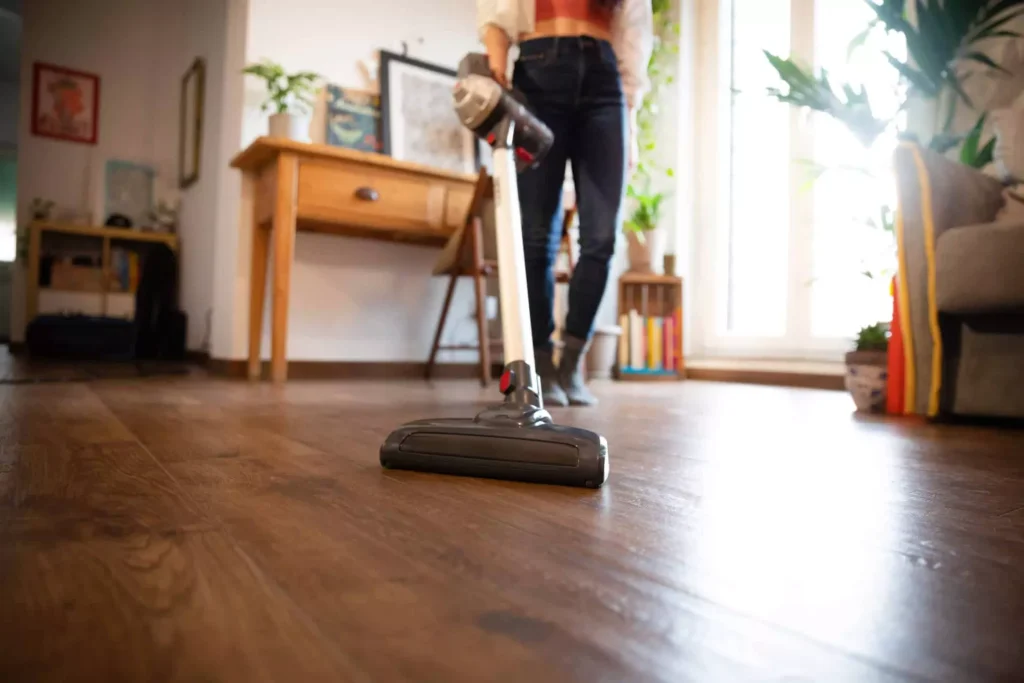
Are you wondering if using a vacuum on your wood floors is safe? You want to keep your floors clean without causing any damage.
But with so many vacuum options and warnings out there, it’s easy to feel confused. What if the vacuum scratches or dulls your wood? What features should you look for to protect your floors? Keep reading, because we’ll clear up the mystery and help you choose the best way to keep your wood floors spotless and shining.
Your floors will thank you!
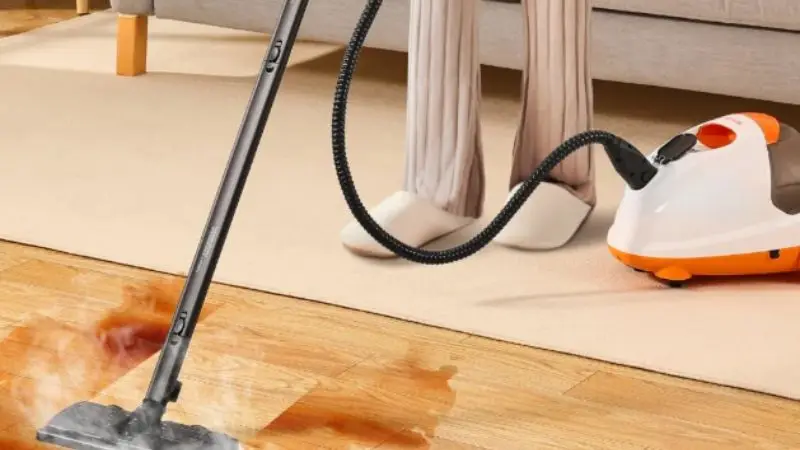
Credit: www.vevor.com
Choosing The Right Vacuum
Choosing the right vacuum for your wood floors is crucial to keep them clean without causing damage. Not every vacuum cleaner suits hardwood surfaces, and picking the wrong one can lead to scratches or wear over time. Knowing what to look for helps protect your investment and maintain that beautiful shine.
Types Suitable For Wood Floors
Stick to vacuums designed specifically for hard floors or those with adjustable settings. Canister vacuums often work well because they allow you to control suction and use gentle brushes. Some stick vacuums come with special hard floor attachments that prevent scratching while still picking up dust and debris.
Avoid vacuums with aggressive beater bars or rotating brushes unless they have an option to turn these off. These can dig into the wood and cause damage. If you want versatility, look for models that let you switch between carpet and hard floor modes easily.
Features To Look For
- Soft brush roll or no brush roll:This prevents scratching and keeps delicate wood surfaces safe.
- Adjustable suction power:Lower suction avoids dragging dirt and grit across the floor.
- Good filtration system:Captures fine dust without blowing it back onto your floor.
- Lightweight and easy to maneuver:Makes cleaning quicker and reduces the risk of bumping furniture.
Personally, I found that a vacuum with a soft brush and adjustable suction made my cleaning routine easier and kept my floors looking pristine longer. What features do you prioritize when buying cleaning tools for your home?
Avoiding Common Pitfalls
One common mistake is using vacuums with hard wheels or metal parts that can scratch wood. Always check the vacuum’s wheels and base before use. Soft rubber or felt-covered wheels are safer choices.
Another pitfall is neglecting maintenance. Dirty vacuum brushes or clogged filters reduce efficiency and can push dirt into floor cracks. Clean your vacuum regularly to keep it working well.
Finally, don’t rush the cleaning process. Moving too quickly can push debris around instead of picking it up. Slow, steady passes give the best results without risking floor damage.

Credit: www.dreametech.com
Preparing Wood Floors For Vacuuming
Preparing wood floors for vacuuming helps protect their finish and keeps them looking great. Taking a few simple steps before vacuuming prevents scratches and damage. Careful preparation also ensures the vacuum cleans effectively without leaving dirt behind.
Clearing Debris And Dust
Start by removing large debris like pet hair, crumbs, and dirt. Use a soft broom or dry mop to sweep the floor first. This clears loose particles that can scratch the wood during vacuuming. Pay special attention to corners and edges where dust gathers.
Checking Floor Condition
Inspect the wood for scratches, cracks, or worn areas. Damaged spots need gentle cleaning or repair before vacuuming. Avoid vacuuming over loose floorboards or splinters that can catch vacuum parts. Identifying these issues prevents further harm during cleaning.
Using Protective Measures
Attach a soft brush or felt pad to the vacuum head. This protects the floor’s finish from harsh contact. Adjust vacuum settings to low suction on wood floors. Place furniture pads under heavy items to avoid dents during cleaning. These small precautions help maintain floor beauty and durability.
Vacuuming Techniques For Wood Floors
Vacuuming wood floors requires more care than carpeted surfaces. Using the right techniques keeps your floors clean without causing scratches or damage. Mastering these simple steps helps you maintain the natural beauty of your wood floors while removing dust and debris efficiently.
Adjusting Vacuum Settings
Most vacuums have adjustable settings for different floor types. Switch to the hard floor or bare floor mode to avoid the brush roll spinning aggressively, which can scratch your wood floors.
If your vacuum has height settings, choose the lowest or a setting designed for smooth surfaces. This prevents the vacuum from digging into the wood and causing marks.
Proper Vacuuming Motion
Push the vacuum forward gently and pull it back slowly to pick up dirt without pushing debris across the floor. Quick or harsh movements can scatter dust and risk scratching.
Vacuum in the direction of the wood grain whenever possible. This helps lift dust from the grooves and maintains the finish’s smooth appearance.
Handling Delicate Areas
Corners, edges, and spaces under furniture need extra care. Use a vacuum attachment with soft bristles or a microfiber cloth for these spots.
Don’t drag the vacuum’s hard parts across baseboards or delicate trim. This can chip paint or wood, leaving marks that are hard to fix.
Maintenance After Vacuuming
After vacuuming your wood floors, the work isn’t quite done. Proper maintenance ensures your floors stay beautiful and your vacuum lasts longer. Taking a few extra steps can prevent damage and keep both your cleaning tools and floors in top shape.
Cleaning Vacuum Attachments
Vacuum attachments often collect dust, hair, and debris that can reduce their effectiveness. Take a moment to remove brushes or nozzles and clear out any buildup. This simple step helps maintain strong suction and prevents dirt from scratching your wood floor during the next cleaning.
Have you noticed how a clogged vacuum head can leave behind streaks or scratches? Cleaning attachments regularly keeps your floors safe and your vacuum running smoothly.
Inspecting Floors For Damage
After vacuuming, closely check your wood floors for any signs of damage. Look for scratches, dents, or loose boards that could worsen if left untreated. Early detection lets you address problems before they become costly repairs.
Do you spot tiny cracks or worn spots? These might be areas where dirt or vacuum parts caused stress. Paying attention now saves you from bigger headaches later.
Regular Floor Care Tips
- Use soft vacuum brushes:Choose attachments designed for hardwood to avoid scratches.
- Vacuum in the direction of the wood grain:This reduces friction and protects the finish.
- Wipe up spills promptly:Vacuuming won’t remove sticky liquids, so clean spills quickly with a damp cloth.
- Consider occasional deep cleaning:Use a wood floor cleaner recommended by your floor manufacturer to maintain shine.
Could your vacuum habits be quietly harming your floors? Small changes like these can make a big difference in keeping your wood floors looking their best for years.
Common Mistakes To Avoid
Using a vacuum on wood floors can be a great way to keep them clean, but many people make avoidable mistakes that can damage their floors or reduce the vacuum’s effectiveness. Knowing what to watch out for helps you protect your investment and get the best results. Here are some common errors that you should steer clear of.
Using Beater Bars Incorrectly
Beater bars are designed for carpets, not wood floors. If you leave the beater bar on while vacuuming your hardwood, it can scratch and damage the surface.
Always check if your vacuum has a setting to turn off the beater bar or switch to a hard floor mode. If it doesn’t, consider using a vacuum head designed specifically for wood floors. Have you ever noticed tiny scratches after vacuuming? That might be why.
Ignoring Vacuum Maintenance
Dirty filters and full dustbins reduce suction power and force your vacuum to work harder. This can lead to poor cleaning and even release dust back onto your floors.
Regularly clean or replace filters and empty the dustbin to keep your vacuum running smoothly. Remember, a well-maintained vacuum protects your wood floors better by picking up dirt without excessive force.
Vacuuming Wet Floors
Vacuuming wet or damp wood floors is a big no-no. Water can damage the vacuum’s motor and cause electrical hazards.
Plus, using a vacuum on wet floors can push moisture into cracks, leading to warping or swelling of your wood. Always make sure your floors are dry before you vacuum, and if there’s a spill, wipe it up first.
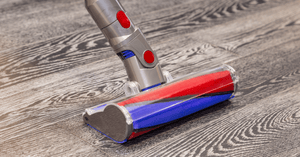
Credit: www.naturewoodfloors.com
Frequently Asked Questions
Can You Safely Vacuum Wood Floors?
Yes, you can safely vacuum wood floors. Use a vacuum with a hardwood floor setting or a brush attachment. This prevents scratches and damage. Ensure the vacuum wheels are clean to avoid debris scratching the surface. Regular vacuuming helps maintain cleanliness without harming your wood floors.
What Type Of Vacuum Is Best For Wood Floors?
Canister vacuums with soft bristle attachments are best for wood floors. They effectively pick up dirt while protecting the floor’s surface. Stick vacuums with hardwood settings are also excellent. Avoid vacuums with rotating brush rolls as they can scratch the wood.
How Often Should You Vacuum Wood Floors?
Vacuum wood floors at least once a week to maintain cleanliness and prevent dust buildup. High-traffic areas may require more frequent cleaning. Regular vacuuming helps preserve the wood’s appearance and prolongs its life by removing particles that could cause scratches.
Are Vacuum Attachments Necessary For Wood Floors?
Yes, vacuum attachments are necessary for wood floors. Use soft bristle or felt attachments to prevent scratches. These attachments ensure effective cleaning while safeguarding the wood’s finish. Regularly check and clean attachments to maintain their efficiency and protect your floors.
Conclusion
Vacuuming wood floors helps keep them clean and looking nice. Use a vacuum with a soft brush or hardwood setting. Avoid vacuums with rough wheels or beater bars that can scratch. Regular cleaning stops dust and dirt from building up.
This protects the floor’s finish and extends its life. Remember to check your vacuum’s instructions before use. Clean floors feel fresh and look brighter. A good vacuum choice makes a big difference in floor care. Simple steps lead to lasting beauty and cleanliness.