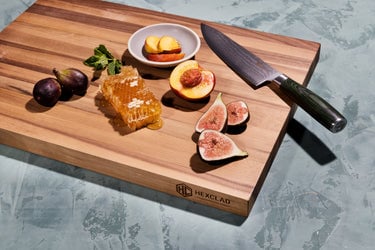
Are you wondering if you can safely use a wooden cutting board for meat? It’s a common question that many home cooks face.
You want to keep your kitchen clean and avoid any risks, but you also love the look and feel of a wooden board. What if wood isn’t as safe as plastic? Or could it actually be better for your health?
Keep reading, because what you learn here could change how you prepare your meals—and keep your family safe.

Credit: www.reddit.com
The Basics Of Wooden Cutting Boards
Wooden cutting boards are popular in many kitchens. They offer a natural surface for chopping and slicing food.
People often ask if wooden boards are safe to use with meat. Understanding their features helps answer this question.
Materials And Construction
Wooden cutting boards come in different woods like maple, walnut, and bamboo. Each wood type has unique qualities.
Boards are made by joining wood pieces together. This can be done with strips or end grains, affecting durability.
- Maple is hard and dense, good for cutting.
- Walnut is softer but has a nice look.
- Bamboo grows fast and is eco-friendly.
- End grain boards show wood fibers upright, reducing blade wear.
- Strip boards show wood fibers horizontally, often cheaper.
Benefits Of Using Wood
Wood has natural properties that help keep knives sharp. It is gentle on blades compared to plastic or glass.
Wooden boards can be cleaned and maintained to stay safe for meat. They do not absorb liquids as much as people think.
- Wood fibers close after cutting, limiting bacteria growth.
- Wood has natural antibacterial chemicals.
- Wood boards last long if oiled regularly.
- They provide a stable surface for cutting meat.
- Wood feels warm and natural in the kitchen.
Safety Concerns With Meat Preparation
Using a wooden cutting board for meat raises safety questions. It is important to know the risks involved. Proper handling helps reduce foodborne illnesses.
Wood can absorb liquids and bacteria. This means cleaning and care are very important when preparing meat on wood.
Bacterial Growth Risks
Wood is porous and can hold moisture inside. This makes it easier for bacteria to grow in tiny cracks. Raw meat often carries bacteria like Salmonella and E. coli.
- Wood absorbs meat juices that contain bacteria.
- Bacteria can hide in scratches and pores of the board.
- Improper drying keeps the board damp, helping bacteria grow.
- Regular oiling can reduce cracks and bacteria buildup.
- Cleaning with hot water and soap after each use helps remove bacteria.
Cross-contamination Issues
Cross-contamination happens when bacteria spread from raw meat to other foods. Using the same wooden board without cleaning can transfer germs.
| Risk Factor | How to Prevent |
| Using one board for meat and vegetables | Use separate boards for meat and produce |
| Not cleaning board after meat use | Wash with soap and hot water immediately |
| Storing board while still wet | Dry completely before storing |
| Deep knife cuts on the board | Sand surface or replace board to avoid bacteria buildup |
Wood Vs. Other Cutting Board Materials
Choosing the right cutting board matters for food safety and kitchen care. Wood boards are popular, but other materials have their own benefits. Understanding these differences helps you pick the best one.
This guide looks at plastic, glass, and bamboo boards compared to wood. Each type has strengths and weaknesses for cutting meat and other foods.
Plastic Cutting Boards
Plastic boards are easy to clean and often dishwasher safe. They do not absorb juices from meat, which lowers bacteria risk. But plastic can get deep cuts that are hard to clean.
- Lightweight and affordable
- Non-porous surface prevents absorption
- Can warp or melt with heat
- Scratches can hold bacteria if not cleaned well
Glass And Bamboo Options
Glass boards look clean but are hard on knives. They can cause blades to dull quickly. Bamboo is a natural material like wood but grows faster. It is harder and less porous than many woods.
| Material | Durability | Knife Friendly | Maintenance |
| Glass | High | No | Easy to clean |
| Bamboo | Medium-High | Yes | Oiling needed |
| Wood | Medium | Yes | Oiling needed |
| Plastic | Medium | Yes | Dishwasher safe |

Credit: www.amazon.ca
Scientific Studies And Findings
Wooden cutting boards are common in many kitchens. People often wonder if they are safe for cutting meat. Scientific studies have looked into this question.
Researchers tested how bacteria behave on wooden boards compared to other materials. This helps us understand if wood is safe for meat preparation.
Research On Bacteria In Wood
Studies show wood can absorb some bacteria into its surface. The wood’s natural structure traps bacteria inside, reducing their number on the surface.
Bacteria trapped inside the wood often die over time. Some woods have natural antimicrobial properties that help kill bacteria.
- Wood fibers absorb bacteria, removing them from the surface
- Natural compounds in wood can kill harmful bacteria
- Bacteria inside wood lose moisture and die
- Regular cleaning is still important to keep boards safe
Comparative Studies With Other Materials
Researchers compared wooden boards with plastic and glass boards. They tested bacteria growth after cutting raw meat on each surface.
Results showed wooden boards often had fewer bacteria on their surfaces after cleaning. Plastic boards could hold bacteria in knife grooves. Glass boards were easier to clean but did not kill bacteria naturally.
| Material | Bacteria Presence After Use | Cleaning Ease | Natural Antibacterial Action |
|---|---|---|---|
| Wood | Low on surface, trapped inside | Moderate | Yes |
| Plastic | Higher, especially in grooves | Moderate | No |
| Glass | Medium | Easy | No |
Proper Maintenance And Care
Wooden cutting boards can be safe for cutting meat if you clean and care for them well. Proper care keeps the board free from bacteria and in good shape.
This guide shares easy ways to clean and maintain your wooden cutting board after using it for meat.
Cleaning Techniques
Clean your wooden board right after cutting meat to stop bacteria growth. Use hot water and soap to wash it well. Avoid soaking the board to protect the wood.
After washing, dry the board quickly with a clean towel. Let it air dry standing up to keep both sides dry.
- Use hot, soapy water for cleaning
- Do not soak the board in water
- Dry with a towel and air dry upright
- Use a soft brush to remove stuck bits
- Disinfect with vinegar or diluted bleach if needed
Regular Maintenance Tips
Keep your wooden board in good condition by oiling it regularly. Food-safe mineral oil helps stop the wood from drying and cracking.
Sand the surface gently if it becomes rough. This removes knife marks and keeps the board smooth for safe use.
- Apply food-safe mineral oil once a month
- Use a soft cloth to rub the oil in
- Let the oil soak overnight
- Sand lightly if the surface feels rough
- Store the board in a dry place away from heat
Tips For Safe Meat Preparation
Using a wooden cutting board for meat can be safe if you follow good practices. Keeping meat preparation clean helps stop bacteria from spreading.
Wooden boards need special care. You must clean and separate boards to avoid cross-contamination.
Separate Boards For Meat
Always use a different cutting board for raw meat. This stops germs from spreading to other foods.
Label your boards or choose different colors. Use one board for meat and another for vegetables or bread.
- Use a wooden board only for meat or only for other foods.
- Keep raw meat boards separate from cooked food boards.
- Store boards apart to prevent mixing bacteria.
Effective Cleaning Practices
Clean your wooden cutting board after every use. This removes harmful bacteria from the surface.
Use hot water and soap to wash the board. Scrub well, then rinse and dry it completely.
- Wash with hot, soapy water right after cutting meat.
- Rinse thoroughly to remove all soap.
- Dry the board with a clean towel or let it air dry.
- Apply food-safe mineral oil to keep wood from cracking.
- Do not soak the board in water to avoid warping.
Choosing The Right Cutting Board
Choosing the right cutting board is important for safe food preparation. It helps keep your kitchen clean and prevents cross-contamination.
Different materials affect how easy it is to clean and how they hold up over time. This guide helps you pick the best cutting board for meat.
Factors To Consider
Wooden boards are popular but need care. They can absorb juices from meat and may hold bacteria if not cleaned well.
- Porosity: Wood is porous and can trap bacteria if damaged.
- Maintenance: Wooden boards need regular oiling and cleaning.
- Durability: Hardwoods like maple last longer and resist cuts.
- Cleaning: Wooden boards cannot go in the dishwasher.
- Knife safety: Wood is gentle on knives and helps keep them sharp.
Recommendations For Safe Options
Use separate boards for meat and other foods to avoid cross-contamination. Clean boards well after each use.
| Material | Pros | Cons |
| Wood | Gentle on knives, durable if cared for | Needs hand washing, can absorb juices |
| Plastic | Easy to clean, dishwasher safe | Can scar and hold bacteria in cuts |
| Bamboo | Eco-friendly, harder than wood | Can dull knives faster |
| Composite | Non-porous, dishwasher safe | Can be harsh on knives |
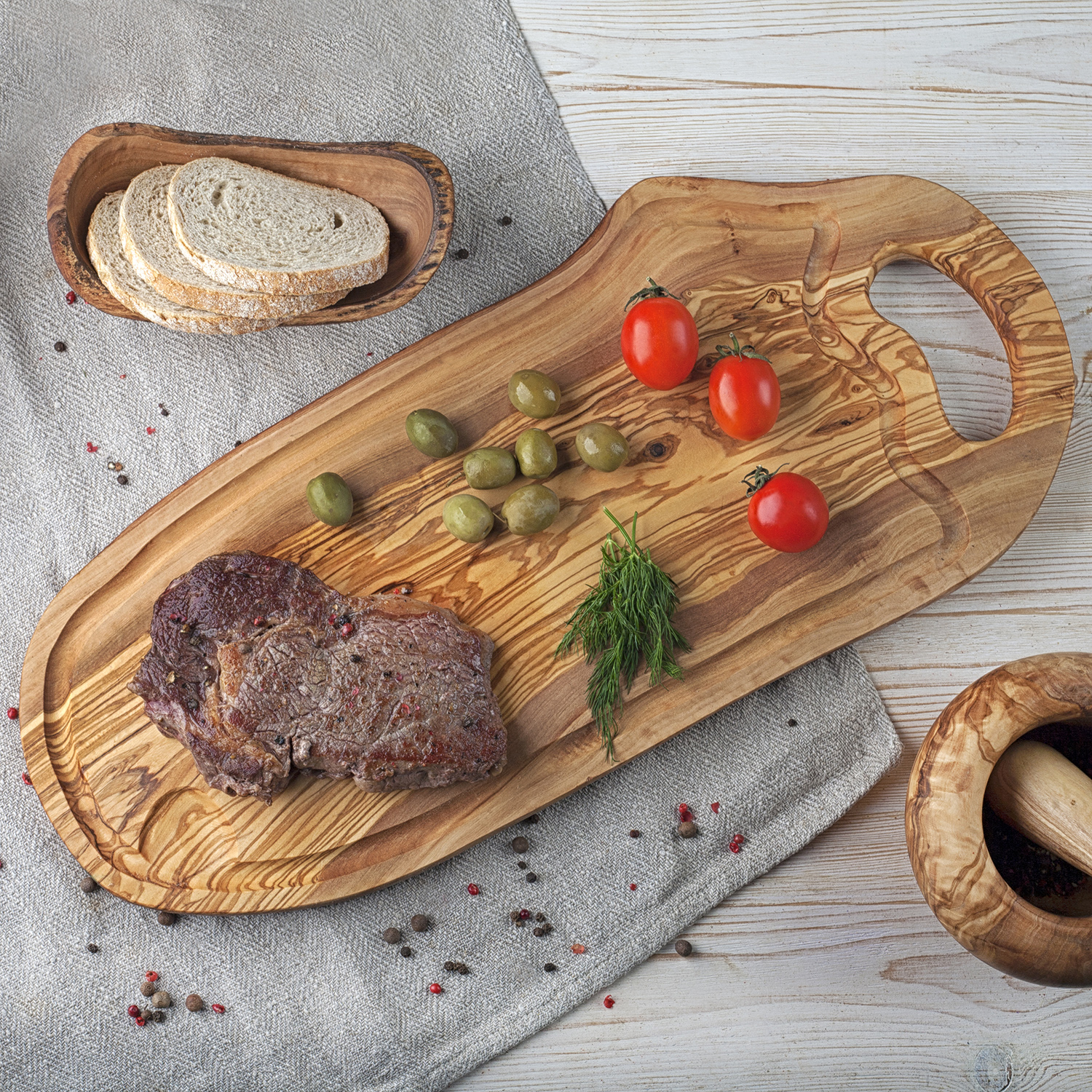
Credit: forest-decor.com
Frequently Asked Questions
Can Wooden Cutting Boards Be Safely Used For Raw Meat?
Yes, wooden cutting boards can be safe for raw meat if properly cleaned. Use hot soapy water and disinfect after each use to prevent bacteria growth.
How To Prevent Bacteria On Wooden Cutting Boards?
To prevent bacteria, clean the board immediately after use. Apply food-safe mineral oil regularly to maintain wood integrity and avoid cracking.
Are Wooden Cutting Boards Better Than Plastic For Meat?
Wooden boards are naturally antimicrobial and less prone to deep knife grooves. However, plastic boards are easier to sanitize and dishwasher safe.
Can Wooden Cutting Boards Cause Cross-contamination?
Cross-contamination can occur if boards aren’t cleaned well. Always use separate boards for raw meat and other foods to avoid risks.
Conclusion
Wooden cutting boards can safely hold meat with proper care. Clean them well after each use to stop germs. Dry the board completely to avoid bacteria growth. Use separate boards for meat and vegetables to stay safe. Wood naturally fights some bacteria but needs attention.
Choose a quality board and keep it maintained. This way, your wooden board stays safe and useful. Enjoy cooking with confidence and good hygiene.