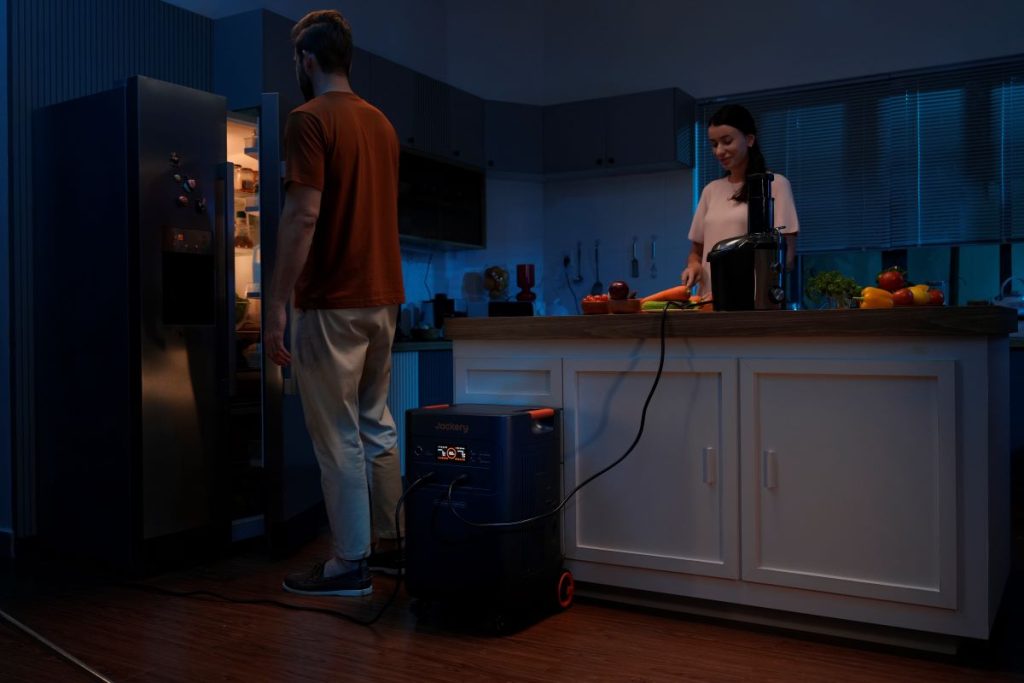
Have you ever found yourself in a situation where your refrigerator’s power cord just won’t reach the outlet? You might be tempted to grab an extension cord, but is it safe to do so?
This question might seem simple, but the answer is crucial for the safety and efficiency of your appliance. We’ll uncover the truth about using extension cords with refrigerators. You’ll discover what experts say, the potential risks involved, and how to make the best choice for your home.
Stick around to ensure you’re not inadvertently putting your home at risk or reducing the lifespan of your fridge. Let’s dive in and find out if this common household solution is really a safe option for you.

Credit: www.reddit.com
Risks Of Using Extension Cords
Using an extension cord with a refrigerator can lead to serious risks. Refrigerators need a stable power source. Extension cords can cause problems that affect safety and appliance function. Understanding these risks helps you avoid damage and hazards.
Electrical Overload Hazards
Extension cords may not handle the refrigerator’s power needs. Overloading can cause the cord to heat up. This heating can damage the cord’s insulation. Damaged insulation raises the risk of electric shock. Overloads may also trip circuit breakers, cutting power suddenly.
Potential Damage To Refrigerator
Extension cords can cause voltage drops. Low voltage affects the refrigerator’s motor performance. The motor may run longer or work harder. This stress can shorten the refrigerator’s lifespan. Inconsistent power can lead to compressor failure. Repairing these damages can be expensive.
Fire Safety Concerns
Overheated extension cords increase fire risk. Poor-quality cords or improper use worsen the danger. Fires can start if cords touch flammable materials. Loose connections can spark and ignite fires. Keeping the refrigerator on a direct outlet is safer.
Types Of Extension Cords
Choosing the right extension cord for your refrigerator is not just about convenience; it’s about safety and efficiency. Extension cords come in various types, each designed for different uses and power loads. Understanding these types helps you make an informed choice that protects your appliance and home.
Heavy-duty Vs. Light-duty Cords
Heavy-duty cords are built to handle higher power demands and are thicker with stronger insulation. They work well with refrigerators because these appliances require a steady and reliable power supply to avoid damage or fire risks.
Light-duty cords, on the other hand, are thinner and meant for low-power devices like lamps or phone chargers. Using a light-duty cord with a refrigerator can cause overheating or even a power outage. Have you ever noticed a cord getting warm? That’s a red flag for using the wrong type.
Cord Gauge And Length Importance
The gauge number on an extension cord tells you its thickness and capacity. Lower gauge numbers mean thicker wires and higher power capacity. For refrigerators, cords with a gauge of 14 or lower are safer choices.
Length also plays a big role. Longer cords have more resistance, which can reduce voltage and strain your fridge. Keep your extension cord as short as possible—ideally under 25 feet—to maintain performance.
Indoor Vs. Outdoor Cords
Indoor cords are designed for dry, protected environments. They don’t hold up well to moisture, extreme temperatures, or rough handling. Using an indoor cord outside or in a damp area near your fridge can cause shorts or corrosion.
Outdoor cords have tougher insulation and weather-resistant features. If your refrigerator is in a garage or basement where moisture is common, an outdoor-rated cord is a safer pick. Are you sure your fridge’s location matches the cord’s rating?
Manufacturer Recommendations
Manufacturer recommendations are crucial when deciding whether to use an extension cord with your refrigerator. Ignoring these guidelines can lead to appliance damage or safety hazards. Always check what your fridge’s manual says before plugging it into anything other than a dedicated outlet.
Common Appliance Guidelines
Most refrigerator manufacturers advise against using extension cords. Refrigerators require a steady and reliable power supply to maintain proper cooling. Extension cords can cause voltage drops, which might make your fridge work harder and shorten its lifespan.
Some brands allow heavy-duty, grounded extension cords if absolutely necessary, but they specify minimum wire gauge and length to ensure safety. Are you aware of the exact power requirements listed in your fridge’s manual? This small detail can prevent costly repairs.
Warranty Implications
Using an extension cord can void your refrigerator’s warranty. Manufacturers often include clauses that require direct connection to a grounded wall outlet. If your fridge fails and the cause is traced back to an extension cord, you could lose coverage.
This means you might have to pay out of pocket for repairs or replacements. Before you plug in that cord, consider if the convenience is worth the risk of losing warranty protection. Have you checked your warranty terms recently?
Safety Certifications To Look For
If you must use an extension cord, choose one with proper safety certifications. Look for labels such as UL (Underwriters Laboratories), ETL (Intertek), or CSA (Canadian Standards Association). These certifications indicate the cord meets safety standards for electrical appliances.
Make sure the extension cord is heavy-duty, grounded, and rated for the refrigerator’s amperage. This reduces the risk of overheating and electrical fires. Do you have a certified cord ready, or are you relying on a generic one that might not meet these standards?
Safe Alternatives To Extension Cords
Using an extension cord for a refrigerator is risky and can cause damage or fire. Safer options exist to power your fridge without hazards. These alternatives provide reliable electricity and protect your appliance.
Installing Additional Outlets
Adding new outlets near the fridge is a smart choice. A licensed electrician can install outlets safely. This avoids overloading existing circuits and keeps cords hidden. Outlets placed properly reduce tripping hazards and improve convenience.
Using Power Strips With Surge Protection
Power strips with surge protection help protect your fridge from power spikes. Choose a strip rated for heavy appliances. Avoid cheap or low-quality strips that may overheat. Always plug the strip directly into a wall outlet, not an extension cord.
Relocating The Refrigerator
Moving the fridge closer to a wall outlet removes the need for extra cords. Check the room layout and appliance size. Relocation can improve kitchen flow and safety. Plan the move carefully to avoid damage to the fridge or floors.
When Extension Cords Are Acceptable
Extension cords are generally not ideal for refrigerators. Still, some situations allow their safe use. Knowing when extension cords are acceptable helps avoid damage and hazards.
Extension cords should only be used temporarily and with care. They must meet specific standards to handle the refrigerator’s power needs. Correct connection practices ensure safety and efficiency.
Temporary Use Scenarios
Extension cords work for short-term needs, such as during moving or repairs. They can power a fridge while rearranging a room or fixing outlets. Never use extension cords for long periods or as a permanent solution.
Temporary use means hours or a few days, not weeks or months. Always unplug the extension cord when not in use to avoid overheating or fire risks.
Choosing The Right Cord
Select an extension cord designed for heavy appliances. It should have a thick gauge wire, usually 14-gauge or lower number, to carry more current. Avoid light-duty cords meant for lamps or small devices.
Look for cords labeled “appliance” or “heavy-duty.” They must match or exceed the refrigerator’s power rating. Check the cord length; shorter cords reduce power loss and heat build-up.
Proper Connection Practices
- Plug the extension cord firmly into a grounded outlet.
- Connect the refrigerator plug tightly into the extension cord.
- Keep the cord flat and avoid kinks or sharp bends.
- Do not connect multiple extension cords together.
- Place the cord away from heat and water sources.
Following these steps prevents electric shocks and overheating. Always inspect the cord for damage before use. Replace it immediately if frayed or broken.

Credit: www.amazon.ca

Credit: www.amazon.ca
Frequently Asked Questions
Can I Safely Use An Extension Cord For My Refrigerator?
Using an extension cord for a refrigerator is generally not recommended. It can cause voltage drops and overheating, risking appliance damage. If necessary, use a heavy-duty, grounded extension cord rated for appliances to ensure safety and proper function.
What Type Of Extension Cord Suits A Refrigerator?
Choose a heavy-duty, grounded extension cord with at least 14-gauge wire for refrigerators. It should support the appliance’s amperage and have a three-prong plug to prevent electrical hazards and maintain efficient power delivery.
Why Is Using An Extension Cord On A Fridge Risky?
Extension cords can cause voltage drops, leading to compressor strain or failure. Overheating and fire hazards increase with improper cords. Refrigerators require stable power, so direct wall outlet connections are safest for performance and longevity.
How Long Can An Extension Cord Safely Be For A Refrigerator?
Extension cords longer than 25 feet may cause voltage drops affecting refrigerator performance. Keep the cord as short as possible and use heavy-gauge wire to ensure consistent power and reduce electrical risks.
Conclusion
Using an extension cord for a refrigerator is not usually safe. Refrigerators need a strong, steady power supply. Extension cords can cause power drops or overheating. This can damage the fridge or cause a fire. If you must use one, pick a heavy-duty cord.
Keep it short and check it often. The best choice is to plug the fridge directly into a wall outlet. This keeps your appliance safe and working well. Always think about safety first with electrical devices.