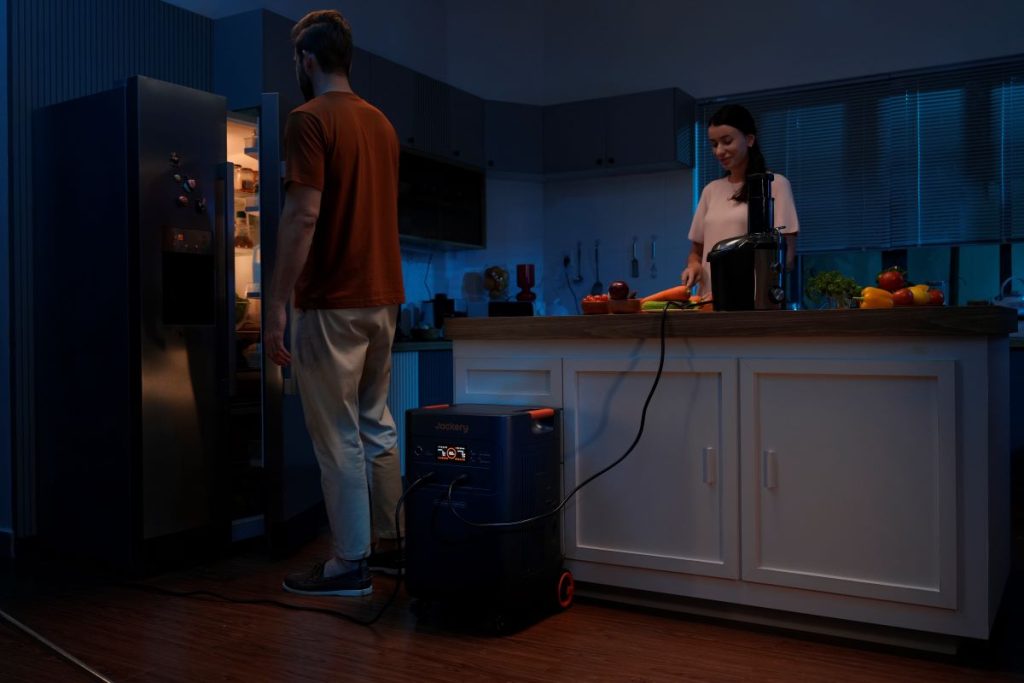
Have you ever looked around your kitchen and wondered if using an extension cord for your refrigerator is a safe or practical choice? You’re not alone.
Many people face this dilemma, especially when the outlet is just out of reach or when rearranging appliances for the perfect kitchen layout. But before you grab any extension cord, it’s important to consider the risks and benefits. Your refrigerator is one of the most crucial appliances in your home, and ensuring its safety and efficiency can save you from potential headaches and costly repairs.
By the end of this article, you’ll have all the information you need to make a confident decision, ensuring your fridge runs smoothly and safely. Dive in to discover the do’s and don’ts of using an extension cord with a refrigerator, so you can keep your kitchen running without a hitch.

Credit: www.amazon.com
Risks Of Using Extension Cords
Using an extension cord with a refrigerator carries several risks. These risks can affect safety and the appliance’s efficiency. Understanding these dangers helps you make safer choices.
Potential Electrical Hazards
Extension cords may not handle the refrigerator’s power needs. Overloading can cause the cord to overheat. This overheating can lead to electrical fires. Damaged or low-quality cords increase this risk. Loose connections might cause sparks or shorts. These hazards can endanger your home and family.
Impact On Refrigerator Performance
Extension cords can reduce the power reaching the refrigerator. This can cause the compressor to work harder. Harder work means more wear and tear on parts. The fridge may not keep food cold enough. This can lead to spoiled food and wasted money. Poor performance reduces the refrigerator’s lifespan.
Choosing The Right Extension Cord
Choosing the right extension cord for your refrigerator isn’t just about finding any cord that fits the plug. It’s about ensuring safety and efficiency. Using the wrong cord can lead to power issues or even hazards like overheating.
Cord Gauge And Length
The thickness of the cord wire, known as the gauge, plays a big role in how much power the cord can safely carry.
Lower gauge numbers mean thicker wires, which can handle more current without overheating. For refrigerators, a 14-gauge or 12-gauge cord is usually best.
Length matters too. The longer the cord, the more resistance it has, which can reduce the power reaching your fridge. Try to keep the cord as short as possible to avoid voltage drops that can harm your appliance.
Grounded Vs. Ungrounded Cords
Grounded cords have three prongs, including a grounding pin, while ungrounded cords only have two.
Using a grounded extension cord is essential for refrigerators because it provides an extra layer of safety. The grounding pin helps prevent electrical shocks and protects your fridge from power surges.
Have you ever plugged a heavy appliance into a two-prong extension cord and noticed it tripped the breaker? That’s a sign the cord wasn’t right for the job. Always choose grounded cords for your fridge to avoid such issues.
Safe Practices For Extension Cord Use
Using an extension cord with your refrigerator can be tempting, especially if the outlet is just out of reach. However, safety must be your top priority to avoid electrical hazards or damage to your appliance. Knowing the right practices will help you keep your fridge running smoothly without risking fire or power issues.
Avoiding Overloads
Extension cords have limits on how much power they can handle. Using one that isn’t rated for your refrigerator’s power needs can cause overheating or even start a fire.
Check the wattage or amperage on your refrigerator’s label and match it with an extension cord that supports at least that much. It’s better to choose a heavy-duty cord designed for appliances, not a thin, light one meant for lamps or small devices.
Ask yourself: Are you plugging other devices into the same extension cord? Overloading it with multiple high-power items can cause serious problems. Keep your refrigerator’s cord separate to avoid overloading.
Proper Placement And Handling
How you position and treat the extension cord matters just as much as the cord’s rating. Never run the cord under rugs, through doorways, or across high-traffic areas where it can get crushed or damaged.
Keep the cord away from water sources and ensure it’s not bent sharply or pinched. Damaged cords increase the risk of electric shock or fire.
Think about your daily routine: Will the cord be exposed to pets chewing on it or children playing nearby? Protect the cord by using cord covers or placing it out of reach to prevent accidents.

Credit: www.reddit.com
Alternatives To Extension Cords
If you’re thinking about using an extension cord with your refrigerator, it’s smart to pause and consider safer alternatives. Extension cords can be risky for appliances that need steady power, like refrigerators. Luckily, there are better options that can protect your fridge and keep your kitchen running smoothly.
Installing Additional Outlets
Adding extra outlets near your refrigerator is a straightforward way to avoid extension cords. This solution ensures your fridge gets direct power without any weak links. You might think installing outlets is complicated or expensive, but a licensed electrician can usually add one quickly and safely.
Think about how much hassle you save by not dealing with tangled cords or tripping hazards. Plus, it’s a one-time upgrade that improves your entire kitchen’s functionality. Have you checked if your kitchen layout allows for an outlet closer to your fridge? Sometimes a small change can make a big difference.
Using Power Strips Safely
Power strips can be a safer alternative to extension cords, but only if you choose the right type and use them properly. Look for power strips with built-in surge protection and a high enough amperage rating to handle your refrigerator’s power needs. Avoid cheap or overloaded power strips, as they can cause overheating or electrical shorts.
Place the power strip on a flat, dry surface and keep it away from water sources. Never daisy-chain multiple power strips or extension cords together. Have you ever checked the label on your power strip for its maximum load? Staying within those limits is key to keeping your fridge safe.
When To Avoid Extension Cords
Using an extension cord with a refrigerator is not always safe or practical. It can cause electrical problems or damage the appliance. Knowing when to avoid extension cords is important for safety and appliance health.
Signs Of Unsuitable Setup
- The extension cord is thin or damaged.
- The cord is too long, causing voltage drop.
- The plug or outlet feels hot to touch.
- The refrigerator trips the circuit breaker frequently.
- The cord is not rated for heavy appliances.
These signs indicate the setup can cause overheating or power loss. They increase fire risk and reduce refrigerator efficiency.
Manufacturer Recommendations
Most refrigerator makers advise against using extension cords. They suggest plugging the appliance directly into a grounded wall outlet.
Some brands specify the type of cord allowed. Usually, only heavy-duty, grounded extension cords with proper amperage ratings are safe.
Ignoring these guidelines can void warranties and lead to costly repairs. Always check the refrigerator manual for clear instructions.

Credit: www.amazon.com
Frequently Asked Questions
Can Extension Cords Damage A Refrigerator?
Yes, using an improper extension cord can cause voltage drops. This may damage the refrigerator’s compressor and reduce efficiency.
What Type Of Extension Cord Is Safe For Refrigerators?
Use a heavy-duty, grounded extension cord rated for appliances. It should support the refrigerator’s wattage and have a thick gauge wire.
How Long Can An Extension Cord Be For Refrigerators?
Keep the cord length under 25 feet. Longer cords increase resistance and can cause overheating or power loss.
Are Extension Cords Recommended For Refrigerators?
Generally, no. It’s safer to plug refrigerators directly into wall outlets to avoid fire hazards and ensure proper power supply.
Conclusion
Using an extension cord with a refrigerator can be risky. Not all cords handle the power a fridge needs. Choose a heavy-duty, grounded cord to stay safe. Keep the cord short to avoid power loss. Always check the cord’s amp rating before use.
A poor setup can cause damage or fire. When possible, plug the fridge directly into a wall outlet. Safety should always come first with electrical appliances. This simple step protects your home and your fridge.