Are you wondering if it’s safe to use an extension cord with your air conditioner? You’re not alone.
Many people face this question when they want to place their AC unit farther from the power outlet. Using the wrong extension cord can cause problems like overheating, power loss, or even fire hazards. But what if you could avoid these risks and keep your room cool without worry?
You’ll discover exactly when and how you can use an extension cord safely with your air conditioner. Keep reading to protect your home and make the most of your cooling device.
Air Conditioner Power Needs
Using an extension cord with an air conditioner can be risky. Understanding the power needs helps keep your home safe.
This guide explains typical wattage and why power matters for air conditioners.
Typical Wattage And Amperage
Air conditioners usually need a lot of power to run. Their wattage and amperage depend on the size and type.
| Type | Wattage (Watts) | Amperage (Amps) |
| Window AC (5,000 BTU) | 500 | 4.2 |
| Window AC (10,000 BTU) | 1,000 | 8.3 |
| Portable AC | 1,200 | 10 |
| Central AC (3 Ton) | 3,500 | 15 |
Why Power Matters
Power needs affect safety and performance. Using the wrong extension cord can cause problems.
- Too thin cords can overheat and start fires.
- Low power supply can make the AC work poorly.
- High amperage needs require heavy-duty cords.
- Always check the AC’s power rating before connecting.

Credit: northnjhvac.com
Extension Cord Basics
Extension cords help power devices far from outlets. Air conditioners use a lot of power, so choosing the right cord is crucial.
Using an extension cord with an air conditioner may be risky. It’s important to know the basics to avoid problems.
Types Of Extension Cords
Extension cords come in various types. They serve different purposes and have different power ratings.
- Indoor extension cords are for light use. They are not suitable for air conditioners.
- Outdoor extension cords are thicker and handle more power. They can be used for heavy-duty devices.
- Heavy-duty extension cords have a high power rating. They are better for air conditioners.
Cord Gauge And Length
Cord gauge refers to the thickness of the wire. Thicker wires can carry more power.
Shorter cords are safer because they reduce power loss. Always check the gauge and length for safe use.
- Lower gauge numbers mean thicker wires.
- Use a 12-gauge cord for most air conditioners.
- Keep the cord length as short as possible.
Risks Of Using Extension Cords
Using an extension cord with an air conditioner can cause problems. It may lead to safety risks and damage your device.
Understanding the risks helps you avoid accidents and keep your air conditioner running well.
Overheating And Fire Hazards
Extension cords can overheat when they carry too much power. Air conditioners use a lot of electricity, which can cause the cord to get hot.
Overheating cords may melt or catch fire. This creates a serious danger to your home and safety.
- Extension cords not rated for high power can overheat.
- Damaged or old cords increase fire risks.
- Coiled or covered cords trap heat and cause overheating.
- Using the wrong cord size causes dangerous heat buildup.
Voltage Drops And Performance Issues
Extension cords can cause voltage drops. This means the air conditioner gets less power than it needs.
Low voltage makes the air conditioner work harder. This can reduce its cooling and shorten its life.
- Long cords increase voltage drop.
- Thin cords cannot carry enough current.
- Voltage drops cause poor performance and damage.
- Using the right cord length and thickness helps avoid problems.
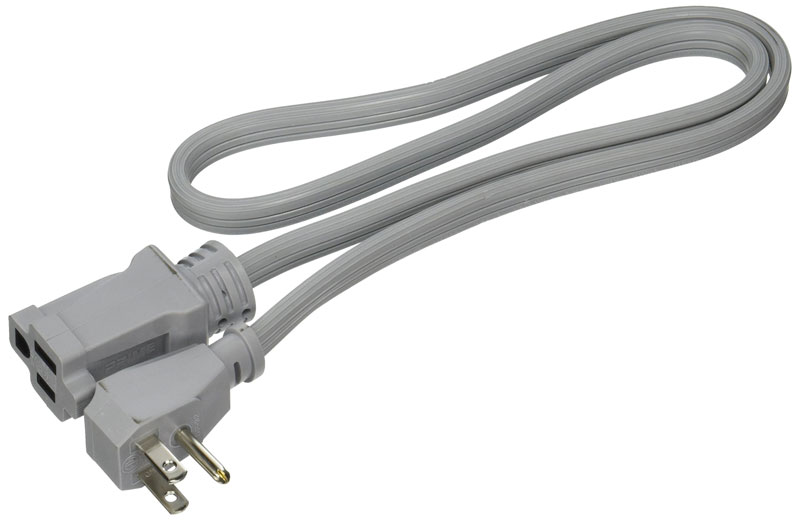
Credit: totcables.com
Safe Extension Cord Use
Using an extension cord with an air conditioner can be risky if not done right. It is important to follow safety rules to avoid electrical problems.
This guide helps you choose the right cord and place it safely to protect your home and appliances.
Choosing The Right Cord
Select an extension cord that matches your air conditioner’s power needs. The wrong cord can overheat and cause fires.
- Use a heavy-duty cord rated for air conditioner wattage.
- Check the cord’s gauge; lower numbers mean thicker wires.
- Choose a cord with a grounding pin for safety.
- Avoid using cords longer than necessary.
- Look for cords with a UL or ETL safety label.
Proper Cord Placement
How you place the extension cord affects safety. Keep it neat and clear to avoid damage or tripping hazards.
| Placement Tip | Reason |
| Keep cord away from water | Prevents electric shock |
| Do not pinch or crush the cord | Avoids damage to wires |
| Do not run cord under rugs | Prevents overheating |
| Secure cord to avoid tripping | Keeps area safe |
| Uncoil the cord fully | Prevents heat buildup |
Alternatives To Extension Cords
Extension cords are not always safe to use with air conditioners. They can cause electrical hazards and reduce the unit’s efficiency. It is better to find safer alternatives to power your air conditioner.
This guide covers two good options: installing additional outlets and using portable power stations. These methods provide reliable power without the risks of extension cords.
Installing Additional Outlets
Adding more outlets in your room or home is a safe way to power your air conditioner. A licensed electrician can install outlets close to where you need them. This reduces the need for extension cords and improves safety.
- Choose outlets with the right voltage for your air conditioner
- Use dedicated circuits to avoid overloading
- Install outlets near windows or where the unit sits
- Make sure the wiring meets local electrical codes
- Test outlets regularly for proper function
Using Portable Power Stations
Portable power stations are battery-powered devices that provide electricity without wires. They can run your air conditioner safely for a limited time. These stations are good for places without extra outlets or during power outages.
| Feature | Benefit | Consideration |
|---|---|---|
| Rechargeable Battery | Runs air conditioner without plugging in | Battery life limits usage time |
| Multiple Outlets | Power several devices at once | Check power rating matches AC needs |
| Portable Design | Easy to move around | Heavier units can be hard to carry |
Manufacturer Recommendations
Using an extension cord with an air conditioner can be risky. Many manufacturers give specific advice about this.
Following the manufacturer’s guidelines helps keep your air conditioner safe and working well.
Checking The Manual
The first step is to read the air conditioner’s manual. It often says if you can use an extension cord.
Some manuals strongly advise against extension cords. Others may allow special types that meet certain rules.
- Look for warnings about extension cords.
- Check the recommended cord length and gauge.
- Follow any instructions on cord type and power rating.
Warranty Considerations
Using an extension cord may affect your warranty. Many manufacturers do not cover damage caused by cords.
If you ignore the manual’s advice, your warranty might become invalid. This means repair costs come out of your pocket.
- Check warranty terms about extension cord use.
- Note any conditions that void the warranty.
- Contact the manufacturer for clarification if needed.

Credit: www.reddit.com
Frequently Asked Questions
Can I Safely Use An Extension Cord With My Air Conditioner?
Using an extension cord with an air conditioner is generally not recommended. Air conditioners draw high power, and most extension cords cannot handle this load safely, risking overheating or fire hazards.
What Type Of Extension Cord Is Suitable For Air Conditioners?
If necessary, use a heavy-duty extension cord rated for at least 14 gauge or lower. Ensure it supports the air conditioner’s amperage and has grounded three-prong plugs for safety.
How Long Can An Extension Cord Be For An Air Conditioner?
Keep extension cords as short as possible, ideally under 25 feet. Longer cords can cause voltage drops, reducing efficiency and increasing the risk of overheating.
What Risks Come With Using Extension Cords For Air Conditioners?
Using inappropriate extension cords can cause overheating, electrical shocks, or fire hazards. It can also damage the air conditioner’s compressor and reduce its lifespan.
Conclusion
Using an extension cord with an air conditioner is not always safe. Choose a heavy-duty cord made for high power use. Check the cord’s rating to match your air conditioner’s needs. Keep the cord short to avoid power loss. Always plug the air conditioner directly into a wall outlet when possible.
Safety and proper function come first. Avoid risks like overheating or fire. Stay cautious and protect your home and family. Your air conditioner will work best with the right setup. Simple steps can prevent big problems.