Are you wondering if your bike helmet can double as protection on the slopes? It’s a smart question because both biking and skiing come with risks, and safety is your top priority.
Using the right gear can make all the difference between a fun day and a serious injury. But can your trusty bike helmet really keep you safe while skiing? Keep reading to discover what experts say, what to watch out for, and how to choose the best helmet for your winter adventures.
Your head will thank you!

Credit: www.giro.com
Bike Helmets Vs Ski Helmets
Bike helmets and ski helmets look similar but serve different purposes. Both protect your head, yet each is made for its own sport.
Choosing the right helmet is important for safety and comfort. Let’s compare bike helmets and ski helmets to see how they differ.
Design Differences
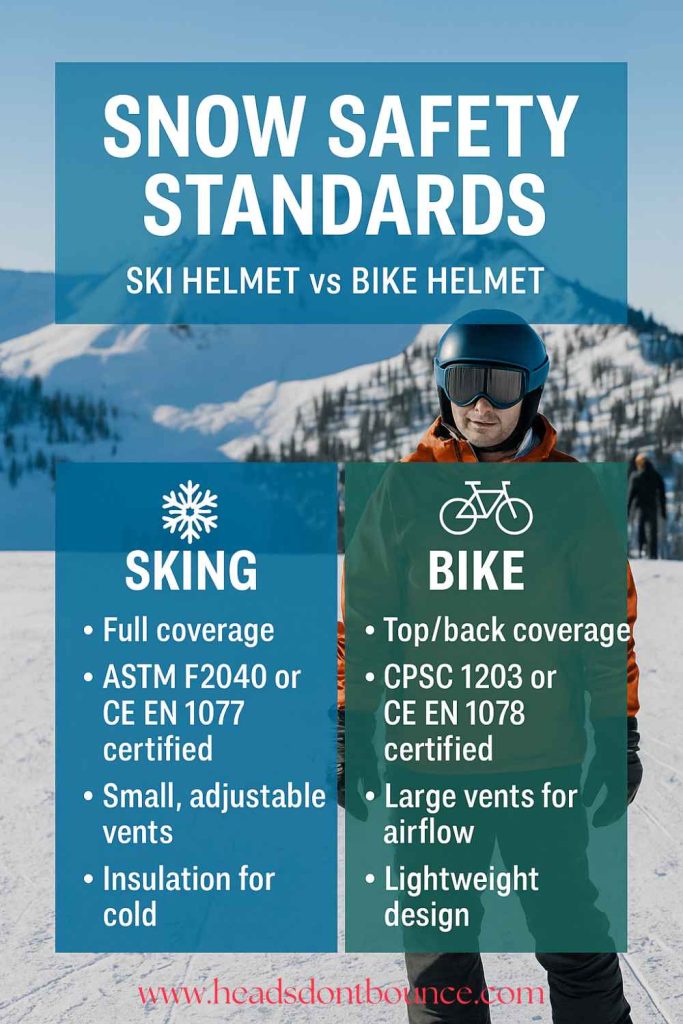
Bike helmets are lighter and have many vents to keep your head cool. Ski helmets have fewer vents to keep warmth inside.
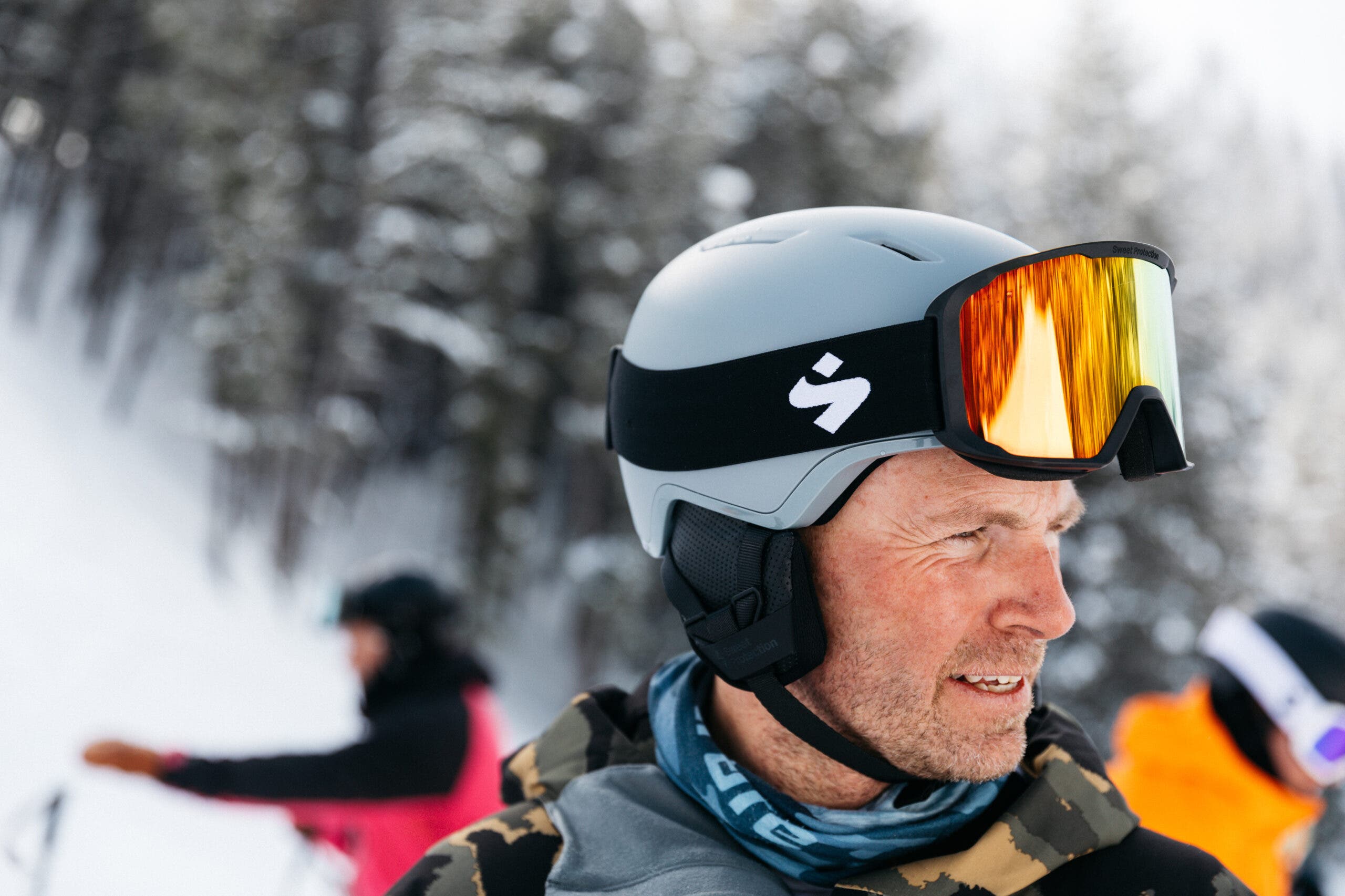
Ski helmets often cover the ears more fully. They also fit snugly to protect against cold wind and snow.
- Bike helmets: lightweight, many vents, less ear coverage
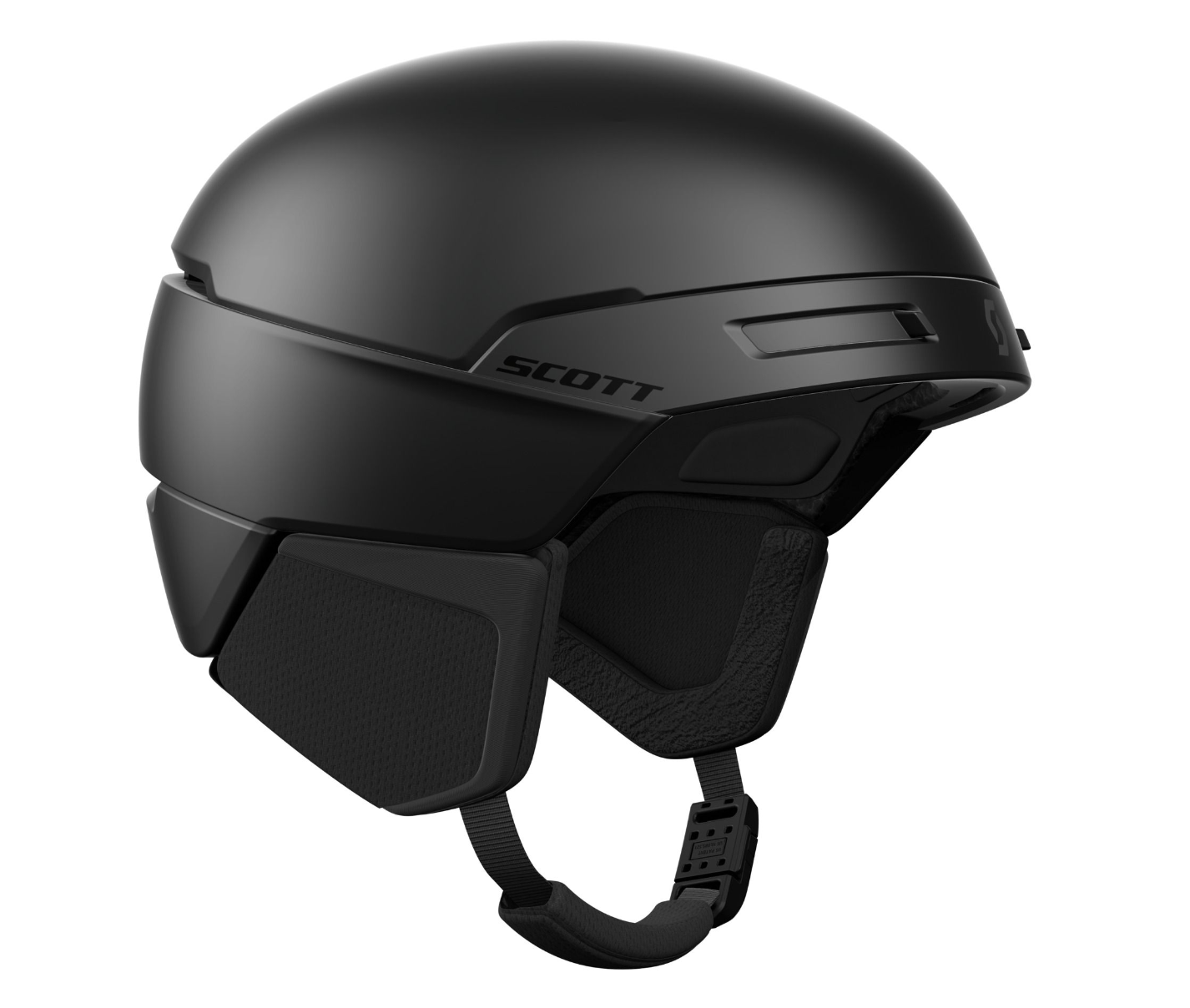
- Ski helmets: warmer, fewer vents, full ear coverage
Safety Standards
Bike helmets meet safety rules made for cycling accidents. Ski helmets follow rules for skiing crashes.
Each helmet passes tests for the types of impacts common in its sport. Using the wrong helmet may reduce safety.
- Bike helmets meet CPSC or EN1078 standards
- Ski helmets meet ASTM F2040 or CE EN1077 standards
- Standards test impact, retention, and coverage
Impact Protection
Bike helmets protect well from hits common in cycling falls. They absorb shock from direct impacts to the head.
Ski helmets handle impacts from falls on snow and collisions with objects. They are built to protect against different forces.
- Bike helmets use foam to absorb sharp impacts
- Ski helmets use foam plus a hard shell for cold weather
- Ski helmets protect better against side and rear impacts
Credit: www.skimag.com
Risks Of Using Bike Helmets For Skiing
Using a bike helmet for skiing may seem like a good idea. But bike helmets are not made for cold and snowy conditions. This can cause safety and comfort problems.
It is important to know the risks before choosing a helmet. Skiing has special needs that bike helmets do not meet.
Temperature And Weather Conditions
Bike helmets do not keep your head warm in cold weather. They lack insulation for freezing temperatures. Snow and wet conditions can make them uncomfortable.
- Bike helmets have many vents for air flow, which let cold air in.
- They do not have covers to protect against snow or rain.
- Cold air can cause frostbite or make you feel very cold.
- Wet helmets take longer to dry and can cause chills.
Coverage And Fit
Ski helmets cover more of your head and ears than bike helmets. This gives better protection from falls on ice or snow. Bike helmets may leave important areas exposed.
| Helmet Type | Coverage Area | Fit for Skiing |
| Bike Helmet | Top and sides of head only | Loose fit around ears and neck |
| Ski Helmet | Full head, ears, and back of neck | Snug fit to keep out cold and snow |
Durability On Snow
Bike helmets are made for impacts on hard surfaces like pavement. Snow and ice can cause different types of impact. Ski helmets use materials that hold up better in these conditions.
Risks of using bike helmets on snow include:
- Shell cracking or breaking more easily on icy falls
- Foam padding not designed to absorb cold impacts
- Straps and buckles freezing or losing strength
Common Safety Myths
Many people wonder if they can use bike helmets for skiing. There are several myths about helmet safety for different sports. Understanding the facts can keep you safer on the slopes and trails.
This article looks at common myths about helmets and explains why each sport needs specific safety gear.
One Helmet Fits All Sports
Some think one helmet works for all sports. This is not true. Each sport has unique risks and conditions. Helmets are made to protect against specific impacts and weather.
- Bike helmets protect mainly against falls on hard pavement.
- Ski helmets are designed for colder conditions and different impact types.
- Using the wrong helmet can reduce safety and increase injury risk.
- Helmets must fit well and meet safety standards for the sport.
Bike Helmets Are Multi-purpose
Many believe bike helmets work for many sports. While bike helmets protect well for cycling, they do not suit all activities. Each sport needs helmets made for its hazards.
| Sport | Helmet Design | Key Feature |
| Cycling | Lightweight with ventilation | Protects from falls on hard surfaces |
| Skiing | Insulated with ear coverage | Protects from cold and impacts on snow |
| Skateboarding | Thicker shell with more coverage | Protects from frequent falls and impacts |
Ski Helmets Are Just Bike Helmets With Extra Padding
Some say ski helmets are only bike helmets with more padding. This is wrong. Ski helmets have different materials and designs. They focus on cold weather and different crash impacts.
Ski helmets have features like:
- Water-resistant shells
- Added insulation
- Better ear protection
- Different certification standards
Choosing The Right Helmet For Skiing
Using a helmet while skiing is important for safety. Many wonder if bike helmets are good enough for skiing. This guide helps you pick the right helmet for skiing.
Not all helmets offer the same protection. Ski helmets have special features made for cold and impact. Learn what to look for before you buy.
Key Features To Look For
Ski helmets must protect your head from cold and falls. Look for a sturdy shell and good padding inside. The helmet should fit snugly without being too tight.
- Strong outer shell to resist impacts
- Inner foam padding to absorb shock
- Proper fit with adjustable straps
- Ear protection for cold weather
- Visor or goggles compatibility
Certifications To Check
Certifications show the helmet meets safety rules. Ski helmets have different standards than bike helmets. Check labels carefully before you buy.
| Certification | What It Means |
| ASTM F2040 | Standard for snow sports helmets |
| CE EN1077 | European ski helmet safety standard |
| CPSC | Bike helmet safety standard (not for skiing) |
Comfort And Ventilation
Comfort keeps you focused on skiing all day. Good ventilation stops your head from getting too hot. Look for helmets with adjustable vents and soft liners.
- Adjustable air vents
- Removable and washable liners
- Padded chin straps
- Lightweight design
Helmet Care And Maintenance
Proper care helps your helmet last longer and stay safe. Clean and store it right to keep it in top shape.
Check your helmet often for damage and replace it if needed. Good habits protect you on every ride or run.
Storage Tips
Store your helmet in a cool, dry place away from direct sunlight. Heat and moisture can weaken the materials over time.
- Use a soft bag or helmet case for storage
- Keep it away from chemicals and strong smells
- Avoid placing heavy items on top of the helmet
- Store it where it won’t get knocked or dropped
Cleaning Guidelines
Clean your helmet regularly to remove dirt, sweat, and oils. Use gentle methods to avoid damage to the shell and padding.
| Cleaning Step | Method |
| Remove padding | Take out removable liners and pads before cleaning |
| Wash padding | Hand wash with mild soap and cold water |
| Clean shell | Wipe with damp cloth and mild soap |
| Drying | Air dry away from heat or sunlight |
When To Replace Your Helmet
Helmets lose protection after impacts or over time. Replace your helmet if it shows signs of damage or is old.
- Replace after any crash or hard hit
- Change if the shell or straps crack or break
- Replace every 3 to 5 years, even without damage
- Check manufacturer’s advice for lifespan
Credit: www.powder.com
Frequently Asked Questions
Can Bike Helmets Protect You While Skiing?
Bike helmets offer some protection but are not designed for skiing impacts. Ski helmets have specific features for cold weather and higher-speed crashes. It’s safer to use helmets made for skiing to ensure proper protection and comfort.
Are Bike Helmets Suitable For Cold Skiing Conditions?
Bike helmets lack insulation and ventilation for cold weather. Ski helmets provide warmth and moisture management to keep you comfortable. Using a bike helmet in cold skiing conditions can cause discomfort and reduce safety.
What’s The Difference Between Bike And Ski Helmets?
Ski helmets have thicker padding and better insulation than bike helmets. They also include ear protection and are tested for different impact types. Bike helmets focus on ventilation and lightweight design, which suits cycling but not skiing.
Can I Save Money By Using A Bike Helmet For Skiing?
Using a bike helmet might save money initially but compromises safety. Ski helmets are designed to meet specific safety standards. Investing in a proper ski helmet is crucial for effective head protection on slopes.
Conclusion
Choosing the right helmet is crucial for safety. Bike helmets and ski helmets serve different purposes. Ski helmets offer better protection against cold and falls. They are designed for snowy conditions. Bike helmets lack insulation and ear coverage. This can lead to discomfort and increased risk.
Always prioritize safety on the slopes. Invest in a proper ski helmet for skiing activities. Enjoy your winter sports with peace of mind. Protecting your head is always a wise decision. Stay safe and have fun in the snow!