Are you wondering if bleach is safe to use when cleaning your refrigerator? You want your fridge to stay fresh and germ-free, but using the wrong cleaner could do more harm than good.
Imagine opening your fridge and smelling harsh chemicals or worrying if bleach residue might affect your food. You’ll discover the truth about using bleach in your refrigerator. By the end, you’ll know exactly how to clean your fridge safely and keep your food fresh without risking damage or health concerns.
Keep reading to protect your kitchen and your family!
Bleach And Refrigerator Safety
Cleaning your refrigerator is essential for food safety and hygiene. Many people wonder if bleach is safe to use inside their fridge. Understanding bleach and refrigerator safety helps avoid damage and health risks. This section explains the use of bleach in refrigerators and highlights important safety tips.
Is Bleach Safe For Fridges?
Bleach can kill germs effectively, making it a strong cleaner. It can be used to clean refrigerator surfaces if diluted properly. Use one tablespoon of bleach in one gallon of water for safe cleaning. Avoid using bleach directly without dilution as it can harm fridge materials.
Always remove food and shelves before cleaning. After applying the bleach solution, rinse the surfaces well with clean water. This step removes bleach residue and prevents chemical smells. Let the fridge air dry before putting food back inside.
Potential Risks Of Using Bleach
- Bleach can damage rubber seals and plastic parts in fridges.
- Strong bleach fumes may irritate eyes and lungs.
- Improper rinsing can leave toxic residues on surfaces.
- Mixing bleach with other cleaners can produce harmful gases.
- Overuse can cause discoloration or corrosion of fridge interiors.
Use bleach carefully and avoid frequent use. For regular cleaning, mild soap and water are safer choices. Always ensure good ventilation while cleaning with bleach.

Credit: www.reddit.com
Proper Bleach Use In Refrigerators
Using bleach in refrigerators requires care and the right approach. Proper use ensures cleanliness without harming the appliance. Follow simple rules to protect your fridge and keep it safe.
Dilution Ratios For Cleaning
Always dilute bleach before use. A common safe ratio is 1 tablespoon of bleach per 1 gallon of water. Stronger solutions can damage surfaces and cause harmful fumes. Mix the solution fresh each time you clean. This keeps it effective and safe.
Application Methods
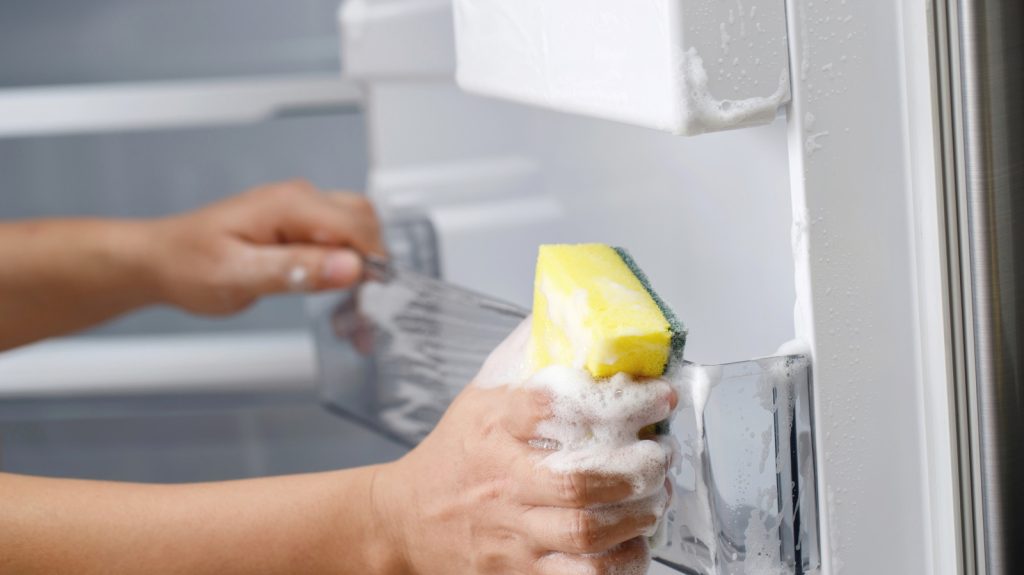
Use a soft cloth or sponge to apply the bleach solution. Avoid spraying directly inside the fridge. Wipe all surfaces gently, focusing on shelves and walls. Let the solution sit for a few minutes to kill germs. Rinse thoroughly with clean water to remove any residue. Dry the surfaces completely before turning the fridge back on.
Avoiding Damage To Seals And Components
Bleach can harm rubber seals and plastic parts. Avoid soaking these areas with bleach solution. Use a damp cloth with mild soap instead for seals. Keep bleach away from electrical components and vents. Proper care extends your fridge’s life and keeps it running well.
Alternatives To Bleach
Bleach can be harsh and overpowering in a refrigerator. It might not be the best choice for everyone. Luckily, there are alternatives that are both effective and safe. These options can keep your fridge clean and fresh without the strong smell of bleach.
Natural Cleaning Agents
Natural cleaning agents offer a gentle way to clean your fridge. They are safe for food storage areas. Here are some effective natural options:
- Baking Soda:Mix baking soda with water to form a paste. Use it to scrub away stains and odors.
- Vinegar:Vinegar is a natural disinfectant. Mix equal parts of vinegar and water. Use it to wipe down surfaces.
- Lemon Juice:Lemon juice can cut through grease and odors. Mix it with water for a refreshing clean.
These natural agents are gentle yet effective. They provide a fresh and clean environment for your fridge.
Commercial Refrigerator Cleaners
Commercial cleaners are designed specifically for refrigerators. They are effective and easy to use. Here are a few options:
- Fridge Cleaner Sprays:These sprays are available in stores. They are safe for food contact surfaces.
- Antibacterial Wipes:These wipes are handy for quick clean-ups. They kill germs and remove dirt.
- Gel Cleaners:Gel cleaners stick to vertical surfaces. They work well on tough stains.
Commercial cleaners provide convenience and efficiency. They are perfect for maintaining a spotless refrigerator.
Step-by-step Refrigerator Cleaning
Cleaning a refrigerator properly keeps food safe and fresh. Using bleach can help kill germs and remove stains. Follow these steps to clean your fridge safely and well. Each part is important for a thorough clean.
Preparing The Fridge
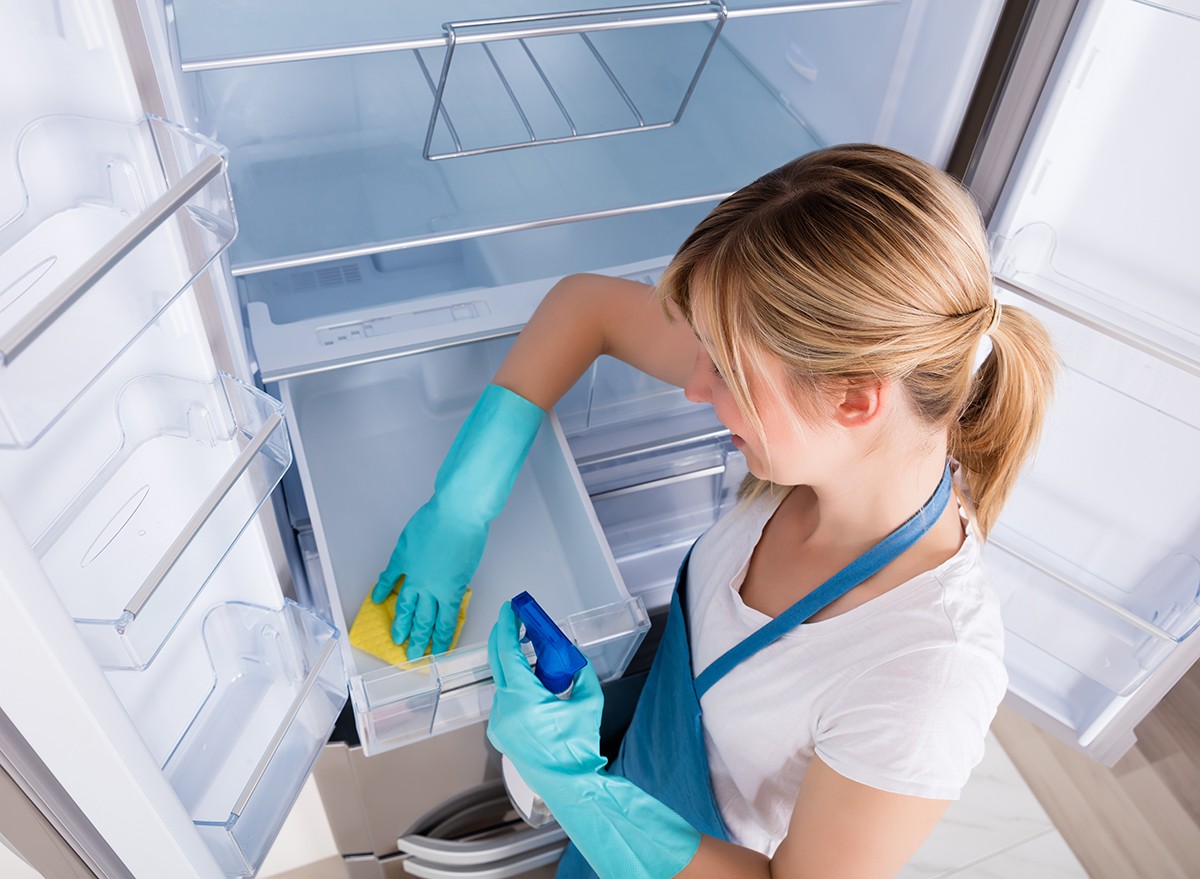
Start by unplugging the refrigerator. Remove all food items and place them in a cooler. Take out shelves, drawers, and any removable parts. Lay down old towels or newspapers to catch drips. Wear gloves to protect your hands from bleach.
Cleaning Process With Bleach
Mix one tablespoon of bleach with one gallon of warm water. Use a sponge or cloth to apply the solution inside the fridge. Clean all surfaces, including walls, shelves, and drawers. Avoid using too much bleach to prevent strong odors. Do not spray directly; always apply with a cloth or sponge.
Rinsing And Drying
Wipe all surfaces with a clean cloth dipped in plain water. This removes bleach residue and prevents damage. Dry shelves and drawers completely with a dry towel. Let the fridge air out for a few minutes before putting parts back. Plug in the refrigerator and return the food once dry.
Safety Precautions During Cleaning
Cleaning your refrigerator with bleach requires careful attention to safety. Bleach is strong and can irritate your skin, eyes, and lungs. Taking safety precautions helps protect your health and keeps the cleaning process safe. Follow simple steps to reduce risks and ensure a safe environment while cleaning.
Ventilation Tips
- Open windows and doors to let fresh air in.
- Use a fan to move air out of the room.
- Avoid cleaning in small, closed spaces without airflow.
- Keep the refrigerator door open to air it out.
Protective Gear Recommendations
- Wear rubber gloves to protect your hands from bleach.
- Use safety goggles to shield your eyes from splashes.
- Consider wearing a mask to avoid breathing in fumes.
- Wear old clothes that cover your skin completely.
- Keep a towel nearby to wipe off any bleach spills quickly.
Credit: www.chowhound.com
Maintaining A Fresh And Clean Fridge
Keeping your refrigerator fresh and clean is key to food safety and extending the life of your appliance. A clean fridge not only looks inviting but also prevents the growth of bacteria and reduces unpleasant odors. Taking simple steps regularly can make a big difference in maintaining a hygienic environment for your food.
Regular Cleaning Schedule
Set a cleaning routine that fits your lifestyle. Aim to wipe down shelves and drawers at least once a month. This helps remove spills before they become stubborn stains and prevents the buildup of grime.
Don’t forget to clean door seals and knobs—they often collect dirt and bacteria unnoticed. Empty your fridge regularly to check expiration dates and toss spoiled items. This habit keeps your fridge organized and minimizes bad smells.
Preventing Odors And Bacteria
Odors in your fridge can come from many sources, such as spoiled food or spills. Use baking soda in an open container inside your fridge to absorb unwanted smells effectively.
To fight bacteria, clean surfaces with a mild detergent mixed with water after removing food. Avoid harsh chemicals that can leave harmful residues. If you choose to use bleach, dilute it heavily and rinse thoroughly to keep your fridge safe.
Ask yourself: How often do you really clean your fridge? Small efforts, like wiping spills immediately and checking food regularly, can prevent bigger problems. Your fridge will thank you with fresher food and fewer odors.
Credit: bestlifeonline.com
Frequently Asked Questions
Can You Safely Use Bleach To Clean A Refrigerator?
Yes, you can use a diluted bleach solution to clean your fridge. Use one tablespoon of bleach per gallon of water. Always rinse thoroughly and air dry to avoid chemical residue on surfaces.
Is Bleach Effective For Disinfecting Refrigerator Surfaces?
Bleach is highly effective at killing bacteria and mold in refrigerators. It helps maintain hygiene and prevent odors. However, always dilute bleach properly to avoid damaging surfaces.
What Precautions Should I Take When Using Bleach In A Fridge?
Wear gloves and ensure good ventilation when using bleach. Avoid mixing bleach with other cleaners. Rinse all surfaces well to remove bleach residue before storing food.
Can Bleach Damage Refrigerator Components Or Seals?
Improper use of bleach can damage rubber seals and plastic parts. Always use a diluted solution and avoid soaking seals. Wipe gently to preserve fridge integrity.
Conclusion
Bleach can clean your refrigerator but use it with care. Always dilute bleach before applying it to avoid damage. Rinse the surfaces well to remove any bleach smell. Never mix bleach with other cleaners, as it can create harmful fumes.
Let the fridge dry completely before putting food back inside. Safe cleaning keeps your fridge fresh and healthy. Regular cleaning helps prevent bacteria and odors. Simple steps make your fridge safe and clean.