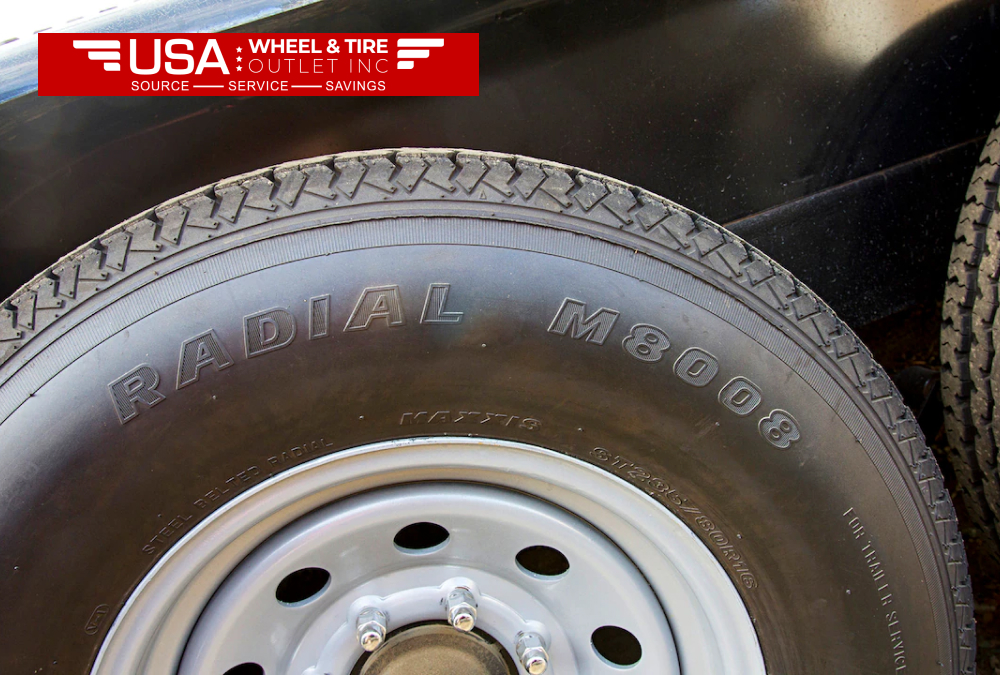
Are you wondering if you can use car tires on a trailer? It’s a question many people ask when they want to save money or make quick fixes.
But not all tires are created equal, and using the wrong ones could lead to trouble on the road. You need to know the risks, benefits, and what experts recommend before making a decision. Keep reading to find out everything you should consider to keep your trailer safe and your journey smooth.

Credit: www.youtube.com
Differences Between Car And Trailer Tires
Car tires and trailer tires look similar but have many differences. It is important to know these differences before using car tires on a trailer.
Trailer tires are made for carrying heavy loads and towing. Car tires are designed for driving and handling on roads.
Tire Construction
Trailer tires have stronger sidewalls than car tires. This helps them handle heavy loads without bending or breaking.
Car tires have flexible sidewalls to improve comfort and steering. This can cause damage if used on trailers.
Load Capacity
Trailer tires have a higher load rating than car tires. They can support more weight for towing safely.
Car tires are made to carry the weight of a vehicle and passengers, not heavy trailers.
| Tire Type | Load Capacity |
|---|---|
| Trailer Tires | Higher, designed for heavy loads |
| Car Tires | Lower, designed for vehicle weight |
Tread Pattern And Design
Trailer tires usually have a simple tread pattern. This reduces heat and wear during towing.
Car tires have complex tread patterns for grip and traction on roads. This is not needed for trailers.
Speed Rating
Trailer tires have lower speed ratings. They are built to handle slow towing speeds safely.
Car tires have higher speed ratings for driving at faster speeds on highways.
Heat Resistance
Trailer tires resist heat better than car tires. Heat builds up during towing and can damage car tires.
Car tires are not designed to handle the constant heat from heavy trailer loads.

Credit: www.fourwindstrailers.com
Load Capacity And Weight Distribution
Using car tires on a trailer requires careful thought about load capacity. Trailers carry different weights than cars. This affects tire safety and performance.
Weight distribution also matters. It changes how tires handle the load. Proper balance keeps tires from wearing out fast or failing.
Load Capacity Differences
Car tires have lower load ratings than trailer tires. Trailers often carry heavy loads for long distances. Using car tires can cause them to overheat or break.
- Car tires are designed for lighter loads.
- Trailer tires have stronger sidewalls.
- Trailer tires handle heavy weight better.
- Using the wrong tire risks accidents.
Weight Distribution Impact
Weight must spread evenly on the trailer axle. Uneven weight causes stress on tires. This leads to faster wear or blowouts. Proper loading protects tires and improves safety.
| Factor | Car Tire | Trailer Tire |
| Load Capacity | Lower | Higher |
| Sidewall Strength | Less stiff | More stiff |
| Heat Resistance | Lower | Higher |
| Weight Distribution | Less critical | Very critical |
Tire Construction And Design
Tires for cars and trailers are made differently. Their construction affects safety and performance.
Understanding tire design helps you choose the right tire for your trailer.
Radial Vs. Bias Ply Tires
Radial tires have cords that run across the tire from side to side. Bias ply tires have cords that run diagonally.
Radial tires offer better traction and last longer. Bias ply tires have stronger sidewalls and can carry heavier loads.
- Radial tires: flexible, smooth ride, better fuel efficiency
- Bias ply tires: stiff, durable sidewalls, good for heavy loads
Sidewall Strength
Sidewalls protect the tire from damage and support the load. Trailer tires need stronger sidewalls than car tires.
Car tires have softer sidewalls for comfort. Trailer tires use stiff sidewalls to handle weight and rough roads.
- Strong sidewalls prevent tire damage on trailers
- Softer sidewalls improve comfort in car tires
- Using car tires on trailers may risk tire failure

Credit: www.youtube.com
Tire Pressure Requirements
Using the right tire pressure is very important for trailer safety. Tires need the correct air level to carry loads well and prevent damage.
Car tires and trailer tires have different pressure needs. This guide explains how to handle tire pressure for trailers.
Recommended Tire Pressure For Trailers
Trailer tires usually require higher pressure than car tires. This helps support heavy loads and avoid tire failure.
- Check the tire sidewall for maximum pressure limits.
- Use the trailer manufacturer’s recommended pressure if available.
- Do not use car tire pressure settings on trailer tires.
- Maintain tire pressure before every trip for safety.
Differences Between Car And Trailer Tire Pressures
Car tires usually run between 30 and 35 PSI. Trailer tires often need 50 PSI or more.
| Type of Tire | Typical Pressure Range (PSI) |
| Passenger Car Tire | 30 – 35 |
| Light Trailer Tire | 35 – 50 |
| Heavy Trailer Tire | 50 – 80+ |
Checking And Maintaining Tire Pressure
Check tire pressure when tires are cold. Use a reliable pressure gauge. Inflate tires to the recommended level.
- Park trailer on a flat surface.
- Remove valve caps from tires.
- Press tire gauge firmly on valve stem.
- Read the pressure value.
- Add air or release air as needed.
- Replace valve caps securely.
Risks Of Incorrect Tire Pressure On Trailers
Low tire pressure causes tire overheating and blowouts. High pressure can lead to a harsh ride and tire damage.
Important:Always follow trailer tire pressure guidelines, not car tire standards. Using car tires on trailers requires adjusting pressure to trailer specs.
Legal And Safety Considerations
Using car tires on a trailer raises important legal and safety questions. You must understand these before making any changes.
This guide covers key rules and safety tips to help you decide if car tires are suitable for your trailer.
Legal Requirements For Trailer Tires
Tire laws vary by location but often require specific tire types on trailers. Using car tires may not meet these rules.
- Check local vehicle codes for trailer tire standards.
- Trailers usually need tires rated for heavy loads.
- Car tires may lack proper load ratings and markings.
- Non-compliant tires can lead to fines or failed inspections.
Safety Risks Of Using Car Tires On Trailers
Car tires differ from trailer tires in design and strength. Using them on trailers can cause safety problems.
| Risk | Explanation |
| Load Capacity | Car tires may not support the trailer’s weight. |
| Heat Build-up | Car tires can overheat under trailer loads, causing blowouts. |
| Wear Pattern | Car tires wear unevenly on trailers, reducing lifespan. |
| Handling | Car tires may affect trailer stability and control. |
How To Choose The Right Tires For Trailers
Select tires designed specifically for trailers. These tires have special features to keep you safe.
- Look for tires with “Trailer” or “ST” marking.
- Check the load rating matches your trailer’s weight.
- Choose tires with proper speed ratings.
- Inspect tires regularly for damage or wear.
What To Do If You Must Use Car Tires
If you must use car tires temporarily, follow safety tips to reduce risks.
- Check the load index to ensure it can carry the trailer’s weight.
- Drive slower than usual to reduce heat and wear.
- Inspect tires before every trip for cracks or bulges.
- Replace car tires with trailer tires as soon as possible.
Impact On Trailer Performance
Using car tires on a trailer can affect how the trailer works. Tires made for cars have different features than trailer tires.
These differences can change how the trailer handles, how stable it is, and how much fuel you use.
Handling And Stability
Car tires are built for steering and comfort on cars, not for carrying heavy loads like trailers.
This can cause less control and less stability when towing. The trailer may sway more and feel less safe.
- Car tires have softer sidewalls that flex more.
- Trailer tires have stronger sidewalls for heavy loads.
- Using car tires can lead to more trailer sway.
Fuel Efficiency
Car tires may not roll as efficiently when used on trailers. This can increase fuel use while towing.
Trailer tires are designed to reduce rolling resistance, saving fuel over long trips.
- Car tires can cause more drag on the road.
- Trailer tires help improve fuel economy.
- Choosing the right tires helps lower fuel costs.
Common Myths And Misconceptions
Many people wonder if car tires are safe to use on trailers. There are several myths about this topic. It is important to know the facts before making a choice.
This article clears up some common misunderstandings about using car tires on trailers.
Car Tires Are The Same As Trailer Tires
Some believe car tires and trailer tires are the same. This is not true. Trailer tires are designed to carry heavier loads and handle different stresses.
Car tires have sidewalls made for steering and braking. Trailer tires have stiffer sidewalls to prevent sway and wear.
Using Car Tires On Trailers Is Always Unsafe
People often say it is unsafe to use car tires on trailers. This is not always correct. It depends on the tire size, load rating, and tire condition.
If car tires meet or exceed the trailer’s load and speed needs, they can be safe. But it is best to check the tire’s specifications carefully.
Trailer Tires Are More Expensive Without Good Reason
Many think trailer tires cost more only because of branding. Trailer tires cost more because they are built differently.
They have stronger materials and special construction. This helps them carry heavy loads and last longer on trailers.
Car Tires Can Handle Trailer Weight Easily
Some assume all car tires can easily handle the weight of a trailer. This is a mistake. Trailer loads can be much heavier than car loads.
Using tires with a lower load rating than needed can cause tire failure. Always check the load rating before using car tires on trailers.
You Can Use Any Size Car Tire On A Trailer
It is a myth that any size car tire fits a trailer. Tire size must match the trailer rim and suspension requirements.
Wrong tire size can cause poor handling, uneven wear, or damage to the trailer. Always use the right tire size for safety.
Expert Recommendations
Using car tires on a trailer can seem like a simple solution. Many people wonder if it is safe or suitable. Experts have clear advice on this topic to help you make the right choice.
This guide covers key points from experts about using car tires on trailers. It includes safety, durability, and legal aspects.
Safety Considerations
Experts warn that car tires may not be designed to carry trailer loads. Trailer tires have different construction to handle heavy weight.
- Car tires may wear faster under trailer loads
- They might overheat during long trips
- Risk of tire failure is higher if loads exceed limits
- Trailer tires have stronger sidewalls for stability
Durability And Performance
Trailers often carry heavy or uneven loads. Tire durability matters to avoid blowouts or accidents.
| Type of Tire | Designed Load Capacity | Sidewall Strength | Recommended Use |
| Car Tires | Lower | Standard | Passenger vehicles only |
| Trailer Tires | Higher | Reinforced | Trailers and heavy loads |
Legal And Warranty Issues
Using car tires on trailers can affect insurance and warranties. Some states require specific trailer tires by law.
- Check local laws for trailer tire requirements
- Using wrong tires may void your trailer warranty
- Insurance claims might be denied after accidents
- Always use tires that match trailer manufacturer recommendations
Expert Tips For Choosing Trailer Tires
Experts suggest these tips when selecting tires for trailers:
- Choose tires marked “ST” (Special Trailer) for trailers.
- Match tire load ratings to your trailer’s weight.
- Inspect tires regularly for damage and wear.
- Replace tires every 5-7 years regardless of use.
- Check tire pressure before every trip.
Alternatives To Car Tires For Trailers
Using car tires on trailers is not always the best choice. Trailers often need tires made for heavier loads and different road conditions.
This guide explores good alternatives to car tires for trailers. Each option has its own benefits and uses.
Trailer-specific Tires
Trailer tires are designed to carry heavy loads and handle trailer sway. They have thicker sidewalls than car tires to prevent damage.
Light Truck Tires
Light truck tires can work well on trailers. They are built stronger than car tires and handle heavier weights.
Commercial Trailer Tires
Commercial trailer tires are made for very heavy trailers. They offer high durability and stability for long trips.
Specialized Off-road Trailer Tires
Off-road trailer tires are ideal for rough terrain. They have deeper treads and tougher construction for dirt and rocks.
- Stronger sidewalls to prevent punctures
- Better traction on loose surfaces
- Designed to support heavy loads
Comparing Tire Types For Trailers
| Tire Type | Load Capacity | Best Use |
| Car Tires | Low | Light passenger vehicles only |
| Trailer Tires | Medium | Standard trailers |
| Light Truck Tires | Medium-High | Heavier trailers and trucks |
| Commercial Trailer Tires | High | Large commercial trailers |
| Off-Road Trailer Tires | Medium-High | Rough terrain trailers |
Frequently Asked Questions
Can Car Tires Safely Be Used On Trailers?
Car tires are not designed for trailer loads or heat buildup. Using them on trailers can cause premature wear or failure. Trailer tires have stronger sidewalls and specific load ratings. It’s safer and more reliable to use tires made specifically for trailers.
What’s The Difference Between Car And Trailer Tires?
Trailer tires have stiffer sidewalls and higher load capacity. They handle the constant side loads from trailer sway better. Car tires are designed for steering and braking, which differ from trailer needs. Using trailer tires improves safety and tire longevity on trailers.
Will Car Tires Wear Out Faster On Trailers?
Yes, car tires wear faster on trailers due to improper sidewall strength. Trailer tires are built to resist heat and flexing under heavy loads. Using car tires on trailers can lead to uneven wear and potential blowouts, reducing tire lifespan significantly.
Are Trailer Tires More Expensive Than Car Tires?
Trailer tires can be slightly more expensive but offer better durability and safety. Their construction and load ratings justify the cost. Investing in trailer tires prevents costly accidents and tire replacements. It’s a cost-effective choice over time.
Conclusion
Car tires and trailer tires serve different purposes. Using car tires on a trailer can cause safety problems. Trailer tires have stronger sidewalls for heavy loads. Car tires may wear out faster on trailers. Always check your trailer’s weight and tire limits.
Choosing the right tires keeps your ride safe. Proper tires help avoid accidents and damage. Think carefully before using car tires on trailers. Safe tires make towing easier and more reliable.