Have you ever wondered if you can safely use your beloved cast iron skillet on a sleek glass cooktop? You’re not alone.
Many home cooks face this dilemma, torn between the robust cooking benefits of cast iron and the delicate surface of a glass stove. This question isn’t just about preserving your kitchen’s aesthetic or avoiding costly damages. It’s about unlocking the full potential of your cooking tools, without compromise.
We’ll delve into the compatibility of cast iron with glass cooktops, empowering you with the knowledge to make the best choice for your culinary adventures. Ready to discover the truth and elevate your cooking game? Let’s dive in!
Credit: www.whirlpool.com
Cast Iron And Glass Cooktops
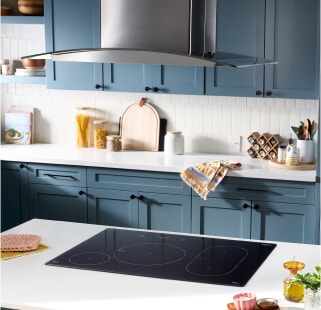
Cast iron cookware is popular for its durability and heat retention. Many home cooks wonder if cast iron works on glass cooktops. Glass cooktops are sleek and modern but require care. Understanding both cast iron and glass cooktop properties helps avoid damage and cooking issues.
Properties Of Cast Iron Cookware
- Heavy and sturdy with rough surfaces
- Retains heat evenly for steady cooking
- Can scratch delicate surfaces if dragged
- Requires seasoning to prevent rust
- Thick base may cause uneven heat on glass
Features Of Glass Cooktops
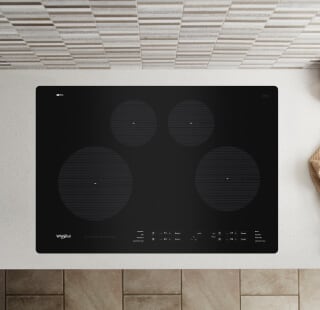
- Made from smooth, tempered glass
- Offers fast, even heating with radiant elements
- Surface is easy to clean but scratches easily
- Needs flat-bottomed cookware for best contact
- Heavy pots can cause cracks if dropped
Potential Risks Of Using Cast Iron
Using cast iron on a glass cooktop has some risks you should know. Cast iron is heavy and rough. This can cause damage to the smooth glass surface. It also heats differently than other pans. These factors may affect cooking and the cooktop’s lifespan.
Scratching And Surface Damage
Cast iron pans have a rough bottom. This can scratch the glass cooktop easily. Dragging the pan across the surface makes scratches worse. These marks may be permanent. Scratches can make cleaning harder and damage the cooktop’s look.
Heat Distribution Concerns
Cast iron holds heat very well. But it heats up slowly. This may cause uneven cooking on a glass cooktop. The glass surface can also get very hot. Rapid heating or cooling can stress the glass. This might cause cracks or breakage over time.
Weight And Handling Issues
Cast iron pans are heavy. This weight puts extra pressure on the glass. Dropping a heavy pan can crack or shatter the cooktop. Lifting and moving cast iron needs care. Slamming it down or dropping it can cause serious damage.
Safety Tips For Cast Iron On Glass
Using cast iron on a glass cooktop can be safe if you handle it carefully. Glass surfaces are smooth but fragile, so a few simple habits can prevent scratches or cracks. Let’s dive into some practical safety tips that protect both your cast iron and your glass cooktop.
Proper Cleaning Techniques
After cooking, avoid letting food residue sit on your glass cooktop. Use a soft, damp cloth to wipe away spills while the surface is still warm but not hot. For tougher stains, apply a gentle cooktop cleaner and scrub lightly with a non-abrasive sponge.
Never use steel wool or harsh scrubbing pads. These can scratch the glass and damage your cast iron’s seasoning. Instead, soak the cast iron pan in warm water and use a brush or soft sponge to clean it thoroughly.
Avoiding Abrasive Movements
Sliding cast iron pans across the glass surface is risky. The heavy weight combined with rough movement can cause scratches or cracks. Always lift your pan when moving it rather than dragging it.
Try to place your pan gently on the cooktop to avoid impact damage. If your cast iron has rough or rusty edges, consider smoothing them out or restoring the seasoning to reduce friction.
Using Protective Barriers
Consider using a silicone mat or a thin, heat-resistant barrier between your cast iron and the glass cooktop. This extra layer cushions the pan and prevents direct contact that might scratch the surface.
Some cooks use a sheet of parchment paper or a special glass cooktop protector. These options can keep your cooktop looking new longer and give you peace of mind when cooking.

Credit: kitchengearexpert.com
Benefits Of Cast Iron On Glass Cooktops
Using cast iron on a glass cooktop offers several benefits that might surprise you. While many worry about potential damage, cast iron can actually enhance your cooking experience if handled correctly. Let’s dive into the advantages that make cast iron a valuable companion for your glass surface.
Heat Retention Advantages
Cast iron holds heat exceptionally well, which means your food cooks evenly and stays warm longer after removing it from the heat. This steady heat reduces the chances of hot spots that can cause uneven cooking on your glass cooktop.
Have you noticed how your cast iron skillet feels heavy and solid? That weight is part of why it retains heat so effectively, helping you maintain consistent temperatures. It’s perfect for simmering sauces or searing meats without constantly adjusting the heat.
Durability And Longevity
Cast iron is tough and built to last. Unlike thinner pans, it resists warping and damage over time, so you can count on it for years—even decades—of use on your glass cooktop.
Taking care of your cast iron with regular seasoning keeps it non-stick and rust-free, extending its lifespan. Plus, its durability means you don’t have to replace your cookware often, saving money and reducing waste.
Alternative Cookware Options
If you’re wondering about the best cookware for your glass cooktop beyond cast iron, several options offer great performance without risking damage. Choosing the right material can make cooking easier and keep your cooktop looking new. Let’s look at some alternatives that balance efficiency and care.
Best Materials For Glass Cooktops
Glass cooktops do well with cookware that has flat, smooth bottoms. This ensures even heat distribution and prevents scratching. Here are some top materials to consider:
- Stainless Steel:Durable and responsive, it works well if the base is thick and flat. Avoid cheap, thin pans that can warp.
- Aluminum:Lightweight and excellent for heat conduction. Look for anodized aluminum or those with a smooth base to protect the surface.
- Copper:Offers quick and precise temperature control. However, it usually comes with a stainless steel base to avoid damaging the glass.
- Non-stick Cookware:Often made with aluminum bases, these are gentle on glass tops and easy to clean.
Comparing Performance And Care
Each material affects your cooking and maintenance routine differently. Stainless steel heats well but can be tricky if food sticks easily. Non-stick pans help reduce cleanup time but need gentle handling to avoid scratching.
Aluminum pans heat quickly but may warp if overheated, so watch your cooking temperature. Copper offers the best control but requires polishing to keep its shine, which might not suit everyone’s schedule.
Think about your cooking style and how much effort you want to put into upkeep. Do you prioritize ease of cleaning or precise temperature control? Your choice in cookware can make a big difference in your daily kitchen experience.
Credit: www.whirlpool.com
Frequently Asked Questions
Can Cast Iron Damage A Glass Cooktop?
Cast iron can scratch or crack glass cooktops if dragged or dropped. Always lift the cookware to prevent damage. Use smooth-bottomed cast iron and avoid rough handling for safety and longevity of your cooktop surface.
Is Cast Iron Safe To Use On Glass Cooktops?
Yes, cast iron is safe on glass cooktops if handled carefully. Avoid sliding the pan and use moderate heat. Proper care helps protect both the cookware and the cooktop from damage.
How To Prevent Scratches From Cast Iron Cookware?
Lift cast iron pots instead of sliding them across the glass cooktop. Clean the bottom to remove rough particles before use. Using a protective mat or felt pads can also reduce scratches.
Can Cast Iron Cause Cracks On Glass Cooktops?
Cracks may occur if cast iron is dropped or moved roughly on the glass. Avoid sudden impacts and heavy force to prevent cracks. Gentle handling ensures your cooktop stays intact.
Conclusion
Cast iron can work on a glass cooktop, but with care. Its heavy weight and rough bottom may scratch the surface. Always lift pots instead of sliding them. Use smooth, flat-bottomed cast iron for better contact. Clean both the cooktop and the pan regularly.
Taking these steps helps protect your cooktop and keeps cooking safe. Choose wisely and handle cast iron gently to enjoy good cooking results. Small actions make a big difference.