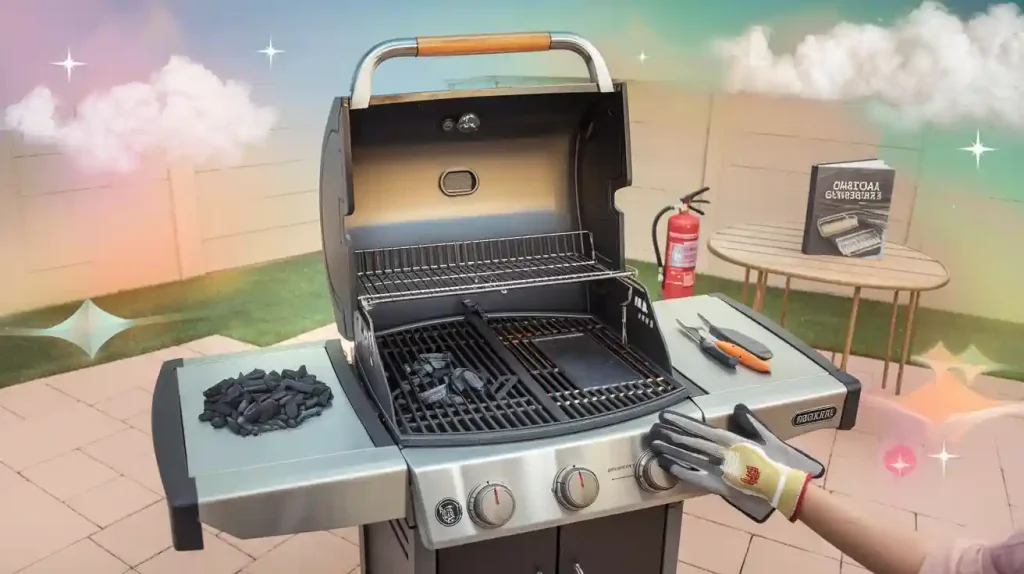
Are you curious if you can use charcoal in your gas grill? Maybe you love the smoky flavor charcoal brings but don’t want to give up the convenience of gas.
Or perhaps you’re wondering if mixing the two is even safe or effective. You’re not alone—many grill lovers ask the same question. You’ll discover the truth about using charcoal in a gas grill, what works, what doesn’t, and how to get the best grilling experience possible.
Keep reading, because what you learn might change the way you fire up your grill forever.
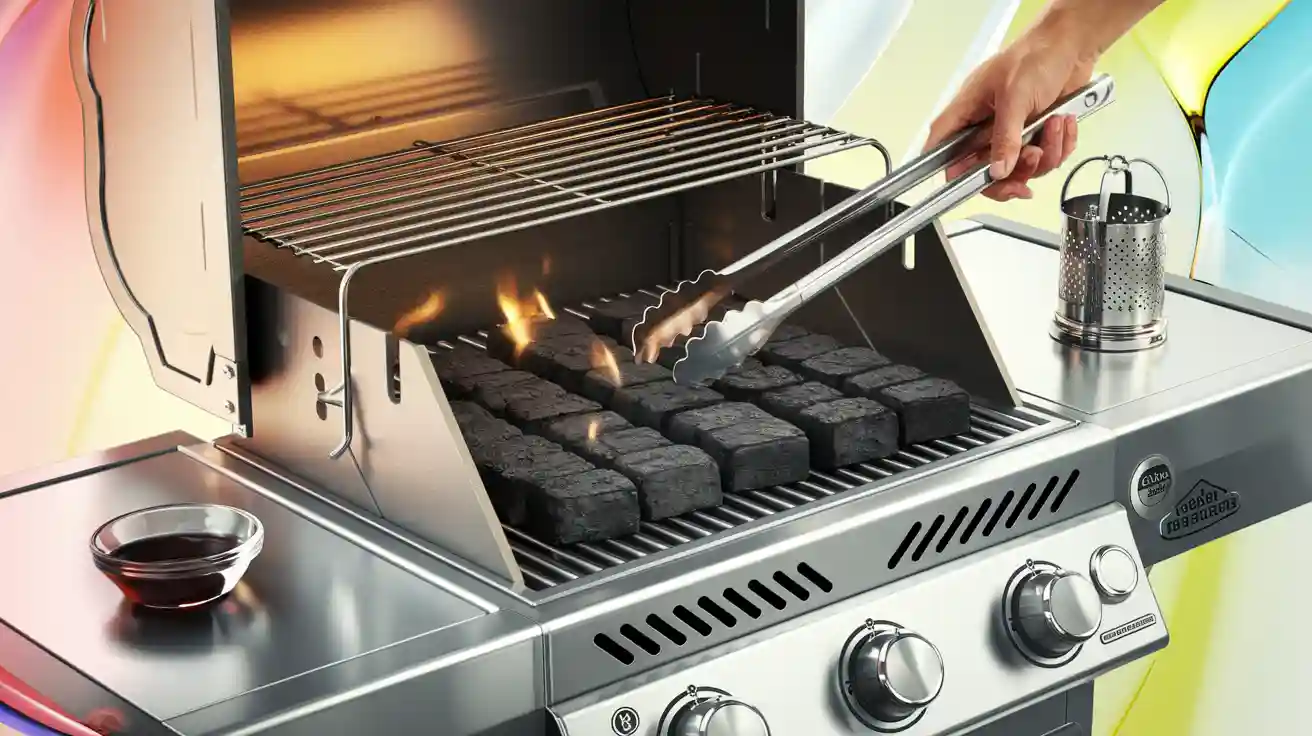
Credit: www.siuhaau.com
Charcoal Vs Gas Grills
Many people enjoy grilling outdoors. Choosing between charcoal and gas grills is common. Each type offers a different cooking experience.
This guide explains the key differences and the pros and cons of each grill type. It helps you understand how charcoal and gas grills compare.
Key Differences
Charcoal grills use charcoal briquettes or lump charcoal as fuel. Gas grills run on propane or natural gas. This changes how they heat and cook food.
| Feature | Charcoal Grill | Gas Grill |
| Fuel Type | Charcoal briquettes or lump charcoal | Propane or natural gas |
| Heat Control | Manual, by adjusting airflow and charcoal amount | Easy, with knobs and dials |
| Setup Time | Longer, needs charcoal lighting and ash cleanup | Shorter, quick ignition |
| Flavor | Smoky, rich flavor | Cleaner, less smoky flavor |
| Temperature Range | High heat, but harder to maintain steady temps | Consistent, adjustable heat |
Pros And Cons
Both charcoal and gas grills have benefits and drawbacks. The choice depends on your cooking style and needs.
- Charcoal Grill Pros:Adds smoky flavor, typically cheaper, reaches high heat.
- Charcoal Grill Cons:Takes longer to start, harder to control temperature, produces ash.
- Gas Grill Pros:Quick start, easy temperature control, cleaner cooking process.
- Gas Grill Cons:Usually more expensive, less smoky flavor, needs gas supply.

Credit: www.siuhaau.com
Feasibility Of Using Charcoal In Gas Grills
Many people wonder if charcoal can be used in a gas grill. Gas grills are designed to use propane or natural gas as fuel. Charcoal burns differently and needs a different setup.
Using charcoal in a gas grill is possible but needs care. You must think about how the grill is built and safety risks. Not all gas grills work well with charcoal.
Design Considerations
Gas grills have metal burners and gas lines inside. Charcoal needs a place to sit and air to flow. The grill must hold the charcoal safely without blocking gas parts.
Some gas grills have a charcoal tray or area below the burners. If your grill lacks this, you can add a charcoal tray that fits. Avoid placing charcoal directly on gas burners.
- Check if the grill has a charcoal tray or grate
- Use a heat-resistant container for charcoal
- Ensure air vents allow good airflow
- Avoid blocking gas burners or controls
- Use the grill only in an open area
Safety Concerns
Using charcoal in a gas grill can cause fire hazards. Gas lines may leak if exposed to heat from charcoal. Hot charcoal can damage parts not made for it.
Always check for gas leaks before lighting charcoal. Never use charcoal and gas at the same time. Use heatproof gloves and tools to handle hot charcoal safely.
- Do not mix charcoal with gas ignition
- Keep gas valves closed when using charcoal
- Check for gas leaks regularly
- Use the grill outdoors only
- Keep a fire extinguisher nearby
Methods To Use Charcoal In Gas Grills
You can use charcoal in a gas grill to add smoky flavor to your food. There are safe and simple ways to do this without damaging your grill.
Using charcoal in a gas grill needs careful placement and the right tools. These methods help you enjoy charcoal flavor while using your gas grill.
Charcoal Trays And Baskets
Charcoal trays and baskets hold the charcoal inside your gas grill. They keep the charcoal separate from the gas burners.
Place the tray or basket on the grill grates. Light the charcoal safely and let it burn until ready.
- Use a metal tray or basket made for charcoal
- Keep it above the gas burners, not on them
- Make sure air can flow around the charcoal
- Remove gas burners’ heat shields if needed
- Light charcoal with a chimney starter or lighter
Direct Placement Techniques
You can place charcoal directly on the grill grates in some gas grills. This method gives strong smoky flavor but needs care.
Put charcoal on one side of the grill and turn on the gas burner on the other side. This creates indirect heat and protects the gas parts.
- Arrange charcoal in a pile on one side of the grill
- Turn on gas burners on the opposite side only
- Use grill lid to keep heat and smoke inside
- Watch the charcoal to avoid flare-ups or damage
- Clean grill after use to remove ashes and residue
Benefits Of Combining Charcoal And Gas
Using both charcoal and gas in your grill can enhance your cooking. You get the best of both worlds with better flavor and control.
This combination lets you enjoy the rich taste of charcoal while managing heat easily with gas. Let’s explore the benefits.
Flavor Enhancements
Charcoal adds a smoky flavor to your food that gas alone can’t provide. This mix of cooking fuels brings out the best in meats and vegetables.
- Charcoal creates a distinct, smoky taste
- Gas ensures consistent cooking temperatures
- Food gets a unique sear and aroma
Temperature Control
Using both charcoal and gas, you have better control over cooking temperatures. This allows you to cook different foods perfectly.
| Fuel Type | Temperature Control |
| Charcoal | Hot, uneven heat |
| Gas | Easy to adjust |
| Combined | Best of both |
Potential Risks And How To Avoid Them
Using charcoal in a gas grill can cause safety and maintenance issues. It is important to know the risks before trying it.
This guide explains fire hazards and damage risks. Follow tips to keep your grill safe and working well.
Fire Hazards
Charcoal burns hotter and longer than gas. This can cause fires if not managed carefully. Gas grills are not built for charcoal heat.
- Charcoal may cause flare-ups and uncontrolled flames.
- Hot embers can fall through the grill and start fires below.
- Gas grill vents may block heat, causing pressure and sparks.
- Using charcoal can damage the ignition system and gas lines.
- Charcoal ash can clog vents, causing smoke and fire risks.
Always keep a fire extinguisher nearby. Never leave the grill unattended while charcoal burns.
Damage To Grill Components
Charcoal can harm gas grill parts. The high heat and ash can wear out parts fast.
| Grill Part | Possible Damage |
| Burners | Warping, clogging, or rust from charcoal ash |
| Gas Valves | Heat damage causing leaks or failure |
| Ignition System | Blocked or broken by charcoal dust |
| Grill Grates | Corrosion and buildup from charcoal residue |
| Drip Pan | Overflow and ash buildup leading to fire risk |
To avoid damage, clean your grill after every use. Remove all charcoal and ash before using gas again.
Maintenance Tips After Using Charcoal
Using charcoal in a gas grill can add a smoky flavor to your food. After grilling, proper maintenance keeps your grill working well. Cleaning and care prevent damage and keep the grill safe.
Follow these simple tips to keep your gas grill clean and ready for the next use. Regular upkeep also helps avoid costly repairs.
Cleaning Procedures
After using charcoal, remove ashes and leftover charcoal pieces. Clean the grill grates and inside surfaces to stop buildup. Use warm water and a mild soap for scrubbing. Avoid harsh chemicals that can damage the grill.
- Turn off the gas and cool the grill completely.
- Take out the charcoal and dispose of ashes safely.
- Scrub grates with a grill brush to remove stuck food.
- Wash grates with soap and water, then dry them well.
- Wipe the grill’s interior with a damp cloth to clear residue.
- Check burners and clean if needed to keep flames even.
Preventing Residue Build-up
Residue from charcoal and food can harm your grill over time. Regular cleaning stops this problem. Cover your grill when not in use to protect it from dirt and moisture.
| Tip | Reason |
| Clean grill grates after each use | Stops food and charcoal residue buildup |
| Empty ash catcher regularly | Prevents ash from blocking airflow |
| Use grill cover | Keeps dust and moisture away |
| Check and clean burners monthly | Maintains even heat and flame |
| Store grill in dry place | Prevents rust and corrosion |
Expert Recommendations
Many wonder if charcoal can be used in a gas grill safely and effectively. Understanding the right methods helps avoid damage and ensures good cooking results.
This guide shares expert advice on using charcoal in gas grills and offers alternative options for grilling.
Best Practices
Using charcoal directly in a gas grill is usually not recommended. It can harm the grill and create uneven heat.
- Remove all gas grill parts that could melt or catch fire.
- Use a metal tray or container to hold the charcoal safely.
- Light charcoal outside the grill before placing it inside.
- Avoid mixing gas burners on with charcoal to prevent accidents.
- Clean the grill thoroughly after using charcoal to remove ash and residue.
Alternative Solutions
If you want the flavor of charcoal but prefer to keep your gas grill safe, try these options.
| Method | Description | Pros | Cons |
| Charcoal Flavor Chips | Wood chips soaked in water and placed on gas grill. | Add smoky taste without charcoal mess. | Less intense charcoal flavor. |
| Charcoal Tray Insert | Metal tray made for charcoal inside gas grill. | Separates charcoal safely from gas burners. | Extra equipment needed. |
| Hybrid Grill | Grill designed for both gas and charcoal use. | Best control and safety. | Higher cost. |

Credit: journal.firsttuesday.us
Frequently Asked Questions
Can I Use Charcoal In A Gas Grill Safely?
Using charcoal in a gas grill is not recommended. Gas grills are designed for gas fuel only. Charcoal can damage burners and cause uneven heat. It may also create safety hazards like flare-ups. Always use the fuel type specified by the grill manufacturer.
What Happens If Charcoal Is Used In A Gas Grill?
Charcoal can clog gas burners and block airflow. This leads to uneven cooking and potential grill damage. It also increases fire risks and voids warranties. Gas grills are not built to handle the ash and residue from charcoal. Avoid mixing fuel types.
Can Charcoal Improve Flavor In A Gas Grill?
Charcoal adds a smoky flavor that gas grills lack. However, using charcoal directly in a gas grill is unsafe. Instead, use a smoker box with wood chips on your gas grill. This method adds flavor without risking damage or safety issues.
Is It Possible To Convert A Gas Grill For Charcoal Use?
Converting a gas grill for charcoal is generally not practical or safe. Gas grills have different designs and ventilation systems. Charcoal grills require specific heat management and ash disposal features. It’s better to buy a dedicated charcoal grill for optimal performance.
Conclusion
Using charcoal in a gas grill is possible but needs care. Charcoal adds smoky flavor but can damage some grills. Always check your grill’s manual before trying it. Use a charcoal tray or pan to keep things safe. Clean the grill well after using charcoal.
This keeps your grill working longer and cooking better. Experiment slowly and enjoy the mix of gas and charcoal flavors. Grill smart, stay safe, and have fun cooking outdoors.