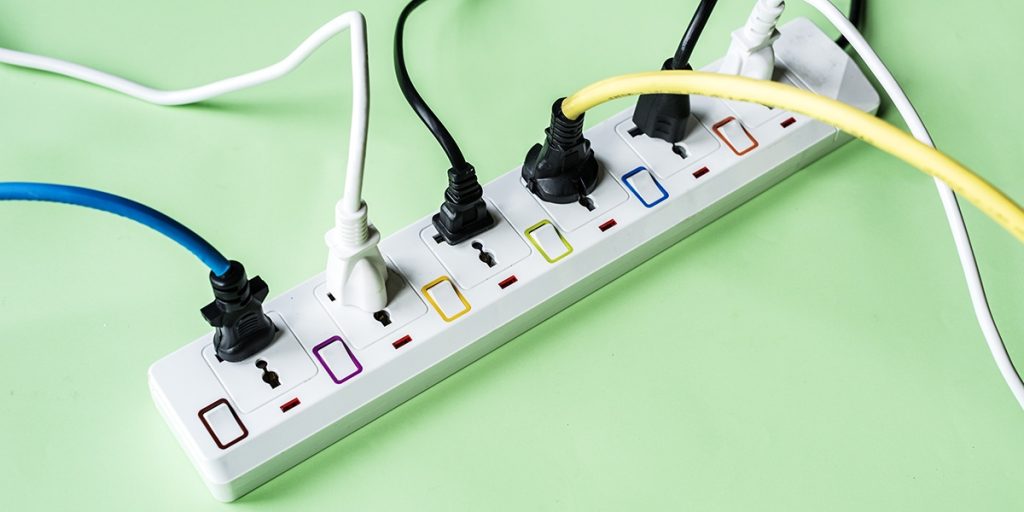
Are you wondering if you can use an extension cord for your air conditioner? It’s a common question that many people face when trying to set up their cooling system quickly and easily.
But before you plug in that extension cord, it’s important to know the risks and the right way to do it. Using the wrong cord could damage your air conditioner or even cause a fire. Keep reading to find out what you need to know to keep your home cool and safe this summer.
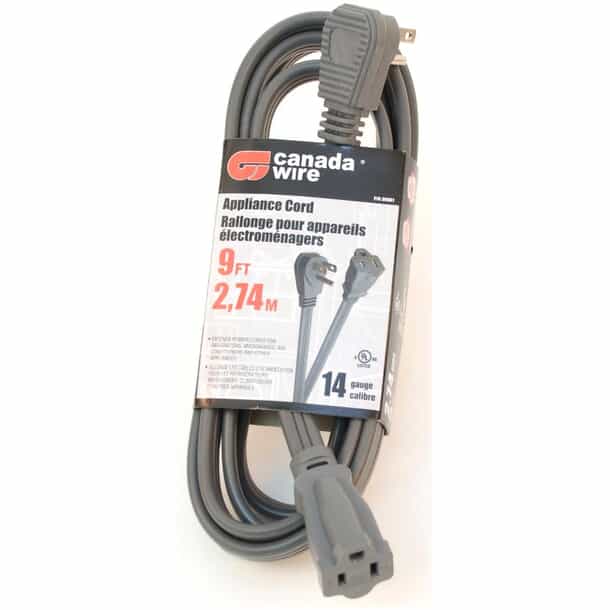
Credit: www.homehardware.ca
Air Conditioner Power Needs
Air conditioners need a lot of power to work well. Their typical wattagecan range from 500 to 1500 watts. The amperageshows how much electric current the unit pulls.
There are two kinds of power needs:
- Starting power: This is the extra power needed when the AC first turns on. It is usually 2 to 3 times higher than running power.
- Running power: The steady power the AC uses to keep running.
| Power Type | Typical Wattage | Typical Amperage |
|---|---|---|
| Starting Power | 1000 – 4500 Watts | 8 – 20 Amps |
| Running Power | 500 – 1500 Watts | 4 – 12 Amps |
Extension Cord Basics
Extension cordshave different gaugesand lengths. The gaugemeans wire thickness. Thicker wires carry more power safely. Longer cords can reduce power flow. Use a shortercord for air conditioners to avoid power loss.
There are several types of extension cords. Some are for indoor use, others for outdoors. Heavy-duty cords handle more power. Light-duty cords are only for small devices. Choose the right type to keep your air conditioner safe.
| Type | Use | Power Capacity |
|---|---|---|
| Light-Duty | Indoor small devices | Up to 10 amps |
| Medium-Duty | Indoor or outdoor | Up to 15 amps |
| Heavy-Duty | Outdoor, high power | 15 amps or more |
Safety Concerns With Extension Cords
Using an extension cord with an air conditioner can cause overheating. Extension cords are not made for high power devices. This can make the cord hot and dangerous. Overheated cords may melt or catch fire.
There is a real fire hazardif the cord is too thin or too long. Fire risk grows if the cord is old or damaged. Always use cords rated for the air conditioner’s power.
| Voltage Drop Effects | Explanation |
|---|---|
| Reduced Power | Voltage can drop over long cords, lowering power to the air conditioner. |
| Device Damage | Low voltage may cause the air conditioner to work harder, damaging it. |
| Higher Energy Use | Air conditioner uses more electricity to cool with less voltage. |
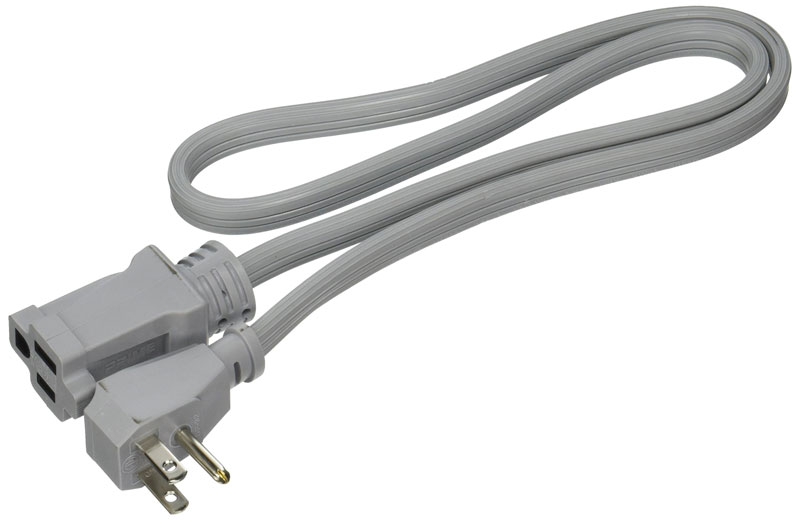
Credit: totcables.com
When Extension Cords Are Acceptable
Extension cords can be used for air conditioners only in specific cases. For short distances, such as less than 10 feet, a quality extension cord may work. It helps avoid voltage drops and overheating.
Always choose heavy-duty cordsrated for the air conditioner’s power. The cord should support the current without damage. Look for cords labeled with a thick gauge wire, usually 12 or 14 gauge.
Check the manufacturer’s guidelines. Some air conditioners clearly state if extension cords are allowed. Using cords against instructions can cause safety risks and void warranties.
Alternatives To Extension Cords
A dedicated circuitis the safest way to power an air conditioner. It provides a direct electrical linefrom your breaker box. This prevents overloads and reduces fire risk.
Power stripsand surge protectorsare not good for air conditioners. They can overheat or fail because of high power draw. Always check the product’s rating before use.
Professional installationensures your air conditioner runs safely and efficiently. Electricians can install proper wiring and circuits. This helps avoid damage to your home and appliance.

Credit: northnjhvac.com
Tips For Safe Extension Cord Use
Choosing the right extension cordis very important for air conditioner use. Look for cords with a heavy gaugewire. A wire gauge of 12 or loweris best for high power devices like air conditioners. The cord should also have a three-prong plugfor safety.
Proper cord placement helps avoid damage and hazards. Keep the cord flat on the floor, away from walkways to prevent tripping. Avoid running it under rugs or furniture where it can overheat. Use a cord long enough to reach the outlet without stretching.
Regular inspection of the cord prevents accidents. Check for frays, cuts, or exposed wiresbefore use. Replace the cord if any damage is found. Also, make sure the plug fits snugly into the outletwithout wobbling.
Frequently Asked Questions
Can I Use An Extension Cord For My Ac Unit?
Using an extension cord for an air conditioner is not recommended. Most extension cords can’t handle the high power demand. It can lead to overheating and fire hazards. Always use a dedicated outlet for your AC. If necessary, consult a professional electrician for the best solution.
What Type Of Extension Cord Is Safe For Ac?
It’s best to avoid using any extension cord for air conditioners. If unavoidable, use a heavy-duty cord designed for high-power appliances. Ensure it’s rated for the AC’s wattage. However, consulting an electrician to install a dedicated circuit is the safest option.
Can An Extension Cord Damage My Air Conditioner?
Yes, using an extension cord can damage your air conditioner. Most extension cords can’t supply the required power consistently. This can lead to overheating and damage to the AC unit. Always plug your air conditioner directly into a wall outlet.
Why Is My Extension Cord Hot With Ac Use?
If your extension cord is hot, it may not handle the AC’s power demand. This can cause overheating, potentially leading to a fire hazard. It’s crucial to use a dedicated outlet for your air conditioner. If necessary, consult a professional electrician for assistance.
Conclusion
Using an extension cord for an air conditioner can be risky. Choose a heavy-duty cord with the right power rating. Avoid thin or long cords that may cause overheating. Always check the manufacturer’s instructions for safety tips. Keep the cord away from water and damage.
Proper use helps keep your air conditioner safe and working well. Stay cautious and protect your home from electrical problems. Safety should always come first when using electrical devices.