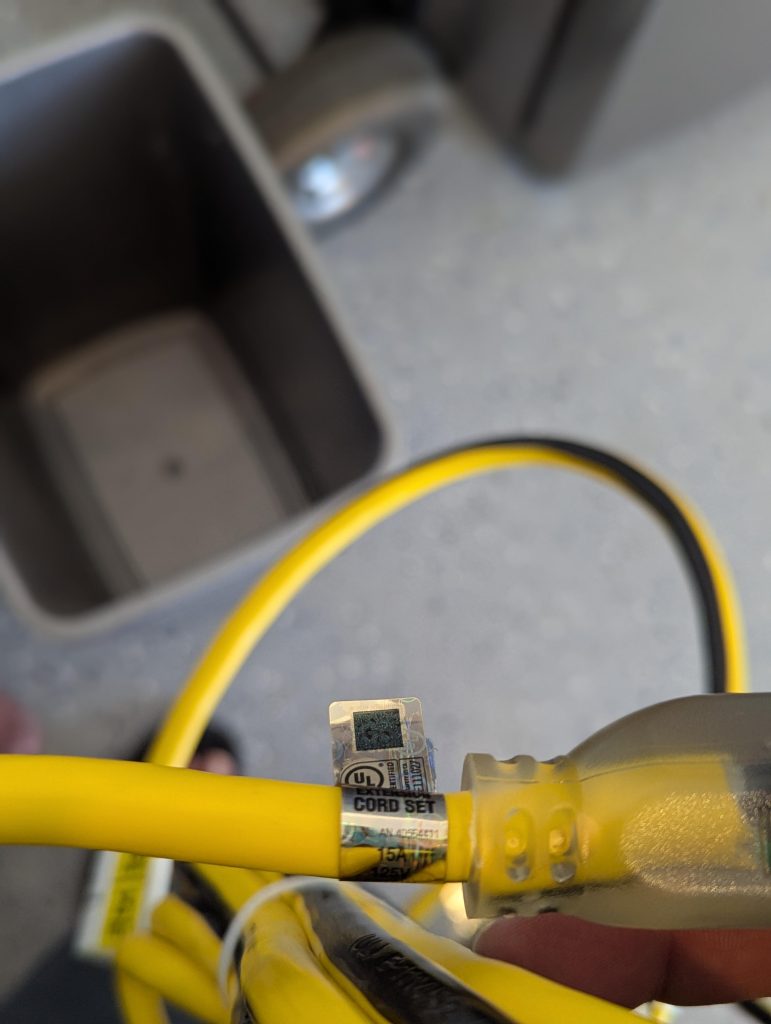
Are you wondering if it’s safe to plug your refrigerator into an extension cord? You’re not alone.
Many people face this question when setting up their kitchen or moving to a new place. Using the wrong cord can cause serious problems, like power outages or even damage to your fridge. But what if there’s a simple way to know exactly when it’s okay—and when it’s not?
Keep reading, because understanding this could save you from costly repairs and keep your food fresh and safe. Let’s dive into what you need to know about using extension cords with your refrigerator.
Risks Of Using Extension Cords With Refrigerators
Using an extension cord with your refrigerator might seem like a simple fix when the outlet is just out of reach. However, this convenience can bring several risks that affect both safety and the appliance’s longevity. Understanding these risks helps you make smarter choices to protect your home and your fridge.
Electrical Overload Concerns
Extension cords are often not designed to handle the continuous power demand of refrigerators. Many cords have lower amperage ratings than the fridge requires, leading to electrical overload. This overload can cause the cord to heat up, potentially damaging the wiring or tripping your circuit breaker.
Have you checked the power rating on your extension cord against your fridge’s needs? Using an underrated cord is a common mistake that can cost you more in repairs later.
Fire Hazards
Overheated extension cords are a serious fire risk. A worn-out or thin cord can melt insulation, exposing wires and sparking fires. Even if the cord looks fine, constant heat buildup inside walls or under carpets can silently turn into a hazard.
Think about where the extension cord runs—does it get covered by rugs or pinched by furniture? These conditions increase the chance of damage and fire, making the setup unsafe.
Impact On Appliance Performance
Extension cords can cause voltage drops, which means your refrigerator might not get the steady power it needs. This can make the compressor work harder, leading to increased energy use and faster wear and tear. Over time, this stress can shorten the lifespan of your fridge.
Have you noticed your refrigerator running louder or less efficiently? It might be struggling due to poor power supply through an extension cord.
Choosing The Right Extension Cord
Choosing the right extension cord for your refrigerator is crucial for safety and performance. Not all cords can handle the power needs of a fridge. Using the wrong cord can cause damage or even a fire hazard. Focus on key factors like cord gauge, length, power rating, and grounding. These ensure your refrigerator runs smoothly and safely.
Cord Gauge And Length
The cord gauge shows the thickness of the wire inside the cord. Lower gauge numbers mean thicker wires. Thick wires carry more electricity safely. For refrigerators, use a cord with a gauge of 14 or lower. Avoid long cords as they can reduce power. Keep the cord length as short as possible to maintain power flow.
Power Rating And Capacity
Check the power rating on the cord label. It tells the maximum watts or amps the cord can handle. Your refrigerator’s power use must be below this limit. Using a cord with a low rating can cause overheating. Always choose a cord rated higher than your fridge’s power needs for safety.
Grounded Vs. Ungrounded Cords
Grounded cords have three prongs; ungrounded have two. The third prong connects to the ground for safety. Refrigerators need grounded cords to prevent electric shocks. Avoid ungrounded cords as they lack this protection. Always select a grounded extension cord for your fridge.
Safe Practices For Extension Cord Use
Using an extension cord for a refrigerator requires care. Safe practices help prevent electrical hazards and keep your appliance running well. Follow these tips to ensure you use extension cords safely and effectively.
Proper Placement And Avoiding Damage
Place the extension cord where it won’t get stepped on or pinched. Avoid running it under rugs or furniture. Keep it away from water or damp areas to prevent shocks. Make sure the cord is fully uncoiled to avoid overheating. Use cords with a thick gauge suitable for heavy appliances like refrigerators.
Avoiding Overloading Circuits
Check the power rating of the extension cord before use. Do not plug multiple high-power devices into the same outlet or extension cord. Overloading can cause circuit breakers to trip or wires to overheat. Use a dedicated outlet for the refrigerator if possible. This reduces the risk of fire and ensures stable power supply.
Regular Inspection And Maintenance
Inspect the extension cord regularly for cuts, cracks, or fraying. Replace the cord if you notice any damage. Clean the plug and socket to maintain good contact. Avoid using old or worn-out cords. Proper maintenance keeps the cord safe and prolongs its life.
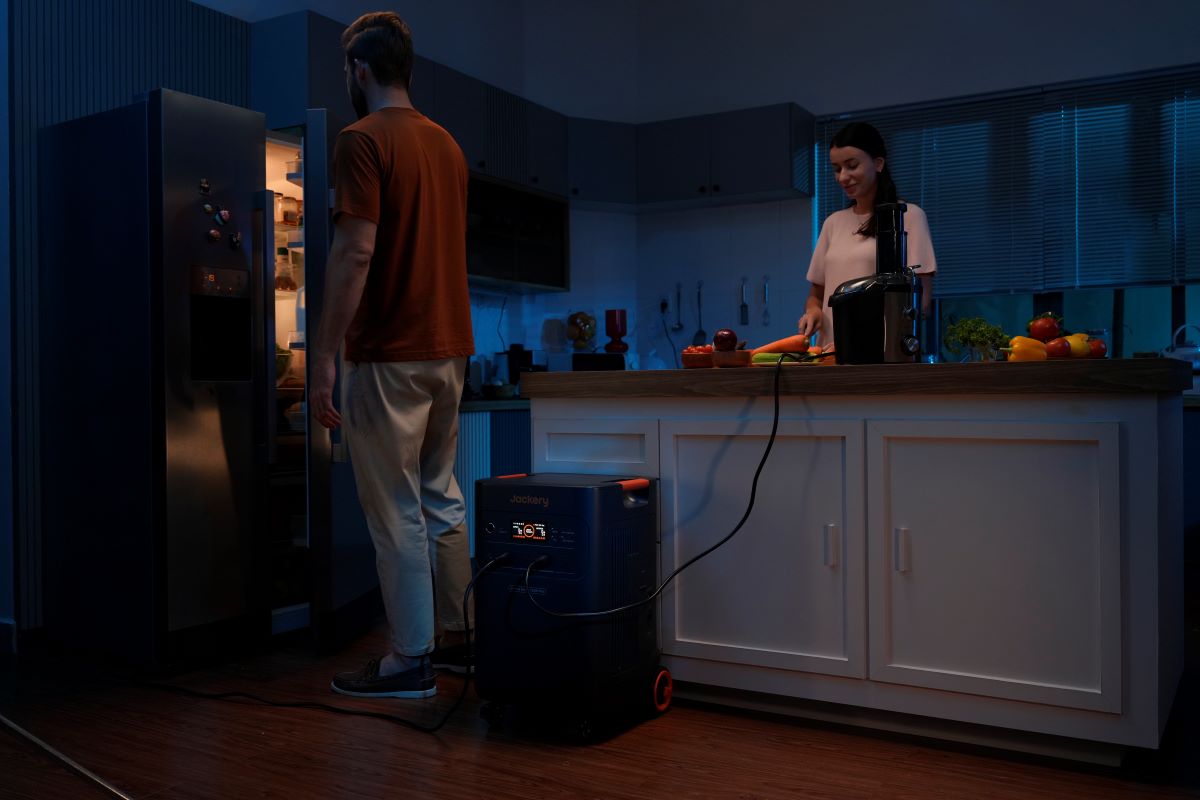
Credit: www.jackery.com
Alternatives To Extension Cords
Using an extension cord for a refrigerator can be risky. It may cause electrical problems or fire hazards. Several safer alternatives provide better power solutions. These options help keep your fridge running smoothly and safely.
Installing Additional Outlets
Adding new outlets near the refrigerator is a smart choice. It gives the fridge its own power source. A licensed electrician can install outlets following safety codes. This avoids overloading circuits and reduces fire risks. New outlets offer a clean and permanent power solution.
Using Power Strips With Surge Protection
Power strips with surge protection protect your fridge from power spikes. Choose a heavy-duty strip that handles high power loads. Avoid cheap or overloaded strips to prevent hazards. This option works well if the outlet is close to the fridge. It also protects the appliance from electrical damage.
Relocating The Refrigerator
Moving the refrigerator closer to existing outlets solves power problems. It eliminates the need for long cords or extensions. Measure the space and outlet locations before moving. This change can improve kitchen layout and safety. It also reduces tripping hazards from cords.
When To Call A Professional
Knowing when to call a professional is crucial if you’re considering using an extension cord for your refrigerator. While some minor electrical fixes might seem manageable, refrigerators demand a steady and safe power supply to function properly. Ignoring signs that point to bigger electrical issues can lead to costly damage or even safety hazards.
Electrical Wiring Upgrades
If your home’s wiring is outdated or can’t handle the load of modern appliances, it’s time to call an electrician. Older wiring might not support the consistent power your refrigerator needs, causing flickering lights or frequent tripping of breakers. Upgrading your electrical system ensures your fridge runs smoothly without risking damage or fire hazards.
Have you noticed your outlets getting warm or sparks when plugging in devices? These are warning signs that your wiring needs professional attention. Don’t wait until it becomes an emergency—addressing wiring issues early can save you money and stress.
Handling Frequent Power Issues
Experiencing regular power outages or breaker trips when your refrigerator is on indicates a deeper electrical problem. Professionals can diagnose if your circuit is overloaded or if there’s a short circuit causing interruptions. They’ll help you avoid relying on extension cords, which are not designed for continuous heavy appliance use.
Imagine coming home to spoiled food because your fridge lost power repeatedly. It’s frustrating and preventable with the right electrical setup. A professional can offer solutions like dedicated circuits or proper wiring to keep your fridge running without interruptions.
Ensuring Compliance With Safety Codes
Electrical work, especially involving major appliances, must meet local safety codes. Professionals understand these regulations and ensure all work complies with them. This reduces risks of electrical fires and ensures your home insurance remains valid.
Are you sure your current setup meets safety standards? Using an extension cord for a refrigerator might violate codes and void warranties or insurance claims. Hiring a licensed electrician gives you peace of mind that your home stays safe and up to code.

Credit: www.amazon.ca

Credit: www.amazon.ca
Frequently Asked Questions
Is It Safe To Use An Extension Cord?
Using an extension cord for a refrigerator is generally not recommended. It can cause overheating and pose a fire risk. Refrigerators require a stable power supply. Always use a grounded, heavy-duty extension cord if absolutely necessary. It’s best to connect directly to a wall outlet.
What Type Of Extension Cord Is Suitable?
If you must use an extension cord, choose a heavy-duty one. It should be grounded and rated for the refrigerator’s wattage. Look for cords with a 14-gauge or thicker wire. Ensure it is designed for appliance use to handle the constant power draw safely.
Can Using An Extension Cord Void Warranty?
Yes, using an extension cord can void your refrigerator’s warranty. Manufacturers often specify direct wall outlet connections. They may not cover damage from improper power supply. Always check your warranty terms before using an extension cord to avoid potential issues.
Does Extension Cord Affect Refrigerator Performance?
Yes, using an extension cord can affect refrigerator performance. It may lead to voltage drops, causing inefficient cooling. This could increase energy consumption and raise electricity bills. For optimal performance, plug your refrigerator directly into a wall socket.
Conclusion
Using an extension cord for a refrigerator is not always safe. Choose a heavy-duty cord with the right power rating. Avoid thin or long cords that can overheat. Keep the cord away from water and heat sources. Always check the cord regularly for damage.
When possible, plug the fridge directly into a wall outlet. Protect your appliance and home from electrical risks. Safety matters most for your refrigerator’s performance and your peace of mind.