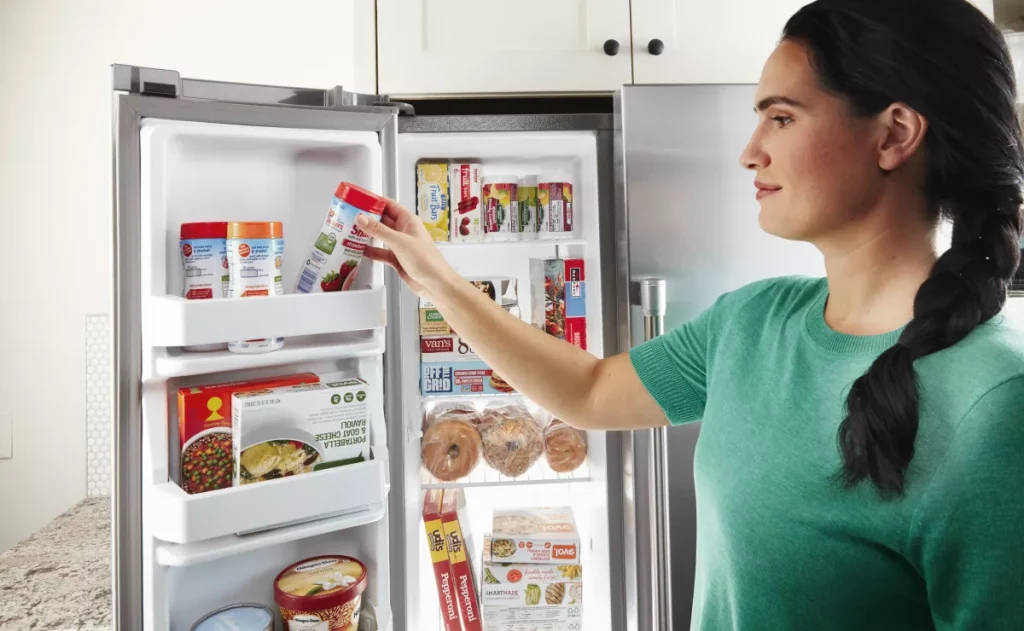
Have you ever wondered if you can use your freezer as a refrigerator? Maybe you’re short on space, or your fridge stopped working, and you’re looking for a quick fix.
It sounds simple, but using a freezer as a fridge isn’t as straightforward as it seems. What happens to your food? Is it safe? Could it save you money or cause more problems? Keep reading to find out exactly what you need to know before making this switch.
This could change how you think about your kitchen appliances forever.
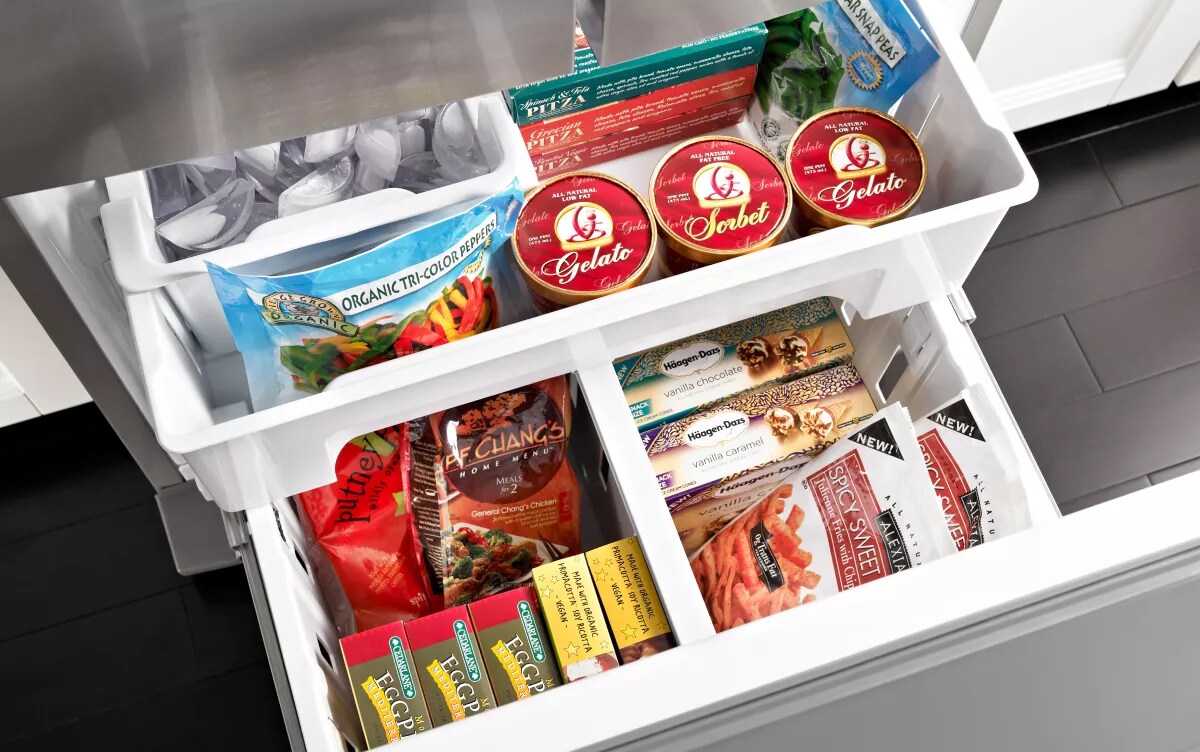
Credit: www.whirlpool.com
Freezer Vs Refrigerator
Freezers and refrigerators are common kitchen appliances. Both keep food safe but work differently. Understanding their differences helps in using them correctly. Using a freezer as a refrigerator is tempting, but it requires knowing how each appliance functions.
Temperature Differences
Freezers keep food at temperatures below 0°F (-18°C). This freezes food solid and stops bacteria growth. Refrigerators keep food between 35°F and 40°F (1.7°C and 4.4°C). This temperature slows bacteria but does not freeze food.
Using a freezer as a refrigerator can cause food to freeze or spoil. Items needing cool, not frozen, temperatures may become damaged.
Design And Functionality
Freezers have thicker insulation to keep cold air inside. Their doors seal tightly to prevent warm air entry. Shelves are spaced for frozen foods, often in bulk or packages.
Refrigerators have adjustable shelves for various food types. They include compartments for fruits and vegetables. The airflow is designed to keep humidity higher to preserve freshness.
Using a freezer as a refrigerator limits space and may harm food quality.
Energy Consumption
Freezers use more energy to maintain very low temperatures. Running a freezer at refrigerator temperatures can increase energy use. It may also cause the appliance to work harder and wear out faster.
Refrigerators are designed to run efficiently at moderate cold levels. They balance energy use and cooling needs for daily food storage.
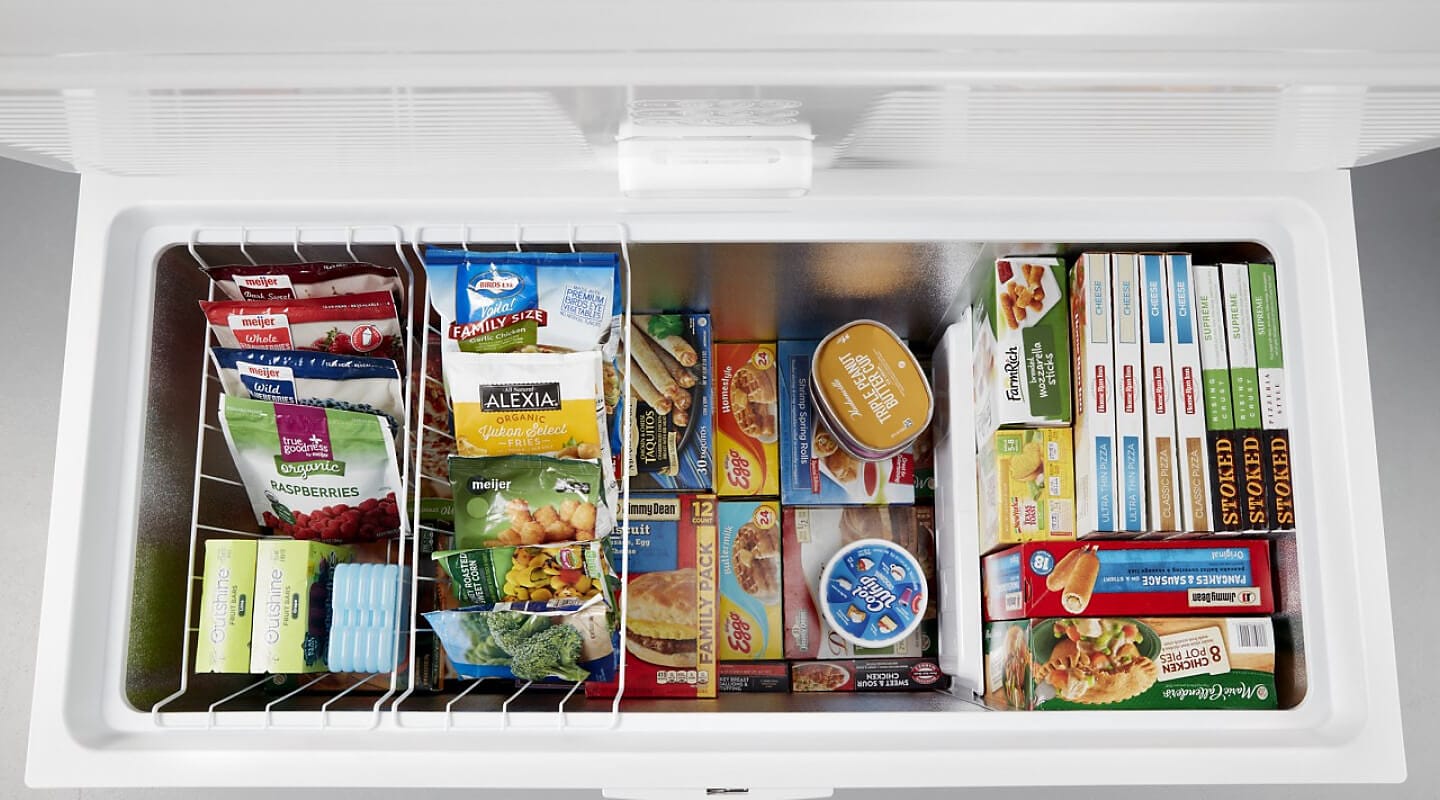
Credit: www.whirlpool.com
Using Freezer As Refrigerator
Using a freezer as a refrigerator might seem like a clever idea to save space or energy. Both appliances keep food cold, but their temperatures differ greatly. Freezers keep food below freezing, while refrigerators keep food just cool enough to stay fresh. Understanding how these devices work helps decide if using a freezer as a fridge is possible and safe.
Feasibility And Practicality
A freezer can hold temperatures around 0°F (-18°C), much colder than a fridge’s 35-40°F (1.7-4.4°C). Most freezers do not have settings to adjust temperature to fridge levels. Some freezers have temperature controls, but they might not maintain steady fridge temperatures.
Using a freezer as a fridge can cause food to freeze unintentionally. Soft fruits, vegetables, and dairy may lose texture and taste. Small freezers might not fit common fridge items like tall bottles or large containers.
Common Misconceptions
People often think freezers and refrigerators work the same way. Freezers do not cycle on and off as often as fridges. This difference can cause uneven cooling in a freezer used as a fridge.
Another myth is that a freezer will save energy if used as a fridge. Freezers running at colder temperatures use more energy. Setting a freezer to a warmer temperature may also cause the compressor to work harder.
Potential Risks
- Food safety risks increase as some foods might freeze and thaw repeatedly.
- Freezing fresh produce can damage cell walls, ruining texture and taste.
- Using a freezer as a fridge can shorten the appliance’s lifespan.
- Incorrect temperature may encourage bacterial growth in some foods.
- Humidity levels in a freezer differ from a fridge, affecting food quality.
Food Storage Considerations
Using a freezer as a refrigerator might seem like a smart space saver, but there are important food storage considerations to keep in mind. How your food fares depends on the type, how long you plan to store it, and safety risks involved. Understanding these factors helps you avoid waste and keeps your meals safe to eat.
Suitable Food Types
Not all foods adapt well to freezer temperatures set for refrigeration.
Items like raw vegetables, leafy greens, and soft fruits often lose texture or become mushy when kept too cold for too long. On the other hand, hard cheeses, cured meats, and beverages like milk can handle slightly colder temperatures better.
Think about what you eat daily—can those foods stay fresh and tasty when chilled in a freezer set to a higher temperature? Experiment with small quantities first to see how your favorites respond.
Shelf Life Impact
Freezers operate at much lower temperatures than refrigerators, which slows down bacterial growth but can cause other issues.
Some foods may last longer in a freezer, but they can also develop freezer burn or texture changes that make them less enjoyable. For example, bread might become dry and crumbly, while fruits can become watery when thawed.
Ask yourself: Is a longer shelf life worth potential changes in taste and texture? Balancing preservation with quality is key.
Safety Concerns
Using a freezer as a fridge raises safety questions you must consider seriously.
Freezers typically keep food below 0°F (-18°C), but if you adjust the temperature to refrigerator levels (around 35-40°F or 1.6-4.4°C), the appliance may not maintain consistent cooling. This inconsistency can allow bacteria to grow, increasing the risk of foodborne illness.
Check your freezer’s temperature regularly with a thermometer. If you notice fluctuations, it might be safer to stick to traditional refrigeration for perishable items.
Adjusting Freezer Settings
Adjusting freezer settings is crucial if you want to use your freezer as a refrigerator. It’s not as simple as just flipping a switch. You need to understand how temperature control works and what changes you can make without damaging your appliance or spoiling your food.
Temperature Control Options
Most freezers have a temperature dial or digital control panel. This lets you set the cooling level, but the range is usually colder than a fridge’s typical temperature.
You might find settings labeled with numbers, from 1 (least cold) to 5 or 7 (coldest). Setting it to the warmest option can sometimes bring the temperature close to refrigerator levels, around 35-40°F (1.6-4.4°C).
Some models have a separate thermostat for the freezer compartment, while others rely on a single control that affects the entire unit. Knowing your freezer’s control type helps you adjust it more effectively.
Modifying For Refrigerator Use
To make your freezer work as a fridge, start by turning the temperature dial to the warmest setting. You should monitor the temperature with a separate thermometer to avoid food spoilage.
If your freezer has a digital control, try setting it to a temperature between 35°F and 40°F. Keep in mind that some freezers might not maintain these warmer temperatures evenly.
Another tip: remove or unplug any ice trays or freezer-specific accessories that could interfere with airflow. This simple step can improve temperature consistency and space for items that need refrigeration.
Limitations And Challenges
Using a freezer as a refrigerator isn’t perfect. Freezers are designed to maintain temperatures below freezing, so running them warmer can put extra strain on the compressor.
This may lead to increased energy consumption and wear on the appliance. You might also notice uneven cooling, with some shelves colder than others.
Ask yourself if this trade-off is worth it. Is saving space or cost more important than optimal food storage and appliance longevity? Testing the temperature regularly and adjusting settings may help, but it won’t fully replicate a fridge’s performance.
Energy Efficiency Factors
Understanding the energy efficiency of using a freezer as a refrigerator is crucial before making any changes in your kitchen setup. Energy efficiency factors impact your electricity bills and environmental footprint. Let’s dig into how cost, environment, and appliance performance play a role in this decision.
Cost Implications
Freezers generally consume more energy than refrigerators because they are designed to maintain much lower temperatures. Using a freezer as a refrigerator can increase your electricity bill without you realizing it. Have you checked how much your freezer runs compared to your fridge?
Some models might have an energy-saving mode, but it’s rare in freezers. Over time, this extra energy use can add up, making your monthly utility costs higher. It’s smart to track your energy consumption if you switch appliances.
Environmental Impact
Higher energy use means a larger carbon footprint. Freezers working harder than necessary release more greenhouse gases indirectly through increased power demand. Are you comfortable with the environmental cost of this swap?
Choosing the right appliance for its intended purpose helps reduce waste and energy consumption. Even small changes in appliance efficiency can collectively make a significant difference in reducing environmental harm.
Comparing Appliance Performance
Freezers and refrigerators are built differently to maintain specific temperature ranges. A freezer keeps food frozen below 0°F (-18°C), while a refrigerator usually stays between 35°F and 38°F (1.7°C to 3.3°C). Using a freezer as a fridge can cause uneven cooling and affect food quality.
Freezers are not optimized for frequent door openings like refrigerators, which may lead to frost build-up or temperature fluctuations. Think about how often you open your appliance and what kind of food you store when choosing which to use.
Alternative Solutions
If you’re wondering whether a freezer can double as a refrigerator, it’s good to know there are other smart options to consider. Using a freezer as a fridge might seem convenient but often leads to inefficiency and potential food spoilage. Instead, you can explore alternative solutions that fit your space, budget, and cooling needs more effectively.
Dual-use Appliances
Dual-use appliances combine freezer and refrigerator compartments in one unit. These models let you adjust the temperature settings separately, giving you the flexibility to cool or freeze based on your needs.
They’re perfect if you want to save space without compromising on functionality. You can find compact versions designed for small kitchens, dorm rooms, or offices that still offer enough storage for everyday essentials.
Compact Refrigerators
Compact refrigerators are designed specifically for cooling, not freezing, so they maintain a steady temperature ideal for fresh food storage.
They’re energy-efficient and easy to move around, making them great for apartments or shared spaces. You might be surprised at how much you can store in these small units without worrying about freezing your fruits or veggies.
Diy Modifications
If you’re handy with tools, DIY modifications can turn a freezer into a functional refrigerator. Some people install external thermostats to control the temperature more precisely, keeping it above freezing.
This approach requires careful monitoring and some technical know-how, but it can be a cost-effective solution if you already own a freezer. Have you ever tried adjusting appliances yourself to save money or customize your space? It might be worth experimenting if you enjoy hands-on projects.
Credit: www.whirlpool.com
Frequently Asked Questions
Can A Freezer Replace A Refrigerator Temporarily?
Yes, a freezer can temporarily act as a refrigerator by adjusting the temperature. Set it around 35-40°F (1. 5-4°C) to keep food cool but not frozen. However, this is not ideal for long-term use as freezers are designed for much lower temperatures.
Will Food Spoil Faster In A Freezer Used As Fridge?
Food may spoil faster if the temperature is not properly controlled. Freezers cool unevenly when set to fridge temperatures, causing some items to stay too warm. Always monitor temperature closely to ensure food safety and prevent spoilage.
Is It Energy-efficient To Use A Freezer As A Fridge?
Using a freezer as a refrigerator is generally less energy-efficient. Freezers consume more power to maintain cold temperatures. Running it at higher temperatures can increase energy use and wear out the appliance faster, leading to higher electricity bills.
How To Safely Convert A Freezer Into A Refrigerator?
To convert a freezer safely, adjust the thermostat to a fridge temperature (35-40°F). Use an external thermometer to monitor the temperature. Avoid opening the door frequently to maintain steady cooling. Ensure proper ventilation around the appliance for efficient operation.
Conclusion
Using a freezer as a refrigerator can be a temporary solution. Understand the limitations and risks involved. Adjust the temperature to a higher setting. This ensures food stays at safe levels. Regular checks on food quality are essential. Over time, a dedicated refrigerator is more efficient.
Energy costs and food safety should be priorities. Consider your needs and available space. Make informed choices for your kitchen. Always prioritize food safety for your family. A well-chosen appliance supports a healthy lifestyle.