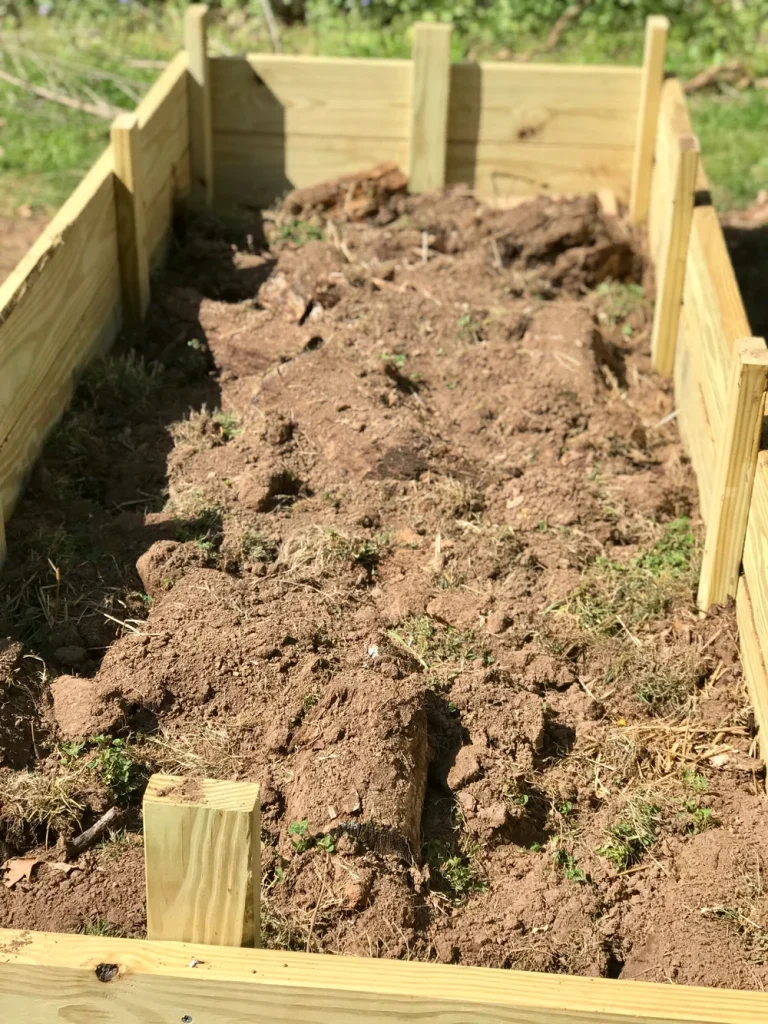
Are you wondering if you can use in-ground garden soil for your raised beds? It’s a common question for gardeners who want to save time and money.
But not all soil is created equal, and what works in your garden might not work in a raised bed. Using the right soil can make a huge difference in the health and growth of your plants. Keep reading to discover the truth about in-ground soil and how to give your raised beds the best start possible.
Your garden’s success depends on it!
In Ground Soil Basics
In ground soil is the natural earth found in your garden or yard. It supports plant roots and holds water and nutrients.
Using in ground soil for raised beds depends on its type and quality. Knowing the basics helps you decide.
Types Of Garden Soil
Garden soil comes in several types. Each type affects plant growth differently.
- Sandy Soil: Drains quickly but holds few nutrients.
- Clay Soil: Holds water well but can be heavy and dense.
- Silty Soil: Smooth and holds moisture better than sandy soil.
- Loamy Soil: A balanced mix, ideal for most plants.
- Peaty Soil: Acidic and retains moisture well.
- Chalky Soil: Alkaline and may cause nutrient shortages.
Soil Composition And Quality
Good soil has a mix of sand, silt, clay, and organic matter. This balance helps plants get water and nutrients.
Soil quality depends on pH, nutrients, and structure. Healthy soil supports strong plant roots and growth.
- pH Level: Affects nutrient availability for plants.
- Organic Matter: Improves soil texture and fertility.
- Drainage: Prevents waterlogging and root rot.
- Nutrient Content: Supplies essential elements like nitrogen and phosphorus.
Credit: www.thecooldown.com
Raised Bed Soil Needs
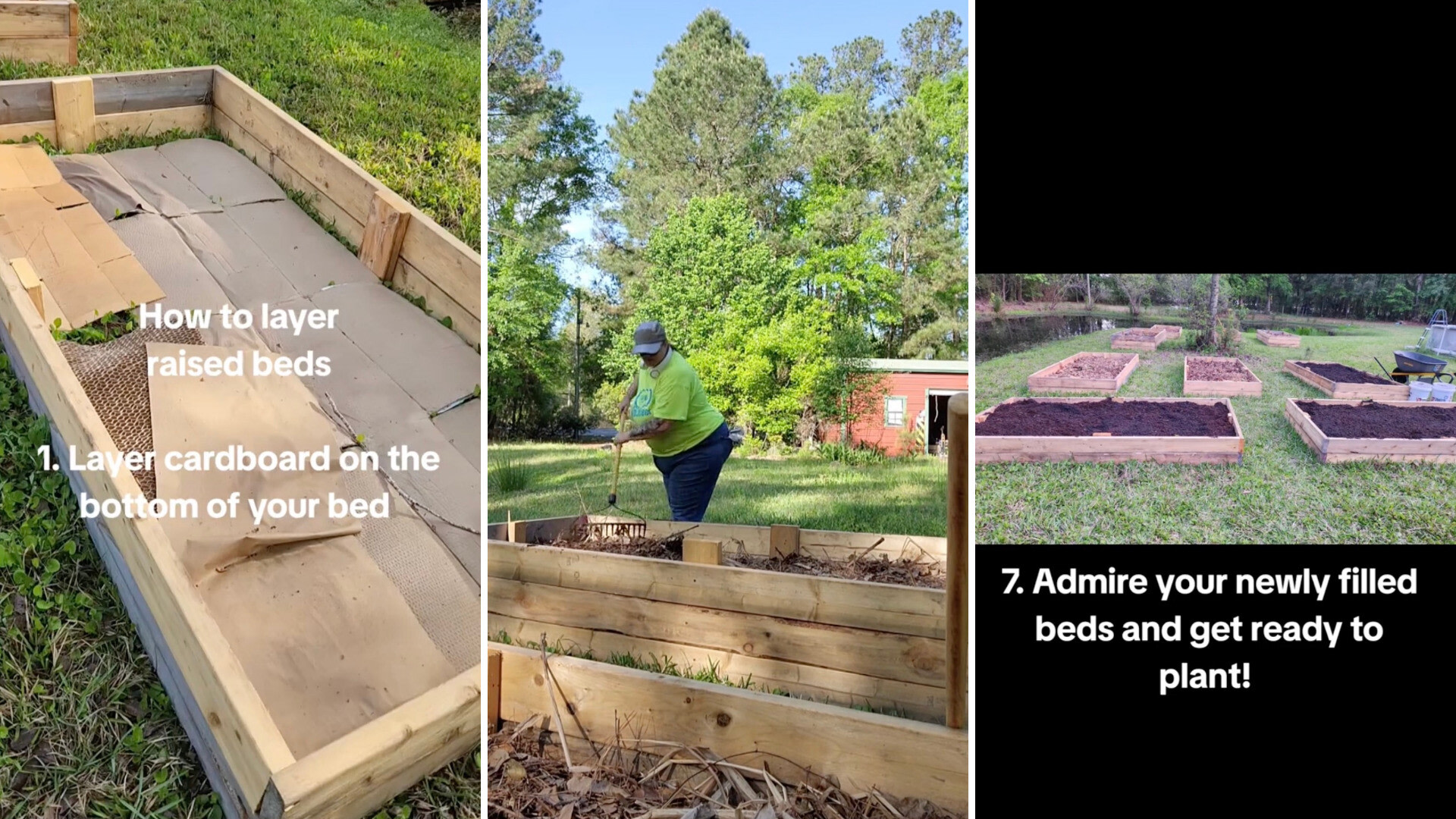
Raised beds require special soil for plants to grow well. The soil needs to be rich and well-draining.
Using garden soil from the ground may not provide the best results. It’s important to understand what makes good soil for raised beds.
Ideal Soil Characteristics
Good soil for raised beds has certain features. It should be loose and full of nutrients.
Soil must also retain moisture but drain excess water. This balance is key for healthy plants.
- Rich in organic matter
- Good drainage capabilities
- Moisture retention
- Balanced pH level
Common Soil Mixes For Raised Beds
There are different mixes you can use in raised beds. Each mix has its own benefits.
Popular mixes often include a blend of soil, compost, and other materials. These mixtures help plants thrive.
| Mix Type | Components |
| 50/50 Mix | Half soil, half compost |
| Mel’s Mix | 1/3 peat moss, 1/3 vermiculite, 1/3 compost |
| Topsoil Mix | Topsoil, compost, sand |
Using In Ground Soil In Raised Beds
Raised beds give gardeners control over soil quality and drainage. Some gardeners wonder if they can use soil dug from the ground. Using in ground soil can save money and effort. It also recycles the soil already present in your garden.
This article looks at the pros and cons of using in ground soil in raised beds. It also explains how to prepare that soil for the best results.
Pros And Cons
In ground soil has some benefits and some drawbacks when used in raised beds. Knowing these can help you decide if it fits your gardening needs.
| Pros | Cons |
| Easy to source from your own yard | May contain pests or weed seeds |
| Usually contains natural nutrients | Can be heavy and compacted |
| Can help maintain local soil biology | May have poor drainage or poor texture |
| Cost-effective compared to buying soil | Soil quality varies greatly by location |
Soil Preparation Steps
Preparing in ground soil before adding it to raised beds improves plant growth. Follow these simple steps to get the soil ready.
- Remove large rocks, roots, and debris from the soil.
- Break up compacted soil using a garden fork or tiller.
- Mix in organic matter like compost or aged manure to improve fertility.
- Test soil pH and adjust with lime or sulfur if needed.
- Let the soil rest for a few days before planting.
Improving In Ground Soil
Using in ground garden soil in raised beds can help improve the soil below. This is important for strong plant growth and healthy roots.
Improving soil means adding nutrients and fixing its texture. This makes water drain well and keeps air flowing to roots.
Amendments To Enhance Soil
Adding amendments helps improve soil quality. These include organic matter and minerals. They boost nutrients and water retention.
- Compost adds nutrients and improves soil structure.
- Peat moss helps retain moisture in sandy soils.
- Sand can improve drainage in clay soils.
- Gypsum reduces soil compaction and improves texture.
- Manure adds nutrients but must be well aged.
Testing And Adjusting Ph
Soil pH affects nutrient availability to plants. Testing soil pH helps know if it is too acidic or alkaline.
| pH Level | Soil Condition | Adjustment Needed |
| Below 6.0 | Acidic | Add lime to raise pH |
| 6.0 to 7.0 | Neutral to Slightly Acidic | Usually good for most plants |
| Above 7.0 | Alkaline | Add sulfur or peat moss to lower pH |
Drainage And Soil Health
Using in-ground garden soil for raised beds can affect drainage and soil health. Good drainage keeps plant roots healthy. Soil health supports strong plant growth.
It is important to understand how garden soil behaves in raised beds. This helps you create the best environment for your plants.
Preventing Waterlogging
In-ground garden soil can hold too much water in raised beds. This may cause waterlogging and harm plants. Waterlogging stops roots from getting air.
To prevent waterlogging, improve drainage by mixing garden soil with materials like sand or compost. This helps water move through the soil well.
- Mix soil with coarse sand for better drainage
- Add compost to increase soil structure
- Use raised beds with good depth for water flow
- Check soil moisture regularly to avoid excess water
Maintaining Soil Fertility
Garden soil in raised beds may lose nutrients over time. Maintaining soil fertility is key for healthy plants. Adding organic matter helps keep nutrients balanced.
Rotate crops and use natural fertilizers to keep soil rich. Healthy soil improves plant growth and reduces pests.
- Add compost every season to refresh nutrients
- Use mulch to protect soil and hold moisture
- Plant nitrogen-fixing crops like beans or peas
- Avoid chemical fertilizers that harm soil life
Credit: www.thunderbirddisco.com
Expert Tips For Best Results
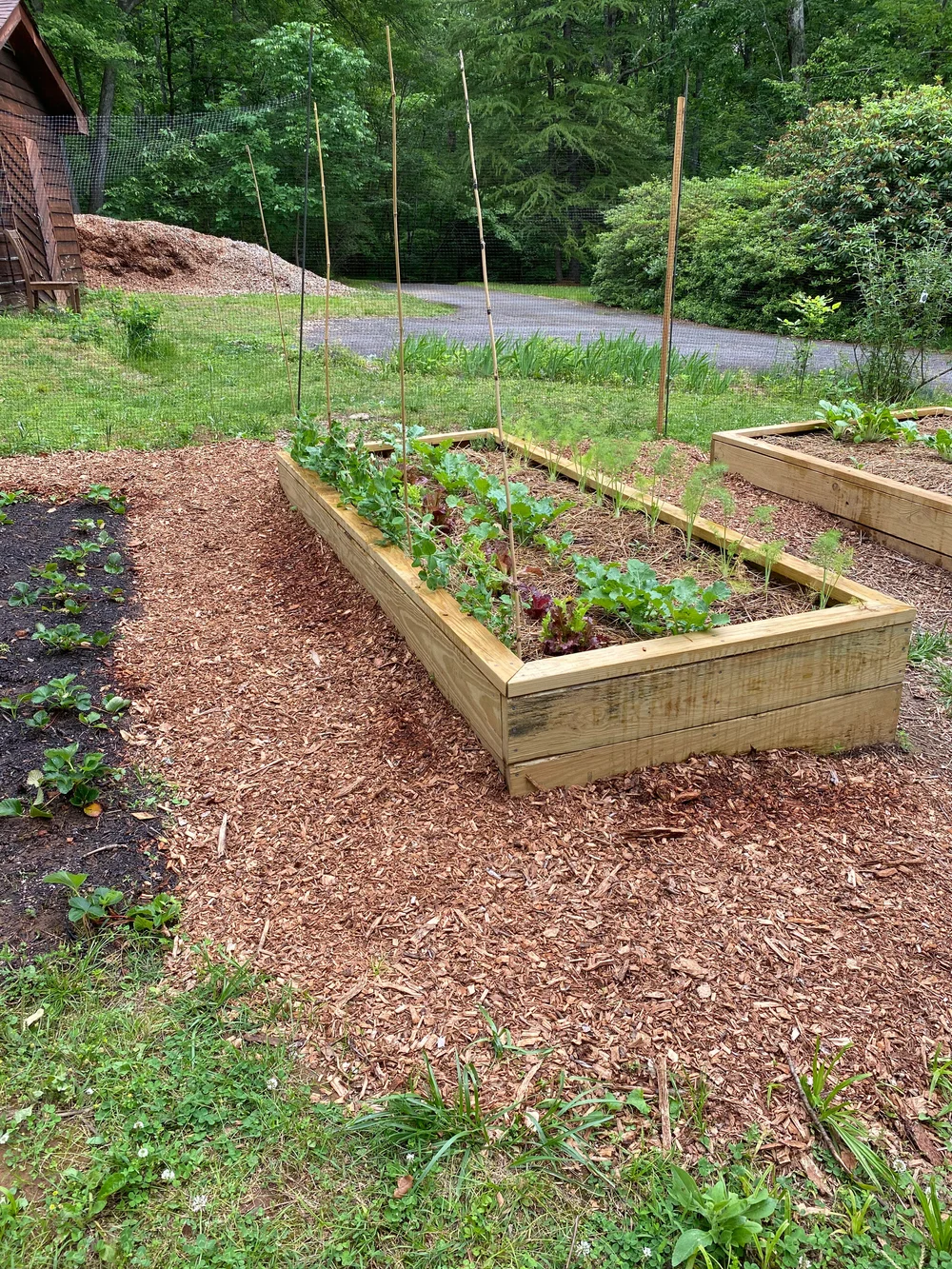
Using in-ground garden soil for raised beds can be a smart choice. It saves money and uses what you already have. But to get the best results, you need to manage the soil well.
Good soil care helps plants grow strong and healthy. Pay attention to the soil through the seasons and keep it in good shape with simple steps.
Seasonal Soil Management
Soil changes with the seasons. You should prepare your raised beds based on weather and plant needs. This helps keep the soil fertile and ready to support growth.
- In spring, loosen the soil and add compost to boost nutrients.
- In summer, check moisture often and water deeply if needed.
- In fall, remove old plant debris to prevent disease.
- In winter, cover soil with mulch to protect it from cold.
Monitoring And Maintenance
Watch your soil’s health all year. Regular checks help you spot problems early. Fixing issues fast keeps your plants happy and strong.
| Task | Frequency | Why It Matters |
| Soil pH testing | Twice a year | Ensures soil acidity is right for plants |
| Adding organic matter | Once per season | Improves soil structure and nutrients |
| Checking for pests | Monthly | Prevents damage to roots and plants |
| Watering | Weekly or as needed | Keeps soil moist but not soggy |

Credit: www.youtube.com
Frequently Asked Questions
Can You Use In Ground Soil For Raised Beds?
Yes, you can use in ground soil for raised beds. However, it may need amending to improve drainage and fertility for better plant growth.
Is In Ground Soil Suitable For Raised Bed Gardening?
In ground soil can work, but its quality varies. Testing and enriching soil with compost improves plant health in raised beds.
How To Improve In Ground Soil For Raised Beds?
Add organic matter like compost or peat moss. This boosts nutrients, improves texture, and enhances drainage in in ground soil.
What Are Risks Of Using In Ground Soil In Raised Beds?
In ground soil may contain weeds, pests, or diseases. Poor drainage can also cause root problems in raised bed plants.
Conclusion
Using in-ground garden soil for raised beds can work with care. Test the soil for drainage and nutrients first. Mix it with compost or other materials to improve quality. Avoid heavy clay or soil with poor drainage. Raised beds need loose, rich soil for healthy plants.
Proper soil helps roots grow and plants thrive. Remember, good soil means better growth and harvest. Choose soil wisely for your raised garden beds. Your plants will thank you with strong growth and blooms.