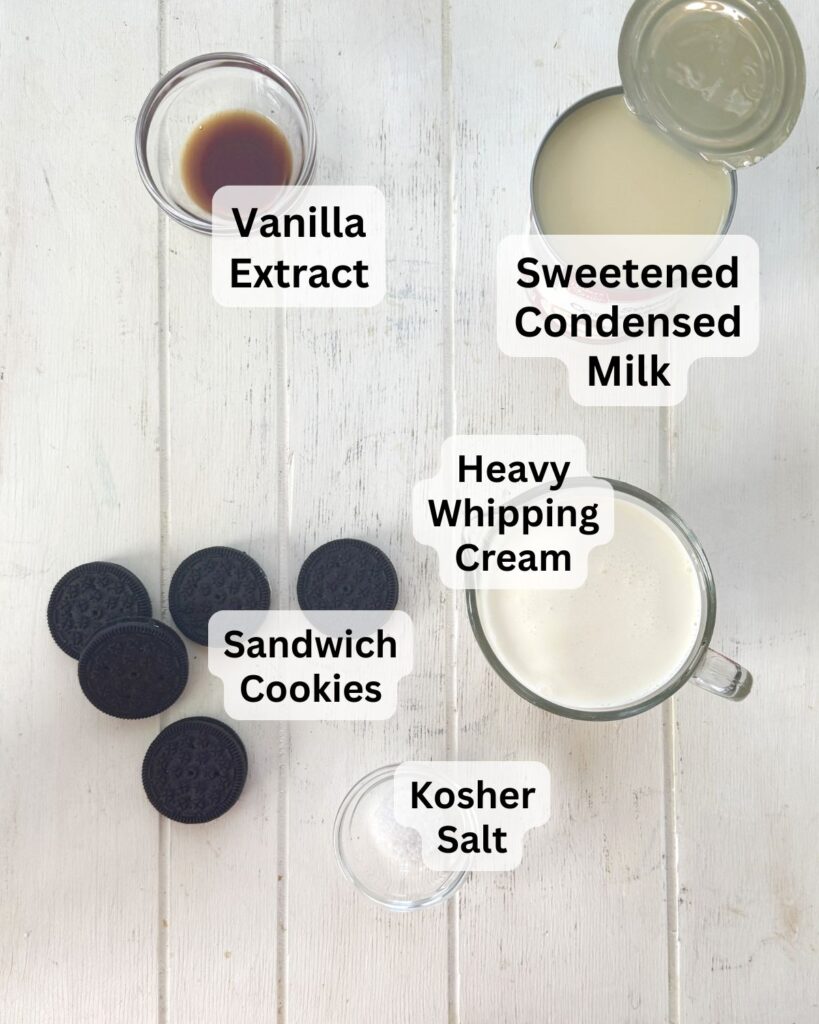
Have you ever wondered if you can use kosher salt to make ice cream? If you’ve tried homemade ice cream or plan to, this question might have popped into your mind.
Using the right salt can change how your ice cream freezes and tastes. But does kosher salt work the same way as other salts in this chilly process? Keep reading to discover the surprising answer and learn how the type of salt you choose can make your ice cream experience better—or worse.
You won’t want to miss these simple tips that could save your next batch!

Credit: omgyummy.com
Role Of Salt In Ice Cream Making
Salt plays a crucial role in making ice cream. It helps control the freezing process. This results in a creamy texture. Without salt, ice cream might not freeze properly. The right amount of salt ensures perfect consistency.
How Salt Lowers Freezing Point
Salt lowers the freezing point of ice. This makes ice colder than usual. Ice cream needs very cold temperatures to freeze well. Adding salt to ice around the ice cream mixture helps. It absorbs heat from the mixture, causing it to freeze.
Types Of Salt Commonly Used
Different salts can be used in ice cream making. Table salt is fine and dissolves quickly. Rock salt is coarse and works well with ice. Kosher salt has larger grains and is also effective. Each type affects freezing differently, but all help achieve the goal.
Characteristics Of Kosher Salt
Kosher salt is a popular choice in kitchens worldwide. Its unique characteristics make it different from table salt or sea salt. Understanding these traits helps decide if kosher salt suits making ice cream. Kosher salt’s texture, grain size, and flavor play key roles in cooking and freezing processes.
Texture And Grain Size
Kosher salt has large, coarse grains. These grains are flaky and uneven. The size allows easy pinching and sprinkling. It dissolves slower than finer salts. This texture helps in seasoning meat evenly. But it may take longer to melt in cold mixtures like ice cream bases.
The coarse grains also make measuring tricky. A tablespoon of kosher salt weighs less than a tablespoon of table salt. This difference matters in recipes needing precise salt levels. For ice cream, the salt must dissolve fully in the ice and ice cream mixture. Otherwise, the texture might be grainy.
Flavor Profile Compared To Other Salts
Kosher salt has a clean, mild salt flavor. It lacks the bitter or metallic taste some table salts have. This mildness comes from its minimal additives. Most kosher salt brands contain no iodine. This absence keeps the taste pure and simple.
Compared to sea salt, kosher salt is less complex. Sea salt often has trace minerals that add flavor. Kosher salt’s simple flavor makes it a versatile choice. It enhances food without overpowering. For ice cream, this means the salt can balance sweetness well. But the salt must be fully dissolved to avoid salty spots.
Using Kosher Salt In Ice Cream
Using kosher salt in ice cream making is a practical choice for many home cooks. Kosher salt has larger, coarser grains compared to table salt. This difference affects how it works in the freezing process. Understanding its role helps create creamy, smooth ice cream.
Effectiveness In Freezing Process
Salt lowers the freezing point of ice, allowing the ice cream mixture to freeze properly. Kosher salt dissolves slower because of its bigger grains. This slower melting can affect how evenly the ice cream freezes. Still, kosher salt works well to keep the ice cold enough. It can create a firm texture by drawing heat away from the ice cream mixture.
Adjustments Needed For Kosher Salt
Due to its coarse texture, kosher salt is less salty by volume. Recipes that use table salt may need more kosher salt to achieve the same effect. Use a little extra kosher salt to match the freezing power of finer salts.
- Measure by weight, not volume, for accuracy.
- Start with 1.5 times the amount if replacing table salt.
- Check the ice cream texture during freezing.
These small adjustments ensure the salt works well without over-salting. Using kosher salt requires simple tweaks but gives great results in ice cream making.

Credit: www.amazon.ca
Comparing Kosher Salt With Rock Salt
Choosing the right salt is key when making ice cream. Kosher salt and rock salt serve different roles in the process. Each type has unique features that affect ice cream texture and freezing speed. Understanding these differences helps you pick the best salt.
Melting Point And Saltiness
Rock salt has a lower melting point than kosher salt. This means it melts ice faster, which cools the ice cream mix quicker. Kosher salt dissolves more slowly due to its finer crystals. It offers a milder salt taste compared to rock salt.
Using rock salt creates colder temperatures needed for smooth ice cream. Kosher salt’s higher melting point means it’s less effective in this role. Saltiness also varies. Rock salt is stronger, so less is needed. Kosher salt can add a softer salt flavor but may not freeze as well.
Availability And Cost
Kosher salt is common in kitchens and grocery stores. It is usually more expensive than rock salt. Rock salt is often sold in larger quantities for ice cream making or de-icing roads. It is cheaper and easier to find in bulk.
Cost matters if you make ice cream often. Rock salt offers better value for freezing purposes. Kosher salt works well for cooking but may not be cost-effective for ice cream. Availability depends on your location but both salts are widely sold.
Tips For Best Results
Getting the best results with kosher salt in your ice cream making process depends on a few key points. Small details like how you measure the salt and handle it safely can change your outcome significantly. Paying attention to these tips helps you avoid common pitfalls and ensures your homemade ice cream turns out perfectly every time.
Measuring Salt Accurately
Kosher salt has larger crystals than table salt, so using the same volume measurement can lead to over-salting. To get the right amount, it’s better to weigh the salt if possible. If you don’t have a scale, use a measuring spoon and lightly fill it without packing the salt down.
Keep in mind that different brands of kosher salt vary in crystal size, which affects volume measurements. You might want to experiment with small batches to find the right ratio for your brand. Have you noticed how a slight change in salt amount alters the freezing speed and texture? That’s why precision matters here.
Safety Precautions
Handling salt for ice cream making requires some care, especially because you’ll be working with ice and cold temperatures. Avoid direct skin contact with the salted ice mixture as it can cause frostbite or irritation. Use gloves or a cloth to handle the ice and salt mixture safely.
Also, keep the salt away from children and pets during the process. Salt can be harmful if ingested in large amounts. Remember to clean up any salt spills promptly to prevent slipping hazards in your kitchen.
Credit: amycaseycooks.com
Common Myths About Salt In Ice Cream Making
Salt plays a surprising role in making ice cream, but there are many myths about which salt to use and how it affects the final product. Some believe the type of salt can change the flavor, while others think you need special salts to get the right texture. Let’s clear up these common misunderstandings so you can make better ice cream without confusion.
Salt Type Affecting Flavor
Many people worry that using kosher salt instead of table salt will change the taste of their ice cream. The truth is, the salt used in the ice cream-making process mainly affects how the ice melts, not the flavor directly. The salt doesn’t mix into the ice cream itself but lowers the freezing point of the ice surrounding the container.
So, the flavor impact is minimal or nonexistent. What really matters is how evenly and quickly your ice cream freezes, which influences texture more than taste. Have you ever noticed a gritty or icy texture? That’s usually a sign of uneven freezing, not salt flavor.
Necessity Of Specialty Salts
There’s a myth that only specialty salts like Himalayan pink salt or sea salt can be used for making ice cream. In reality, any coarse salt that melts ice effectively works fine. Kosher salt is often preferred because it’s easy to handle and dissolves well in the ice surrounding the ice cream container.
Specialty salts might look fancy but don’t provide a practical advantage in this process. What really counts is using the right amount of salt to keep the ice cold enough to freeze the cream properly. Next time you reach for an expensive salt, ask yourself if it will really improve your ice cream or just add unnecessary cost.
Frequently Asked Questions
Can Kosher Salt Be Used For Making Ice Cream?
Yes, kosher salt can be used to make ice cream. It helps lower the freezing point of ice, allowing the mixture to freeze properly.
What Is The Role Of Kosher Salt In Ice Cream?
Kosher salt melts the ice around the ice cream container. This creates a very cold environment that helps the ice cream freeze evenly.
Is Kosher Salt Better Than Table Salt For Ice Cream?
Kosher salt is preferred due to its larger crystals. It melts ice more effectively and is easier to handle during ice cream making.
How Much Kosher Salt Should Be Used For Ice Cream?
Use about 1 to 2 cups of kosher salt per 5 pounds of ice. This ensures proper freezing without making the ice too salty.
Conclusion
Kosher salt can work well for making ice cream. It melts ice quickly, helping the freezing process. Just watch the amount you use to avoid over-salting. The bigger grains may take a bit longer to dissolve than fine salt. Still, kosher salt is a good choice for home ice cream makers.
It’s easy to find and affordable. Give it a try next time you make ice cream at home. You might be surprised how well it works. Simple and effective—just what you need.