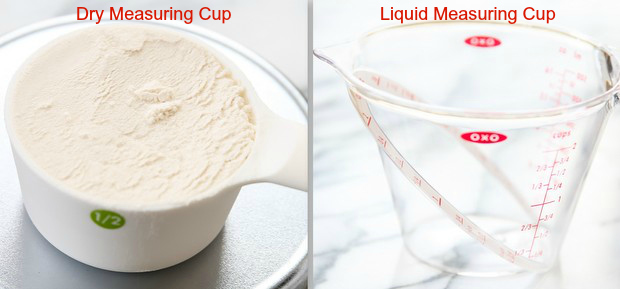
Have you ever reached for a liquid measuring cup when your recipe calls for dry ingredients? It’s a common question that can leave you wondering if it will affect your cooking or baking results.
Using the wrong measuring tool might seem harmless, but it can change the texture, taste, and success of your dish. If you want to avoid surprises in the kitchen and get your measurements just right every time, keep reading. This guide will clear up the confusion and help you make smarter choices when measuring ingredients.
Credit: www.kingarthurbaking.com
Differences Between Liquid And Dry Measuring Cups
Measuring cups are important in cooking and baking. Using the right type helps get accurate measurements.
Liquid and dry measuring cups look similar but work in different ways. This affects how you measure ingredients.
Design And Material Variations
Liquid measuring cups usually have a spout for easy pouring. They are often made of glass or clear plastic.
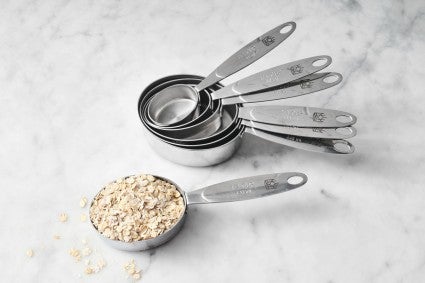
Dry measuring cups come in sets of different sizes. They are often made of metal or solid plastic.
- Liquid cups have markings on the side to see levels from outside.
- Dry cups are meant to be filled and leveled off at the top.
- Liquid cups often hold more volume than dry cups.
- Dry cups stack together for easy storage.
Measurement Accuracy Factors
Liquid cups work well for wet ingredients because you can see the exact level. This avoids spills and errors.
Dry cups help measure ingredients like flour or sugar by filling and leveling. This makes the amount precise.
- Measuring liquid in a dry cup can cause spills and wrong amounts.
- Measuring dry ingredients in a liquid cup can lead to packing and inaccurate results.
- Leveling off dry ingredients is key to accuracy.
- Checking liquid levels at eye level ensures correct measures.
Challenges Of Using Liquid Cups For Dry Ingredients
Using a liquid measuring cup for dry ingredients can cause problems. Dry ingredients need different handling than liquids.
Liquid cups are made for pouring and measuring fluids. This makes measuring dry items tricky and sometimes wrong.
Packing And Leveling Issues
Dry ingredients must be packed or leveled in a specific way to get the right amount. Liquid cups do not help with this.
When you scoop dry ingredients into a liquid cup, it can be uneven. The ingredient may pack down or leave air gaps.
- Some dry ingredients settle tightly, while others stay loose.
- Liquid cups have wide openings, making it hard to level dry ingredients.
- Uneven packing changes the weight and amount you measure.
Potential For Inaccurate Measurements
Liquid measuring cups show volume for liquids, not weight for dry ingredients. This can cause errors in recipes.
Dry ingredients like flour or sugar settle differently in liquid cups. This makes the amount look right but weigh less or more.
- Liquid cups measure space, not the actual mass of dry ingredients.
- Air pockets can make the measurement too small.
- Overpacked ingredients can cause too much in the cup.
When Liquid Cups Can Work For Dry Ingredients
Liquid measuring cups are designed to measure fluids accurately. Dry ingredients need a different method for precise results. Still, liquid cups can be useful in some cases.
This guide explains when you can use liquid cups for dry ingredients. It also shows how to adjust your measuring technique to improve accuracy.
Non-critical Baking Situations
You can use liquid measuring cups for dry ingredients in recipes that do not require exact measurements. These include simple dishes where a small difference will not affect the outcome.
- Making pancakes or waffles
- Preparing quick breads
- Mixing cookies with flexible texture
- Cooking casseroles or stews
- Trying new recipes where exact results are not needed
Adjusting Measurement Techniques
To get better results, change how you fill the liquid measuring cup with dry ingredients. Use a spoon and level the ingredient carefully.
| Step | Action |
| 1 | Spoon dry ingredient into liquid cup |
| 2 | Do not shake or tap the cup |
| 3 | Level off the top with a flat edge |
| 4 | Check measurement at eye level |
Credit: www.kingarthurbaking.com
Tips For Accurate Measuring With Liquid Cups
Using a liquid measuring cup for dry ingredients can be tricky. Dry ingredients need precise measuring to get the best results in recipes.
It is important to use good techniques to avoid mistakes. This helps you measure dry ingredients more accurately with a liquid cup.
Using A Flat Edge To Level
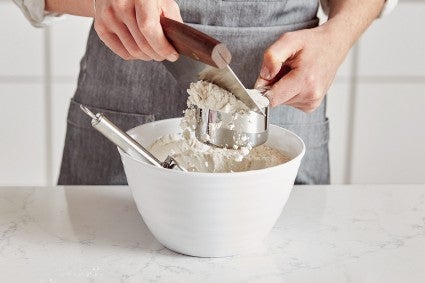
After pouring dry ingredients into a liquid cup, use a flat edge to level the top. This removes extra ingredient and gives a true measure.
A flat edge like the back of a knife works well. Hold it straight and gently scrape across the cup’s rim.
- Fill the cup slightly above the mark
- Use a flat edge to level the ingredient
- Check that the top is even with the measuring line
Avoiding Overpacking
Do not press or pack the dry ingredient into the liquid cup. Overpacking adds more ingredient than needed.
Pour the ingredient loosely and let it settle naturally. This keeps the measurement accurate and prevents extra weight.
- Pour dry ingredients gently into the cup
- Do not shake or tap the cup to settle the ingredient
- Level with a flat edge without pressing down
Better Alternatives For Measuring Dry Ingredients
Using a liquid measuring cup for dry ingredients can cause errors. Dry ingredients need to be measured differently for accuracy. This helps make recipes turn out right every time.
There are better tools to measure dry ingredients. These tools give you exact amounts and avoid mistakes.
Standard Dry Measuring Cups
Standard dry measuring cups are made for dry ingredients like flour and sugar. They come in sets with different sizes. These cups let you fill and level off the ingredient for a precise amount.
They are usually made of metal or plastic and have straight edges. This helps you level the ingredient with a flat tool. This method is more accurate than using a liquid cup.
- Use the right size cup for the amount needed
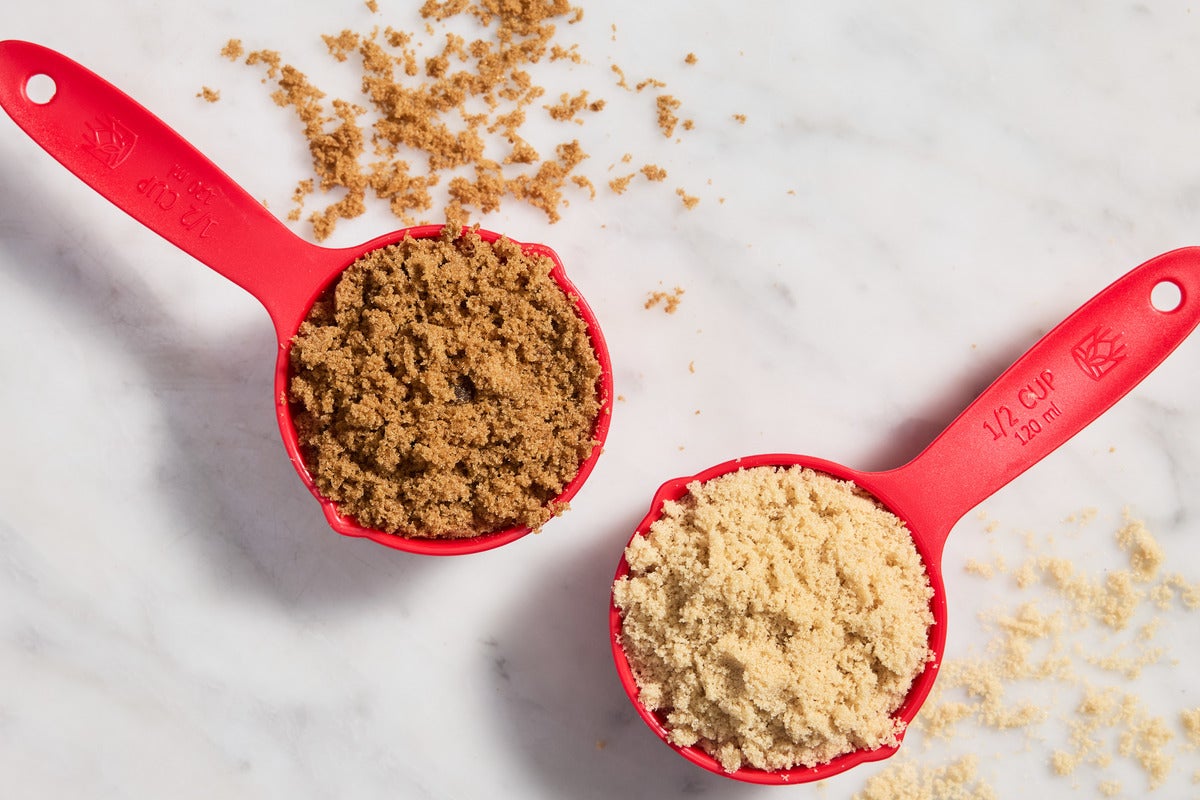
- Fill the cup without packing the ingredient
- Level off the top with a knife or spatula
Using A Kitchen Scale
A kitchen scale is the most accurate way to measure dry ingredients. It shows the weight of the ingredient in grams or ounces. This method removes guesswork from measuring.
You just place a bowl on the scale, zero it, and add the ingredient until you reach the right weight. It works well for all dry ingredients, even small amounts.
- Place a bowl on the scale and zero it
- Add dry ingredient until desired weight shows
- Use a scale with grams for best precision
Common Mistakes To Avoid
Using a liquid measuring cup for dry ingredients can cause errors in your recipes. Many cooks do not realize why this happens.
This guide explains common mistakes when using liquid measuring cups for dry items. Avoid these to get better results.
Ignoring Ingredient Type
Different ingredients need specific measuring tools. Liquid measuring cups suit wet ingredients like milk or oil. Dry ingredients like flour or sugar require dry measuring cups.
- Dry ingredients pack down in liquid cups, making the amount wrong.
- Liquid cups have a spout, which makes leveling dry ingredients hard.
- Dry cups let you fill and level off for exact amounts.
- Using wrong cups can change your recipe’s texture and taste.
Relying Solely On Volume
Measuring only by volume can cause mistakes. Different brands and types of ingredients weigh differently even if the volume is the same.
| Ingredient | Volume | Approximate Weight |
|---|---|---|
| All-purpose flour | 1 cup | 120 grams |
| Brown sugar | 1 cup (packed) | 220 grams |
| Granulated sugar | 1 cup | 200 grams |
Using a kitchen scale with weight measurements is more accurate. This avoids errors that volume-only measures cause.
Credit: www.kingarthurbaking.com
Frequently Asked Questions
Can Liquid Measuring Cups Measure Dry Ingredients Accurately?
Liquid measuring cups can measure dry ingredients, but they’re not ideal. They may lead to inaccurate measurements due to their design. For precise baking results, use dry measuring cups. They ensure ingredients are leveled correctly, providing accurate measurements, which is crucial for recipes requiring exact ingredient quantities.
Why Are Liquid And Dry Measuring Cups Different?
Liquid and dry measuring cups differ in design for accuracy. Liquid cups have spouts for easy pouring, while dry cups allow leveling off ingredients. Each type is tailored to its respective purpose, ensuring precise measurements for cooking or baking, and helping achieve the desired texture and taste in recipes.
Is It Okay To Use One Cup Type For Both?
Using one cup type for both is not recommended. This can lead to inaccurate measurements. Liquid and dry ingredients have different volume needs. Using the correct cup ensures precision. For best results in recipes, use the appropriate measuring tool for each ingredient type.
What Happens If I Use The Wrong Measuring Cup?
Using the wrong measuring cup can lead to recipe failures. Liquid ingredients might overflow, while dry ingredients may be under-measured. This can affect the texture and taste of your dish. Precision in measuring ensures your recipe turns out as intended, maintaining both quality and flavor.
Conclusion
Using a liquid measuring cup for dry ingredients may cause errors in measurement. Dry ingredients pack differently than liquids do. This can change the recipe’s outcome. For best results, use the right tool for each ingredient. Dry measuring cups help measure flour, sugar, and other solids accurately.
Save liquid cups for water, milk, or oil. Choosing the proper cup makes cooking easier and tastier. Keep your kitchen tools simple and effective. That way, every dish turns out just right.