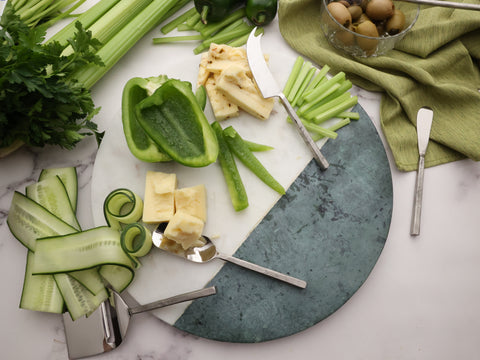
Have you ever wondered if marble can be a good cutting board for your kitchen? You might be drawn to its sleek, elegant look and wonder if it’s practical enough for chopping vegetables or slicing meat.
But before you bring home a slab of marble, it’s important to know how it will affect your knives and your food. You’ll discover the pros and cons of using marble as a cutting surface, so you can decide if it’s the right choice for your cooking needs.
Keep reading to find out what you need to know before making your next kitchen upgrade.

Credit: www.amazon.in
Marble As A Cutting Surface
Marble is a popular material for kitchen surfaces. It looks elegant and feels cool to touch. Many wonder if it is good for cutting boards.
This article explains marble’s features and its use in kitchens. It helps you decide if marble suits your cutting needs.
Material Characteristics
Marble is a natural stone. It is hard but can scratch easily. It is not very porous but can absorb stains from liquids like wine or lemon juice.
- Hard and durable surface
- Can dull knives quickly
- Prone to scratches and chips
- Absorbs stains if not sealed
- Feels cool and smooth
Common Uses In The Kitchen
Marble is often used for pastry boards and countertops. Its cool surface is ideal for rolling dough. People also use it for serving trays and decorative cutting boards.
| Use | Benefit | Consideration |
|---|---|---|
| Pastry board | Keeps dough cool and prevents sticking | Needs cleaning to avoid stains |
| Countertop | Strong and stylish surface | Can scratch and stain |
| Cutting board | Hard surface | Can dull knives and chip |

Credit: inoxflatware.com
Advantages Of Marble Cutting Boards
Marble cutting boards offer many benefits in the kitchen. They provide a strong and stylish surface for food preparation.
Using marble boards can improve your cooking experience in several ways. They are not just beautiful but also practical.
Durability And Strength
Marble is a hard stone that resists scratches and cuts well. It lasts a long time even with daily use.
This durability means you do not need to replace your board often. It can handle heavy chopping and slicing without damage.
Aesthetic Appeal
Marble boards add a touch of elegance to your kitchen. Their natural patterns make each board unique and beautiful.
The smooth, glossy finish looks clean and bright. Marble boards can also double as serving trays for guests.
Cool Surface Benefits
Marble stays cool even in warm kitchens. This helps keep food fresh while you work on it.
The cool surface is perfect for rolling dough or cutting fruits. It can prevent sticky or soft foods from sticking.
Drawbacks Of Marble Cutting Boards
Marble cutting boards look elegant but have some downsides. These issues can affect your kitchen experience.
Knowing these drawbacks helps you decide if marble is the right choice for your cutting needs.
Potential For Knife Damage
Marble is very hard and can dull your knives quickly. Cutting on marble may cause chips or cracks on your blades. Using marble boards means more frequent sharpening.
Porosity And Staining
Marble is porous and can absorb liquids easily. This makes it prone to stains from juices, oils, and acids. Cleaning marble boards requires extra care to avoid discoloration.
- Absorbs liquids and odors
- Can develop permanent stains
- Needs regular sealing to protect surface
- Not ideal for cutting acidic foods like lemons or tomatoes
Weight And Portability Issues
Marble boards are heavy and hard to move. This makes them less practical for daily use or carrying around the kitchen.
| Feature | Marble Cutting Board | Wooden Cutting Board |
| Weight | Heavy | Light |
| Ease of Moving | Difficult | Easy |
| Surface Hardness | Very Hard | Moderate |
Maintaining Marble Cutting Boards
Marble cutting boards add elegance to your kitchen. They need special care to stay beautiful.
Proper maintenance helps marble last longer and keeps it safe for food use.
Cleaning Techniques
Clean marble cutting boards gently to avoid scratches or damage. Use soft cloths and mild soap.
- Wipe the surface with warm water and gentle dish soap.
- Use a soft sponge or cloth, not abrasive scrubbers.
- Rinse well to remove soap residue.
- Dry the board completely with a clean towel.
- Avoid soaking marble in water for a long time.
Sealing And Protection
Sealing marble helps keep stains and liquids from soaking in. It is important to reapply sealant often.
| Sealant Type | Recommended Frequency |
| Penetrating Sealant | Every 3 to 6 months |
| Topical Sealant | Every 1 to 2 months |
| Natural Oils | Monthly application |
Avoiding Common Mistakes
Some errors can ruin marble cutting boards fast. Avoid these mistakes to keep your board safe.
- Do not cut directly on marble with sharp knives.
- Never use acidic cleaners like vinegar or lemon juice.
- Avoid placing hot pots or pans on the marble.
- Do not use harsh or abrasive cleaning tools.
- Keep the board dry after cleaning to prevent stains.
Best Practices For Using Marble Boards
Marble cutting boards look elegant and can be useful in the kitchen. They are cool and smooth, which helps with some food prep tasks.
Using marble boards the right way keeps them safe and lasts longer. It also protects your knives and keeps food clean.
Choosing Suitable Tasks
Marble boards are best for tasks that do not dull knives quickly. They work well for rolling dough or cutting soft foods.
Avoid cutting hard foods like bones or frozen items on marble. This can crack the board or damage your knives.
- Good for rolling dough
- Suitable for slicing fruits and vegetables
- Not ideal for chopping hard or frozen foods
- Avoid heavy pounding or using sharp cleavers
Combining With Other Materials
Use marble boards with wooden or plastic boards to protect knives. Marble is hard and can dull blades faster than softer surfaces.
Switch between boards to match the task. Use marble for cool, gentle work and wood or plastic for heavy cutting.
- Use marble for rolling dough or cutting soft foods
- Use wood or plastic for chopping and heavy cutting
- Keep marble boards for serving or presentation
- Clean all boards properly to avoid cross-contamination
Safety Tips
Keep marble boards clean and dry to prevent bacteria growth. Marble is porous and can absorb liquids if not sealed well.
Handle the board carefully. Marble is heavy and can break if dropped. Use a stable surface to avoid slipping.
- Seal the marble board regularly to prevent stains
- Clean with mild soap and warm water after each use
- Dry completely before storing
- Place non-slip pads under the board
- Do not drop or hit the marble board

Credit: www.amazon.in
Frequently Asked Questions
Is Marble Good For Cutting Boards?
Marble is not ideal for cutting boards. It’s hard and can dull knives quickly. The surface is also slippery, making it unsafe. Marble is porous, which can absorb stains and odors. Use wood or plastic for better results. They’re more knife-friendly and hygienic.
Does Marble Damage Knife Blades?
Yes, marble can damage knife blades. It’s a hard material that dulls edges quickly. Frequent use on marble requires more sharpening. For better blade longevity, use wooden or plastic cutting boards. They’re softer and maintain sharpness longer.
Are Marble Cutting Boards Hygienic?
Marble cutting boards are less hygienic. They’re porous and can absorb bacteria and odors. Regular cleaning helps but doesn’t fully prevent contamination. Wooden or plastic boards are easier to sanitize. These materials are less porous and safer for food preparation.
Can Marble Withstand Heavy Chopping?
Marble is not ideal for heavy chopping. It’s a brittle material that can crack or chip under force. Additionally, marble’s hard surface can damage knives. Use a wooden or plastic board for heavy chopping. These materials are more durable and knife-friendly.
Conclusion
Marble can work as a cutting board, but with some limits. It looks nice and stays cool, which is good for baking tasks. Still, it can dull knives and may crack if hit hard. Cleaning is easy, but marble can stain from some foods.
Choose marble if you want style and don’t cut often on it. Otherwise, wood or plastic might be better. Think about what you need before buying. Marble cutting boards have pros and cons to keep in mind.