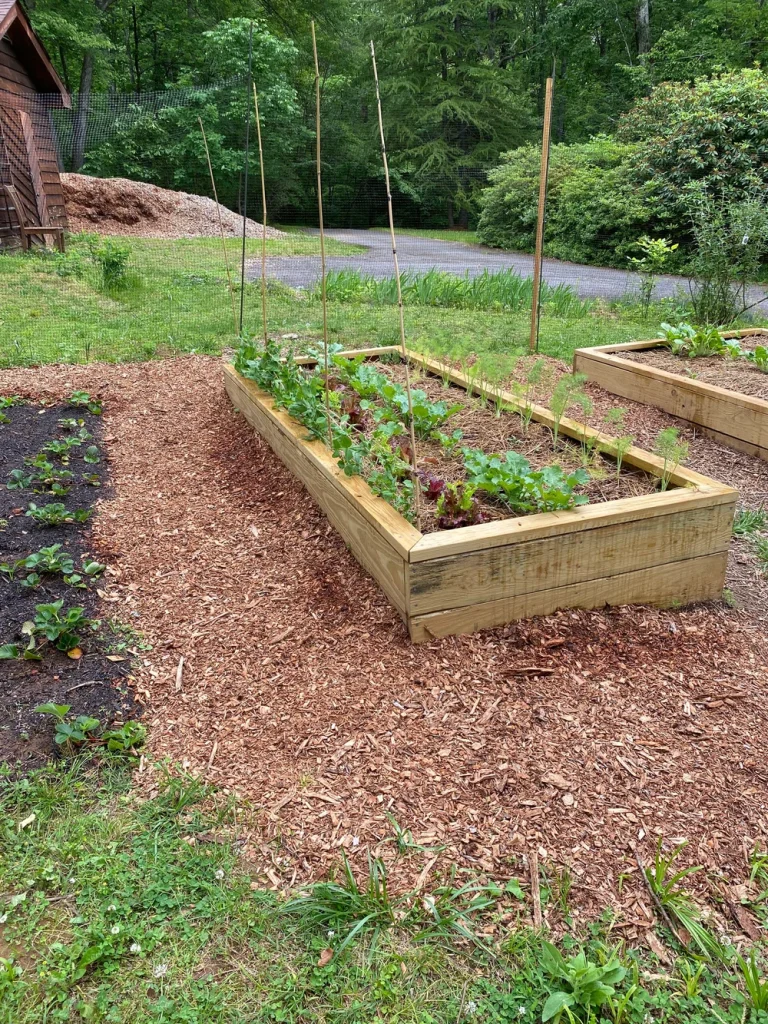
Are you wondering if mulch can be a good fit for your raised garden bed? You’re not alone.
Many gardeners ask this question because mulch promises to keep soil moist, control weeds, and improve plant health. But does it really work the same way in raised beds? Understanding how mulch interacts with your garden soil can make a big difference in your plants’ growth and your gardening success.
Keep reading to discover the truth about using mulch in raised garden beds and how it can transform your gardening experience.
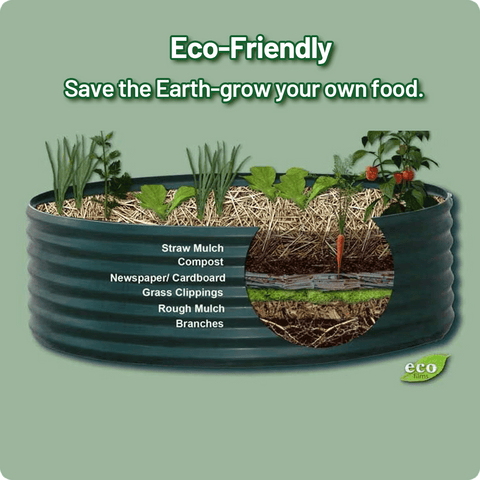
Credit: www.ollegardens.com
Benefits Of Mulch In Raised Beds
Mulch is a valuable addition to any raised garden bed. It helps improve growth by providing many advantages. Let’s explore these benefits in detail.
Moisture Retention
Mulch helps keep the soil moist by reducing evaporation. This means plants get the water they need to thrive.
Weed Suppression
Weeds compete with plants for nutrients. Mulch blocks sunlight from reaching weed seeds. This reduces the number of weeds in your garden.
- Less weeding means more time for other gardening tasks.
- Fewer weeds lead to healthier plants.
- Mulch creates a barrier, stopping weed growth.
Soil Temperature Regulation
Mulch keeps the soil temperature steady. It protects plant roots from extreme heat and cold.
| Season | Effect of Mulch |
| Summer | Keeps soil cool |
| Winter | Keeps soil warm |
Nutrient Enhancement
As mulch breaks down, it adds nutrients to the soil. This process enriches the soil, promoting plant growth.
Types Of Mulch Suitable For Raised Beds
Mulch helps keep soil moist and prevents weeds in raised garden beds. It also adds nutrients and keeps plants healthy.
You can choose from many types of mulch. Some break down and enrich the soil. Others protect without changing the soil much.
Organic Mulches
Organic mulches come from natural materials. They improve soil by adding nutrients as they decay. They also help soil stay cool and moist.
- Wood chips or bark
- Straw or hay
- Grass clippings
- Leaves
- Compost
Inorganic Mulches
Inorganic mulches do not break down. They block weeds and keep moisture but do not add nutrients. They last a long time and need little care.
| Type | Purpose | Notes |
| Plastic sheeting | Blocks weeds and retains heat | Use black or clear plastic |
| Landscape fabric | Allows water through but blocks weeds | Good for long-term beds |
| Gravel or stones | Keeps soil cool and prevents erosion | Best for dry climates |
Choosing Based On Plant Needs
Some plants need specific mulch types. Choose mulch that helps plants grow strong and stay healthy.
- Use organic mulch for vegetables and flowers.
- Inorganic mulch suits plants that need dry soil.
- Check if mulch changes soil acidity before use.
- Consider mulch thickness to avoid root problems.
How To Apply Mulch Correctly
Mulching helps keep your raised garden bed healthy. It controls weeds and keeps soil moist.
Applying mulch the right way makes your garden grow better. Follow simple steps for best results.
Preparing The Raised Bed
Start by removing weeds and debris from the raised bed. Clear the surface to make mulch effective.
Water the soil before adding mulch. Moist soil helps mulch stay in place and benefits plants.
Mulch Thickness Guidelines
Use the right mulch thickness to protect plants and soil. Too little or too much mulch can cause problems.
- Apply 2 to 3 inches of mulch for most plants.
- Keep mulch 1 to 2 inches away from plant stems.
- Thin mulch layers dry out faster; thick layers may block water.
Timing For Mulching
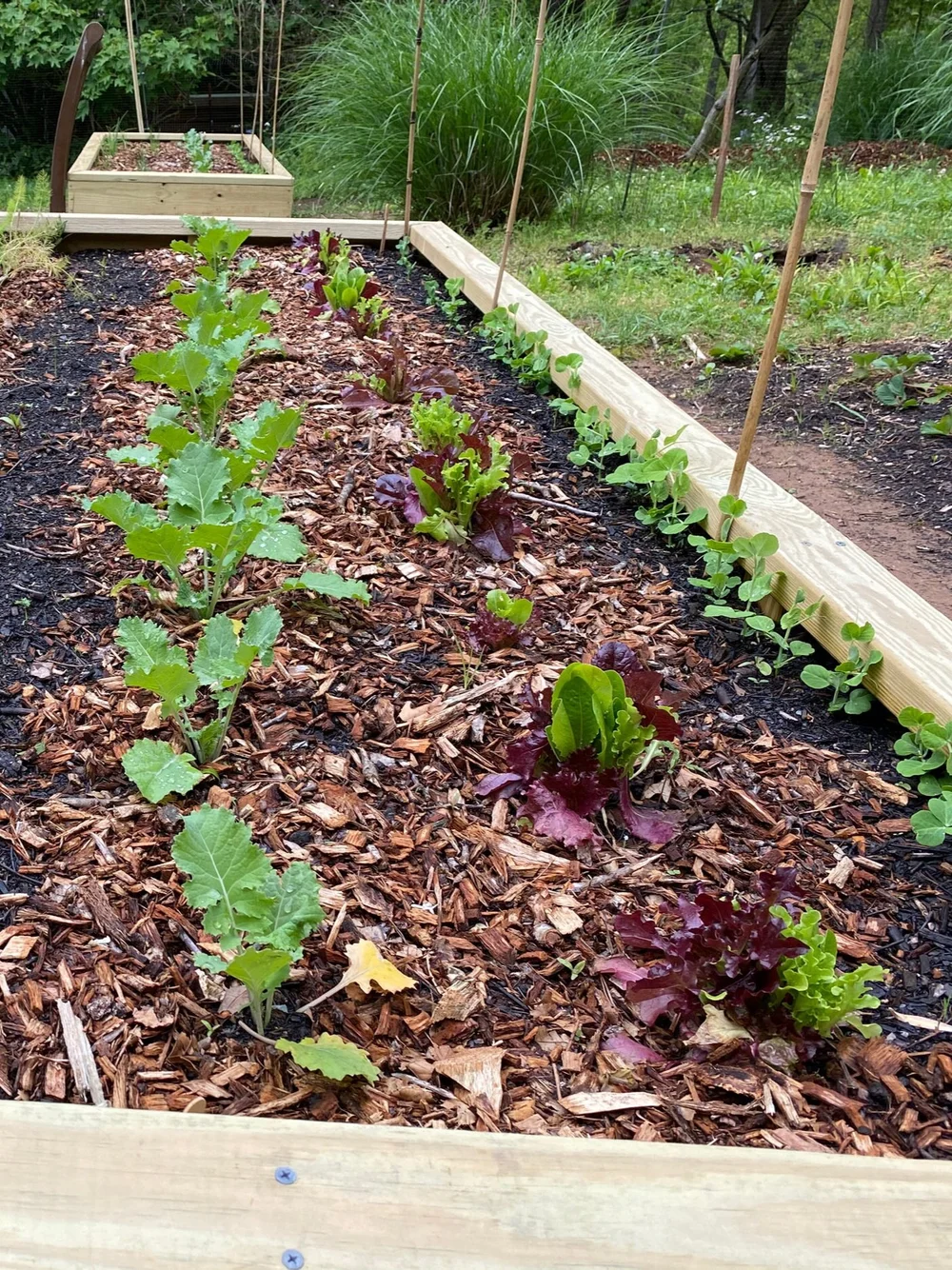
Mulch after planting your seeds or seedlings. This helps protect young plants from weeds and temperature changes.
Add mulch in spring or early summer for best growth. You can also mulch in fall to protect soil over winter.
Credit: www.thunderbirddisco.com
Common Mistakes To Avoid
Mulching a raised garden bed helps keep soil moist and controls weeds. Still, some mistakes can harm your plants.
Understanding these mistakes helps you use mulch the right way in your garden bed.
Over-mulching Risks
Adding too much mulch can stop air and water from reaching plant roots. This can cause roots to rot or dry out.
Too thick mulch can also attract pests and create mold problems on the soil surface.
- Keep mulch layer 2 to 3 inches thick
- Do not pile mulch against plant stems
- Check mulch depth regularly
Using The Wrong Mulch Type
Not all mulches fit raised beds. Some break down fast and need frequent replacement.
Mulches like fresh wood chips may take nitrogen from soil, hurting plant growth.
- Use aged wood chips or bark
- Straw or shredded leaves work well
- Avoid dyed or treated mulches
Neglecting Soil Health
Mulch helps, but soil needs care too. Poor soil limits plant growth even with mulch.
Not testing soil or adding nutrients can cause weak plants and low yields in raised beds.
- Test soil yearly
- Add compost or organic matter
- Balance soil pH for your plants
Maintaining Mulch In Raised Beds
Mulch helps keep soil moist and stops weeds in raised garden beds. It also adds nutrients to the soil as it breaks down.
To keep your raised bed healthy, you need to maintain the mulch properly. This means knowing when to add more, how to handle pests, and adjusting for the seasons.
When To Replenish
Mulch breaks down over time and thins out. You should add new mulch to keep a 2-3 inch layer on top. This helps soil stay cool and moist.
- After heavy rain or strong wind that moves mulch
- Every spring before planting new crops
- When you notice bare soil or weeds starting to grow
- At the end of the growing season to protect soil over winter
Dealing With Pests
Mulch can attract pests like slugs and insects. Watch your garden closely to spot any problems early. Using mulch that breaks down slowly helps reduce pests.
| Pest | Signs | Action |
|---|---|---|
| Slugs | Holes in leaves, slimy trails | Remove mulch near plants, handpick slugs |
| Ants | Ant hills in mulch | Break up mulch, use natural repellents |
| Fungus gnats | Small flies around soil | Let soil dry between watering |
Seasonal Adjustments
Change your mulch care as the seasons change. Mulch protects roots from cold in winter. In summer, it helps keep soil cool and moist.
- Spring: Add fresh mulch to prepare for planting
- Summer: Check mulch depth and water as needed
- Fall: Add extra mulch to insulate roots
- Winter: Leave mulch in place to protect soil

Credit: www.reddit.com
Mulch Impact On Different Plants
Mulch helps keep soil moist and controls weeds in garden beds. It also protects plant roots from temperature changes. Using mulch in raised garden beds can benefit many types of plants.
Different plants react to mulch in various ways. Some plants like it more than others. Knowing how mulch affects vegetables, herbs, and flowers helps you care for your garden better.
Vegetables
Mulch keeps soil warm and moist, which helps many vegetables grow well. It also stops weeds that take nutrients from your plants. Root vegetables like carrots and beets do well with mulch on top.
- Tomatoes benefit from mulch as it reduces soil splashing and disease.
- Leafy greens prefer lighter mulch to avoid too much moisture.
- Peppers grow better with mulch that keeps soil warm.
Herbs
Herbs like well-drained soil and usually need less mulch than vegetables. Too much mulch can cause herbs to rot or grow weak. Mulch helps keep soil temperature steady but should be used carefully.
| Herb | Mulch Use | Effect |
| Basil | Light | Prevents soil drying |
| Rosemary | Minimal | Avoids excess moisture |
| Mint | Moderate | Controls weeds but watch moisture |
Flowers
Mulch helps flowers by keeping soil moist and cool. It can improve flower growth and color. Some flowers like daffodils and tulips do well with thick mulch layers.
Here are some mulch tips for flowers:
- Use organic mulch like shredded leaves or bark.
- Keep mulch a few inches away from flower stems.
- Refresh mulch yearly for best results.
Frequently Asked Questions
Can Mulch Improve Soil In Raised Garden Beds?
Yes, mulch helps retain moisture, regulate temperature, and suppress weeds. It also adds organic matter, enriching soil quality over time.
What Types Of Mulch Are Best For Raised Beds?
Organic mulches like straw, wood chips, and shredded leaves work best. They decompose gradually, feeding plants and improving soil structure naturally.
How Often Should Mulch Be Applied In Raised Beds?
Mulch should be replenished every 1 to 2 years. Check thickness regularly and add more when it thins to maintain benefits.
Will Mulch Attract Pests To Raised Garden Beds?
Mulch can attract pests if too thick or damp. Use moderate layers and avoid piling mulch against plant stems to reduce risks.
Conclusion
Mulch works well in raised garden beds. It helps keep soil moist and cool. Mulch also stops weeds from growing too much. Choose the right type for your plants. Regularly check the mulch to avoid pests. Using mulch can improve your garden’s health.
It saves time and keeps plants happy. Give mulch a try in your raised bed. You will see the benefits soon. Gardening becomes easier and more fun this way.