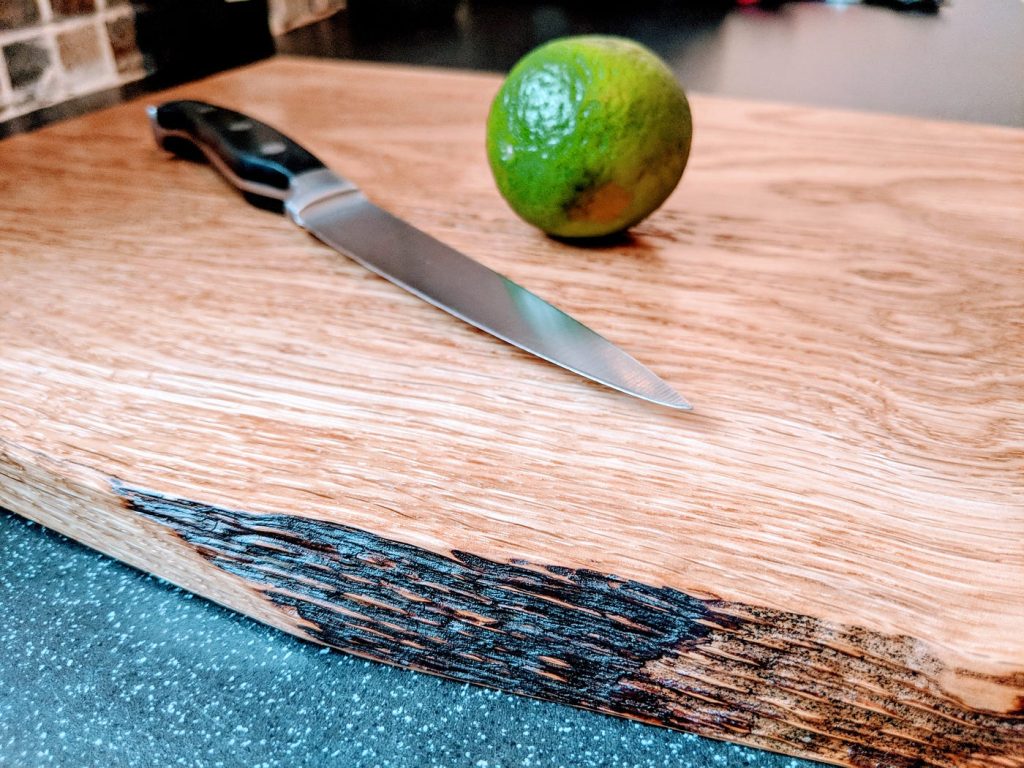
Are you thinking about making or buying a cutting board and wondering if oak is a good choice? You want a board that’s durable, safe, and easy to care for.
Oak is a popular wood, but is it really the best for your kitchen? You’ll discover the pros and cons of using oak for a cutting board. By the end, you’ll know if oak fits your needs or if you should look elsewhere.
Keep reading to make the best decision for your kitchen tools.
Benefits Of Using Oak For Cutting Boards
Oak is a popular choice for cutting boards. It offers many useful features. This wood works well for daily kitchen use.
Using oak for your cutting board can improve your cooking experience. It is strong, attractive, and safe.
Durability And Strength
Oak is a hardwood that can handle tough use. It resists deep cuts and dents. This means your cutting board will last a long time.
- Hard and dense wood structure
- Resists splitting and cracking
- Maintains shape after heavy use
- Easy to sand and refinish if needed
Natural Beauty And Aesthetic Appeal
Oak has a warm, natural look. It has a unique grain that adds charm to your kitchen. The wood tones fit many styles and decors.
| Oak Feature | Description |
| Color | Light to medium brown with reddish hues |
| Grain Pattern | Distinct and attractive with visible rays |
| Finish | Smooth and natural when oiled |
Resistance To Bacteria
Oak naturally resists bacteria growth. Its tight grain limits moisture absorption. This keeps your board cleaner and safer for food.
- Oak wood contains natural antimicrobial properties
- Moisture resistance helps prevent bacteria buildup
- Easy to clean and maintain with regular oiling
Drawbacks Of Oak Cutting Boards
Oak is a popular wood for many uses, but it has some problems for cutting boards. These issues may affect your kitchen work and board longevity.
Understanding the drawbacks helps you decide if oak fits your needs for a cutting board.
Tendency To Dull Knives
Oak is a hard wood with a rough grain. This can make your knives dull faster than softer woods. The hardness wears down the blade edges quickly.
- Knives need more frequent sharpening.
- Cutting feels less smooth and may require more effort.
- Using oak boards may shorten knife life.
Potential For Warping And Cracking
Oak wood can change shape if it gets too wet or dry. Warping and cracking can happen over time. This damages the cutting surface and makes it unsafe.
| Cause | Effect on Oak Cutting Board |
| High moisture | Swelling and warping |
| Low moisture | Drying and cracking |
| Rapid temperature change | Splitting and damage |
Weight And Handling Challenges
Oak is a dense, heavy wood. Cutting boards made from oak can be hard to lift and move. This makes cleaning and storage less convenient.
Heavy boards also increase the risk of dropping and injury during handling.
Types Of Oak Suitable For Cutting Boards
Oak is a popular wood choice for cutting boards. It is strong and looks nice. Not all oak types work well for cutting boards.
Knowing which oak type suits cutting boards helps you pick the best wood. This guide explains two main oak types.
White Oak Characteristics
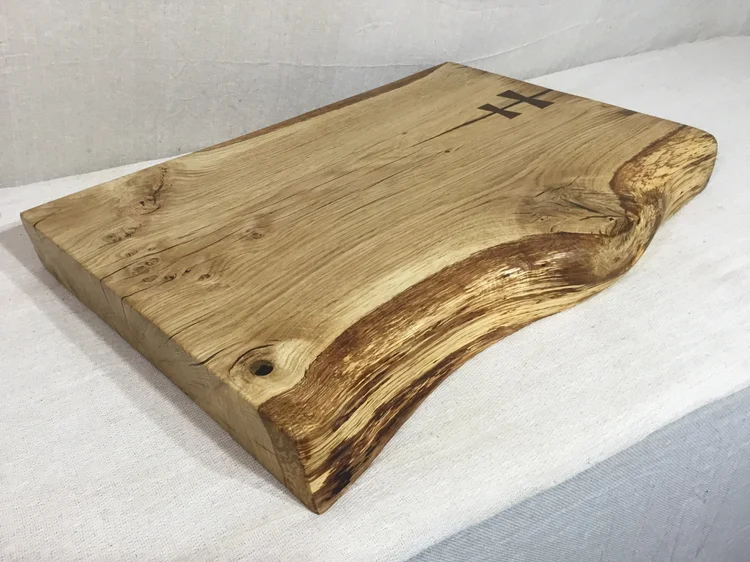
White oak is a dense and durable wood. It has a tight grain that resists moisture well. This makes it a good option for cutting boards.
White oak is less likely to absorb water. It also resists bacteria better than some other woods. The color is light with a golden tone.
- Strong and hard wood
- Close grain resists moisture
- Good natural resistance to bacteria
- Light, warm color
Red Oak Considerations
Red oak is softer than white oak. It has an open grain structure that can soak up water. This may cause the board to warp or crack.
The red color is attractive but less ideal for cutting boards. It may need more care and sealing to last long. Some people avoid red oak for food use due to its porous nature.
- Less dense and softer wood
- Open grain absorbs moisture
- Needs more maintenance
- Red color with visible pores
Credit: ianwood.design
Maintenance Tips For Oak Cutting Boards
Oak cutting boards are strong and last a long time if you care for them well. Proper maintenance keeps the wood safe and clean.
This guide covers how to clean, oil, and store your oak cutting board to keep it in good shape.
Proper Cleaning And Sanitizing
Clean your oak cutting board after each use. Use warm water and mild soap to remove food bits.
Do not soak the board in water or put it in a dishwasher. This can cause the wood to crack or warp.
- Wash with warm, soapy water
- Rinse well and dry immediately
- Use a vinegar solution to sanitize
- Avoid harsh chemicals or bleach
Regular Oil Treatments
Oiling your oak cutting board keeps the wood from drying out. It also helps prevent cracks and stains.
Apply food-safe mineral oil or beeswax once a month or when the wood looks dry.
- Use a clean cloth to apply oil evenly
- Let the oil soak in for several hours
- Wipe off any extra oil with a dry cloth
- Repeat oiling more often in dry climates
Storage And Handling Guidelines
Store your oak cutting board in a dry place. Avoid areas with high heat or moisture.
Handle the board gently to avoid dropping or banging it. This helps prevent dents and cracks.
- Keep the board upright to dry properly
- Do not stack heavy items on top
- Use both sides to avoid uneven wear
- Check regularly for signs of damage
Expert Opinions On Oak Cutting Boards
Oak is a popular wood choice for many kitchen tools. People often ask if oak is good for cutting boards. This article shares expert opinions on using oak boards.
We look at what professional chefs and woodworking experts say. Their insights help you decide if oak suits your kitchen needs.
Insights From Professional Chefs
Professional chefs value cutting boards that are durable and safe. Many chefs find oak boards strong enough to handle daily use.
- Oak is hard and resists knife marks well.
- Its grain tightness helps prevent deep cuts.
- Some chefs worry about oak’s open pores trapping bacteria.
- Regular oiling keeps oak boards hygienic and looking good.
- Chefs recommend cleaning oak boards carefully after use.
Woodworking Experts’ Views
Woodworkers study wood types for many uses, including cutting boards. They agree oak has pros and cons for kitchen cutting surfaces.
| Aspect | Oak Wood |
| Hardness | High – durable and resistant to dents |
| Grain | Open, which may absorb moisture |
| Maintenance | Needs regular oiling to stay sealed |
| Longevity | Long-lasting with proper care |
| Safety | Safe if cleaned and dried well |

Credit: medium.com
Alternative Wood Options
Oak is a strong wood, but it may not be the best for cutting boards. Some woods work better for food preparation and last longer. Let’s look at some common alternatives.
Choosing the right wood can make your cutting board safer and easier to clean. Different woods have different looks and benefits.
Maple As A Popular Choice
Maple is one of the most popular woods for cutting boards. It is hard and dense, so it resists knife marks well. It also has a smooth surface that is easy to clean.
Many chefs prefer maple because it does not dull knives quickly. It also has natural antibacterial properties, which helps keep food safe.
Bamboo And Its Benefits
Bamboo is not a wood but a fast-growing grass. It is very hard and durable, making it great for cutting boards. Bamboo boards are light and easy to handle.
Bamboo is eco-friendly because it grows quickly. It resists water well and does not soak up moisture easily, reducing the chance of bacteria growth.
Comparing Walnut And Oak
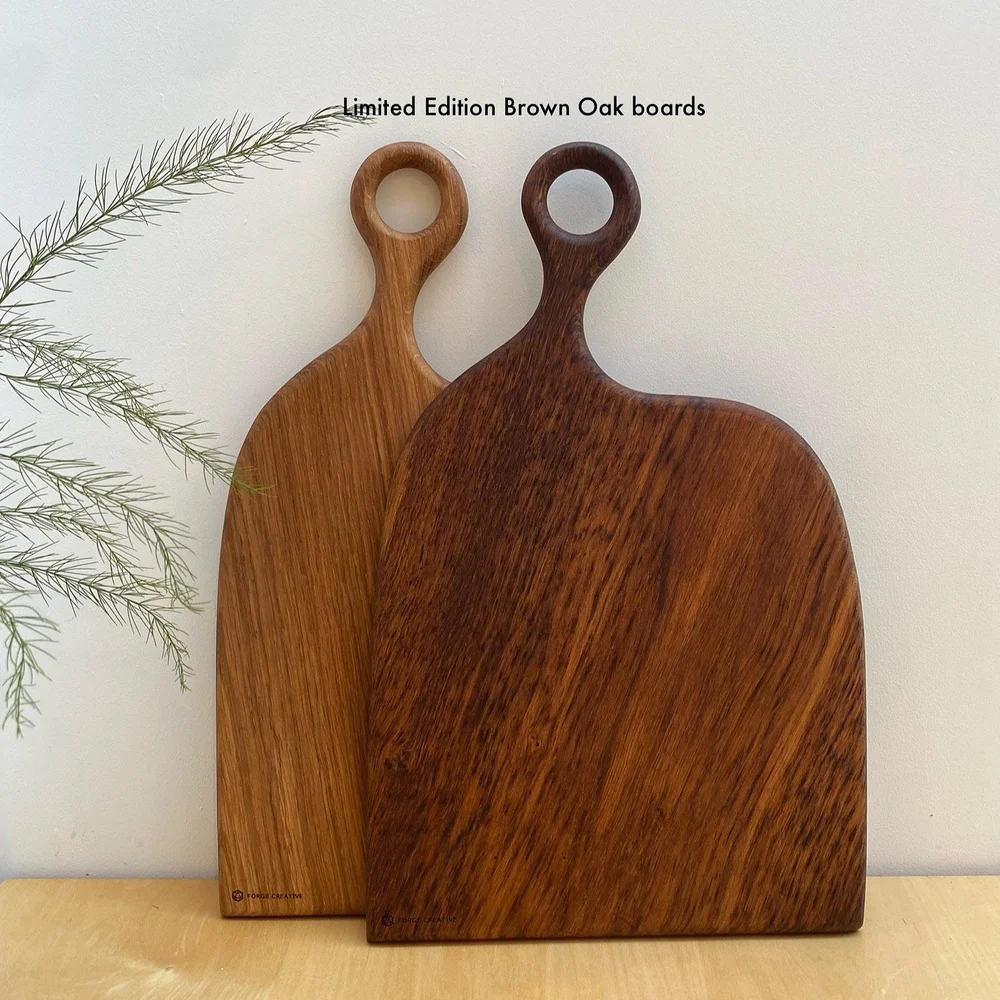
Walnut and oak look similar but have different qualities. Walnut is softer than oak, so it is gentler on knives. It has a dark, rich color that many people like.
Oak is very hard but has large pores that can trap bacteria. Walnut’s tighter grain makes it easier to clean. Both woods can be used, but walnut is often better for cutting boards.
- Walnut is softer and easier on knives
- Oak is harder but can trap more bacteria
- Walnut has a smooth, tight grain
- Oak has a coarse, open grain
Credit: forgecreative.co
Frequently Asked Questions
Is Oak Safe For Making Cutting Boards?
Yes, oak is safe for cutting boards. It is a durable hardwood that resists knife marks and bacteria. However, its open grain can absorb moisture, so proper sealing is necessary to prevent warping and contamination.
Does Oak Cutting Board Dull Knives Quickly?
Oak cutting boards are moderately hard and can dull knives slightly faster than softer woods. Still, they provide a good balance between durability and knife-friendliness, making them suitable for everyday kitchen use.
How To Maintain An Oak Cutting Board?
To maintain oak cutting boards, clean them with mild soap and water after use. Regularly oil them with food-safe mineral oil to prevent drying and cracking. Avoid soaking or putting them in the dishwasher.
Is Oak Better Than Maple For Cutting Boards?
Oak is durable but more porous than maple. Maple has a tighter grain, making it less prone to bacteria absorption. Both are good, but maple often edges out oak for cutting board use.
Conclusion
Oak can work well for cutting boards if cared for properly. Its hardness helps resist deep cuts and scratches. The open grain may absorb moisture, so regular oiling is key. Oak boards need more attention to stay clean and safe.
Many people enjoy oak’s natural look and durability. Choose oak if you want a sturdy board with a rustic feel. Keep it dry and oiled to last longer. Oak cutting boards can be a good kitchen choice. Simple care makes all the difference.