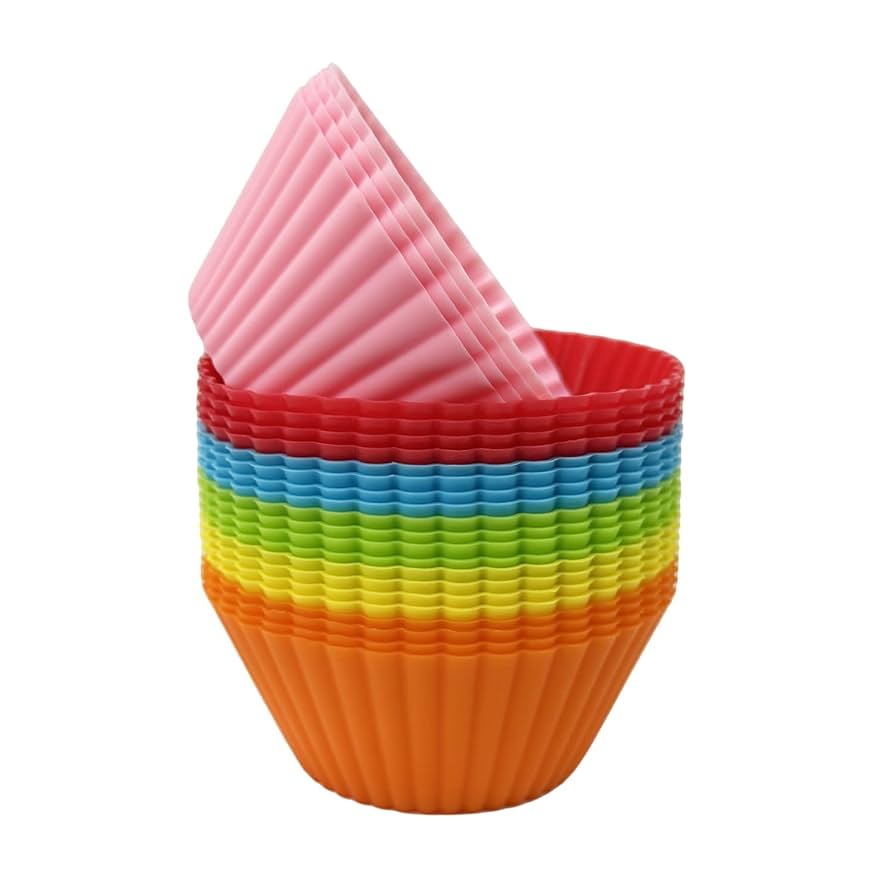
Are you wondering if you can use paper cupcake liners in your silicone pans? If you’ve ever baked with silicone molds, you might have asked yourself this exact question.
Knowing the right way to use liners can save you from sticky messes and ensure your cupcakes come out perfect every time. You’ll discover the best tips to get the most out of your silicone pans and find out whether paper liners are a good fit for them.
Keep reading to avoid common baking mistakes and make your next batch flawless!
Paper Liners Vs Silicone Pans
Paper cupcake liners and silicone pans are popular baking tools. Each has unique qualities that affect baking results and cleanup.
This article compares these items by material, heat resistance, and flexibility. This helps you choose the best option for your baking needs.
Material Differences
Paper liners are thin and disposable. They are made from food-safe paper that can handle moisture and grease.
Silicone pans are made from flexible rubber-like material. They are reusable and designed to last many baking sessions.
- Paper liners are single-use and biodegradable.
- Silicone pans can be used hundreds of times.
- Paper liners need a firm pan to hold shape.
- Silicone pans hold their shape without support.
Heat Resistance
Paper liners handle heat well up to 428°F (220°C). They can brown but will not melt in the oven.
Silicone pans resist heat up to 446°F (230°C). They distribute heat evenly and do not burn or melt.
| Feature | Paper Liners | Silicone Pans |
| Max Heat | 428°F (220°C) | 446°F (230°C) |
| Burn Risk | Possible if overbaked | Low |
| Melting Risk | No | No |
| Heat Distribution | Depends on pan | Even |
Flexibility And Shape
Paper liners are flexible but need a rigid pan to keep their shape. Without a pan, they collapse easily.
Silicone pans are very flexible. They bend without damage and release baked goods easily.
- Paper liners must be placed in metal or glass pans.
- Silicone pans can be bent or folded for storage.
- Silicone pans keep their shape during baking.
- Paper liners may wrinkle or tear if handled roughly.

Credit: www.amazon.com
Using Paper Liners In Silicone Pans
Paper cupcake liners are common in baking. Silicone pans are flexible and non-stick. Using paper liners with silicone pans can change the baking experience.
This guide looks at how to use paper liners in silicone pans well. It covers what works, problems you might face, and tips for easy cupcake removal.
Feasibility And Best Practices
You can use paper liners in silicone pans safely. The liners help keep cupcakes neat and make cleanup easier. Use liners that fit your pan size well.
- Choose sturdy, greaseproof paper liners.
- Place liners carefully to avoid folding or tearing.
- Fill liners with batter to about two-thirds full for best rise.
- Place silicone pans on a baking sheet for stability.
- Preheat the oven fully before baking.
Potential Challenges
Using paper liners in silicone pans may cause some issues. The liners might slip or tilt because silicone is soft. This can lead to uneven baking or spills.
| Challenge | Description | Solution |
| Slipping Liners | Liners may slide inside the flexible pan. | Place pan on a baking sheet to keep steady. |
| Uneven Baking | Soft pans may warp, causing batter to spread unevenly. | Fill liners carefully and bake on a flat surface. |
| Paper Tearing | Thin liners may tear when removing cupcakes. | Use thicker, high-quality liners for strength. |
Tips For Easy Removal
Removing cupcakes from paper liners in silicone pans can be easier with some tricks. Careful handling prevents damage to the cupcakes and liners.
- Let cupcakes cool completely before removal.
- Gently peel the paper liner away from the cupcake sides.
- If stuck, use a small knife to loosen edges carefully.
- Press the bottom of the liner lightly to pop the cupcake out.
- Store cupcakes in liners to keep them fresh and moist.
Alternatives To Paper Liners
Using paper cupcake liners in silicone pans may not always work well. The liners can stick or lose shape. There are good alternatives to paper liners that make baking easier.
This article covers some alternatives like silicone liners, greasing techniques, and reusable options. These choices help you bake cupcakes smoothly without paper liners.
Silicone Liners
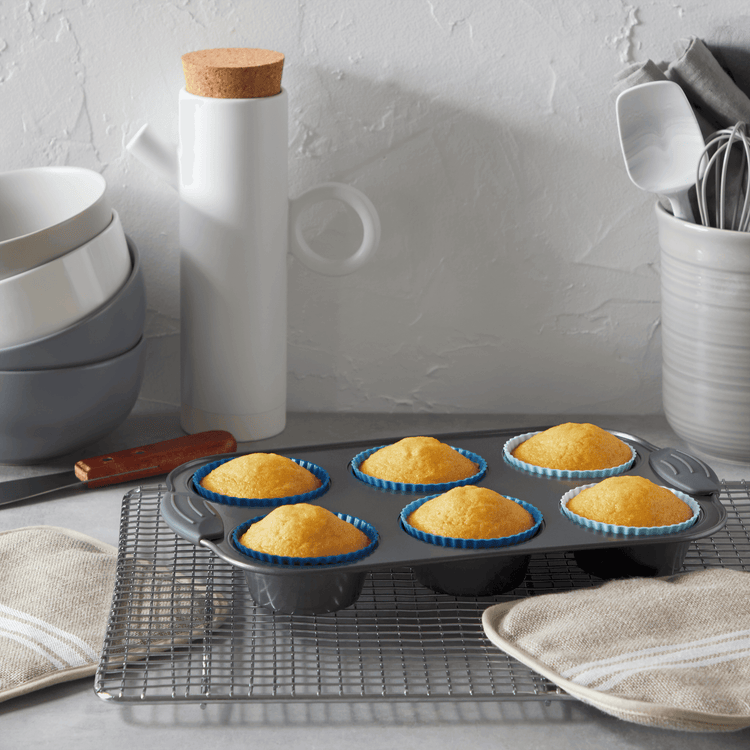
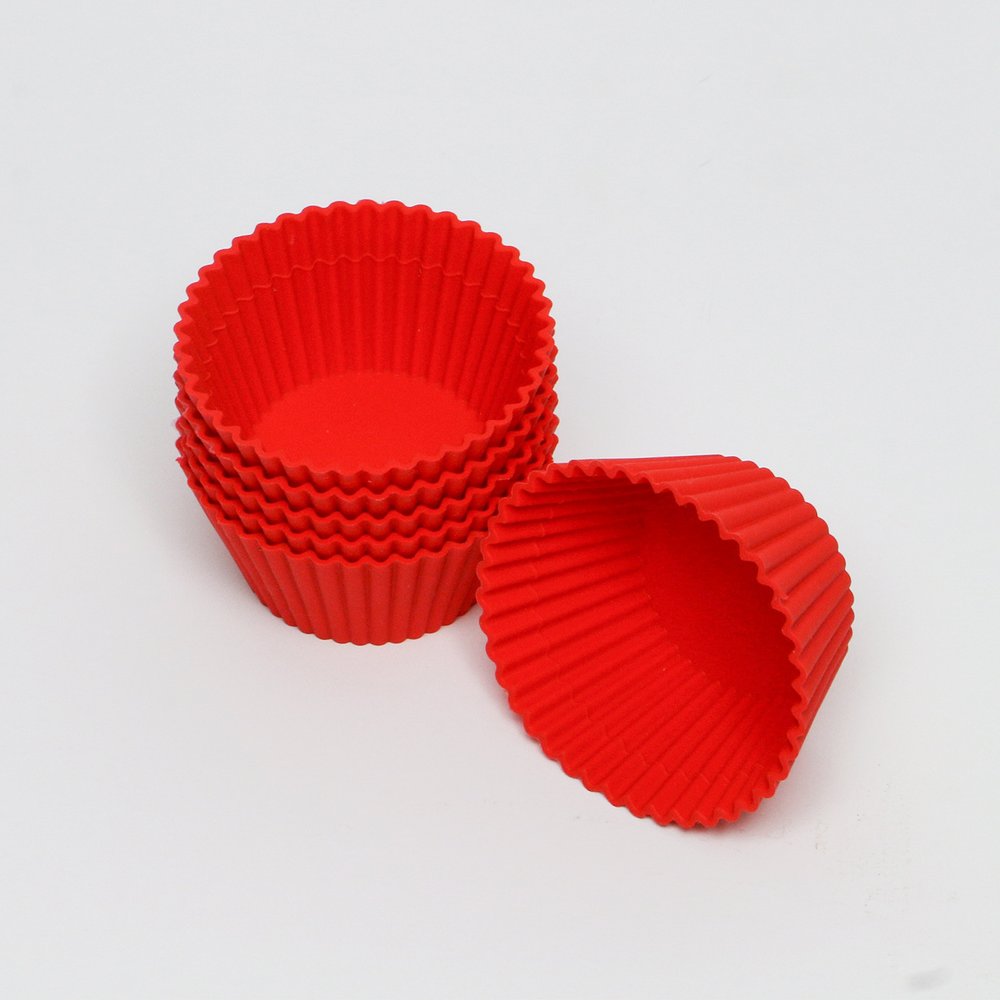
Silicone liners fit perfectly inside silicone pans. They are flexible and non-stick. You can use them many times, and they hold their shape well.
- Easy to clean after use
- Do not tear like paper liners
- Can handle high baking temperatures
- Available in different colors and shapes
Greasing Techniques
Greasing silicone pans is a simple way to avoid using liners. It helps cupcakes come out without sticking.
| Grease Type | How to Use |
| Butter | Apply a thin layer with a brush or paper towel |
| Vegetable Oil | Use a spray or rub lightly on the pan |
| Shortening | Spread evenly before adding batter |
Reusable Options
Reusable options reduce waste and save money. They work well with silicone pans and offer an eco-friendly choice.
- Silicone baking cups: washable and durable
- Metal cupcake molds: use with greasing
- Reusable parchment liners: can be cut to size
Credit: artandcook.com
Cleaning And Maintenance
Using paper cupcake liners in silicone pans is common. Proper cleaning and care help keep your pans in good shape.
Cleaning well removes leftover paper and batter. Good maintenance extends the life of your pans.
Cleaning Silicone Pans
Wash silicone pans with warm, soapy water after baking. Use a soft sponge to avoid damage.
For stuck food, soak the pan for 10-15 minutes. This loosens residue without scrubbing hard.
- Use mild dish soap
- Avoid abrasive scrubbers
- Dry pans completely before storage
Handling Paper Residue
Sometimes paper liners leave bits behind in the pan. Remove paper pieces gently to keep the surface smooth.
Use a soft brush or cloth to pick off small paper bits. Avoid scratching the silicone surface.
- Peel liners carefully after baking
- Use warm water to help loosen residue
- Check corners and crevices for stuck pieces
Extending Pan Lifespan
Proper care helps silicone pans last longer. Avoid sharp tools that can cut or damage the pan.
Store pans flat or rolled loosely. Keep them away from direct sunlight and heat when not in use.
- Clean after each use
- Do not use metal utensils
- Store in a cool, dry place
- Inspect regularly for tears or cracks
Expert Baking Tips
Using paper cupcake liners in silicone pans can change how your cupcakes bake. It is important to know how to prevent sticking and adjust baking times.
Storing and reusing liners and pans correctly helps keep them in good shape for future baking.
Preventing Sticking
Silicone pans are naturally non-stick, but paper liners sometimes stick to the silicone surface. To stop this, lightly grease the silicone pan before placing the liner.
- Apply a thin layer of vegetable oil or non-stick spray inside the silicone cup.
- Place the paper liner gently to avoid wrinkles.
- Allow the liners to rest in the pan for a few minutes before filling.
Temperature Adjustments
Baking in silicone pans with paper liners may require temperature changes. Silicone holds heat differently than metal pans.
| Pan Type | Oven Temperature | Baking Time |
| Metal Pan with Paper Liners | 350°F (175°C) | 20 minutes |
| Silicone Pan with Paper Liners | 335°F (170°C) | 22-25 minutes |
Lower the oven temperature by 15°F and add a few extra minutes to prevent over-baking.
Storage And Reuse
Keep paper liners dry and store them flat to keep their shape. Silicone pans should be cleaned gently and stored away from heat.
- Store liners in a sealed container or bag to avoid moisture.
- Wash silicone pans with warm, soapy water after use.
- Do not use abrasive scrubbers on silicone pans.
- Keep silicone pans in a cool, dry place to avoid warping.
Credit: www.simpleecology.com
Frequently Asked Questions
Can You Use Paper Liners In Silicone Pans?
Yes, you can use paper cupcake liners in silicone pans. They add convenience and make cleanup easier. Paper liners can also enhance the presentation and prevent sticking. However, silicone pans themselves are non-stick, so liners are not always necessary. Using them is a matter of personal preference and presentation.
Do Silicone Pans Require Greasing?
Silicone pans typically don’t need greasing due to their non-stick nature. However, a light greasing can ensure even easier release. It can be helpful for intricate designs or sticky batters. Always check the manufacturer’s instructions for specific guidance on your silicone bakeware.
Are Paper Liners Oven-safe In Silicone Pans?
Yes, paper cupcake liners are oven-safe and can be used in silicone pans. They are designed to withstand baking temperatures. They help in maintaining the shape and make removal effortless. Ensure the liners are positioned securely in the silicone cups before baking.
Why Use Liners In Silicone Pans?
Using liners in silicone pans can offer several benefits. They make cleanup faster and reduce the risk of sticking. Liners also provide a neat presentation for your cupcakes. Additionally, they can add a decorative element and keep the pan cleaner.
Conclusion
Paper cupcake liners work well in silicone pans for baking. They hold the batter and help with easy cleanup. Silicone pans heat evenly, so cupcakes bake nicely. Using paper liners also prevents sticking and keeps cupcakes moist. Just make sure liners fit your silicone pan size.
Baking this way saves time and effort. Try it to enjoy simple and tasty cupcakes at home.