Have you ever wondered if you can simply replace your refrigerator light bulb with a regular one from your home? It might seem like an easy fix, but using the wrong bulb could cause more harm than good.
You want to keep your fridge running smoothly and avoid any unexpected problems. You’ll discover why choosing the right bulb matters, what risks you might face with a regular light bulb, and how to make the best choice for your appliance.
Keep reading to make sure your fridge stays bright and safe.

Credit: homewarranty.firstam.com
Types Of Refrigerator Bulbs
Refrigerator bulbs come in different types. Each type offers unique benefits and fits various models. Choosing the right bulb keeps your fridge well-lit and energy-efficient. Understanding these options helps you pick the best bulb for your needs.
Standard Incandescent Bulbs
Standard incandescent bulbs are the classic choice. They use a filament that glows when heated. These bulbs produce warm light but use more energy. They can get hot, which is not ideal inside a fridge. Their lifespan is shorter compared to newer bulbs.
Led Refrigerator Bulbs
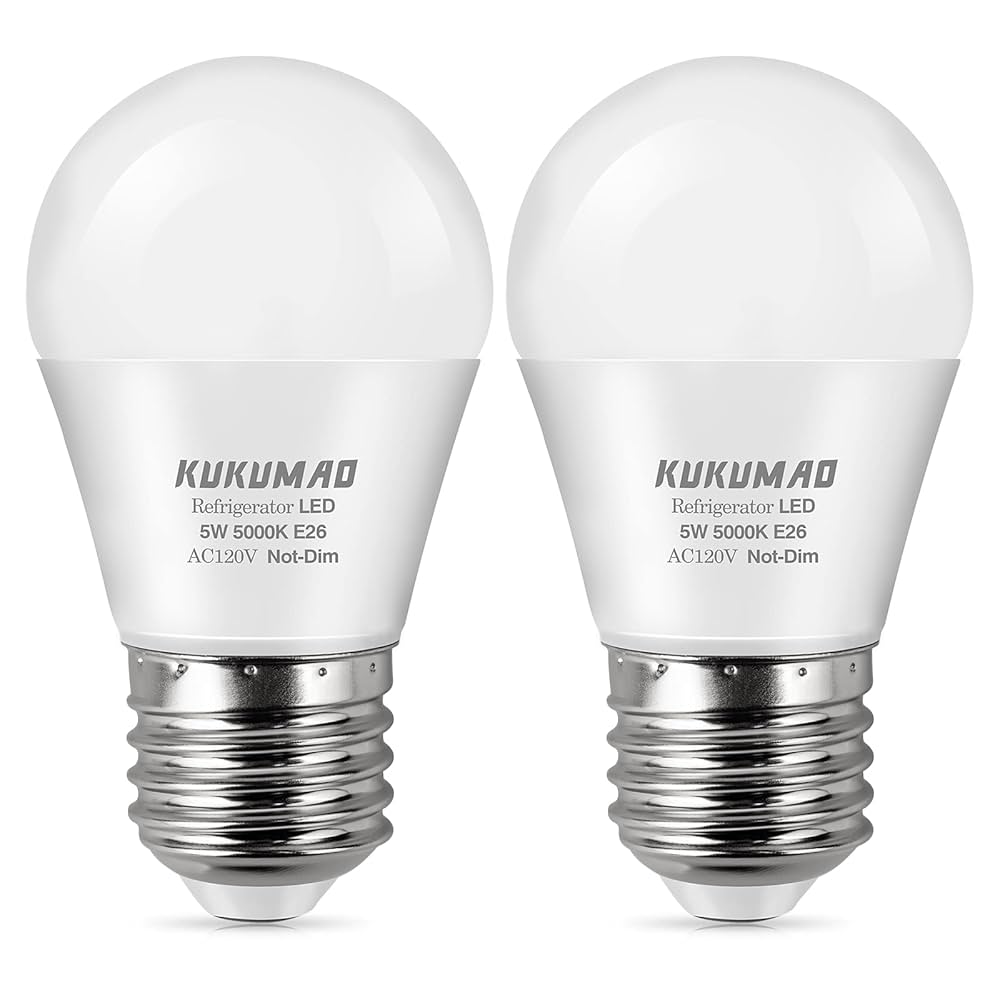
LED bulbs use light-emitting diodes to produce bright light. They are very energy-efficient and last much longer. LED bulbs stay cool, making them safer for refrigerators. They turn on instantly and work well in cold temperatures. Many modern fridges now use LED bulbs.
Halogen Bulbs
Halogen bulbs are a type of incandescent bulb with a small capsule. They produce bright, white light and last longer than standard bulbs. Halogen bulbs run hotter but offer better illumination. These bulbs are less common in refrigerators but still used in some models.
Differences Between Regular And Refrigerator Bulbs
Understanding the differences between regular light bulbs and refrigerator bulbs helps you make the right choice. Both serve the purpose of lighting, but their designs suit different environments. Using the wrong bulb can cause damage or reduce efficiency. Here are key differences to consider.
Temperature Resistance
Refrigerator bulbs are built to handle cold temperatures inside the fridge. They resist moisture and low heat without breaking. Regular bulbs may crack or burn out quickly in cold environments. The special coating on refrigerator bulbs protects them from condensation. This ensures longer life and safe operation.
Size And Shape
Refrigerator bulbs are usually smaller and fit tight spaces. Their compact size helps avoid blocking shelves or food. Regular bulbs come in many sizes and may be too big for fridge sockets. The shape of refrigerator bulbs is designed to work with fridge light covers. This fit ensures proper lighting without interference.
Wattage And Brightness
Refrigerator bulbs use lower wattage to save energy. They provide just enough light to see inside without heating the fridge. Regular bulbs often have higher wattage and produce more heat. Too much heat can raise the fridge temperature and spoil food. Refrigerator bulbs balance brightness and power for safe use.
Risks Of Using Regular Bulbs In Refrigerators
Using a regular light bulb inside your refrigerator might seem like a simple swap, but it comes with several risks that can affect both the appliance and your food. Refrigerators require bulbs designed specifically for cold, moist environments. Ignoring this can lead to unexpected problems you might not have considered.
Heat Generation
Regular bulbs produce more heat than refrigerator bulbs. This heat can raise the internal temperature, forcing your fridge to work harder to stay cool.
You might notice your food spoiling faster or your energy bills increasing. Have you checked how warm your fridge feels after replacing the bulb with a regular one?
Shortened Lifespan
Standard bulbs aren’t built to handle the cold, damp conditions inside a fridge. Their lifespan drops significantly when exposed to this environment.
This means you’ll have to replace the bulb more often, leading to inconvenience and extra cost. How often do you want to climb under your fridge to change a bulb?
Potential For Damage
Moisture in refrigerators can cause regular bulbs to crack or shatter unexpectedly. This not only creates a mess but can also damage the electrical components inside.
Using the wrong bulb risks short circuits or even fires in rare cases. Is saving a few dollars on bulbs really worth risking your appliance’s health?

Credit: www.amazon.ca
Benefits Of Using Refrigerator-specific Bulbs
Using bulbs made specifically for refrigerators brings many advantages. These bulbs work well in cold and humid environments. They help keep the fridge light bright and safe for longer. Choosing the right bulb improves energy use and durability.
Energy Efficiency
Refrigerator bulbs use less power than regular bulbs. They turn on quickly and provide bright light. This lowers electricity bills. Energy-saving bulbs also produce less heat. This helps keep the fridge temperature steady. Energy efficiency means saving money and protecting food better.
Durability In Cold Conditions
Special fridge bulbs resist cold temperatures without breaking. Regular bulbs may crack or burn out fast. Refrigerator bulbs last longer in the fridge’s cold, moist air. They handle frequent switching on and off. Durable bulbs reduce the need for frequent replacements.
Safety Considerations
Refrigerator bulbs are designed to handle moisture safely. Regular bulbs may risk electric faults or fire hazards in damp conditions. These bulbs use sealed designs to prevent water damage. Using the correct bulb lowers the chance of accidents and keeps your fridge safe.
How To Choose The Right Bulb For Your Fridge
Choosing the right bulb for your fridge is more important than many realize. A wrong bulb can cause overheating, shorten the lifespan of your appliance, or simply fail to provide adequate light. Understanding key factors like manufacturer guidelines, bulb specifications, and proper installation can save you time and trouble.
Checking Manufacturer Recommendations
Your fridge’s manual is your best friend when picking a bulb. Manufacturers often specify the exact type and wattage needed to keep your fridge safe and efficient.
If you don’t have the manual handy, check the inside of the fridge near the bulb socket for labels or stickers. These usually tell you what kind of bulb fits best. Ignoring these recommendations can lead to bulb burnout or even damage to the fridge’s electrical components.
Matching Bulb Specifications
Not all bulbs are created equal. You need to match the wattage, size, and shape of the bulb to your fridge’s requirements.
- Wattage:Using a bulb with higher wattage than recommended can cause overheating. Stick to the exact wattage or lower.
- Bulb type:Most fridges use appliance bulbs that withstand cold and moisture better than regular bulbs.
- Shape and base:Make sure the bulb fits securely into the socket to avoid flickering or poor contact.
Have you ever tried fitting a bulb only to find it won’t screw in properly? This usually means the base type doesn’t match, so double-check before you buy.
Installation Tips
Installing the right bulb is straightforward but requires care. Always unplug the fridge or turn off the power before replacing the bulb to avoid electric shock.
Handle the new bulb gently. Oils from your fingers can shorten the bulb’s life, so use a clean cloth or gloves if possible. After installation, test the light by opening the fridge door a few times to ensure it turns on and off smoothly.
Have you noticed the light flickers or doesn’t come on after replacement? This could mean the bulb isn’t seated correctly or the socket needs cleaning.
Troubleshooting Refrigerator Light Issues
Dealing with refrigerator light issues can be surprisingly frustrating. It’s not just about convenience—your fridge light helps you see clearly, preventing food mishaps. Troubleshooting these problems doesn’t need to be complicated, and often, a few simple checks can solve the issue quickly.
When The Light Does Not Turn On
If your refrigerator light stays off, first check if the bulb is burnt out. Sometimes, the bulb might look fine but still be faulty. Try replacing it with a new one designed for refrigerators to see if that fixes the problem.
Next, inspect the light switch that activates when you open the door. Dirt or damage to this switch can prevent the light from turning on. Press the switch manually and listen for a click; if you don’t hear one, the switch might need replacement.
Flickering Or Dim Light
A flickering or dim refrigerator light often points to a loose bulb or poor connection. Make sure the bulb is screwed in tightly but avoid overtightening, which can cause damage.
Check the socket for corrosion or dirt, which can interfere with electrical contact. Cleaning the socket gently with a dry cloth may improve the connection and stabilize the light.
Replacing The Bulb Safely
Safety is key when changing your refrigerator bulb. Always unplug the fridge or switch off the circuit breaker before you start to avoid electric shock.
Use a bulb recommended for refrigerator use—regular household bulbs can overheat and cause damage. Handle the new bulb with a cloth or gloves to prevent oils from your skin reducing its lifespan.
Have you ever thought about why using the right bulb matters so much? It’s not just about fitting; it’s about the fridge’s temperature and safety. Choosing the correct bulb helps your refrigerator run efficiently and keeps your food safe.

Credit: www.amazon.ca
Frequently Asked Questions
Can You Use A Standard Bulb In A Fridge?
No, it’s not recommended. Regular light bulbs aren’t designed for cold temperatures. They may not function properly or could even break. Refrigerator bulbs are specifically made to withstand these conditions. Using the right bulb ensures safety and optimal performance.
What Type Of Bulb Is Used In Refrigerators?
Refrigerators typically use appliance bulbs. These bulbs are designed for cold conditions and enclosed spaces. They are usually 25 to 40 watts. Always check your fridge’s manual for specific requirements. Using the correct bulb ensures efficiency and safety.
Why Are Fridge Bulbs Different From Regular Bulbs?
Fridge bulbs are designed for cold temperatures. They have robust construction to handle moisture. Regular bulbs may not work effectively in such conditions. Appliance bulbs ensure longevity and consistent performance in refrigerators.
Can Led Bulbs Be Used In Refrigerators?
Yes, LED bulbs are suitable for refrigerators. They are energy-efficient and work well in cold temperatures. Ensure the LED bulb fits your fridge’s specifications. Always check compatibility before replacing any bulb.
Conclusion
Using a regular light bulb in your refrigerator is not a good idea. These bulbs are not made to handle cold and moisture inside fridges. They may burn out fast or cause damage. It is safer to use bulbs made for refrigerators.
These bulbs last longer and work better. Keep your fridge running well by choosing the right bulb. A small choice can protect your food and save money. Always check the bulb type before replacing it. Stay smart and keep your fridge bright the right way.