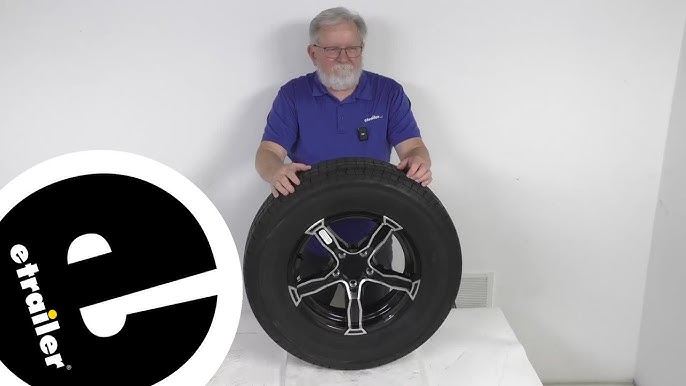
Have you ever wondered if you can use trailer tires on your car? It might seem like a simple way to save money or handle a tough situation, but there’s more to it than just fitting the tire onto your vehicle.
Using the wrong tires can affect your safety, your car’s performance, and even lead to costly damage. If you want to know whether trailer tires are a good fit for your car and what you should watch out for, keep reading.
This guide will help you make the right choice and keep your ride smooth and safe.
Trailer Tires Vs Car Tires
Many people wonder if trailer tires can be used on a car. The two types of tires look similar but have key differences. It is important to know these differences before using tires on the wrong vehicle.
This article compares trailer tires and car tires by looking at design, material, and load capacity. Understanding these points helps you choose the right tire for safety and performance.
Design Differences
Trailer tires have a different design than car tires. They are made to handle weight in a straight line. Car tires need to work well during turns and stops. This changes how they are built.
- Trailer tires have stiffer sidewalls to avoid swaying.
- Car tires have flexible sidewalls for better grip and comfort.
- Tread patterns differ: trailer tires focus on long wear, car tires on traction.
Material And Construction
Trailer tires use stronger materials in the sidewalls to carry heavy loads. They have fewer plies but thicker rubber. Car tires balance strength with flexibility for smooth rides.
| Feature | Trailer Tires | Car Tires |
| Sidewall | Thick and stiff | Flexible and thinner |
| Rubber Compound | Harder for durability | Softer for grip |
| Ply Rating | Higher for load | Lower for comfort |
Load Capacity Variations
Trailer tires are built to carry heavy loads at lower speeds. Car tires carry less weight but handle higher speeds and forces from braking and cornering. Using trailer tires on cars may cause handling problems.
- Trailer tires support more weight per tire.
- Car tires provide better traction and control.
- Trailer tires should not be driven at high speeds.
- Car tires are rated for speed and maneuverability.
Performance Impact
Using trailer tires on a car changes how the car performs on the road. Trailer tires are built for carrying heavy loads at slow speeds.
Cars need tires that handle turns, stops, and bumps well. Trailer tires may not meet these needs as well as car tires.
Handling And Stability
Trailer tires have stiffer sidewalls to support heavy trailers. This stiffness can make car handling feel rough and less smooth.
Cars need flexible tires to keep good contact with the road during turns. Trailer tires may reduce grip and cause instability.
- Stiff sidewalls reduce tire flex
- Less grip during sharp turns
- Possible wobbling at higher speeds
Braking Efficiency
Trailer tires are designed for slow speeds and heavy loads. They may not stop as quickly as car tires during sudden braking.
Using trailer tires can increase stopping distance. This is risky for cars that need quick and safe stops.
- Longer stopping distances
- Reduced traction under heavy braking
- Less responsive braking in emergencies
Ride Comfort
Trailer tires are built tough and stiff. They do not absorb bumps and rough roads well, causing a harsh ride.
Car tires have more cushioning to keep the ride smooth. Trailer tires can make the car feel noisy and uncomfortable.
- Harsher ride on uneven roads
- More road noise inside the car
- Less shock absorption
Safety Concerns
Using trailer tires on a car can cause serious safety problems. Trailer tires are made for different loads and speeds than car tires. This difference can lead to dangerous situations on the road.
It is important to understand the risks before using trailer tires on a car. Some key concerns include tire wear, heat buildup, and the chance of blowouts.
Tire Wear And Durability
Trailer tires wear differently than car tires. They are designed to carry heavy loads at low speeds. When used on a car, they wear out faster and unevenly.
Durability also suffers because trailer tires lack the flexibility needed for car driving. This can reduce the tire’s lifespan and make driving unsafe.
Heat Buildup Risks
Trailer tires are not made to handle the heat generated at car speeds. Heat builds up quickly in trailer tires when used on a car. This causes the tire to weaken and fail.
High heat can damage the tire’s structure. It also increases the risk of tire failure during driving, especially on long trips or hot days.
Potential For Blowouts
Blowouts happen when a tire suddenly bursts while driving. Trailer tires are more likely to blow out on cars because they are not built for high speeds.
The risk of blowouts increases with heat, wear, and poor tire condition. Blowouts can cause accidents and loss of control.
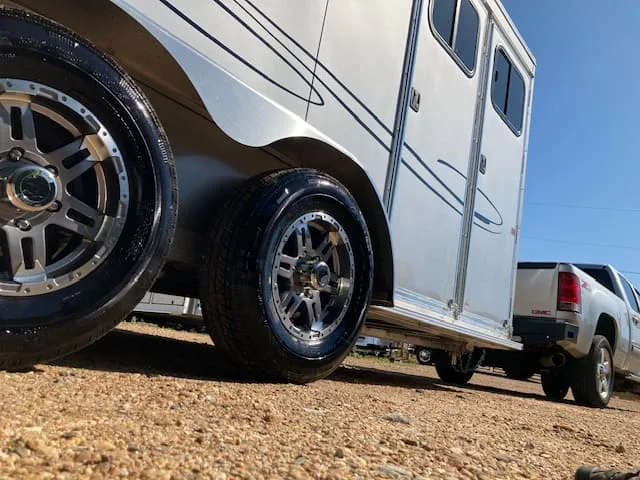
Credit: www.kenfeagintruckandtrailer.com
Legal And Warranty Issues
Using trailer tires on a car may seem like a simple choice. It is important to check legal and warranty rules before doing so. These rules protect your safety and rights.
Trailer tires differ from car tires in design and use. This can cause legal problems and affect your car’s warranty.
Compliance With Regulations
Trailer tires often do not meet the rules for passenger cars. Laws require tires to pass certain safety tests. Trailer tires may lack these approvals.
Using trailer tires on a car can lead to fines or failed inspections. Police or safety officers may stop your vehicle for non-compliance.
- Trailer tires may not have car tire certification marks
- Speed ratings on trailer tires may be too low for cars
- Legal limits exist on tire types for passenger vehicles
- Local laws vary but often restrict trailer tires on cars
Warranty Void Risks
Car manufacturers set tire rules to keep your warranty valid. Using trailer tires can break these rules. This may void your car’s warranty.
If your car gets damaged and you used trailer tires, the manufacturer might refuse repairs. This can lead to costly fixes you must pay yourself.
- Car warranties usually require approved tires only
- Trailer tires may cause uneven wear and damage
- Warranty claims may be denied if trailer tires were used
- Always check your car manual for tire recommendations
Situations Where Trailer Tires Might Work
Trailer tires differ from car tires in design and use. They are made for carrying loads at slow speeds. In some cases, they may fit on a car temporarily.
It is important to know when trailer tires might be safe and effective. This guide explains some situations where they could work.
Temporary Use Scenarios
Trailer tires can be used on a car for a short time. This usually happens if a regular tire is damaged and needs replacement fast. Using a trailer tire can help you reach a repair shop.
- Spare tire replacement when no proper car tire is available
- Emergency situations requiring a quick fix
- Transporting the car over a short distance to get a proper tire
- Testing or experimenting with tire fit and size in non-driving conditions
Low-speed Applications
Trailer tires are built for low speeds and lighter traction. They may work on cars driven at very low speeds, such as in parking lots or on private property.
| Speed Range | Recommended Tire Type | Notes |
| 0 – 25 mph | Trailer tires | Suitable for very slow driving |
| 25 – 45 mph | Car tires | Trailer tires not recommended |
| Above 45 mph | Car tires | Trailer tires unsafe |

Credit: www.youtube.com
Alternatives To Trailer Tires For Cars
Trailer tires are made for trailers, not cars. Using them on cars can cause safety problems. It is better to choose tires made for cars.
This guide helps you find good alternatives to trailer tires. It explains how to pick the right tires for your car.
Choosing The Right Car Tires
Car tires are built to handle specific road and weather conditions. They provide grip, comfort, and safety. Trailer tires do not offer these benefits for cars.
- Passenger car tires fit the car’s weight and speed needs.
- They have better traction for wet or dry roads.
- They reduce noise and improve ride comfort.
- Car tires come in many sizes to match your vehicle.
All-season Vs Performance Tires
All-season tires work well year-round in many climates. Performance tires focus on better handling and speed.
| Tire Type | Main Use | Benefits | Drawbacks |
| All-Season Tires | Everyday driving | Good grip in rain and light snow, long tread life | Less grip in extreme cold or sporty driving |
| Performance Tires | Sporty driving, dry roads | Better cornering, faster response | Wear faster, less grip in snow |
Tips For Tire Maintenance
Tire maintenance is key for safe driving and long tire life. Proper care helps avoid accidents and saves money.
Here are important tips to keep your tires in good shape, especially if you use trailer tires on a car.
Regular Inspections
Check your tires often for signs of damage or wear. Look for cracks, bulges, and uneven tread.
- Inspect tread depth with a gauge or penny test.
- Look for nails or sharp objects stuck in the tire.
- Check sidewalls for cuts or bubbles.
- Examine valve stems for leaks.
- Remove debris from tire grooves.
Proper Inflation
Keep tires inflated to the pressure recommended by the vehicle or tire maker. Trailer tires may need different pressure than car tires.
| Type | Recommended PSI |
| Passenger Car Tires | 30-35 PSI |
| Trailer Tires | 50-65 PSI |
Check tire pressure when tires are cold. Use a reliable pressure gauge. Underinflated tires wear out faster and can cause accidents.
Rotation And Alignment
Rotate your tires regularly to ensure even wear. Proper alignment helps tires last longer and improves handling.
- Rotate tires every 5,000 to 7,000 miles.
- Check wheel alignment at least once a year.
- Balance tires to prevent vibration.
- Replace worn tires promptly.

Credit: www.amazon.com
Frequently Asked Questions
Can You Replace Car Tires With Trailer Tires?
No, it’s not recommended to use trailer tires on a car. Trailer tires are designed for load-bearing and stability, not for steering or traction. They lack the tread design and flexibility that car tires need. Using them on a car can lead to handling issues and safety concerns.
What Are The Differences Between Car And Trailer Tires?
Car tires and trailer tires serve different purposes. Car tires provide traction and steering control. Trailer tires focus on carrying heavy loads and maintaining stability. Trailer tires have stiffer sidewalls for load support, while car tires offer flexibility for smooth rides and cornering.
Their designs cater to different vehicle dynamics.
Are Trailer Tires Safe For Road Use On Cars?
Trailer tires are not safe for use on cars. They lack the necessary traction and flexibility for road use. Trailer tires are optimized for stability under heavy loads. Using them on cars compromises handling and safety. Always use tires specifically designed for your vehicle type to ensure safety and performance.
Can Trailer Tires Affect A Car’s Performance?
Yes, using trailer tires on a car negatively impacts performance. Trailer tires are not built for traction or steering. This can result in poor handling, increased stopping distances, and potential safety hazards. Car tires are designed for dynamic driving conditions, which trailer tires cannot adequately support.
Always choose tires suited for your vehicle.
Conclusion
Using trailer tires on a car is not a good idea. Trailer tires are made for different weight and speed needs. Car tires offer better grip and control on roads. Trailer tires may wear out faster on cars. Safety can become a serious issue with wrong tires.
Always choose tires designed for your vehicle type. Proper tires help your car run smoothly and safely. Think about your safety and tire performance first. Choose the right tires to avoid problems later.