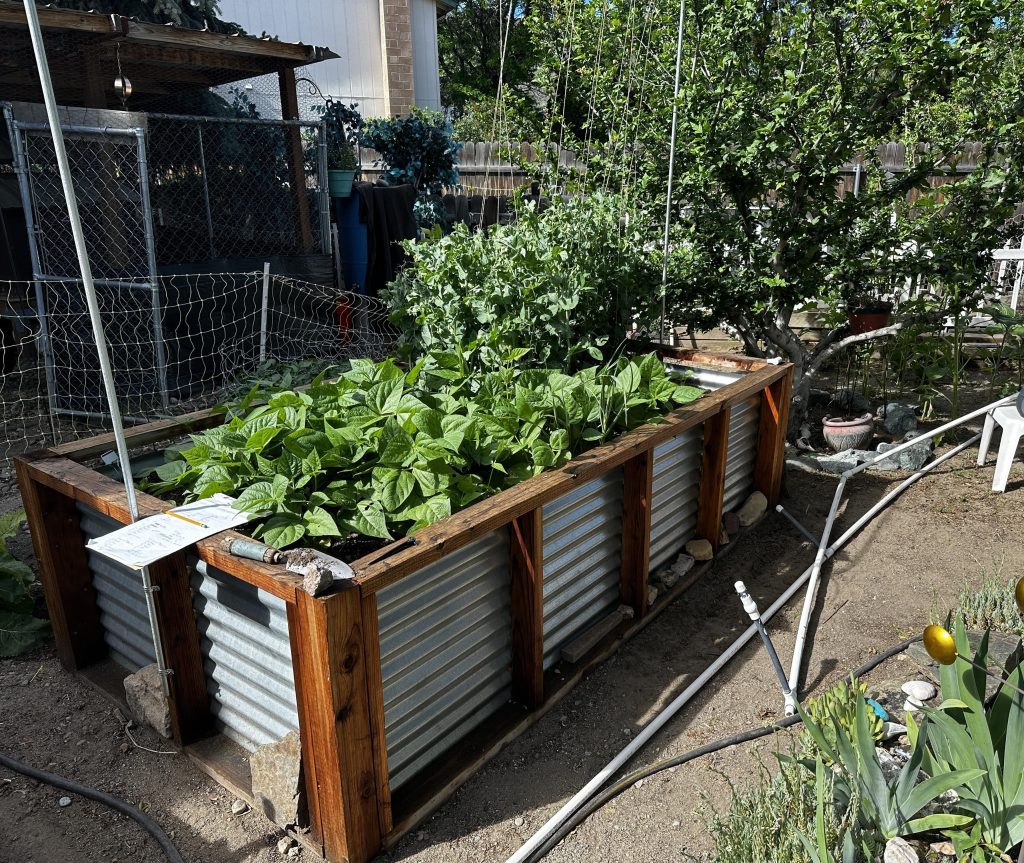
Are you thinking about building raised garden beds and wondering if treated wood is a safe choice? You’re not alone.
Many gardeners face the same question: Can treated wood harm your plants or soil? Choosing the right material for your garden beds is crucial because it affects the health of your plants and the safety of your harvest. You’ll discover the truth about treated wood, its benefits, potential risks, and smart alternatives.
Keep reading to make the best decision for your garden and enjoy a thriving, healthy growing space.
Types Of Treated Wood
Raised garden beds are popular for growing plants. Choosing the right wood is important. Treated wood options can last longer and resist rot.
Different types of treated wood have various benefits. Consider the options below for your garden bed.
Pressure-treated Wood
Pressure-treated wood is common for outdoor projects. It resists insects and decay. Chemicals are used to treat the wood.
This type of wood is affordable and lasts a long time. Ensure it is safe for garden use by checking the label.
Cedar And Redwood Options
Cedar and redwood are naturally resistant to rot. They do not require chemical treatments. These woods are more expensive but look attractive.
They have a pleasant smell and are easy to work with. They are a good choice for organic gardeners.
Composite Alternatives
Composite wood is made from wood fibers and plastic. It is a durable option for raised beds. It does not rot or splinter.
This material is low maintenance and comes in many colors. It is a sustainable choice for long-lasting garden beds.
- Pressure-treated wood is cost-effective
- Cedar and redwood are natural and beautiful
- Composite materials are durable and eco-friendly
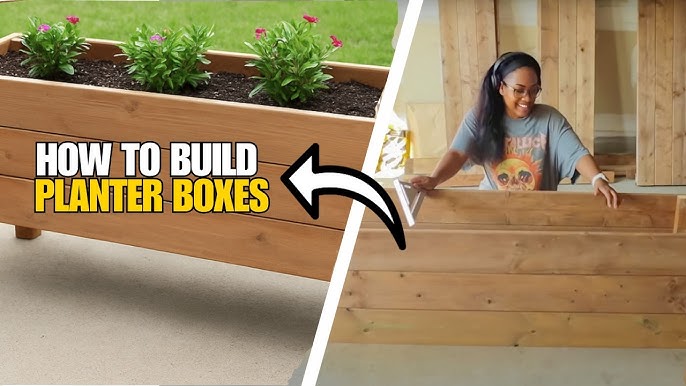
Credit: www.youtube.com
Chemicals In Treated Wood
Treated wood is often used to protect outdoor wood from rot and insects. Chemicals in treated wood help it last longer outside.
These chemicals can sometimes leach into the soil. This can be a concern for raised garden beds where you grow food.
Common Wood Preservatives
Treated wood uses different chemicals to stop decay and bugs. Some preservatives are safer than others.
- Chromated Copper Arsenate (CCA)
- Alkaline Copper Quaternary (ACQ)
- Copper Azole (CA)
- Micronized Copper Azole (MCA)
- Creosote (mainly for railroad ties)
Older treated wood often contains arsenic or chromium. Newer types use copper-based chemicals. These are less toxic but still may affect soil.
Potential Soil Contaminants
Chemicals from treated wood can move into the soil over time. This can harm plants and soil life.
Arsenic and chromium are toxic and can build up in the soil. Copper can also reach harmful levels for some plants.
- Arsenic may cause health risks if it enters food plants
- Chromium can damage soil bacteria and worms
- Copper can be toxic to sensitive plants and microbes
Using a liner inside raised beds can reduce chemical contact. Untreated or naturally rot-resistant wood is safer for growing food.
Health Risks For Gardeners
Using treated wood for raised garden beds can affect your health. Chemicals in the wood may harm you and your plants.
It is important to know what risks come with treated wood before building your garden beds.
Chemical Exposure Concerns
Treated wood contains chemicals to stop rot and bugs. These chemicals can be toxic to humans.
Touching or cutting treated wood can release harmful substances. These may irritate your skin or cause breathing problems.
- Wear gloves when handling treated wood
- Use a mask if you cut or sand the wood
- Wash your hands well after contact
- Avoid burning treated wood to prevent toxic smoke
Impact On Edible Plants
Chemicals from treated wood can seep into the soil over time. This may affect vegetables and fruits you grow.
Plants may absorb harmful chemicals. Eating these plants could pose health risks.
- Use untreated or naturally rot-resistant wood for edible gardens
- Line the inside of treated wood beds with plastic to block chemicals
- Test soil regularly if you use treated wood
- Consider other materials like stone or metal for garden beds
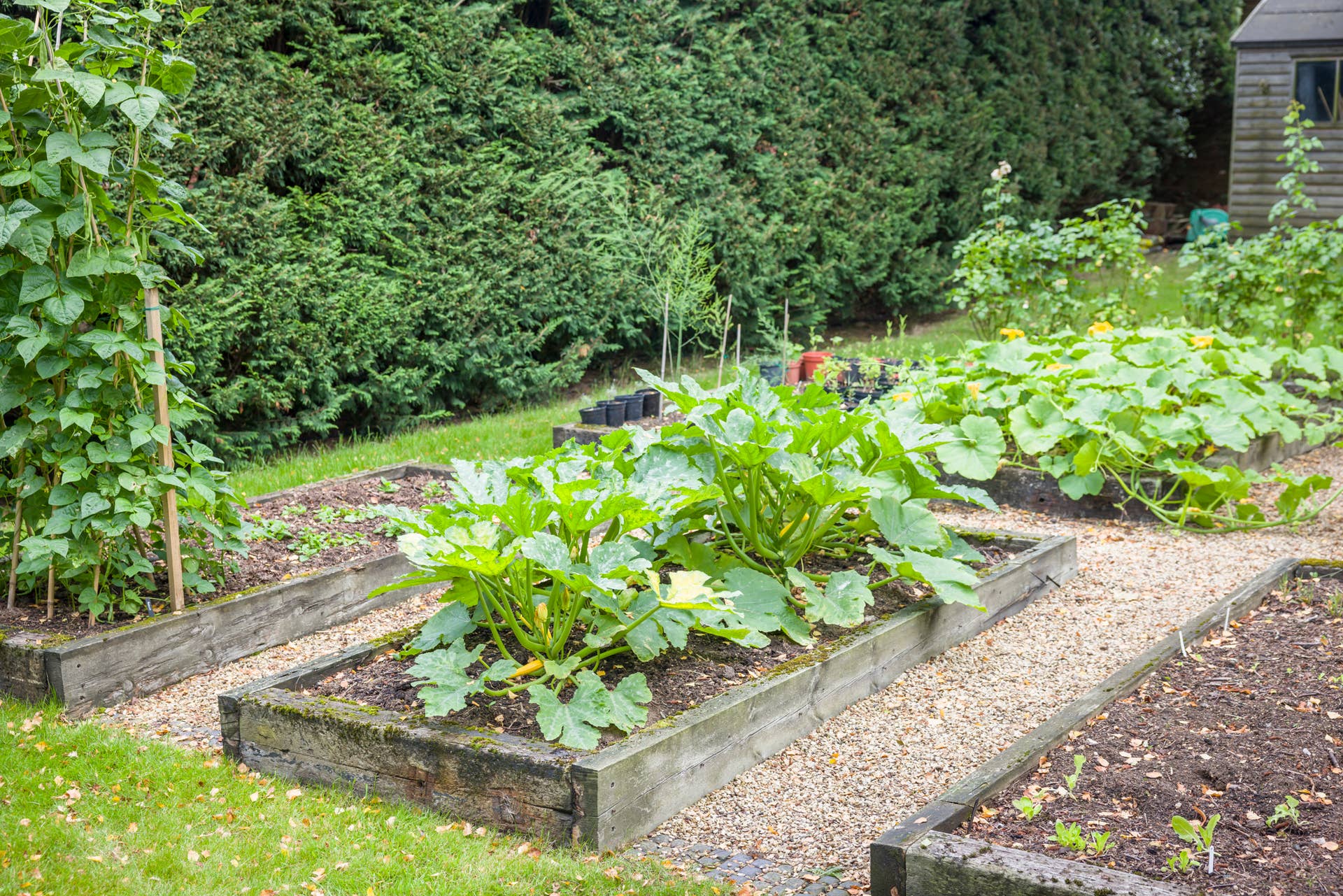
Credit: dengarden.com
Environmental Effects
Using treated wood for raised garden beds raises concerns about its impact on the environment. This section looks at how chemicals from the wood may affect soil and water. It also explores what happens to soil health over time.
Understanding these effects helps gardeners make safer choices for their plants and the planet.
Leaching Into Soil And Water
Treated wood contains chemicals to stop rot and insects. These chemicals can leak into the soil. Rain can wash them down, moving them into nearby water sources. This may harm plants, animals, and water quality.
- Some chemicals stay in the soil for a long time.
- They can change the soil’s natural balance.
- Water running off can carry chemicals to streams or ponds.
- Nearby wildlife may be exposed to these toxins.
Long-term Soil Health
Chemicals from treated wood may harm helpful soil organisms. These include earthworms and microbes that keep soil fertile. Over time, this damage can reduce soil quality. Plants may not grow as well in soil exposed to these chemicals.
| Impact | Description |
| Microbe Reduction | Fewer microbes slow nutrient cycling. |
| Earthworm Decline | Less aeration and soil mixing. |
| Soil Toxicity | Build-up of chemicals harms plant roots. |
| Nutrient Imbalance | Plants get fewer nutrients from soil. |
Safer Alternatives
Treated wood can contain chemicals that might harm plants and soil. Using safer materials helps keep your garden healthy.
There are many good options that do not use harmful chemicals. These choices protect your plants and the environment.
Using Untreated Wood
Untreated wood is free from chemicals, making it safe for growing food. It lets water and air pass through easily.
Types like cedar and redwood resist rot without chemicals. They last longer in the garden and look natural.
- Use thick boards for durability
- Seal wood with natural oils if needed
- Replace wood every few years to avoid decay
Recycled Materials
Recycled wood or pallets can be a good choice if untreated. They reduce waste and save money.
Check for nails or paint before using recycled wood. Avoid wood that was treated with chemicals or painted with toxic paint.
- Remove all metal pieces
- Sand rough edges to prevent splinters
- Use only clean, untreated wood
Metal And Plastic Beds
Metal and plastic raised beds last a long time. They do not contain harmful chemicals that can leach into the soil.
These beds are easy to clean and move. They come in many shapes and sizes for any garden space.
- Choose rust-proof metal like aluminum or galvanized steel
- Use food-safe plastic beds to avoid toxins
- Ensure good drainage to protect plant roots
Protective Measures
Treated wood is common for raised garden beds. It lasts longer but needs care.
Protective steps keep plants safe and wood strong. This guide covers key measures.
Lining Raised Beds
Lining the inside of the bed stops chemicals from reaching soil. Use plastic or fabric liners.
Place the liner before adding soil. Make sure it covers all wood surfaces inside.
- Use heavy-duty plastic or landscape fabric
- Secure liner with staples or clips
- Check for holes or tears regularly
Sealing Treated Wood
Sealing treated wood adds a protective layer. It reduces water damage and chemical leaks.
Choose a non-toxic sealant safe for garden use. Reapply sealant every year or two.
- Pick water-based, low-VOC sealants
- Apply sealant with a brush or sprayer
- Seal all wood surfaces, inside and outside
Regular Maintenance Tips
Check raised beds often for damage or wear. Fix small problems before they grow.
Keep soil and plants healthy to protect the wood. Clean beds and remove debris yearly.
- Look for cracks or splinters in wood
- Replace damaged boards quickly
- Remove leaves and plant debris regularly
- Keep soil level below the wood top edge
Expert Recommendations
Using treated wood for raised garden beds raises questions about safety and durability. Experts share advice to help gardeners decide.
This guide covers recommendations from gardening groups and recent research findings on treated wood use in gardens.
Guidelines From Gardening Associations
Many gardening associations suggest caution when using treated wood. They focus on the type of treatment and potential effects on soil and plants.
- Avoid using wood treated with harmful chemicals like chromated copper arsenate (CCA).
- Use wood treated with safer alternatives such as alkaline copper quaternary (ACQ) or copper azole (CA).
- Place a plastic liner inside the bed to reduce direct contact between soil and wood.
- Seal the wood surface with non-toxic sealants to prevent chemical leaching.
- Regularly check beds for signs of wear or chemical residue.
Research Findings
Studies show that modern treated wood types leach fewer harmful chemicals than older treatments. Still, some caution is advised.
| Wood Treatment Type | Chemical Risk | Recommended Use |
| Chromated Copper Arsenate (CCA) | High | Not recommended for garden beds |
| Alkaline Copper Quaternary (ACQ) | Low to moderate | Safe with barriers or sealants |
| Copper Azole (CA) | Low | Preferred for raised beds |
| Untreated Wood | None | Safe but less durable |
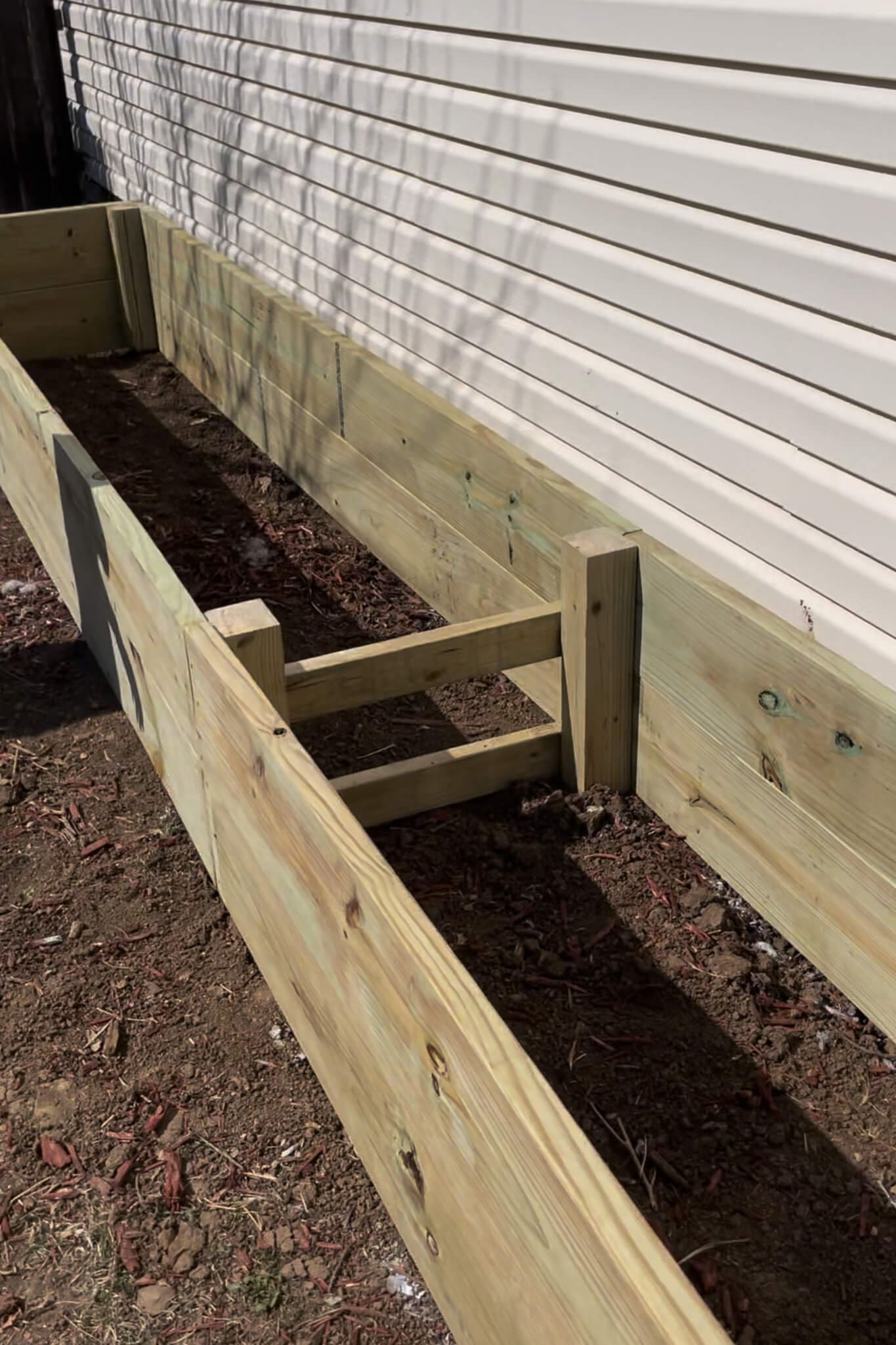
Credit: crystelmontenegrohome.com
Frequently Asked Questions
Can Treated Wood Be Safe For Raised Garden Beds?
Treated wood can be safe if it uses non-toxic preservatives. Modern treatments like ACQ are less harmful. Avoid older wood with arsenic-based chemicals. Always line beds to prevent direct soil contact with the wood. This reduces chemical leaching into plants and soil.
What Types Of Treated Wood Are Best For Gardening?
Use wood treated with alkaline copper quaternary (ACQ) or copper azole (CA). These are safer for gardening than older chromated copper arsenate (CCA). They resist rot and insects without harmful chemicals. Always verify the treatment type before using wood in raised beds.
How To Prevent Chemical Leaching From Treated Wood?
Line the interior of the raised bed with heavy-duty plastic or landscape fabric. This creates a barrier between soil and wood. It limits chemical transfer and protects plant roots. Regularly inspect and replace liners to maintain safety and soil health.
Are There Alternatives To Treated Wood For Garden Beds?
Yes, untreated cedar, redwood, and composite materials are good options. These woods naturally resist rot and pests without chemicals. Composite materials offer durability and low maintenance. They are safe, eco-friendly choices for raised garden beds.
Conclusion
Treated wood can last longer in raised garden beds. It resists rot and bugs better than untreated wood. Still, some worry about chemicals leaching into soil. Using sealed or safe-treated wood helps reduce risks. Always line beds with plastic or fabric for extra protection.
Choose wood that fits your budget and gardening needs. Raised beds made with treated wood stay strong and useful. Gardening success depends on care, soil, and plants too. So, use treated wood wisely and watch your garden grow.