Are you wondering if wood cutting boards are safe to use for meat? You’re not alone.
Choosing the right cutting board can feel confusing, especially when it comes to handling raw meat safely. You want a board that won’t harbor harmful bacteria but also won’t dull your knives or wear out quickly. You’ll discover the truth about wood cutting boards and meat.
By the end, you’ll know exactly how to keep your kitchen clean and your food safe—while enjoying the natural benefits of wood. Keep reading to find out what experts say and how you can protect your health with the right cutting board choice.
Types Of Wood Cutting Boards
Wood cutting boards are popular for cutting meat. They are strong and gentle on knives.
Different woods have different qualities. Choosing the right type matters for safety and durability.
Hardwood Vs Softwood
Hardwood boards come from slow-growing trees. They are dense and last longer.
Softwood boards come from fast-growing trees. They are lighter but can get damaged easily.
- Hardwoods resist cuts and scratches better
- Softwoods may absorb more moisture
- Hardwoods are less likely to trap bacteria
- Softwoods might need more care and cleaning
Common Wood Choices
Many woods are used for cutting boards. Each has its own benefits and look.
- Maple: A popular hardwood, very durable and safe for meat
- Walnut: Dark hardwood with natural antibacterial properties
- Cherry: Hard and smooth, adds a warm color to kitchens
- Bamboo: Technically grass, hard and eco-friendly
- Pine: Softwood, cheaper but less durable
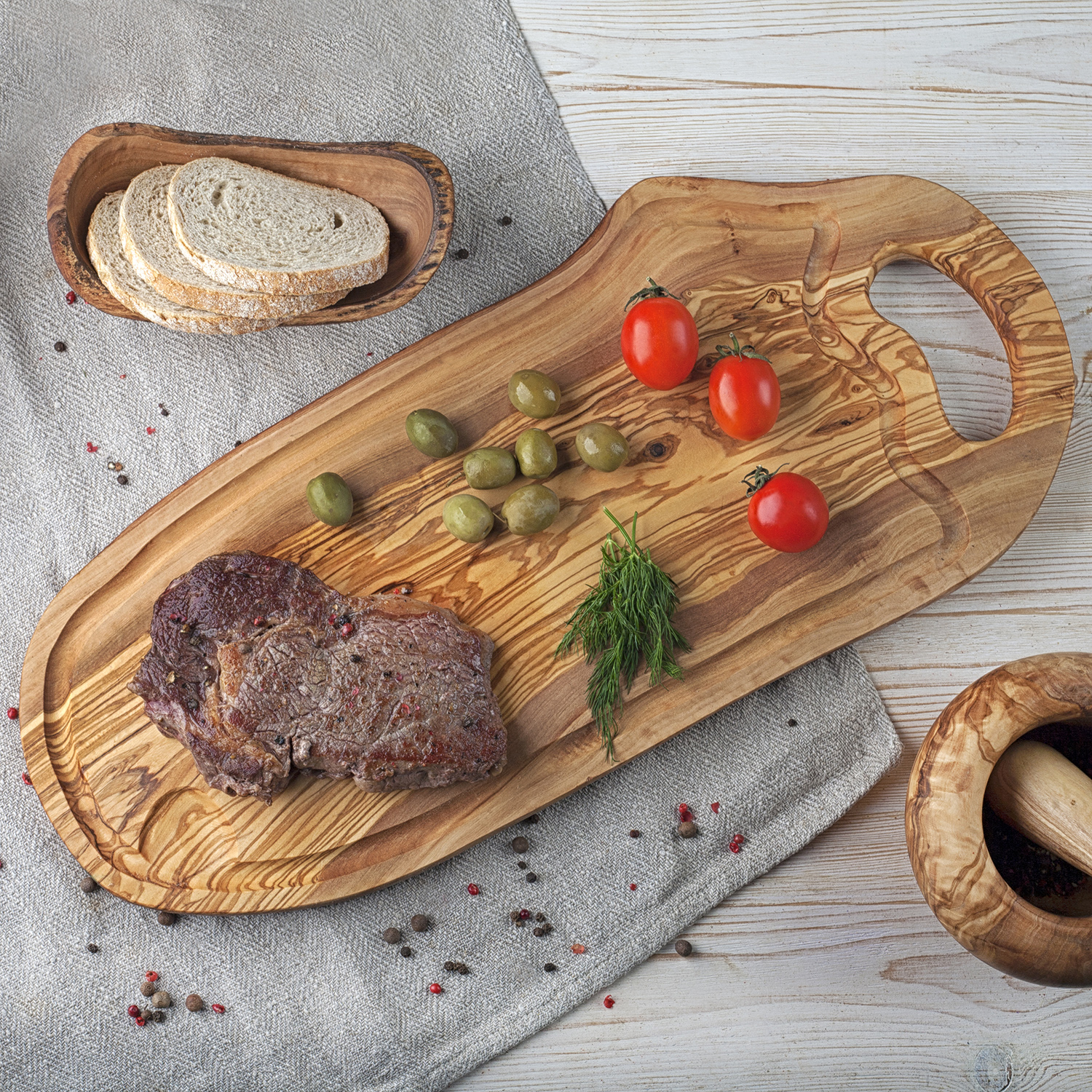
Credit: forest-decor.com
Wood Boards And Meat Safety
Wood cutting boards are common in many kitchens. People often ask if it is safe to use them for raw meat.
This topic is important because meat can carry harmful bacteria. Knowing how wood boards work helps keep food safe.
Porosity And Bacteria Growth
Wood is a porous material. It has tiny holes that can trap moisture and bacteria.
Bacteria can hide in these pores if the board is not cleaned well. This can cause contamination when cutting meat.
- Porous wood absorbs juices from raw meat
- Moisture inside pores helps bacteria grow
- Cleaning must be thorough to remove bacteria
Natural Antibacterial Properties
Some types of wood have natural chemicals that fight bacteria. These woods can reduce bacteria growth on the board.
Woods like maple and bamboo are popular because they are hard and have these properties.
- Natural oils in wood kill some bacteria
- Hard woods resist deep cuts and bacteria buildup
- Regular cleaning still needed to keep boards safe
Comparing Wood With Plastic Boards
Wood and plastic cutting boards are popular choices for preparing meat. Each has good and bad points. Knowing the differences helps you pick the right one.
This article looks at how wood and plastic boards differ in durability, maintenance, cleaning, and sanitizing for meat use.
Durability And Maintenance
Wood boards are strong and can last many years. They need regular oiling to stop cracks and warping. Plastic boards can get deep cuts from knives. These cuts can be hard to fix.
Plastic boards do not need oiling but may wear out faster if used a lot. Wood boards handle knife marks better and can be sanded to look new.
- Wood boards last longer with care
- Plastic boards can show knife cuts quickly
- Wood needs oiling to stay smooth
- Plastic needs replacing when deeply cut
Cleaning And Sanitizing
Plastic boards are easy to clean in the dishwasher. This kills most germs fast. Wood boards should not go in the dishwasher because heat and water can damage them.
Wood has natural properties that fight bacteria. Still, it needs good cleaning with soap and hot water. Both types need drying right after washing to stop bacteria growth.
- Plastic boards can go in the dishwasher
- Wood boards need hand washing only
- Both need hot water and soap for cleaning
- Dry boards quickly to avoid germs
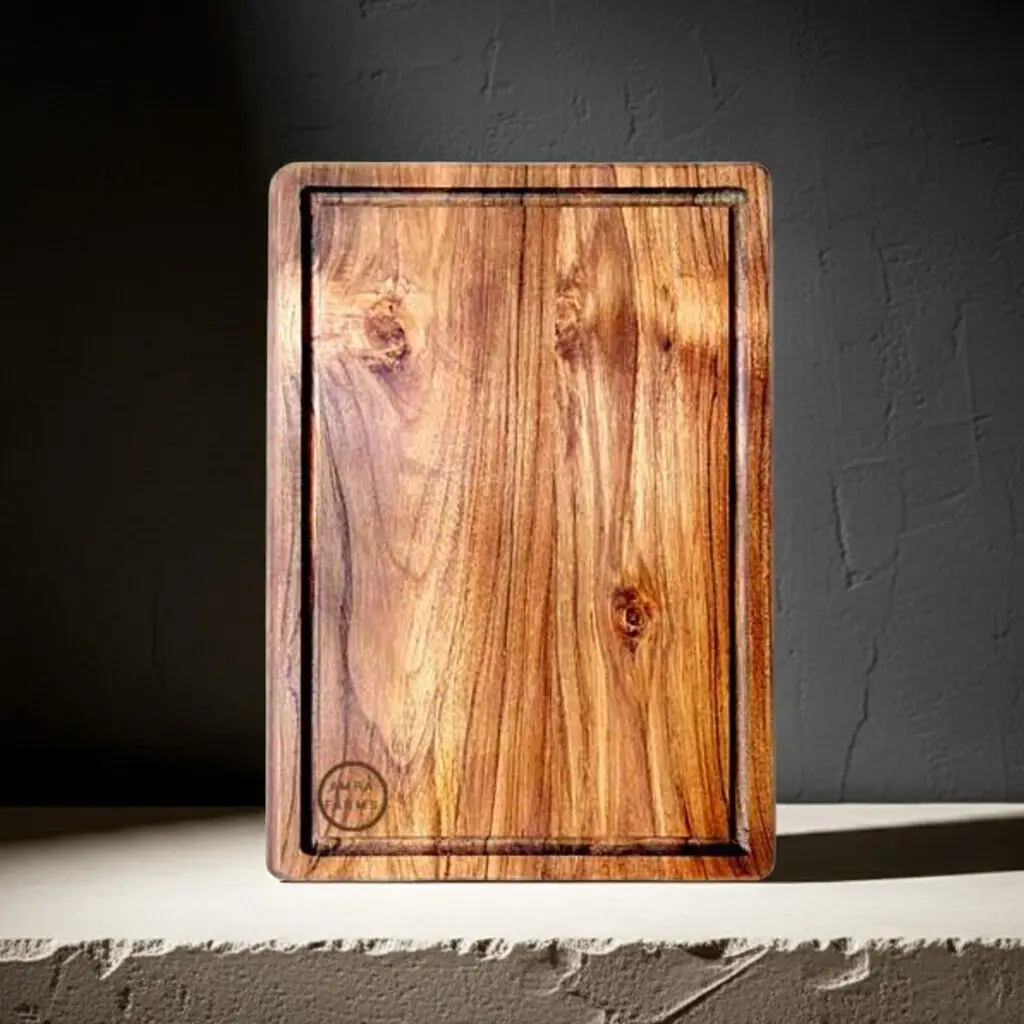
Credit: choppingboards.in
Proper Care For Wood Boards
Wood cutting boards are safe to use for meat if you care for them properly. Taking care of wood boards helps keep them clean and lasts longer.
Proper care stops bacteria from growing and keeps the wood strong. Good cleaning and oiling are key steps.
Cleaning Techniques
Clean wood boards right after use to avoid bacteria buildup. Use warm water and mild soap to wash the board.
Do not soak wood boards in water or put them in the dishwasher. This can make the wood crack or warp.
- Rinse the board with warm water immediately after use
- Scrub gently with mild dish soap and a soft brush or sponge
- Rinse well and dry with a clean towel
- Stand the board upright to air dry fully
- Use white vinegar or lemon juice to disinfect if needed
Oiling And Conditioning
Oiling keeps wood boards from drying out and cracking. It also creates a barrier against moisture and stains.
Use food-safe mineral oil or special cutting board oil. Apply oil when the board looks dry or after cleaning.
- Pour a small amount of oil on the dry board
- Spread oil evenly with a clean cloth or paper towel
- Let the oil soak in for several hours or overnight
- Wipe off any extra oil before use
- Condition the board with a wax or conditioner a few times a year
Risks Of Using Wood With Raw Meat
Wood cutting boards are popular in many kitchens. People often wonder if they are safe for raw meat.
Wood is porous, which can trap bacteria from raw meat. This may cause health risks if not cleaned well.
Cross-contamination Concerns
Raw meat can leave bacteria on wood boards. These germs can spread to other foods.
Wood absorbs juices from meat. This makes it hard to remove all bacteria with washing.
- Bacteria like Salmonella and E. coli can hide in wood pores
- Using the same board for vegetables raises contamination risk
- Proper cleaning is needed to reduce germs
Signs Of Wear And Damage
Wood boards can get scratches and cracks over time. These damage spots trap bacteria easily.
Deep cuts are hard to clean and can hold harmful germs from raw meat.
- Check for cracks or splits regularly
- Replace boards that are deeply damaged
- Sand down minor scratches to keep the surface smooth

Credit: www.amazon.ca
Best Practices For Safe Use
Wood cutting boards are popular for their durability and natural look. Using them safely with meat requires good habits. This helps prevent germs from spreading and keeps food safe.
Following best practices protects your health. Learn how to use wood boards properly with meat and vegetables.
Separate Boards For Meat And Vegetables
Use different wood cutting boards for meat and vegetables. This stops bacteria from raw meat reaching fresh produce. Label boards or use color codes to avoid confusion.
- Keep one board only for raw meat and poultry
- Use a separate board for vegetables and fruits
- Clean each board thoroughly after use
- Store boards in different places if possible
Regular Inspection And Replacement
Check wood boards often for cracks and deep cuts. These can hold bacteria and make cleaning less effective. Replace boards when they show signs of wear.
| Condition | Action |
| Small scratches | Clean well after use |
| Deep cuts or grooves | Sand down or replace |
| Cracks or splits | Discard and get a new board |
Frequently Asked Questions
Are Wood Cutting Boards Safe For Meat?
Yes, wood cutting boards are safe for meat if properly maintained. Ensure they are cleaned thoroughly after each use. Wood’s natural antibacterial properties can help reduce bacteria. Regularly oil the board to prevent cracks where bacteria might hide. Always separate boards for raw meat and other foods to avoid cross-contamination.
How Do You Clean Wooden Meat Cutting Boards?
Clean wooden boards with hot, soapy water after each use. Rinse thoroughly and dry immediately. Avoid soaking them in water, as it can cause warping. Occasionally, sanitize with a mixture of vinegar and water. Apply mineral oil regularly to maintain the board’s condition and prevent bacteria buildup.
Can Wood Boards Harbor Bacteria From Meat?
Wood boards can harbor bacteria if not properly cleaned. However, wood has natural antibacterial properties. Clean and sanitize regularly to prevent bacteria growth. Always use separate boards for raw meat and other foods. This practice helps minimize the risk of cross-contamination.
How Often Should You Oil A Wood Cutting Board?
Oil your wood cutting board at least once a month. Regular oiling prevents cracks and maintains the board’s surface. Use food-grade mineral oil for best results. Oiling helps prevent moisture absorption and reduces the risk of bacteria hiding in cracks.
Conclusion
Wood cutting boards can be safe for meat with proper care. Clean them well after every use. Avoid soaking wood boards in water for too long. Use separate boards for raw meat and other foods. Regular oiling helps keep the wood strong and smooth.
These simple steps reduce bacteria risks effectively. Wood boards also last longer and feel nice to use. Choose quality wood for better results. Safe handling makes wood cutting boards a good choice for meat. Keep your kitchen safe and enjoy cooking confidently.