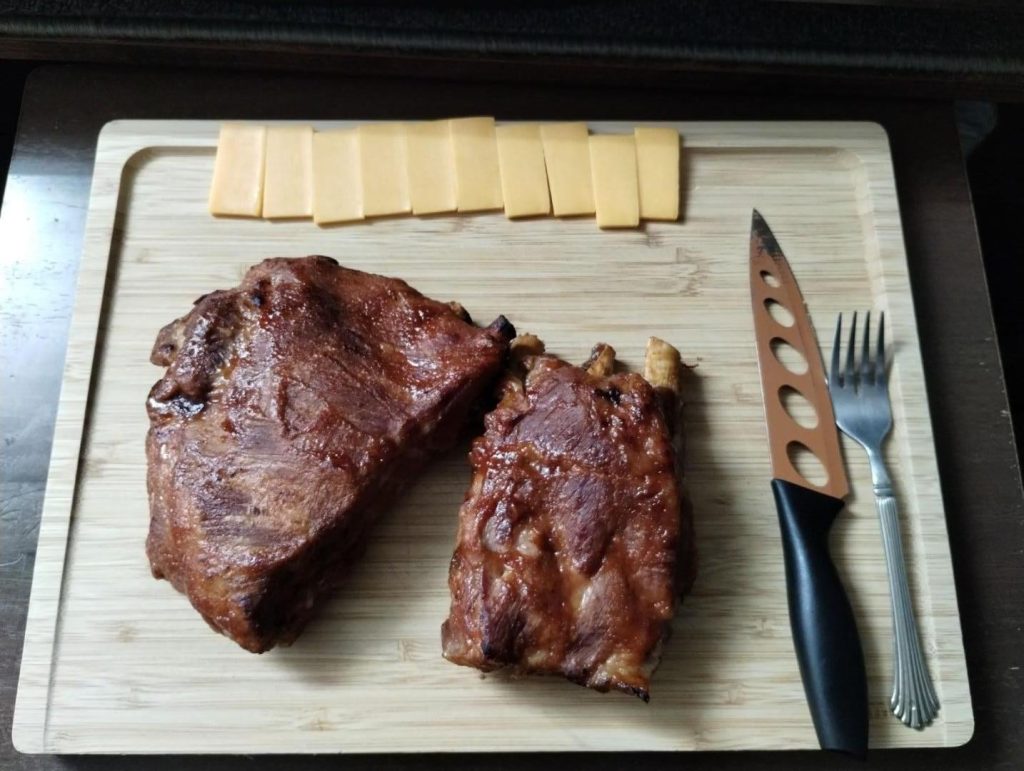
Are you wondering if wooden cutting boards are safe to use for cutting meat? You’re not alone.
Many people love the look and feel of wood in their kitchen but worry about bacteria and cleaning. What if using a wooden board could actually keep your meat prep safe and simple? You’ll discover the facts about wooden cutting boards and meat, including how to care for them properly.
Keep reading to learn how you can protect your health while enjoying the natural beauty of wood in your kitchen.
Wooden Cutting Boards And Meat
Wooden cutting boards are popular in many kitchens. People often wonder if they are safe for cutting meat.
This article looks at wooden board types and their surface traits. It helps you decide if wooden boards suit meat preparation.
Types Of Wooden Boards
Wooden cutting boards come in different types. Each type has its own qualities and uses.
- End Grain:Made from wood blocks with the grain facing up. They are gentle on knives and self-heal small cuts.
- Edge Grain:Made by gluing wood strips side by side. They are less expensive but can show knife marks easily.
- Face Grain:Made from flat wood planks. They are less durable and can wear faster with heavy use.
Porosity And Surface Texture
Wood porosity affects how much liquid and bacteria the board absorbs. A smoother surface lowers risk of germs hiding.
| Wood Type | Porosity Level | Surface Texture | Suitability for Meat |
| Maple | Low | Smooth | Good |
| Walnut | Moderate | Smooth | Good |
| Bamboo | Low | Hard and Smooth | Fair |
| Teak | High | Rough | Poor |
Safety Concerns
Wooden cutting boards are popular in many kitchens. People wonder if they are safe for cutting meat. This article looks at key safety concerns.
We will discuss risks of bacterial growth and cross-contamination. These are important to keep your food safe.
Bacterial Growth Risks
Wood can absorb moisture and juices from raw meat. This creates a place for bacteria to grow inside the board. Bacteria may stay alive if the board is not cleaned well.
- Wood is porous and can trap bacteria in tiny cracks.
- Wet boards allow bacteria to multiply faster.
- Drying the board quickly reduces bacterial growth.
- Regular cleaning with hot water and soap helps remove germs.
- Oiling the board can protect wood from moisture.
Cross-contamination Issues
Using the same wooden board for raw meat and other foods can spread bacteria. This can cause food poisoning. It is important to avoid cross-contamination.
| Practice | Why It Matters |
| Use separate boards for meat and vegetables | Prevents bacteria from raw meat spreading |
| Clean boards thoroughly after use | Kills bacteria and stops spread |
| Use hot water and soap to wash boards | Removes meat juices and germs |
| Sanitize boards regularly | Extra step to kill bacteria |
Cleaning And Maintenance
Wooden cutting boards can be safe for meat if cleaned well. Proper care stops bacteria and keeps the board strong.
Follow good cleaning and maintenance steps to protect your wooden board and your health.
Proper Washing Techniques
Wash your wooden board right after use. Use hot water and soap to remove meat juices.
Avoid soaking the board in water. Too much water can make wood crack or warp.
- Use a scrub brush or sponge with dish soap
- Rinse with hot water
- Wipe with a clean cloth or paper towel
- Never put wooden boards in the dishwasher
Sanitizing Methods
Sanitize the board to kill germs after washing. You can use natural or store-bought sanitizers.
- Spray white vinegar on the board and let it sit for a few minutes
- Use a mixture of one tablespoon bleach to one gallon of water
- Apply hydrogen peroxide to the surface and wipe clean
- Rinse well with water after sanitizing
Always dry the board well after sanitizing to stop bacteria growth.
Drying And Storage Tips
Dry your wooden board completely before storing. Moisture can cause mold or wood damage.
- Stand the board upright to air dry
- Use a towel to remove extra water after washing
- Store in a dry place away from direct sunlight
- Oil the board regularly to keep the wood healthy
Proper drying and storage help your wooden board last longer and stay safe for meat use.
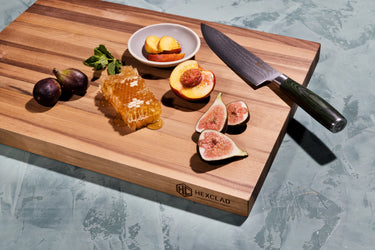
Credit: hexclad.com
Comparing Wood To Other Materials
Wooden cutting boards are popular for many kitchens. They offer a natural look and feel.
Other materials like plastic, bamboo, and composites are also common. Each type has pros and cons.
Plastic Cutting Boards
Plastic cutting boards are lightweight and easy to clean. They are dishwasher safe and do not absorb liquids.
They can show deep cuts from knives, which may harbor bacteria. Many people use separate boards for meat and vegetables.
- Non-porous surface
- Easy to sanitize
- Can get scratched easily
- Less durable than wood
Bamboo And Composite Options
Bamboo boards are harder than regular wood. They resist water better and are eco-friendly.
Composite boards mix wood fibers with resin. They are tough and dishwasher safe. These boards resist stains and scratches well.
- Bamboo is sustainable and hard
- Composite boards are very durable
- Both resist moisture better than wood
- Composite boards can handle heat
Expert Opinions And Studies
Many people wonder if wooden cutting boards are safe for cutting meat. Experts and researchers have studied this topic. They look at how bacteria behave on wood compared to other materials.
This article shares what studies and food safety experts say. It explains if wooden boards can be used safely for meat and how to keep them clean.
Research On Bacteria In Wood
Studies show that wood can absorb bacteria, but the bacteria do not survive long. The wood’s natural properties help reduce germs over time. Some bacteria get trapped inside the wood and die.
Research compares wooden boards to plastic ones. Plastic boards may hold bacteria on the surface longer because they do not absorb moisture. Wood’s porous surface can trap and kill germs faster.
- Wood absorbs and traps bacteria inside its fibers
- Bacteria die faster on wood than on plastic
- Wood cutting boards can be safer with proper cleaning
- Plastic boards may keep bacteria alive on the surface
Food Safety Guidelines
Food safety experts say you can use wooden cutting boards for meat if you clean them well. Wash boards with hot, soapy water after each use. Dry them fully to stop bacteria growth.
It is best to use separate boards for meat and other foods. This avoids cross-contamination. Regularly oil wooden boards to keep them in good condition and prevent cracks.
- Clean wood boards with hot water and soap
- Dry boards completely before storing
- Use separate boards for raw meat and other foods
- Oil boards to prevent damage and bacteria buildup
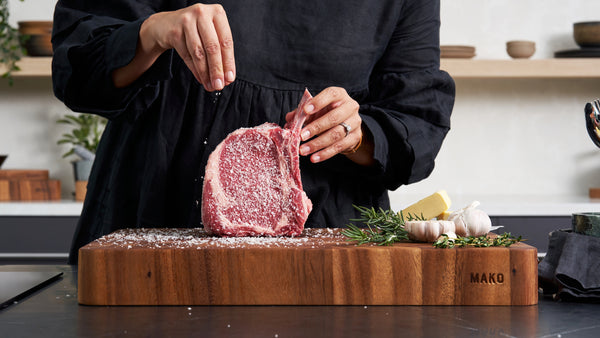
Credit: makokitchenware.com
Tips For Safe Use
Wooden cutting boards are popular for cooking. They can be safe to use for meat if you follow some rules. These tips help stop germs and keep your food safe.
Cleaning and handling wooden boards the right way is very important. Learn how to use them safely for meat and other foods.
Separate Boards For Meat And Produce
Use different wooden boards for meat and produce. This stops germs from raw meat spreading to fruits and vegetables. Cross-contamination can make people sick.
Label or color-code your boards. Keep one board only for raw meat and another for fresh produce. Clean them well after each use.
- Keep one board only for raw meat
- Use a different board for fruits and vegetables
- Wash boards thoroughly after use
- Store boards separately to avoid mix-up
Regular Inspection And Replacement
Check your wooden cutting boards often. Look for deep cuts, cracks, or warping. These can hide bacteria and are hard to clean.
Replace boards if they get very damaged. New boards keep your kitchen safer. Clean boards last longer and work better.
- Inspect boards for deep cuts or cracks
- Replace boards when damaged or warped
- Keep boards dry to avoid warping
- Use gentle scrubbing to clean cuts
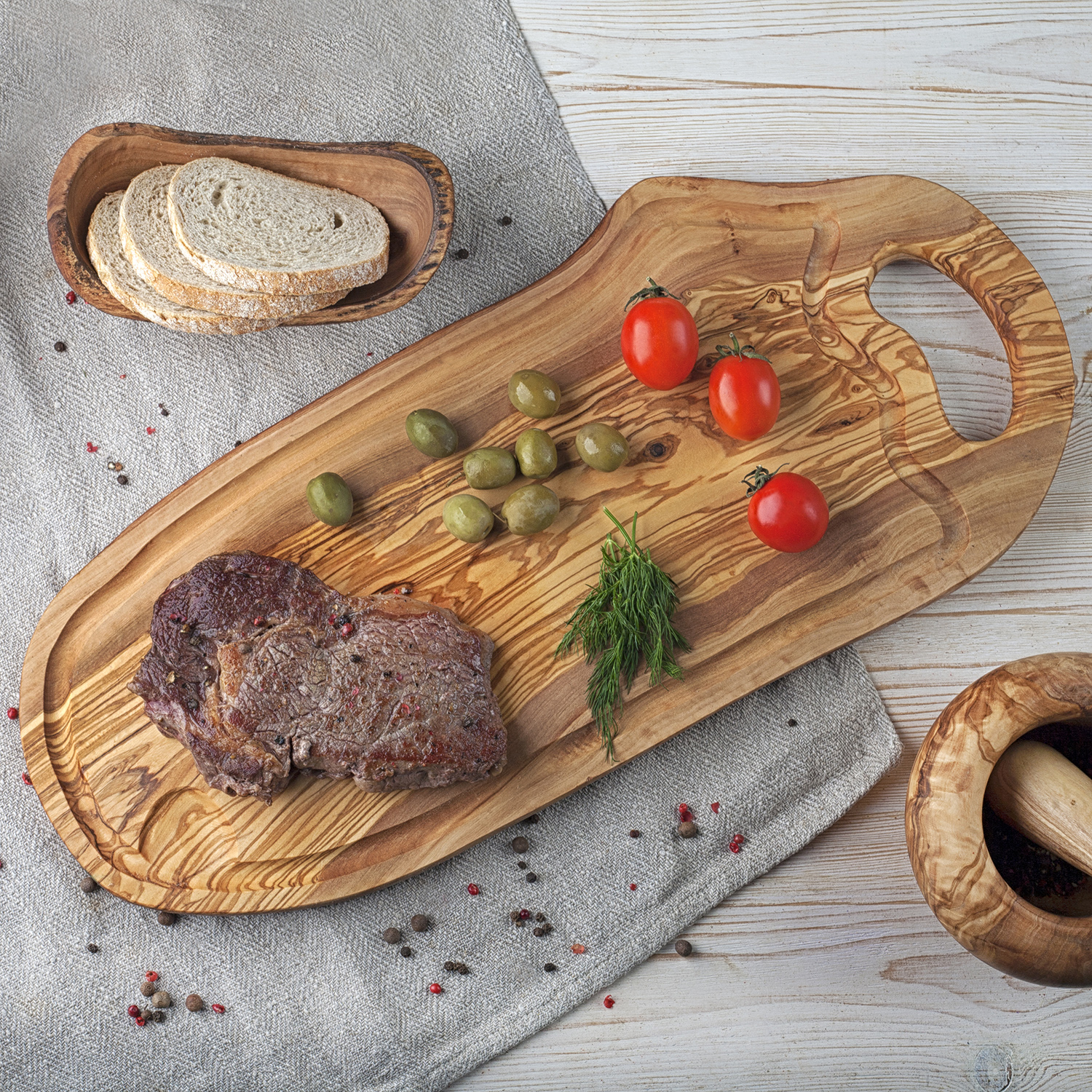
Credit: forest-decor.com
Frequently Asked Questions
Can Wooden Cutting Boards Be Safely Used For Raw Meat?
Yes, wooden cutting boards can be safe for raw meat if cleaned properly. Use hot water and soap after each use. Avoid cross-contamination by using separate boards for meat and vegetables. Wood has natural antimicrobial properties but requires proper maintenance.
How To Clean Wooden Boards After Cutting Meat?
Clean wooden boards with hot, soapy water immediately after use. Rinse thoroughly and dry with a towel. Avoid soaking the board to prevent warping. Occasionally, sanitize with vinegar or diluted bleach for extra safety.
Do Wooden Cutting Boards Harbor Bacteria From Meat?
Wooden boards can harbor bacteria if not cleaned well. However, wood’s porous surface can trap and kill bacteria over time. Proper cleaning and drying reduce risks. Using separate boards for meat and other foods is essential.
What Wood Types Are Best For Cutting Meat Boards?
Hardwoods like maple, walnut, and cherry are best for meat boards. They are dense, durable, and resist knife marks. Soft woods absorb juices and bacteria more easily, so avoid them for raw meat cutting.
Conclusion
Wooden cutting boards can work well for meat with care. Clean them properly after each use to avoid germs. Use hot soapy water and dry them quickly. Oil the wood to keep it from cracking. Avoid deep cuts where bacteria can hide.
Remember, safe handling is key to prevent illness. Wood is gentle on knives and lasts long. Choose boards made from hardwood for best results. With simple steps, wooden boards stay safe and useful. Your kitchen stays clean, and meat stays fresh.