Imagine you’re on a mission to make your home the cleanest, freshest space possible. You’re armed with your trusty vacuum, ready to tackle dust and dirt in every corner.
But then, a question pops into your mind: Can you vacuum an air filter? It seems like a quick fix to keep your air clean without the hassle of constant replacements. Before you dive in, let’s explore the ins and outs of this intriguing idea.
You’ll want to know if it’s safe, effective, and worth your time. Stick around, and you’ll discover the truth about vacuuming air filters and whether it’s the right move for you.
Credit: www.amazon.ca
Types Of Air Filters
Air filters come in different types. Each type has unique features and cleaning needs. Knowing these types helps you care for your filter properly. This keeps your air clean and your system working well.
Fiberglass Filters
Fiberglass filters are the most basic type. They use layered glass fibers to catch large dust and dirt. These filters are cheap but do not trap very small particles. They usually need to be replaced, not cleaned.
Pleated Filters
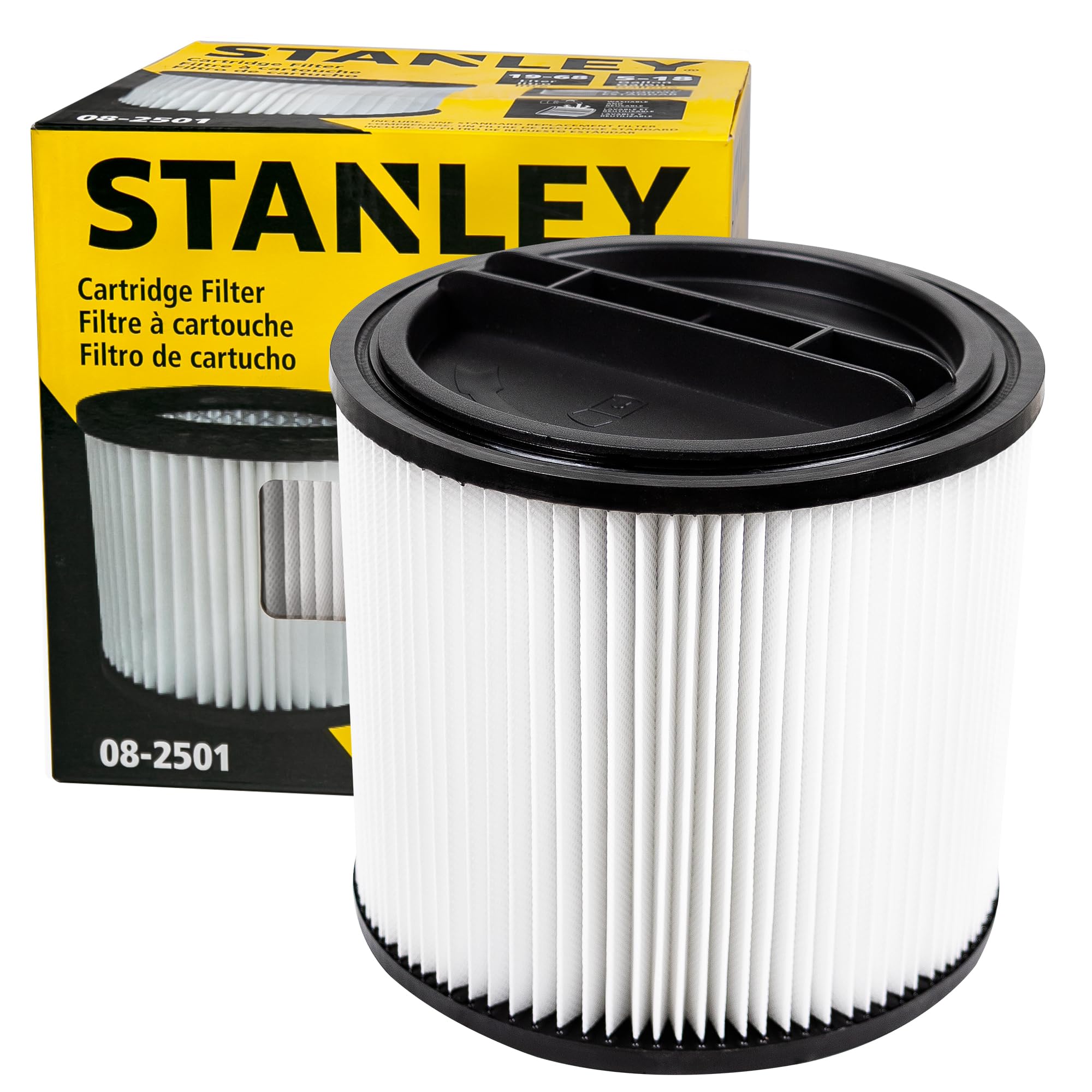
Pleated filters have folded fabric or paper. This design increases surface area to trap more dust and particles. They filter better than fiberglass and can sometimes be vacuumed gently. Still, they wear out faster than some other types.
Electrostatic Filters
Electrostatic filters attract dust using static electricity. They collect very small particles like pollen and smoke. Some electrostatic filters are washable or vacuumable. Regular cleaning helps keep their power strong.
Hepa Filters
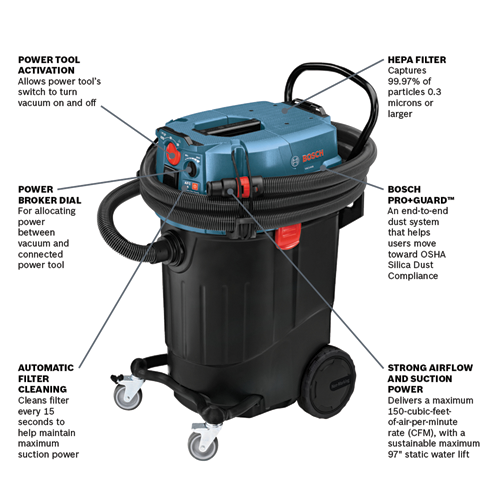
HEPA filters catch 99.97% of very tiny particles. They are used in places needing very clean air. HEPA filters should not be vacuumed because it can damage their fine fibers. Usually, they need careful replacement or professional cleaning.
Credit: www.boschtools.com
When Vacuuming Works
Vacuuming an air filter can be a helpful way to extend its life, but it only works under certain conditions. Knowing when your filter is a good candidate for vacuuming can save you time and prevent damage to your HVAC system. Let’s look at when vacuuming is actually effective and how to do it right.
Suitable Filter Conditions
Not all air filters respond well to vacuuming. If your filter is a reusable type with a sturdy frame and no visible tears, vacuuming can remove dust and debris effectively.
However, if the filter is disposable or very thin, vacuuming might damage it or fail to clean it properly. A heavily clogged filter with sticky or oily residue won’t improve much with just a vacuum either.
Ask yourself: is the filter dusty but still intact? If yes, vacuuming can work well. If it looks damaged or saturated with grime, it’s better to replace it.
Tools And Techniques
Using the right tools makes a big difference. A vacuum cleaner with a soft brush attachment prevents damage to the filter’s surface while loosening trapped dust.
Gently run the brush over both sides of the filter, avoiding excessive pressure. This helps remove loose particles without harming the filter material.
Some people find success with a handheld vacuum for more control. Remember to work in a well-ventilated area to avoid breathing in dust.
Have you tried vacuuming your filter this way before? The right technique can turn a simple cleaning task into a money-saving habit.
Risks Of Vacuuming Air Filters
Vacuuming your air filter might seem like a quick fix to clear out dust and debris, but it carries hidden risks. Not all filters are designed to withstand the suction power of a vacuum, and the consequences can affect both the filter’s lifespan and your home’s air quality. Understanding these risks helps you decide if vacuuming is the right maintenance choice or if other cleaning methods are safer.
Potential Damage To Filters
Many air filters are delicate and built with fine fibers that trap tiny particles. Using a vacuum can tear or dislodge these fibers, reducing the filter’s ability to capture dust and allergens effectively.
Have you noticed your filter looking worn or misshapen after vacuuming? That’s a sign the suction is too harsh. Damaged filters may need replacing sooner, which adds to your costs and effort.
Impact On Air Quality
A compromised filter cannot trap pollutants properly. This means dust, pollen, and other allergens can circulate freely in your home, potentially triggering allergies or respiratory issues.
Vacuuming might remove surface dust, but it can also push some particles deeper into the filter or release them back into the air. Ask yourself: Is the cleaning method actually improving your air, or making it worse?

Credit: www.amazon.ca
Alternative Cleaning Methods
Vacuuming an air filter might seem like the easiest way to clean it, but there are other effective methods worth considering. These alternatives can help maintain your filter’s efficiency and extend its life. Let’s explore some practical options that can keep your air filter in top shape without risking damage.
Washing And Drying
Some air filters are designed to be washable. If yours is one of them, rinsing it gently with water can remove trapped dust and debris effectively.
Use lukewarm water and avoid harsh detergents, as these can damage the filter material. After washing, let the filter air dry completely before reinstalling it to prevent mold growth.
Have you ever noticed how a damp filter smells musty? That’s a sign it wasn’t dried properly. Drying thoroughly is crucial for keeping your air quality clean and fresh.
Replacing Filters
Filters don’t last forever. Even if you clean them regularly, replacing your air filter periodically is essential for optimal performance.
Check the manufacturer’s guidelines to know how often you should change it. Typically, this ranges from every 3 to 12 months depending on usage and air quality.
Ignoring replacement can reduce airflow and strain your HVAC system. Have you checked when you last replaced your filter?
Professional Services
If you’re unsure about cleaning or replacing your filter, professional HVAC services can help. Experts can assess your filter’s condition and clean or replace it properly.
They use specialized tools that reach deep into the system, beyond what you can do at home. Scheduling a professional check-up can also spot other maintenance issues early.
Would you trust a professional to maintain your system and improve your home’s air quality? It might be worth considering if you want peace of mind.
Maintaining Cleaner Air
Maintaining cleaner air inside your home is more important than many realize. The quality of the air you breathe directly affects your health and comfort. Taking care of your air filter is one simple way to keep indoor air fresh and safe.
Regular Filter Checks
Checking your air filter regularly can save you from breathing in dust and allergens. A dirty filter blocks airflow and makes your system work harder. You might be surprised how often filters get clogged—sometimes in just a few weeks.
Set a reminder to inspect your filter every month. If it looks grey or dusty, it’s time to clean or replace it. This small action keeps the air moving smoothly and your environment healthier.
Optimizing Airflow
Have you noticed your air conditioner or heater struggling to keep your home comfortable? Clogged filters restrict airflow, forcing your system to consume more energy. Cleaning or vacuuming your filter can restore proper airflow, making your equipment run efficiently.
Try vacuuming your filter gently with a brush attachment. This removes surface dust without damaging the material. Better airflow means a more balanced temperature and lower energy bills.
Reducing Indoor Pollutants
Indoor pollutants like pet dander, pollen, and dust mites can worsen allergies and asthma. A clean air filter traps these particles before they spread around your home. Simply vacuuming your filter can remove many of these contaminants.
Think about how much dust collects on your furniture—imagine how much the air filter catches. Keeping the filter clean reduces the amount of harmful particles circulating in your living space. Isn’t it worth a few minutes to breathe easier every day?
Frequently Asked Questions
Can You Vacuum Clean Reusable Air Filters?
Yes, you can vacuum reusable air filters gently. Use a soft brush attachment to remove dust without damaging the filter material.
Does Vacuuming Damage Disposable Air Filters?
Vacuuming disposable air filters is not recommended. It can damage the filter fibers and reduce its effectiveness in trapping particles.
How Often Should You Vacuum Air Filters?
Vacuum reusable air filters every 1 to 3 months. This helps maintain airflow and extends the filter’s lifespan efficiently.
Is Vacuuming Better Than Washing Air Filters?
Vacuuming removes loose dust but does not deep clean filters. Washing is better for thorough cleaning if the filter is washable.
Conclusion
Vacuuming an air filter can help remove some dust and debris. It works best for reusable filters, not disposable ones. Be gentle to avoid damaging the filter material. Cleaning the filter regularly keeps air flowing well. Clean filters help your system work efficiently and save energy.
Remember, replacing filters when needed is important for good air quality. A clean filter means fresher air in your home. Keep your air filter in good shape for better health. Simple care goes a long way.