Are you wondering if you can vacuum your artificial grass to keep it clean and fresh? You’re not alone.
Many people have questions about the best way to care for synthetic lawns without damaging them. The good news is, vacuuming might be a simple solution—but there are important things you need to know before you start. Keep reading to discover how to safely vacuum your artificial grass and keep it looking great all year round.

Credit: www.youtube.com
Benefits Of Vacuuming Artificial Grass
Vacuuming your artificial grass might seem unusual, but it offers several practical benefits that keep your lawn looking fresh and healthy. Regular vacuuming can enhance the overall look and longevity of your synthetic turf. Let’s dive into how this simple step can improve your outdoor space.
Improved Appearance
Vacuuming removes dust and fine particles that settle on the surface, making your grass look cleaner and more vibrant. It helps restore the upright position of grass fibers, giving the lawn a lush, natural look. Have you noticed how a quick vacuum can brighten the color and texture instantly?
Debris Removal
Leaves, dirt, and small twigs can accumulate on artificial grass, making it appear messy and worn out. Vacuuming efficiently lifts away these unwanted materials, saving you time compared to manual picking. This also reduces the risk of mold or bacteria growth hidden under the debris.
Maintaining Grass Fibers
Artificial grass fibers can get flattened from foot traffic or weather conditions. Vacuuming helps to fluff and lift the fibers, preserving their shape and softness. Keeping the fibers upright not only improves comfort but also extends the life of your lawn, making it a smart maintenance habit.
Types Of Vacuums Suitable For Artificial Grass
Choosing the right vacuum for artificial grass is important. Not all vacuums work well on synthetic turf. Some can damage the fibers or fail to clean properly. The right vacuum keeps your grass clean and looking fresh without harm.
Various types of vacuums suit artificial grass. Each type has unique features and benefits. Consider the size of your area and the level of dirt. This helps pick the best vacuum for your needs.
Manual Handheld Vacuums
Manual handheld vacuums are light and easy to use. They work best for small areas or spot cleaning. No electricity is needed, so they save energy. These vacuums gently remove dust and small debris. They do not harm the grass fibers. Perfect for quick cleanup jobs.
Electric Vacuums
Electric vacuums offer stronger suction power. They clean larger areas faster than handhelds. Many models come with adjustable settings. This helps protect artificial grass from damage. Electric vacuums can remove stubborn dirt and leaves. They are ideal for regular maintenance.
Wet And Dry Vacuums
Wet and dry vacuums handle both water and dry debris. Great for cleaning spills or mud on artificial grass. These vacuums prevent water buildup, which stops mold growth. Wet and dry models are versatile and durable. They keep your turf clean in any weather.
Step-by-step Vacuuming Process
Vacuuming artificial grass might seem unusual, but it can be a great way to keep your lawn clean and fresh. The process involves a few careful steps to avoid damaging the turf while effectively removing dirt, leaves, and debris. Let’s walk through the essential actions that make vacuuming your artificial grass both safe and efficient.
Preparing The Grass
Before you start vacuuming, clear the area of large debris like sticks, stones, or toys. These can damage your vacuum or get stuck in the machine. Give the grass a quick brush with a stiff broom to lift the blades and loosen dirt.
Check the weather too. Vacuuming on a dry day works best because wet grass can clog your vacuum. Have you noticed how dry leaves are easier to pick up than soggy ones? That’s why timing matters.
Choosing The Right Vacuum Setting
Select a vacuum that allows adjustable suction power. Too strong suction might pull on the turf fibers or the infill, causing damage. A gentle setting works well for artificial grass.
Consider using a vacuum designed for hard floors or outdoor use rather than a carpet vacuum. These models handle debris on firm surfaces better and are less likely to harm your grass. If your vacuum has a brush attachment, test it first to ensure it doesn’t snag the turf.
Vacuuming Techniques
Move the vacuum slowly over the grass, covering small sections at a time. Quick passes might miss dirt, but going too slow could stress the blades. A steady pace strikes the right balance.
Vacuum in multiple directions to catch debris trapped between the grass fibers. This also helps keep the turf looking natural and upright. Have you tried switching directions when cleaning other surfaces? It often reveals what you missed.
Post-vacuum Maintenance
After vacuuming, check the grass for any areas where the infill may have shifted. Use a brush to redistribute it evenly. This keeps the turf stable and comfortable underfoot.
Rinse the grass lightly if dust or fine particles remain. Avoid soaking it, as too much water can create mold or mildew. A quick spray and some fresh air usually do the trick.
Common Mistakes To Avoid
Vacuuming artificial grass can keep it clean and fresh. Yet, mistakes can damage the turf or reduce its life. Avoiding common errors is key to proper care. Pay attention to how you vacuum and what tools you use.
Using Harsh Vacuum Brushes
Harsh brushes can scratch or tear the grass fibers. Use soft-bristle vacuum attachments designed for delicate surfaces. Hard brushes can also pull out the grass strands, causing bald spots.
Vacuuming Wet Grass
Vacuuming wet artificial grass clogs the vacuum and spreads dirt. It may also compact the turf and damage the backing. Always wait for the grass to dry fully before vacuuming.
Ignoring Infill Material
Infill supports grass blades and keeps turf stable. Vacuuming without checking infill can remove or displace it. Losing infill causes uneven surfaces and poor drainage. Check and redistribute infill regularly after vacuuming.
Alternative Cleaning Methods
Artificial grass needs regular cleaning to stay fresh and neat. Vacuuming may not always be the best choice. Here are some alternative cleaning methods that work well. Each method helps remove dirt, leaves, and debris without harming the grass fibers.
Raking And Brushing
Raking lifts leaves and twigs from the grass surface. Use a plastic rake to avoid damaging the fibers. Brushing helps keep the grass upright and fluffy. A stiff broom or a specialized artificial grass brush works best. Regular brushing stops the grass from looking flat and worn out.
Hosing Down
Hosing the grass with water removes dust and small debris. Use a gentle spray, not high pressure. Water also helps wash away pet urine and spills. It keeps the grass clean and cool, especially in hot weather. This method is simple and fast for light cleaning tasks.
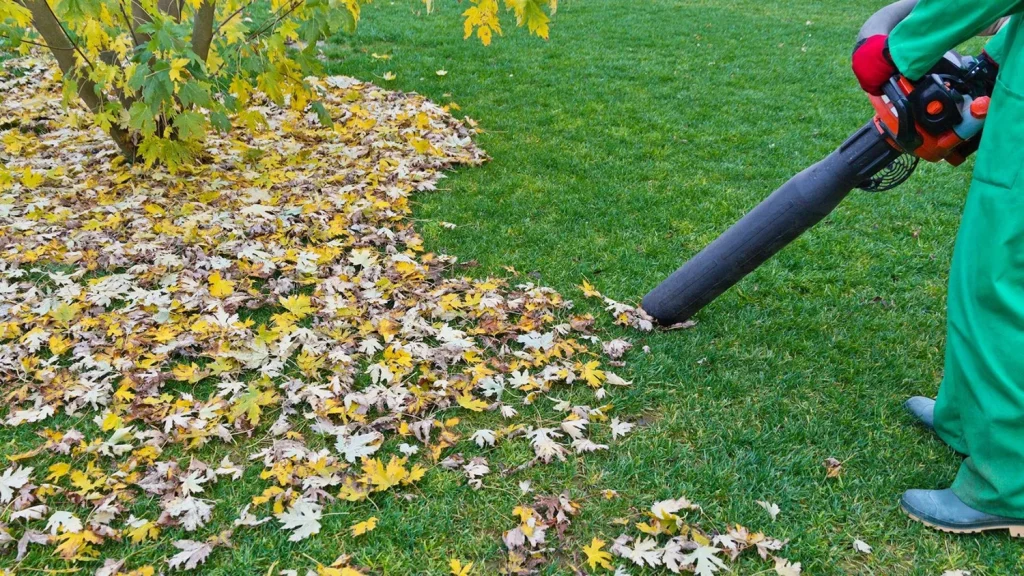
Using Leaf Blowers
Leaf blowers clear away dry leaves and loose dirt quickly. They reach places that rakes may miss, like corners. Use a blower with adjustable power to avoid blowing the infill out. This method is effective for large areas or after storms. It keeps the lawn tidy without touching the grass blades.
Credit: turffactorydirect.com
Expert Tips For Long-term Care
Taking care of your artificial grass properly ensures it stays fresh and vibrant for years. Simple habits and smart choices help you avoid damage and keep your lawn looking its best. Here are some expert tips to help you maintain your artificial grass effectively over time.
Regular Cleaning Schedule
Setting a regular cleaning schedule is key. You don’t need to vacuum every day, but once a week or biweekly works well for most lawns. This keeps leaves, dust, and small debris from building up and becoming tough to remove.
Use a vacuum with adjustable suction or a leaf blower for gentle cleaning. Too strong suction can pull up the grass fibers. Have you noticed how a quick cleanup often prevents stubborn stains or odors?
Protecting Against Heavy Debris
Heavy debris like sticks or stones can damage the turf fibers or the infill beneath. Remove these by hand quickly before they cause wear or create bald spots. Placing a simple mesh cover or mat in high-traffic areas can reduce the chances of heavy debris accumulating.
Think about your yard’s busiest spots. Are you protecting these areas enough, or are they vulnerable to damage? Taking action early can save costly repairs later.
Seasonal Maintenance
Seasonal changes affect your artificial grass differently. During fall, more leaves will fall, so increase cleaning frequency. In winter, check for ice patches and remove snow gently with a plastic shovel to avoid harming the turf.
Spring is perfect for rinsing the grass to clear out winter dirt and refresh the fibers. Adapting your care routine with the seasons helps your lawn stay in top shape year-round. How might adjusting your maintenance habits each season improve your grass’s lifespan?

Credit: www.angi.com
Frequently Asked Questions
Can You Vacuum Artificial Grass Safely?
Yes, you can vacuum artificial grass safely using a lightweight vacuum. Avoid heavy or rotating brushes to prevent damage to the turf fibers. Use a vacuum with adjustable suction to clean debris without harming the grass surface.
What Type Of Vacuum Works Best On Artificial Grass?
A canister or handheld vacuum with adjustable suction works best. Avoid vacuums with beater bars or strong rotating brushes. These can damage the artificial grass fibers and reduce the turf’s lifespan.
How Often Should You Vacuum Artificial Grass?
Vacuum artificial grass once every few weeks or as needed. Frequent vacuuming helps remove leaves, dirt, and debris. This keeps the turf clean and maintains its appearance and drainage.
Can Vacuuming Improve Artificial Grass Maintenance?
Yes, vacuuming helps maintain artificial grass by removing dirt and debris. It prevents buildup that can cause odors or mold. Regular vacuuming prolongs turf life and keeps it looking fresh and neat.
Conclusion
Vacuuming artificial grass helps keep it clean and fresh. Use a vacuum with adjustable settings to avoid damage. Light debris and dust can be removed easily this way. Avoid strong suction that may pull up the grass fibers. Regular care extends the life of your artificial lawn.
Simple cleaning keeps your outdoor space neat and inviting. Try vacuuming along with brushing for best results. Small efforts make your artificial grass look great for years.