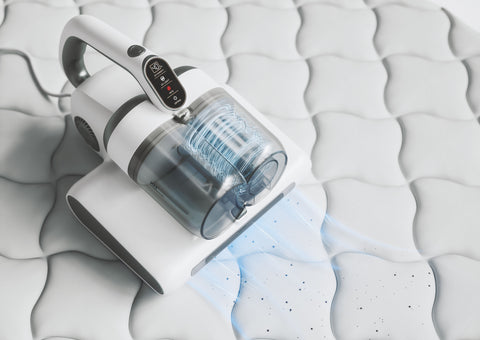
Are you worried about bed bugs invading your home? You might be wondering if vacuuming can help get rid of these tiny pests for good.
Bed bugs are sneaky, and dealing with them can feel overwhelming. But before you grab your vacuum cleaner, it’s important to know what really works and what doesn’t. Keep reading to discover how vacuuming fits into your battle against bed bugs—and what steps you should take next to protect your home and peace of mind.

Credit: naturesmace.com
Vacuuming Bed Bugs
Vacuuming bed bugs might seem like a quick fix when you spot these unwelcome guests. It’s a common question: can a vacuum really help control bed bugs? While vacuuming can reduce their numbers, understanding its role and limits is crucial for effective pest control.
How Vacuuming Helps
Vacuuming physically removes bed bugs, their eggs, and shed skins from surfaces like mattresses, bed frames, and carpets. It’s especially useful in tight spots where bugs hide, such as seams and cracks. Using a vacuum with strong suction and a crevice tool can make a noticeable difference in reducing the infestation.
One time, I managed to catch a small bed bug nest early by vacuuming behind the headboard. The bugs weren’t gone, but the numbers dropped significantly, giving me a head start on treatment. Vacuuming also helps remove allergens and debris, improving your sleeping environment.
Limitations Of Vacuuming
Vacuuming alone won’t eliminate bed bugs entirely. Bugs hidden deep inside furniture or walls can escape suction. Eggs are sticky and can cling tightly, making them harder to remove completely.
Another downside is that vacuuming may spread bed bugs if the vacuum bag or container isn’t sealed and disposed of correctly. Without follow-up treatment, the bugs you missed can quickly repopulate. So, vacuuming is a helpful step, but it must be part of a broader pest control plan.
Choosing The Right Vacuum
Choosing the right vacuum is crucial when dealing with bed bugs. Not all vacuums can effectively capture these tiny pests or their eggs. Picking the right tool can make your efforts more successful and less frustrating.
Features To Look For
Look for vacuums with strong suction power. Bed bugs hide deep in mattresses, seams, and cracks, so a vacuum that can pull them out is essential.
A vacuum with a HEPA filter is a smart choice. It traps small particles, including bed bug eggs and allergens, preventing them from escaping back into your room.
Consider a vacuum with a sealed system. This ensures the bugs stay inside the vacuum bag or container, reducing the risk of spreading them around.
Attachments matter too. Crevice tools and brush heads help you reach tight spots where bed bugs love to hide.
Recommended Vacuum Types
- Canister Vacuums:These often have strong suction and come with various attachments, making them ideal for targeting hard-to-reach places.
- Upright Vacuums with HEPA Filters:They combine powerful suction and effective filtration, perfect for deep-cleaning mattresses and carpets.
- Handheld Vacuums:Compact and maneuverable, these are great for quick spot treatments on furniture and bed frames.
Have you ever tried vacuuming bed bugs only to find them crawling back out? Choosing a vacuum with the right features can stop this frustrating cycle. Your vacuum isn’t just a cleaning tool—it’s your first line of defense.
Vacuuming Techniques
Vacuuming is a helpful way to reduce bed bug numbers. Using the right technique improves your success. Targeting the right spots catches the bugs hiding in cracks and crevices. Proper vacuuming methods ensure you remove eggs, nymphs, and adults effectively. Careful vacuum use limits spreading bugs to other areas.
Target Areas To Clean
- Mattress seams and folds where bed bugs hide.
- Box springs and bed frames, especially joints and corners.
- Baseboards and edges of carpets near the bed.
- Behind headboards and picture frames on walls.
- Cracks in wooden furniture and loose wallpaper edges.
- Electrical outlets and switch plates (with caution).
Proper Vacuuming Methods
Use a vacuum with strong suction and a hose attachment.
Move slowly over each area to suck up bugs and eggs.
Focus on seams, edges, and tight spots where bugs hide.
Empty vacuum contents into a sealed bag immediately after use.
Dispose of the bag outside your home to prevent re-infestation.
Repeat vacuuming regularly for several days to catch newly hatched bugs.
Disposing Of Vacuumed Bed Bugs
After vacuuming bed bugs, proper disposal is crucial to stop them from spreading. Simply emptying the vacuum bag or canister carelessly can release live bugs back into your home. Safe disposal keeps your space clean and helps control the infestation effectively.
Safe Disposal Practices
Remove the vacuum bag or empty the canister outside your home. Seal the contents tightly in a plastic bag. Use strong tape to close the bag securely. Dispose of it in an outdoor trash bin. Clean the vacuum parts thoroughly with hot, soapy water. Heat or freeze vacuum parts if possible to kill any remaining bugs.
Preventing Reinfestation
Store vacuum equipment away from sleeping areas. Avoid using the same vacuum indoors without cleaning it first. Regularly inspect and clean your home’s beds and furniture. Use mattress covers that block bed bugs. Keep clutter low to reduce hiding places. Repeat vacuuming and disposal often for best results.
Supplementing Vacuuming With Other Methods
Vacuuming bed bugs can remove many of these pests, but it rarely solves the problem alone. These insects hide deep in cracks, crevices, and fabric folds, making it tough for a vacuum to reach every last one. To truly get rid of bed bugs, you need to add other methods that target their hiding spots and life cycle.
Heat Treatments
Heat kills bed bugs at all stages—eggs, nymphs, and adults. Raising the temperature of a room or belongings to around 120°F (49°C) for several hours can eliminate infestations without chemicals.
You might use a portable heater designed for pest control or send infested items like bedding and clothes to a professional heat treatment service. Have you checked your thermostat lately to see if you can safely apply heat in your space?
Chemical Options
Pesticides can be an effective tool when used correctly. Products containing pyrethroids or desiccants can attack bed bugs directly or damage their exoskeletons, causing dehydration.
Be cautious with chemical sprays—read labels carefully, and avoid overuse to prevent resistance. Combining vacuuming with targeted chemical treatments often improves results, but always prioritize your family’s safety.
Professional Pest Control
If bed bugs persist despite your efforts, professional pest control is a smart next step. Experts have access to specialized tools and treatments that are more potent and thorough than over-the-counter options.
They can also inspect your home to find hidden infestations you might miss. Have you considered how much time and stress you could save by calling in a professional?

Credit: naturesmace.com
Preventing Future Infestations
Stopping bed bugs before they take hold again is just as important as getting rid of them in the first place. Preventing future infestations means staying vigilant and proactive in your daily habits. You can reduce the chance of these pests returning by making small but effective changes to how you care for your sleeping areas.
Regular Cleaning Habits
Vacuuming your mattress, bed frame, and nearby furniture regularly can catch bed bugs early. Pay close attention to cracks, seams, and crevices where these pests like to hide. Don’t forget to empty the vacuum cleaner immediately into a sealed bag to avoid spreading eggs or bugs around.
Washing your bedding and linens in hot water weekly also helps kill any hidden bed bugs. Cleaning doesn’t have to be overwhelming—setting a schedule makes it easier to stay on top of it. How often do you check under your bed or behind headboards?
Protective Bed Covers
Encase your mattress and box spring in special bed bug-proof covers. These covers trap any bugs inside and prevent new ones from entering. They also make it easier to spot bed bugs since the covers are usually light-colored.
Look for covers that are tightly woven and specifically labeled for bed bug protection. These are affordable investments that create a strong barrier. Have you noticed how small changes like this can save you time and stress in the long run?
Monitoring And Early Detection
Set up simple monitoring tools like interceptors under your bed legs to catch bed bugs early. These traps stop bugs from climbing up and give you a warning sign before the problem grows. You can also use sticky tape or glue traps around sleeping areas as an extra layer of defense.
Check your bed and room regularly for signs such as tiny blood spots or shed skins. Early detection means you can act quickly before the infestation spreads. How often do you pause to inspect your sleeping space for unwanted guests?

Credit: goloadup.com
Frequently Asked Questions
Can Vacuuming Eliminate Bed Bugs Completely?
Vacuuming can help reduce bed bugs, but it won’t eliminate them completely. Bed bugs often hide in cracks, crevices, and other hard-to-reach places. Vacuuming is effective for removing visible bugs and eggs on surfaces. For complete eradication, combine vacuuming with other treatments like heat or professional pest control services.
How Often Should I Vacuum For Bed Bugs?
To effectively combat bed bugs, vacuum every day or every other day. Focus on areas where bed bugs are likely to hide, such as mattresses, box springs, and floor seams. Consistent vacuuming helps reduce the population, but additional measures are necessary for full eradication.
What Vacuum Type Is Best For Bed Bugs?
A vacuum with a HEPA filter is best for bed bugs. The HEPA filter traps tiny particles, including bed bug eggs. Use a vacuum with strong suction and a crevice tool to reach hiding spots. Dispose of the vacuum contents immediately in a sealed bag to prevent re-infestation.
Can Vacuuming Spread Bed Bugs?
Improper vacuuming can accidentally spread bed bugs. Ensure the vacuum is sealed properly and has a HEPA filter. Empty the vacuum immediately after use, sealing the contents in a plastic bag. Dispose of it outside your home to prevent bed bugs from escaping and spreading to other areas.
Conclusion
Vacuuming can help reduce bed bugs but won’t remove them all. Bed bugs hide deep in cracks and mattresses. Use vacuuming as part of a bigger plan. Clean regularly and check for signs of bugs. Combine vacuuming with other treatments for better results.
Acting quickly stops the problem from growing. Stay patient and keep your home clean. This way, you protect your family and sleep better at night.