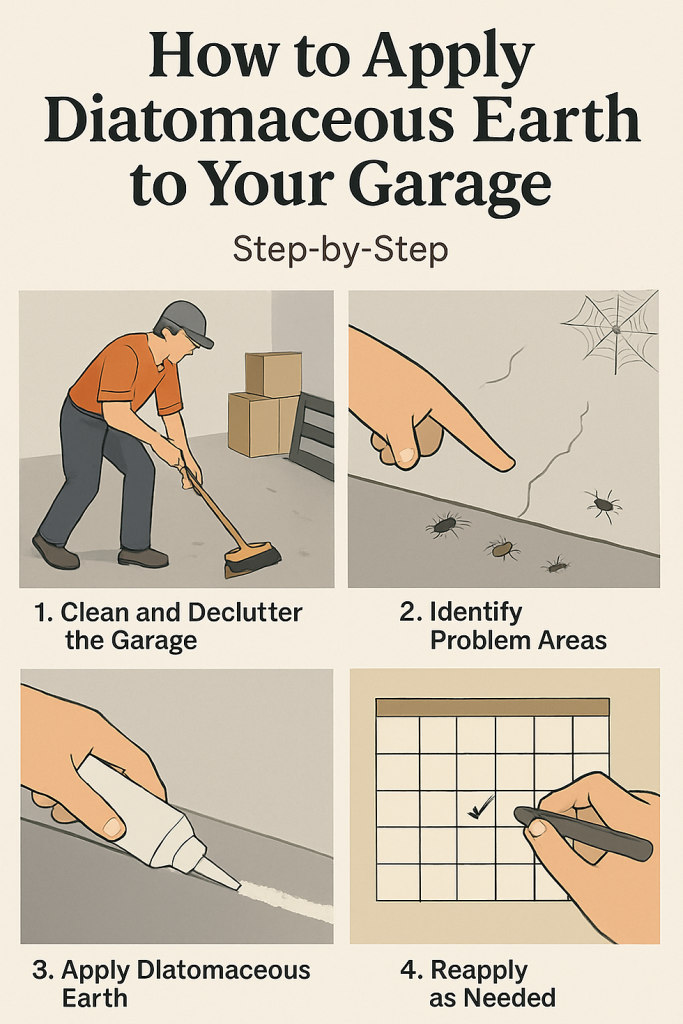
Wondering if you can vacuum diatomaceous earth? You’re not alone.
This natural powder is a powerhouse when it comes to pest control, but cleaning it up can leave you scratching your head. Before you grab your vacuum cleaner, there’s a lot you need to know. Will it ruin your appliance?
Is there a safer way to tidy up? By understanding the right techniques, you can avoid costly mistakes and ensure your home stays both clean and pest-free. Dive into this article to discover the secrets of managing diatomaceous earth safely and effectively. Your vacuum—and your wallet—will thank you.
What Is Diatomaceous Earth
Diatomaceous Earth (DE) is more than just a household name for pest control. It’s a natural powder made from the fossilized remains of tiny aquatic organisms called diatoms. These microscopic creatures left behind silica-rich shells that, over millions of years, formed the fine, abrasive powder we know today.
You might wonder why this powder is so popular. Its unique texture allows it to absorb oils and fats from insect exoskeletons, causing them to dry out and die. That’s why many people use it in gardens, homes, and even on pets to fight pests without harsh chemicals.
But what exactly is in Diatomaceous Earth? Is it safe? And how should you handle it, especially when it comes to cleaning up? Let’s break down the basics.
Composition And Origins
Diatomaceous Earth is primarily made up of silica, a natural mineral found in sand and quartz. The powder is very fine, almost like talcum powder, but with a rough texture under a microscope. Its abrasive quality is what makes it effective against pests.
The source of DE is ancient lakes and oceans where diatoms once thrived. After these creatures died, their shells sank and accumulated in thick layers, which were then mined and processed for various uses.
Types Of Diatomaceous Earth
There are two main types of DE: food grade and industrial grade. Food grade DE is safe for humans and pets and is often used in gardening, pest control, and even as a dietary supplement. Industrial grade DE is treated with high heat and chemicals, making it unsuitable for personal use.
Always check the label before purchasing DE to ensure it matches your intended use. Using the wrong type can lead to health risks.
Common Uses Of Diatomaceous Earth
- Pest Control:Sprinkling DE around the house or garden can help reduce ants, bed bugs, and fleas.
- Gardening:DE helps control slugs and beetles while improving soil quality.
- Health Supplement:Some people consume food grade DE for its potential detox benefits.
- Cleaning Agent:Its abrasive nature makes it useful for scrubbing tough stains.
Have you ever considered how this simple powder can serve so many purposes? Understanding what Diatomaceous Earth is will help you decide how to use it safely and effectively in your own home.
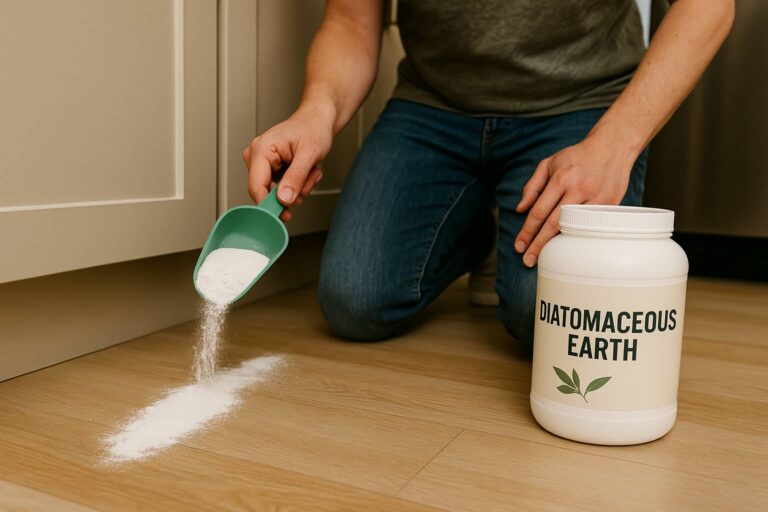
Credit: www.safesalt.com.au
Why Vacuuming Diatomaceous Earth Is Tricky
Vacuuming diatomaceous earth (DE) is not simple. Its fine, powdery texture can cause issues with many vacuum cleaners. The tiny particles spread easily and can clog filters quickly. This makes cleaning more difficult than usual.
Choosing the wrong vacuum may damage your machine or spread dust in the air. Understanding why vacuuming DE is tricky helps you pick the right tools. It also ensures safer and more effective cleaning.
Fine Particles That Clog Filters
Diatomaceous earth consists of very small particles. These particles can block vacuum filters fast. Clogged filters reduce suction power. This makes the vacuum less effective and may cause overheating.
Dust Clouds And Airborne Particles
Vacuuming DE can create dust clouds. The powder can escape back into the air easily. This can irritate eyes and lungs. Proper vacuum bags or filters help reduce dust release.
Damage To Vacuum Motors
The abrasive nature of DE particles can harm vacuum motors. Tiny particles may enter motor parts and cause wear. This can shorten the vacuum’s lifespan and lead to costly repairs.
Specialized Vacuum Requirements
Not all vacuums work well with DE. Machines with HEPA filters or sealed systems work best. These vacuums trap fine dust and protect internal parts. Using the right vacuum keeps your home and machine safe.
Types Of Vacuums Suitable For Diatomaceous Earth
Cleaning up diatomaceous earth (DE) can be tricky because its fine powder tends to clog or damage certain types of vacuums. Choosing the right vacuum is key to efficient cleanup without harming your equipment or creating a dust cloud. Let’s look at the types of vacuums that handle DE best and why they work.
Hepa Filter Vacuums
HEPA filter vacuums are excellent for cleaning up diatomaceous earth because they trap tiny particles effectively. These filters prevent fine dust from escaping back into the air, protecting your lungs and keeping your space clean. If you’ve ever used a vacuum without a HEPA filter around powdery substances, you know how much dust can fly everywhere.
Make sure the vacuum has a sealed system to avoid leaks. That way, you won’t breathe in the fine DE particles during cleanup. HEPA vacuums are especially useful if you’re cleaning indoors or have allergies.
Shop Vacuums
Shop vacuums, also known as wet/dry vacs, are powerful and built to handle tough messes, including diatomaceous earth. Their strong suction and larger capacity make them suitable for cleaning larger areas where DE has been spread. Plus, many shop vacs come with filters designed for fine dust, making them a practical choice.
One tip: use a filter designed for fine dust or add a pre-filter bag to protect the vacuum’s motor. This can extend the life of your shop vac and keep it running smoothly. Have you tried using your shop vac for DE? You might be surprised how well it performs with the right setup.
Regular Household Vacuums
Regular household vacuums are generally not recommended for vacuuming diatomaceous earth unless they have HEPA filters and strong sealed systems. The fine powder can clog standard filters and damage the motor over time. If you choose to use one, clean or replace the filters immediately after use.
Some models handle light DE cleanup better than others, but it’s a risk to your vacuum’s longevity. Ask yourself—do you want to risk costly repairs or replacements, or invest in a vacuum designed for this type of cleaning?

Credit: www.k9sovercoffee.com
Step-by-step Vacuuming Tips
Vacuuming diatomaceous earth requires care to avoid spreading fine dust. Follow these simple steps to clean the area safely and efficiently. Taking precautions helps protect your vacuum and your health. Use these tips to handle the cleanup smoothly.
Prepare The Area
Clear the space of loose items and debris. Open windows or doors for ventilation. Avoid stirring up the dust before vacuuming. Gently sweep larger clumps if necessary.
Use Protective Gear
Wear a dust mask to prevent breathing in fine particles. Use gloves to protect your skin from irritation. Consider goggles to shield your eyes from dust clouds.
Vacuum Slowly And Carefully
Use a vacuum with a HEPA filter for best results. Move the nozzle slowly over the surface to capture all particles. Avoid pressing too hard to reduce dust clouds. Repeat the process until the area looks clean.
Empty Vacuum Immediately
Turn off the vacuum before opening the bag or canister. Dispose of the collected dust in a sealed plastic bag. Clean the vacuum filter and parts to maintain performance. Store the vacuum in a dry place after cleaning.
Alternative Cleaning Methods
Cleaning diatomaceous earth requires care to avoid spreading fine dust. Alternative cleaning methods work better than vacuuming. These methods keep your space clean and reduce airborne particles. They are simple and effective for everyday use.
Sweeping And Dustpans
Sweeping with a soft broom helps gather diatomaceous earth safely. Use gentle strokes to prevent dust from rising. Collect the powder carefully with a dustpan. Dispose of the debris outdoors to avoid dust inside your home. Sweeping keeps the area tidy without stirring up too much dust.
Wet Cleaning Techniques
Wet cleaning reduces dust and helps remove stubborn residue. Dampen a cloth or mop slightly before cleaning. Wipe surfaces gently to capture the powder. Avoid soaking the area to prevent clumping. Wet methods keep dust down and make cleanup easier. Always rinse cleaning tools well after use.
Health Precautions When Handling Diatomaceous Earth
Handling diatomaceous earth (DE) requires careful attention to your health. Though it’s a natural product, the fine powder can irritate your skin, eyes, and lungs if not managed properly. Taking simple precautions can help you use DE safely without risking discomfort or injury.
Wear Masks And Gloves
Wearing a mask is essential to avoid inhaling the tiny particles of diatomaceous earth. A standard dust mask or a respirator with a P2 or N95 rating works best to protect your lungs.
Gloves shield your hands from irritation caused by prolonged contact with the powder. I once skipped gloves and ended up with itchy, dry skin that took days to heal. Trust me, the extra effort is worth it.
Avoid Creating Dust Clouds
When handling DE, try not to stir up the powder into the air. Dust clouds can quickly spread particles and increase the risk of inhalation.
Apply the powder gently and use tools that minimize airborne dust. Spraying a little water on the surface before vacuuming can help keep dust down. Have you noticed how a small change like this can make cleanup much easier and safer?
Common Mistakes To Avoid
Vacuuming diatomaceous earth (DE) might seem straightforward, but many people make mistakes that can damage their vacuum or reduce the effectiveness of cleanup. Avoiding these common errors will save you time, money, and frustration. Let’s look at what you should watch out for to keep your vacuum safe and your space clean.
Using The Wrong Type Of Vacuum
Not all vacuums handle diatomaceous earth well. Regular household vacuums with fine filters can clog quickly, reducing suction and potentially ruining the motor.
Shop vacuums or those designed for heavy-duty or fine dust are better choices. Have you checked if your vacuum can handle fine powders before using it?
Skipping Filter Maintenance
DE dust is very fine and can clog filters fast. If you don’t clean or replace the filter regularly, your vacuum will lose suction and might overheat.
Take the time to clean or swap out filters often during and after vacuuming DE. This simple step keeps your vacuum running smoothly.
Vacuuming Wet Or Damp Diatomaceous Earth
Vacuuming DE that’s wet can create a thick paste inside your vacuum, causing blockages and damage. Always ensure the DE is completely dry before vacuuming.
Have you ever tried vacuuming wet powder and ended up with a clogged machine? Avoid that hassle by waiting for full dryness.
Ignoring Safety Precautions
DE dust is harmless but fine particles can irritate your lungs if inhaled in large amounts. Not wearing a mask or vacuuming in a poorly ventilated area puts your health at risk.
Wear a dust mask and open windows or use fans to keep air moving. Protecting yourself is as important as cleaning effectively.
Vacuuming Large Amounts At Once
Trying to vacuum a heavy layer of DE in one go can overwhelm your vacuum, causing clogging or motor strain.
Vacuum in smaller sections and take breaks to clean filters if needed. Does breaking the job into parts make the task feel more manageable for you?

Credit: www.earthworkshealth.com
Frequently Asked Questions
Can You Vacuum Diatomaceous Earth Safely?
Yes, you can vacuum diatomaceous earth safely if you use a vacuum with a HEPA filter. This prevents fine particles from escaping back into the air. Always wear a mask and clean the vacuum after use to avoid irritation.
What Type Of Vacuum Is Best For Diatomaceous Earth?
A vacuum with a HEPA filter is best for diatomaceous earth. It traps tiny particles efficiently. Regular vacuums may release dust into the air, causing respiratory issues. Choose a vacuum designed for fine dust cleanup.
Will Vacuuming Diatomaceous Earth Harm My Vacuum Cleaner?
Vacuuming diatomaceous earth can damage vacuums without proper filters. The fine powder may clog filters and motors. Using a vacuum with a HEPA filter reduces this risk and protects your machine from damage.
How To Clean Up Diatomaceous Earth After Vacuuming?
After vacuuming, dispose of the vacuum bag or empty the canister outdoors. Wipe surfaces with a damp cloth to remove residue. This prevents dust from spreading and keeps your home clean and safe.
Conclusion
Vacuuming diatomaceous earth requires care and the right vacuum type. Use a vacuum with a HEPA filter to avoid dust spreading. Regular vacuums can get clogged or release fine particles. Always wear a mask to protect your lungs. Clean the vacuum after use to keep it working well.
Small amounts can be vacuumed safely if done carefully. This helps keep your space clean and healthy. Taking these steps makes vacuuming diatomaceous earth easier and safer for everyone.