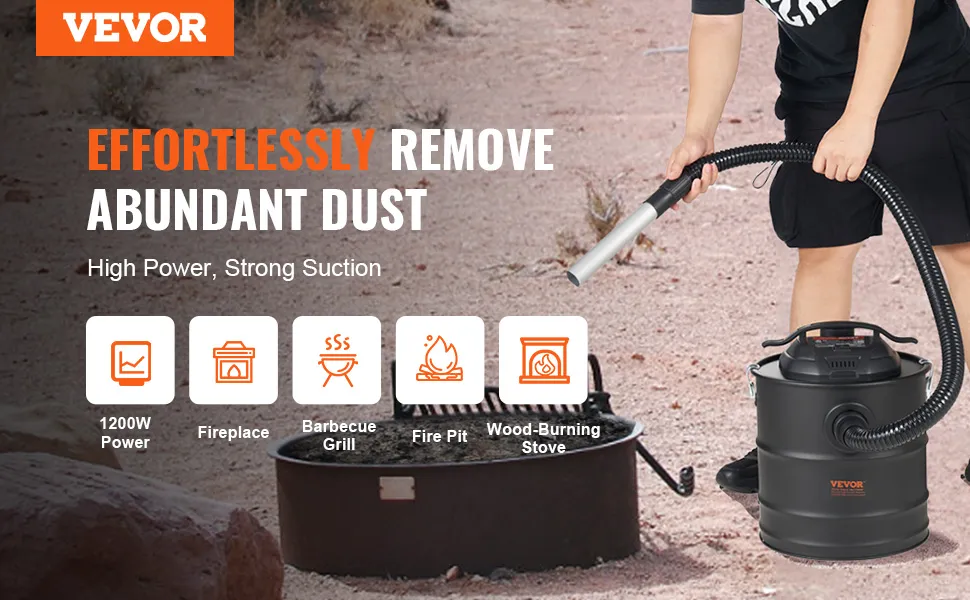
Imagine cozying up by the warm glow of your fireplace, the comforting crackle of logs setting the perfect atmosphere. But once the fire dies down, you’re left with a less charming task: cleaning up the ashes.
If you’ve ever stared at the pile of gray soot and wondered, “Can you vacuum fireplace ashes? ” You’re not alone. This question might seem simple, but the answer has significant implications for your safety and the health of your vacuum cleaner.
We’ll dive into the do’s and don’ts of cleaning up fireplace ashes. You’ll discover the best practices to keep your fireplace area spotless without risking damage to your equipment or your home. Keep reading to learn how to make your post-fireplace cleanup both efficient and safe.
Credit: www.vevor.ca
Risks Of Vacuuming Fireplace Ashes
Vacuuming fireplace ashes might seem like a quick and easy cleanup solution. However, it comes with several risks that can cause damage to your vacuum, harm your health, and even start a fire. Understanding these dangers can help you decide the safest way to clean your fireplace.
Damage To Vacuum Cleaner
Fireplace ashes are very fine and dry, which can clog your vacuum’s filters and damage its motor. Most household vacuums are not designed to handle such fine particles, leading to overheating and breakdowns. You could end up spending more money on repairs or a new vacuum if you aren’t careful.
Health Hazards From Ash Dust
When vacuuming ashes, tiny dust particles can become airborne and irritate your lungs and eyes. Ash dust contains harmful substances like carbon and chemicals from burned materials. Breathing this dust can cause coughing, sneezing, or even long-term respiratory issues, especially if you have allergies or asthma.
Fire Hazards From Hot Embers
One of the biggest dangers is the risk of fire from hot embers hidden in the ashes. Even if the fire seems out, embers can remain hot for hours or days. Vacuuming these can ignite the vacuum bag or motor, causing sparks and potentially starting a fire in your home.

Credit: www.amazon.com
Choosing The Right Vacuum
Choosing the right vacuum for fireplace ashes is important. Ashes are fine and can damage regular vacuums. Picking a vacuum made for ash cleaning keeps your home safe and your vacuum working well. Not all vacuums handle ashes properly. Some can cause dust to spread or even catch fire. Understanding the types of vacuums and their features helps you make a smart choice.
Specialized Ash Vacuums
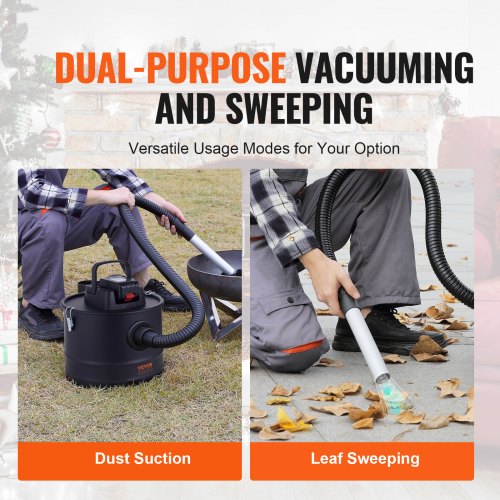
Specialized ash vacuums are built to handle fine, dry ashes. They have metal containers to resist heat and prevent fire risks. These vacuums come with filters that trap tiny ash particles. Many models include brushes or nozzles designed for fireplace corners. They are easy to clean and maintain. Using an ash vacuum reduces dust and keeps your air clean.
Features To Look For
- Heat-resistant metal container:Protects from hot embers.
- High-efficiency filters:Captures fine ash dust.
- Strong suction power:Picks up all ash and debris.
- Detachable parts:Makes cleaning simple.
- Long hose and attachments:Reach tight spots easily.
These features improve cleaning and safety. They help keep the vacuum working longer.
Avoiding Standard Vacuums
Standard vacuums are not made for ashes. Ash can clog filters and damage motors. Fine dust can escape, causing breathing problems. Hot ashes may cause fires inside the vacuum. Using a regular vacuum risks harming your machine and your health. Always choose a vacuum designed for ash removal.
Preparing The Fireplace And Ashes
Preparing the fireplace and ashes before vacuuming is key to a safe and effective cleanup. Proper preparation reduces dust spread and prevents damage to your vacuum. It also helps you work faster and cleaner.
Ensuring Ashes Are Completely Cool
Never vacuum ashes that still have heat. Hot embers can damage the vacuum and cause fires. Wait at least 24 hours after the fire has gone out. Touch the ashes to make sure they are cold. If you feel any warmth, give more time to cool.
Gathering Tools And Safety Gear
Prepare all necessary tools before starting. Use a metal scoop or shovel to collect ashes. Put ashes in a metal container with a lid. Wear gloves and a dust mask to protect your skin and lungs. Old clothes or an apron help keep you clean. Having these ready avoids interruptions and keeps you safe.
Cleaning Surrounding Areas
Clear the area around the fireplace. Remove rugs, furniture, and decorations nearby. Sweep or wipe surfaces to catch loose dust and debris. This stops ashes from spreading when you vacuum. Keep a damp cloth handy to clean spills or dust on the floor. A clean work area makes vacuuming easier and neater.
Step-by-step Vacuuming Process
Cleaning fireplace ashes with a vacuum requires care and the right approach. The process needs safety and proper tools to avoid damage. Follow these clear steps to vacuum ashes effectively without mess or risk.
Setting Up The Vacuum
Use a vacuum designed for ashes or a shop vacuum with a fine filter. Avoid regular household vacuums to prevent damage. Make sure the vacuum bag or container is empty before starting. Attach a narrow nozzle or brush tool to reach ash in corners. Wear a mask to avoid inhaling fine dust. Work in a well-ventilated area to keep air clear.
Proper Vacuuming Techniques
Let the ashes cool completely before vacuuming. Hot ashes can damage the vacuum and cause fire. Gently move the nozzle over the ash surface without pressing hard. Use slow, steady strokes to avoid stirring ash dust into the air. Clean one small section at a time for better control. Avoid vacuuming large chunks of wood or coal that could clog the vacuum.
Disposing Of Collected Ash Safely
Empty the vacuum container or bag outside to prevent indoor dust. Place ashes in a metal container with a tight lid. Keep the container away from flammable materials. Ashes may retain heat for days, so store them safely. Use ashes as garden fertilizer or dispose of them according to local rules. Always wash your hands after handling ashes to avoid irritation.
Alternative Cleaning Methods
Cleaning fireplace ashes can be tricky, especially if you want to avoid the mess that vacuuming might create. Fortunately, there are several alternative cleaning methods that can help you manage the ashes efficiently and safely. These options allow you to keep your fireplace tidy without risking damage to your vacuum or creating a dusty cloud in your living space.
Using A Shovel And Brush
Using a small shovel and a stiff brush is a straightforward way to remove ashes. Start by gently scooping the ashes into a metal container with your shovel. Then, use the brush to sweep up the remaining fine ash particles from the fireplace floor.
This method gives you control over the cleanup and reduces the risk of ash flying around. Have you noticed how much less dust ends up on your furniture when you take your time with this approach?
Wet Cleaning Techniques
Wet cleaning involves dampening the ashes slightly before removal. Lightly spray water over the ashes to prevent them from becoming airborne. This makes it easier to scoop and sweep without creating a dusty mess.
Be cautious not to soak the ashes, as excessive moisture can make disposal difficult. Have you tried this before and found it reduces cleanup time? It’s a simple trick that can make a big difference.
Professional Cleaning Services
If you prefer a hands-off approach, professional fireplace cleaning services are a reliable choice. Experts use specialized tools and techniques to remove ashes thoroughly and safely. They also inspect your fireplace for any issues that might need attention.
Hiring professionals can save you time and effort, especially if your fireplace sees heavy use. Have you considered this option to keep your fireplace in top shape without the hassle?
Maintaining Your Vacuum After Use
Maintaining your vacuum after cleaning fireplace ashes is crucial to keep it working efficiently and to extend its lifespan. Ash particles can be fine and abrasive, which might cause wear or clogging if not properly removed. Taking a few minutes to care for your vacuum can save you from costly repairs or replacements later.
Cleaning Filters And Canisters
After vacuuming ashes, empty the canister immediately to avoid buildup. Ash can clog filters quickly, reducing suction power and potentially damaging the motor. Rinse washable filters with water and let them dry completely before reinstalling. Non-washable filters should be replaced as recommended by the manufacturer.
Have you noticed your vacuum losing suction after cleaning ashes? Dirty filters are often the culprit. Regular cleaning ensures your vacuum performs at its best.
Inspecting For Damage
Check the vacuum hose and attachments for cracks or holes caused by abrasive ash particles. Damaged parts can cause loss of suction and let fine ash escape back into the air. Also, inspect seals and connections for wear to prevent leaks. Catching damage early means you can fix or replace parts before bigger problems arise.
Storage Tips
Store your vacuum in a cool, dry place to prevent moisture from causing mold or rust. Avoid leaving ash residue inside the vacuum before storage. Covering the vacuum or placing it in a dust-free area keeps it clean and ready for the next use.
Do you keep your vacuum in a spot that protects it from dust and moisture? Proper storage is a simple step that helps maintain your vacuum’s performance over time.
Credit: www.vevor.ca
Frequently Asked Questions
Can You Vacuum Cold Fireplace Ashes Safely?
Yes, you can vacuum cold ashes only after they are completely cool. Hot ashes can damage vacuum parts and pose fire risks. Always wait 24-48 hours after the fire is out before vacuuming ashes for safety.
What Type Of Vacuum Is Best For Fireplace Ashes?
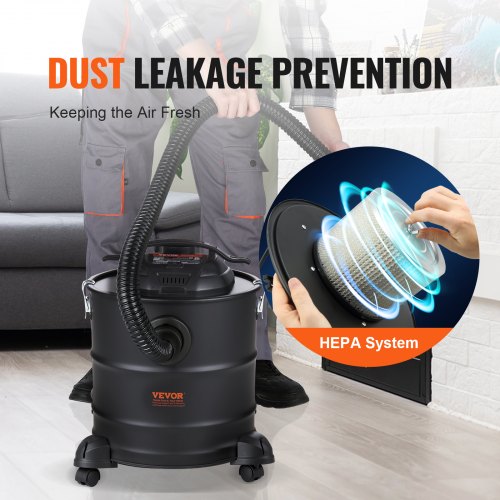
A vacuum with a fine particle filter, like a HEPA filter, is best. Regular household vacuums may clog or spread ash dust. Specialized ash vacuums are designed to handle fine ash safely and efficiently.
Can Vacuuming Fireplace Ashes Damage My Vacuum Cleaner?
Yes, regular vacuums can clog or overheat when used on ashes. Ash particles can damage filters and motors. Use a vacuum specifically designed for ash cleanup to avoid damage and maintain performance.
How Often Should You Vacuum Fireplace Ashes?
Vacuum ashes after every few fires or when ash depth reaches about one inch. Regular cleaning improves fireplace efficiency and reduces dust. Avoid letting ashes accumulate too much to maintain safety and cleanliness.
Conclusion
Vacuuming fireplace ashes can be done safely with the right vacuum. Use a vacuum made for ash or one with a special filter. Always wait until ashes are completely cool before cleaning. Avoid using a regular vacuum to prevent damage and fire risk.
Cleaning ashes regularly keeps your fireplace working well. It also helps keep your home clean and safe. Remember, safety first to enjoy your fireplace worry-free. Simple steps make ash cleanup easy and safe.