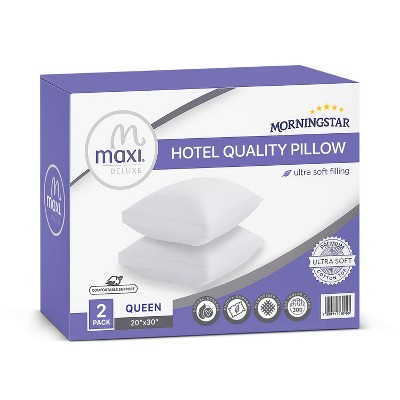
Are you tired of cluttered closets and bulky pillows taking up too much space? Imagine a world where your pillows are neatly stored, saving you precious room and keeping them fresh.
The secret? Vacuum packing! You might wonder, can you really vacuum pack pillows? The answer is yes, and it could revolutionize how you organize your home. We’ll explore the ins and outs of vacuum packing pillows, revealing how it can protect your pillows, optimize storage, and keep your living space tidy.
Ready to uncover a game-changing solution for your home? Let’s dive in!

Credit: www.amazon.com
Benefits Of Vacuum Packing Pillows
Vacuum packing pillows offers several practical benefits that can make managing your home or travel gear much easier. Compressing pillows reduces their size without damaging their shape or comfort, which can be a real game changer. Let’s look at how vacuum packing can save space, protect your pillows, and simplify transport.
Saving Storage Space
Vacuum packing pillows can dramatically cut down the amount of space they take up. This is especially useful if you have limited closet or drawer room.
By removing the air, pillows shrink to a fraction of their original size, letting you store more in less space. Imagine fitting extra pillows or other items in your linen closet without clutter.
Have you ever struggled to find room for bulky bedding? Vacuum packing could be your answer.
Protecting Pillows From Dust And Moisture
When sealed in a vacuum bag, pillows are shielded from dust, dirt, and allergens. This keeps them cleaner for longer periods, which is great if you don’t use them daily.
Vacuum packing also prevents moisture from getting in, reducing the risk of mold or mildew. This protection is especially important if you live in a humid climate or store pillows in a basement or attic.
Think about how often you wash your pillows—vacuum packing can help maintain freshness between washes.
Easier Transportation
Have you ever tried fitting bulky pillows into a suitcase? Vacuum packing makes this task much simpler.
By compressing pillows, you create extra room for other travel essentials. This is handy not only for vacations but also for moving homes or dorm living.
Vacuum sealed pillows are less likely to get damaged or dirty during transit, giving you peace of mind.
Types Of Pillows Suitable For Vacuum Packing
Not all pillows react the same way to vacuum packing. Knowing which types handle compression without damage can save you from ruining your favorite pillow. Let’s look at the kinds of pillows that respond well to vacuum sealing and how to handle each.
Memory Foam Pillows
Memory foam pillows are prime candidates for vacuum packing because they compress easily and regain their shape quickly. However, it’s important to allow them to fully expand after unpacking. I once vacuum-packed a memory foam pillow before a trip, and it popped back to its original form within hours—perfect for travel.
Keep in mind, excessive or repeated vacuum packing might reduce the foam’s lifespan. So, use this method sparingly if you want your pillow to last long.
Down And Feather Pillows
Down and feather pillows can be vacuum packed, but with caution. These pillows trap air between their feathers, so compressing them might flatten their fluffiness if left compressed too long. I found that vacuum packing down pillows for short-term storage works well, but if you pack them for months, they may need some fluffing up afterward.
If you decide to vacuum seal a feather pillow, give it plenty of time to breathe once unpacked. This helps regain loft and comfort.
Polyester And Synthetic Pillows
Polyester and synthetic pillows are generally good for vacuum packing because their fibers are resilient. They compress well and bounce back after unpacking. I use vacuum bags to store these pillows during seasonal changes, and they almost always return to their original shape.
Still, avoid leaving them compressed too long to prevent permanent creases. Regularly check the pillow’s condition if you store them this way.
Steps To Vacuum Pack Pillows
Vacuum packing pillows can save you a lot of space and protect them from dust and moisture. However, the process requires some preparation and the right tools to make sure your pillows stay fluffy and damage-free. Here’s how you can vacuum pack pillows effectively.
Preparing Pillows For Packing
Before vacuum packing, make sure your pillows are completely dry. Moisture trapped inside can cause mold or unpleasant odors.
Give your pillows a good shake to fluff them up and remove loose dirt or dust. You might want to spot-clean any stains beforehand to avoid setting them during compression.
Have you noticed how some pillows lose shape easily? Choosing firmer pillows can help maintain comfort even after vacuum sealing.
Selecting The Right Vacuum Bag
Not all vacuum bags are suitable for pillows. Look for bags labeled as extra-large or specifically designed for bulky items.
Reusable vacuum bags with sturdy seams and a one-way valve work best to prevent air from sneaking back in. Transparent bags also help you check the pillow’s condition without opening them.
Think about the size of your pillows and the storage space you have. Oversized bags can make packing easier but might be harder to store later.
Sealing And Compressing Pillows
Place the pillow carefully inside the vacuum bag, making sure it lies flat and evenly spread out.
Use the vacuum cleaner hose to remove air slowly. Rapid suction can damage delicate pillow fibers or cause uneven compression.
Once compressed, seal the bag tightly. Double-check the seal by pressing gently on the bag—if it inflates, you may need to reseal.
Have you ever opened a vacuum bag only to find your pillow misshapen? Taking time with this step can save you that frustration.

Credit: www.amazon.com
Precautions When Vacuum Packing Pillows
Vacuum packing pillows can save space and protect them during storage. Taking certain precautions helps keep pillows in good shape. These tips prevent damage and keep pillows fresh. Understand the limits of vacuum packing for best results.
Avoiding Damage To Pillow Structure
Not all pillows are made to be compressed. Memory foam and feather pillows can lose shape if packed tightly. Use gentle pressure when vacuuming to avoid crushing fibers. Check pillow tags for care instructions. Some pillows may not return to their original form after vacuum packing.
Preventing Mold And Odor
Moisture trapped inside vacuum bags causes mold and bad smells. Ensure pillows are completely dry before packing. Use airtight vacuum bags to keep air and moisture out. Store vacuum-packed pillows in a cool, dry place. Open bags occasionally to let pillows breathe if stored for weeks.
Limitations On Long-term Storage
Vacuum packing is best for short to medium storage periods. Extended compression can weaken pillow materials. Over time, pillows may lose fluffiness and support. Rotate pillows by fluffing them regularly after unpacking. Consider other storage options for long-term needs to keep pillows comfortable and durable.
Alternatives To Vacuum Packing For Space Saving
If vacuum packing pillows isn’t an option for you, there are several other ways to save space without compromising the fluffiness or shape of your pillows. These alternatives can help you organize your space efficiently while keeping your pillows fresh and accessible.
Compression Bags Without Vacuum
Compression bags don’t always need a vacuum to work. You can press the air out manually by rolling or pressing the bag flat. This method reduces pillow volume and keeps them protected from dust and moisture.
I’ve found that gently squeezing the air out and sealing the bag works well for short-term storage. It’s simple and doesn’t require any special equipment, making it perfect for quick trips or seasonal storage.
Storage Bins And Containers
Using storage bins or containers is a practical way to keep pillows organized and dust-free. Clear plastic bins let you see what’s inside without opening them, saving you time when searching for specific pillows.
Stackable bins maximize vertical space, especially in closets or under beds. Adding silica gel packets inside containers can help prevent moisture buildup, keeping pillows fresh longer.
Rolling And Folding Techniques
Rolling or folding pillows can save surprising amounts of space. Try rolling a pillow tightly from one end to the other, then secure it with a strap or elastic band.
For foldable pillows, folding them in half and tucking them into tight spaces like drawers or suitcase corners works well. Have you tried rolling your pillows instead of stuffing them into a bag? It might just change how you pack forever.

Credit: www.amazon.com
Tips For Maintaining Pillow Quality After Vacuum Packing
Vacuum packing pillows is a great way to save space and keep them fresh, but maintaining their quality afterward requires some care. Simply unpacking them isn’t enough to restore their original comfort and support. Paying attention to how you treat your pillows post-vacuum packing can make a big difference in how long they last and how well they perform.
Fluffing Pillows Post-unpacking
Right after you remove your pillows from the vacuum pack, give them a good fluff. This helps the filling regain its loft and shape. You can do this by grabbing opposite corners and shaking the pillow vigorously for a few seconds.
Another tip is to let the pillow air out for a few hours. Fresh air can help restore the pillow’s natural feel and remove any slight odors from packing. Have you noticed how a quick shake changes the pillow’s softness? That simple action revives its comfort instantly.
Proper Pillow Cleaning Before Storage
Before vacuum packing, make sure your pillows are clean and completely dry. Dirt, sweat, and moisture trapped inside can cause mold or unpleasant smells later. Check the care label for cleaning instructions—some pillows are machine washable while others need spot cleaning.
If you’re unsure, a gentle hand wash with mild detergent usually works well. After washing, lay the pillow flat to dry in a well-ventilated area. Never pack a damp pillow; moisture is the enemy of long-term storage quality.
Frequency Of Vacuum Packing Use
Vacuum packing is excellent for occasional use, like moving or seasonal storage. But if you compress your pillows too often, the filling can break down faster. Think about how squishing a sponge repeatedly causes it to lose its bounce—pillows behave similarly.
Try to limit vacuum packing to a few times a year at most. If you find yourself vacuum packing frequently, consider investing in pillows designed for compact storage or simply rotate pillows to reduce wear. What’s your current routine for storing pillows, and could adjusting it extend their life?
Frequently Asked Questions
Can You Vacuum Pack All Types Of Pillows?
Vacuum packing works best for synthetic and memory foam pillows. Feather or down pillows may get damaged or lose loft. Always check the pillow’s care label before vacuum packing to avoid damage and maintain its shape.
Does Vacuum Packing Pillows Save Storage Space?
Yes, vacuum packing significantly reduces pillow volume. It compresses air out, making pillows compact and easier to store. This method is ideal for seasonal storage or moving.
Will Vacuum Packing Damage Pillow Fluffiness?
Vacuum packing can temporarily flatten pillows. However, most pillows regain their fluffiness after unpacking and airing out. Avoid long-term compression to prevent permanent shape loss.
How Long Can Pillows Stay Vacuum Packed?
Pillows can stay vacuum packed for several months. Prolonged compression may affect pillow support and comfort. Regularly airing pillows after storage helps maintain freshness and shape.
Conclusion
Vacuum packing pillows saves space and protects them from dust. Some pillows compress well, but others may lose fluffiness. Always check the pillow type before vacuum packing. Proper sealing keeps pillows clean and fresh for storage. Use gentle vacuum pressure to avoid damage.
Remember, vacuum packing is great for travel and moving. Store pillows in a cool, dry place after packing. This method helps keep your home tidy and organized. Try vacuum packing to see if it fits your needs.