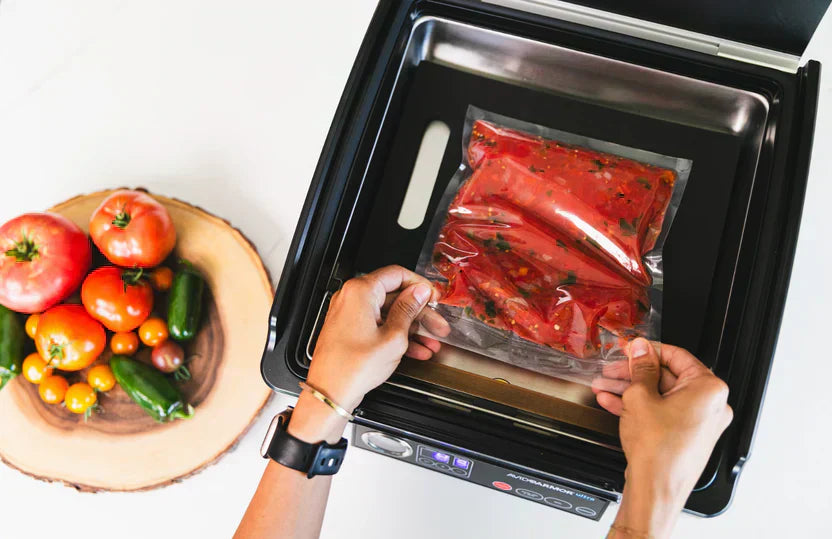
Have you ever found yourself tossing out wilted vegetables, wishing there was a way to keep them fresh for longer? You’re not alone.
The struggle to maintain the freshness of your veggies is all too real. But what if there was a simple method to extend their shelf life and reduce waste? Enter vacuum packing—a technique that’s often associated with preserving meats or leftovers.
But can you vacuum pack vegetables as well? The answer might surprise you. Dive into this article to discover how vacuum packing could revolutionize the way you store your veggies, keeping them crisp and vibrant for much longer. Don’t miss out on these essential tips that could transform your kitchen routine and save you both time and money!
Benefits Of Vacuum Packing Vegetables
Vacuum packing vegetables offers several important benefits that can change the way you store and enjoy your produce. By removing air and sealing vegetables tightly, this method helps maintain freshness and quality longer than traditional storage. Let’s look at how vacuum packing can extend shelf life, preserve nutrients, and help you reduce food waste.
Extending Shelf Life
Vacuum packing removes oxygen, which slows down the growth of bacteria and mold. This means your vegetables stay fresh for days or even weeks beyond their usual shelf life. Imagine buying fresh spinach and keeping it crisp for over two weeks—vacuum packing makes this possible.
Besides freshness, vacuum-packed vegetables don’t lose moisture quickly. This prevents wilting and keeps texture firm. How often have you thrown away veggies because they turned slimy or soft? Vacuum packing can help you avoid that.
Preserving Nutrients
Oxygen exposure causes vegetables to lose vitamins like C and A rapidly. Vacuum packing limits this exposure, helping retain these vital nutrients. This means the broccoli or carrots you store will stay packed with nutrients longer, contributing to a healthier diet.
Since vacuum-packed vegetables stay fresher, you can prepare meals with ingredients that have more flavor and nutritional value. Have you noticed how fresh veggies just taste better? That’s nutrient preservation at work.
Reducing Food Waste
Vacuum packing helps you buy or harvest vegetables in bulk without worrying about quick spoilage. This reduces the chances of throwing away food that goes bad too soon. You can portion your veggies and freeze them, using exactly what you need.
This method also encourages meal planning and smarter shopping habits. When your veggies last longer, you waste less money and reduce your environmental footprint. Could vacuum packing be your secret weapon against food waste?
Best Vegetables For Vacuum Packing
Vacuum packing can extend the freshness of many vegetables, but not all respond the same way to this storage method. Choosing the right vegetables to vacuum pack can save you time, reduce waste, and keep your meals vibrant longer. Let’s look at some of the best vegetables that thrive in vacuum-sealed bags and why they work so well.
Leafy Greens
Leafy greens like spinach, kale, and lettuce are excellent candidates for vacuum packing. Removing air slows down oxidation, which is the main cause of wilting and spoilage in these delicate leaves.
Before sealing, make sure the leaves are dry to avoid sogginess. Vacuum packing leafy greens can keep them fresh for up to two weeks, giving you more time to enjoy salads and smoothies without constant trips to the store.
Root Vegetables
Carrots, beets, and radishes hold up well under vacuum packaging because they are dense and low in moisture compared to leafy greens. This helps prevent the growth of bacteria and mold.
Slice or chop them before packing to save prep time later. Have you noticed how much longer your carrots stay crisp when vacuum sealed? It’s a game changer for meal prep and snacking.
Cruciferous Vegetables
Broccoli, cauliflower, and Brussels sprouts keep their texture and nutrients when vacuum packed. These vegetables tend to spoil quickly if left exposed to air, but sealing them tightly slows down spoilage.
Blanching before vacuum packing can enhance their shelf life even more. Have you tried vacuum packing these veggies after steaming? It preserves their flavor and makes reheating easy and mess-free.
Vegetables To Avoid Vacuum Packing
Vacuum packing vegetables can extend freshness and reduce waste. Yet, not all vegetables suit this method. Some may spoil faster or lose quality when vacuum sealed. Knowing which vegetables to skip helps prevent waste and keeps your food safe.
High Moisture Content
Vegetables with high water content do not vacuum pack well. Examples include cucumbers, lettuce, and celery. These vegetables release moisture inside the bag. Excess moisture encourages mold growth and spoilage. It also makes the texture soggy and unappealing.
Delicate Texture
Delicate vegetables like leafy greens and herbs can get crushed. Vacuum pressure can bruise or damage them easily. Spinach, basil, and arugula lose their shape and freshness quickly. Their texture becomes limp and less enjoyable to eat.
Fermentation Risk
Certain vegetables ferment fast when sealed without air. Examples are cabbage, onions, and garlic. Sealed bags create an anaerobic environment. This can cause unpleasant odors and taste changes. It may also produce harmful bacteria that spoil the food.

Credit: www.youtube.com
Prepping Vegetables For Vacuum Packing
Preparing your vegetables correctly is key to successful vacuum packing. The right prep helps preserve freshness, texture, and flavor for a longer time. Skipping these steps might lead to soggy, discolored, or poorly sealed packs that defeat the purpose of vacuum sealing.
Washing And Drying
Start with thoroughly washing your vegetables under cold running water. Dirt and bacteria on the surface can spoil your vacuum-packed veggies faster.
After washing, dry them completely using a clean towel or paper towels. Moisture inside the bag causes ice crystals during freezing and can reduce shelf life.
Think about how a wet salad wilts quickly—your vacuum packs need to avoid that moisture trap.
Blanching Techniques
Blanching is briefly boiling vegetables, then cooling them quickly in ice water. This step halts enzyme activity that causes spoilage and color loss.
Not all vegetables require blanching, but most do—like green beans, carrots, and broccoli. Blanching keeps them crisp and vibrant after freezing.
Be careful not to over-blanch. Timing matters: a minute or two is usually enough. Overcooking will make your veggies mushy once thawed.
Cutting And Portioning
Cut your vegetables into sizes that match how you plan to cook or eat them later. This saves time and reduces waste.
Portion the veggies into meal-sized amounts before vacuum sealing. It’s easier to thaw just what you need.
Consider the thickness and shape to ensure even freezing and sealing. Smaller pieces freeze faster and maintain texture better.
Vacuum Packing Techniques
Vacuum packing vegetables can significantly extend their freshness and reduce waste. To get the best results, mastering the right techniques is essential. These techniques help you maintain texture, color, and nutrients while preventing spoilage.
Choosing The Right Equipment
Not all vacuum sealers are created equal. For vegetables, a vacuum sealer with adjustable suction power is ideal because some vegetables are delicate and can get crushed. Look for machines that offer both dry and moist sealing options to handle different vegetable types.
Consider the size and thickness of the bags too. Thicker bags protect your veggies better and prevent punctures. If you plan to pack leafy greens, a chamber vacuum sealer might be worth the investment, as it handles moisture more efficiently without damaging the produce.
Sealing Tips
Before sealing, make sure vegetables are dry or properly blanched to avoid excess moisture inside the bag. Excess water can cause ice crystals and spoilage during freezing. Leaving a small gap between the produce and the seal allows air to be removed completely.
Seal the bag slowly if your machine allows it; a fast seal can cause suction loss or wrinkles that break the seal. Double sealing the edges can prevent leaks and give you extra confidence that your vegetables will stay fresh longer.
Storage Temperature
Vacuum packing helps keep vegetables fresh, but storage temperature matters just as much. Store vacuum-packed vegetables in the fridge for short-term use or freeze them for longer storage. Freezing slows down enzymatic reactions and microbial growth, but make sure your vacuum bags are freezer-safe.
Have you noticed vegetables turning soggy after vacuum packing? It could be from storing them too warm or thawing them incorrectly. Keep your freezer consistently at 0°F (-18°C) and thaw vacuum-packed vegetables in the refrigerator to maintain texture and flavor.

Credit: sustainablegardeningnews.com
Storing Vacuum Packed Vegetables
Storing vacuum packed vegetables properly is key to keeping them fresh and tasty. Vacuum sealing removes air, which slows down spoilage, but the way you store these packs still makes a big difference. Knowing the right storage methods can save you money and reduce food waste.
Refrigeration Guidelines
Once vegetables are vacuum packed, refrigeration is usually necessary to keep them fresh. Store them in the main compartment of your fridge, where the temperature stays consistent between 34°F and 40°F (1°C to 4°C). Avoid placing vacuum packed vegetables in the fridge door, as frequent temperature changes can reduce their shelf life.
Some vegetables, like leafy greens and mushrooms, are more delicate and should be used within a week even if vacuum packed. Others, such as carrots or bell peppers, may last up to two weeks under refrigeration. Always check for any signs of spoilage before use, like off smells or sliminess.
Freezing Tips
Freezing vacuum packed vegetables is a great way to extend their shelf life significantly. Before sealing, blanch vegetables like green beans or broccoli to preserve their color and nutrients. Blanching involves boiling them briefly and then cooling in ice water.
Label your packs with the date before freezing so you can keep track of how long they’ve been stored. To avoid freezer burn, make sure the vacuum seal is tight and the bag has no punctures. Frozen vacuum packed vegetables can often last 8 to 12 months without losing quality.
Shelf Life Expectations
Vacuum packing extends the freshness of vegetables, but shelf life varies by type and storage method. In the fridge, most vacuum packed vegetables stay good for 1 to 2 weeks. Frozen, they can last up to a year, but texture may change over time.
Ask yourself: how soon do you plan to use these vegetables? If it’s within a few days, refrigeration is enough. For longer storage, freezing is your best option. Keeping realistic expectations helps you avoid disappointment and waste.
Common Mistakes To Avoid
Vacuum packing vegetables can extend their freshness and reduce waste, but it’s easy to slip up if you’re not careful. Avoiding common mistakes can make a big difference in how well your vegetables keep. Let’s look at some pitfalls that often catch people off guard and how you can steer clear of them.
Packing Wet Vegetables
Never pack vegetables while they are wet. Moisture traps air pockets that prevent a proper seal and encourage mold growth. Always dry your veggies thoroughly with a clean towel or let them air dry before vacuum packing.
I once packed spinach straight from the washing bowl without drying it well. Within days, it spoiled, ruining the batch. A simple extra step of drying could have saved that effort.
Overfilling Bags
Stuffing too many vegetables into one bag may seem efficient, but it compromises the vacuum seal. Overfilled bags can tear or fail to seal correctly, letting air back in. Leave enough space at the top for the sealing strip to work effectively.
Think about how much air needs to be removed to preserve freshness—crowding the bag makes this impossible. Have you noticed your bags puff up after sealing? That’s a sign you might be overfilling.
Ignoring Food Safety
Vacuum packing is not a substitute for proper food safety practices. Always use fresh vegetables and clean equipment to prevent contamination. Also, remember to refrigerate or freeze vacuum-sealed veggies promptly to keep bacteria at bay.
Failing to follow these steps can lead to spoilage or even foodborne illness. Are you confident your vacuum-packed veggies are stored safely? Regularly check your stored bags for any signs of damage or spoilage.
Signs Of Spoilage In Vacuum Packed Vegetables
Vacuum packing helps extend the shelf life of vegetables by removing air. Despite this, spoilage can still occur. It is important to recognize signs of spoilage early. This keeps you safe and prevents food waste. Here are some clear signs to watch for in vacuum packed vegetables.
Color Changes
Fresh vegetables have vibrant, natural colors. Spoiled vegetables may show dullness or dark spots. Sometimes, colors turn yellow, brown, or gray. These changes signal decay or mold growth. Avoid eating vegetables with unusual colors.
Off Odors
Vacuum packed vegetables should smell fresh or mild. A sour, rotten, or musty odor means spoilage. These bad smells come from bacteria or fungi. Always trust your nose before cooking or eating.
Texture Alterations
Fresh vegetables feel firm and crisp. Spoiled ones may become slimy, soft, or mushy. The texture changes because of moisture loss or bacterial activity. If the texture feels off, discard the vegetables immediately.
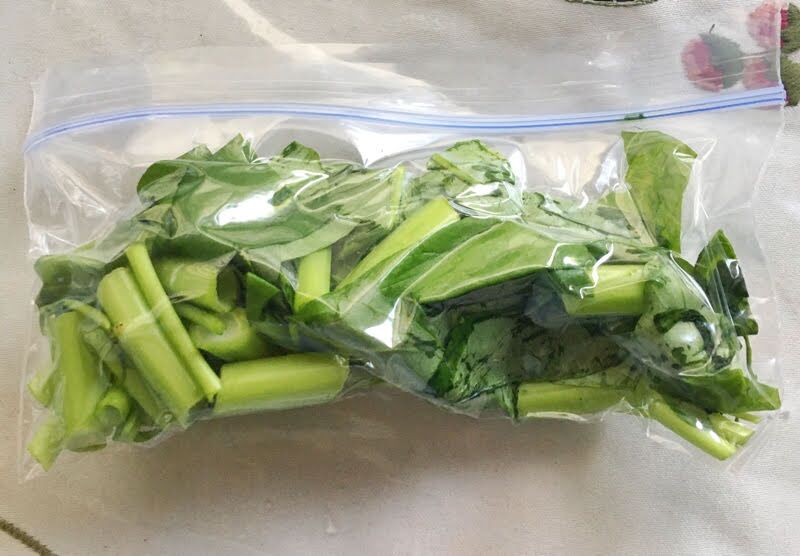
Credit: www.makergardener.com
Frequently Asked Questions
Can You Vacuum Pack Fresh Vegetables Safely?
Yes, you can vacuum pack fresh vegetables safely. Blanch them first to preserve texture and nutrients. This process helps prevent spoilage and extends shelf life effectively.
Which Vegetables Are Best For Vacuum Packing?
Leafy greens, carrots, and broccoli are ideal for vacuum packing. Hard vegetables retain quality well after vacuum sealing. Avoid soft or high-moisture vegetables without blanching.
How Long Do Vacuum-packed Vegetables Last?
Vacuum-packed vegetables last 1 to 2 weeks in the fridge. In the freezer, they can last up to 8 to 12 months. Proper blanching and sealing improve longevity significantly.
Does Vacuum Packing Affect Vegetable Taste Or Texture?
Vacuum packing preserves taste and texture when done correctly. Blanching before sealing helps maintain firmness and flavor. Without blanching, some vegetables may become mushy or lose flavor.
Conclusion
Vacuum packing vegetables helps keep them fresh longer. It removes air, which slows down spoilage. This method works best for firm vegetables like carrots and green beans. Soft vegetables may lose texture when packed this way. Always wash and dry vegetables before vacuum packing.
Store them in the fridge or freezer to keep quality. Vacuum packing saves space and reduces food waste. Try it to see how it fits your kitchen habits. Simple steps can make your vegetables last longer and taste better. Give vacuum packing a chance for fresher veggies.