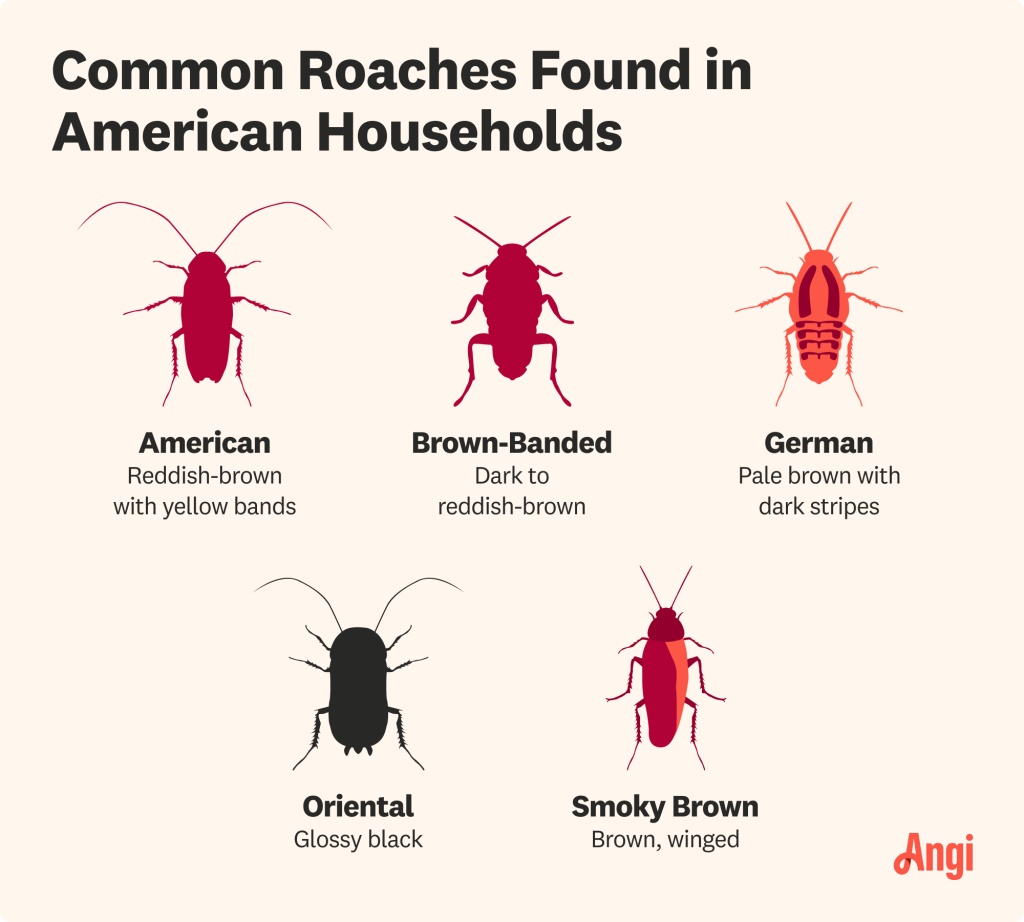
Imagine walking into your kitchen late at night, only to spot a roach scurrying across the floor. Your instinct might be to grab the vacuum cleaner, but is that really the best solution?
If you’ve ever wondered whether you can vacuum roaches, you’re not alone. This common household dilemma can leave you feeling frustrated and eager for an easy fix. We’ll dive into the pros and cons of using your trusty vacuum to tackle these pesky intruders.
You’ll discover surprising insights that could make all the difference in keeping your home roach-free. Stick around to find out if vacuuming roaches is a quick win or just a temporary band-aid. Your clean and comfortable home might depend on it!
Vacuuming Roaches: Does It Work?
Wondering if vacuuming roaches is a good way to get rid of them? It’s a common question, especially if you’ve spotted these pests scurrying around your home. Vacuuming can help reduce their numbers, but does it actually work as a reliable method to control an infestation?
How Vacuums Affect Roaches
Vacuuming physically removes roaches from surfaces, sucking them up before they can hide. This can be effective in catching adults and nymphs on floors, walls, and other accessible areas. Some vacuums even trap roaches in sealed bags or containers, preventing escape.
However, the suction alone doesn’t always kill them immediately. Roaches might survive inside the vacuum if it’s not designed to trap or kill pests. Using a vacuum with strong suction and a sealed bag can help, but it’s not a guaranteed extermination method.
Limitations Of Vacuuming
Vacuuming misses roaches hiding deep in cracks, behind appliances, or inside walls. These hiding spots are where roaches breed and multiply, so vacuuming alone can’t eliminate the problem. It’s also difficult to reach all areas where roaches roam.
Additionally, vacuuming doesn’t address the root cause of infestation like food sources or moisture. Without fixing these, roaches will keep coming back. You’ll also need to clean or dispose of the vacuum bag immediately to avoid spreading roaches elsewhere.
Have you tried vacuuming roaches before? What challenges did you face? This can help you decide if vacuuming should be part of your pest control plan or just a quick cleanup tool.
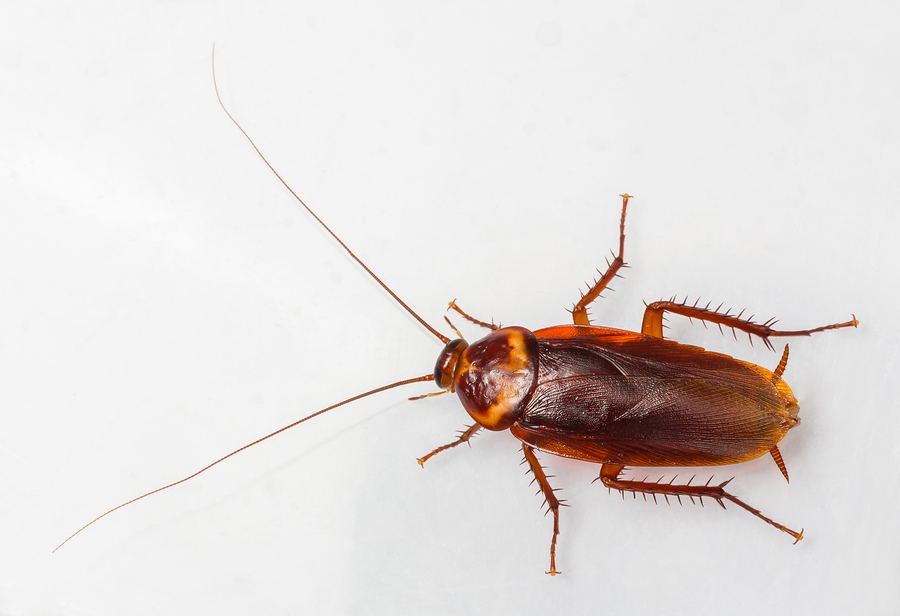
Credit: www.callnorthwest.com
Choosing The Right Vacuum Cleaner
Choosing the right vacuum cleaner is crucial if you want to effectively tackle roaches in your home. Not all vacuums are built to handle pests, and selecting the wrong one can make the problem worse. The right vacuum can capture roaches quickly and safely, preventing them from scattering or escaping.
Features To Look For
Look for a vacuum with strong suction power. Roaches can cling tightly to surfaces, so a weak vacuum won’t be effective.
Consider a vacuum with a sealed system to trap roaches inside and prevent them from escaping back into your home. This is especially important if you plan to empty the vacuum later.
Attachments like narrow crevice tools and brush nozzles help reach tight spots where roaches hide. You want flexibility to get into corners, under furniture, and along baseboards.
Some vacuums come with a HEPA filter, which can capture tiny roach debris and allergens. This keeps your indoor air cleaner after vacuuming.
Bagged Vs. Bagless Models
Bagged vacuums trap roaches inside a disposable bag, which you can remove and discard without touching the pests. This reduces your contact with the bugs and makes cleanup easier.
Bagless models collect debris in a transparent container. While you can see when it’s full, emptying the container can release roaches back into the air or onto surfaces if you’re not careful.
Think about how comfortable you are handling roaches during cleanup. If you want less hassle and more hygiene, a bagged model might be the safer choice.
Have you ever emptied a vacuum and found the pests still alive? That experience might push you toward a vacuum that seals off the contents completely.
Preparing For Vacuuming
Preparing for vacuuming roaches is key for success and safety. It helps you target the problem areas and avoid spreading germs. Proper preparation makes the process faster and more effective. Let’s explore how to get ready before you start vacuuming roaches.
Safety Precautions
Wear gloves to protect your hands from germs. Use a mask to avoid breathing in dust or allergens. Make sure the vacuum has a sealed bag or container for easy disposal. Avoid touching roaches directly. Keep children and pets away during vacuuming. Clean the vacuum thoroughly after use to prevent contamination.
Identifying Roach Hotspots
Look for dark, moist places like under sinks or behind appliances. Check cracks and crevices where roaches hide. Notice small droppings or egg cases. Focus on kitchens, bathrooms, and basements. Use a flashlight to see hidden corners. Mark these spots to vacuum them thoroughly later.
Effective Vacuuming Techniques
Effective vacuuming techniques play a key role in controlling roach infestations. Using the right approach helps remove roaches quickly and reduces their chances of returning. A good vacuum can reach hard spots where roaches hide. Proper use of your vacuum increases its efficiency and keeps your home cleaner.
Target Areas To Focus On
Roaches hide in dark, warm, and moist places. Focus your vacuum on these spots:
- Under sinks and cabinets
- Behind appliances like refrigerators and stoves
- Along baseboards and corners of rooms
- Inside cracks and crevices in walls or floors
- Near trash bins and food storage areas
Pay special attention to places where roach droppings or egg cases appear. Vacuuming these areas removes live roaches, eggs, and debris that attract pests.
Frequency And Timing
Vacuum often to keep roach numbers low. Daily vacuuming in problem areas works best. Roaches are more active at night. Vacuum during late evening or early morning for better results.
Regular vacuuming breaks the roach life cycle. It stops eggs from hatching and reduces adults. Combine vacuuming with other cleaning steps to improve pest control.
Disposing Of Roaches After Vacuuming
After vacuuming roaches, what you do next is crucial to ensure they don’t come back or create new problems. Simply sucking them up isn’t enough. You need to properly dispose of them to stop any chance of re-infestation and keep your home hygienic.
Preventing Re-infestation
Once roaches are inside your vacuum, they can still escape if you’re not careful. Think about this: if even a few survive, they can find their way back to your living space. Sealing the vacuum bag or emptying the canister directly into a tightly sealed trash bag prevents them from crawling out.
Take it a step further by disposing of the trash outside your home immediately. Leaving it inside gives roaches time to spread around again. You might also consider using a vacuum with a HEPA filter to trap smaller debris and roach eggs, lowering the chances of missed pests.
Cleaning Your Vacuum
Your vacuum can become a breeding ground if not cleaned regularly after roach removal. After emptying the contents, wipe down the inside with a disinfectant or a mix of water and vinegar. Don’t forget to clean the brush roll and hose where roaches or eggs might hide.
Some vacuums let you detach parts for easier cleaning. If yours does, use that feature to reach every corner. Dry the vacuum thoroughly before the next use to avoid mold or mildew, which can attract other pests.

Credit: cockroachfacts.com
Combining Vacuuming With Other Methods
Vacuuming roaches can quickly reduce their numbers, but it rarely solves the problem on its own. Combining vacuuming with other methods increases your chances of getting rid of these pests for good. It’s about attacking the issue from different angles—mechanical removal, chemical control, and prevention all play crucial roles.
Chemical Treatments
Using chemical treatments alongside vacuuming helps target roaches hiding in cracks and crevices where your vacuum can’t reach. Gel baits and insecticide sprays can kill roaches that escape the vacuum’s reach. Always follow the product instructions carefully to keep your family and pets safe.
Have you noticed some roaches seem to avoid sprays? That’s why combining vacuuming with targeted chemical use is smart—you physically remove many roaches first, then chemical treatments handle the survivors.
Natural Remedies
If you prefer avoiding chemicals, natural remedies can support your vacuuming efforts. Diatomaceous earth sprinkled along baseboards and dark corners dries out roaches’ exoskeletons, leading to their demise. Boric acid is another option; it’s toxic to roaches but low risk for humans and pets when used properly.
You might also try essential oils like peppermint or eucalyptus. These won’t kill roaches but can repel them, making your vacuuming sessions more effective by driving roaches into the open.
Preventive Measures
Vacuuming and treatments work best when paired with prevention. Roaches thrive where food, water, and shelter are easy to find. Eliminate crumbs, fix leaks, and seal entry points to cut off their resources.
Ask yourself: Are there hidden spots in your home where moisture builds up or food crumbs collect? Tackling these areas stops roaches from coming back and reduces how often you’ll need to vacuum them up.
Signs Of Persistent Infestations
Noticing roaches in your home can be unsettling, but spotting a few doesn’t always mean you have a full-blown infestation. Persistent infestations show clear signs that the problem is deeper than just a random visit. Recognizing these signs early can save you time, money, and stress.
Look out for roach droppings, which look like tiny black specks scattered near food, cabinets, or dark corners. You might also spot egg cases or shed skins, indicating roaches are breeding nearby. A strong, musty odor that doesn’t go away, especially in hidden areas, often signals a serious infestation.
If you keep seeing roaches during the day, it usually means they’re desperate for food and water—this is a red flag for a large population hiding nearby. Also, notice if your usual cleaning efforts don’t reduce their numbers. This persistence suggests they are well-established and harder to remove.
When To Call Professionals
You might wonder if you can handle the problem yourself, but persistent infestations often require expert help. Professionals know how to identify hiding spots that are easy to miss, like behind walls or inside appliances. They use treatments that are safer and more effective than store-bought sprays.
If your DIY efforts don’t shrink the roach population after a couple of weeks, it’s time to get professional advice. Think about the costs of ongoing damage and health risks—sometimes paying for help early saves you more in the long run. Don’t wait until the problem feels overwhelming; early intervention works best.
Long-term Control Strategies
Getting rid of roaches isn’t just about killing the ones you see today. You need to remove what attracts them and block their entry points. Simple steps like sealing cracks, fixing leaks, and keeping food sealed make a big difference.
Regular cleaning routines help too, but don’t forget about areas behind and under furniture where roaches love to hide. Using bait stations strategically can provide ongoing control without harsh chemicals all over your home. Have you checked all the usual hiding spots lately?
Finally, keep monitoring after treatment. Roaches are survivors—they’ll come back if you let them. Staying vigilant and combining professional treatment with smart home care is the best way to keep your space roach-free for good.

Credit: cockroachfacts.com
Frequently Asked Questions
Can You Vacuum Roaches Effectively?
Yes, vacuuming can remove roaches quickly. However, it only eliminates visible roaches, not eggs or hidden pests. Use a vacuum with strong suction and dispose of the bag immediately to prevent re-infestation.
Does Vacuuming Kill Roaches Instantly?
Vacuuming usually injures or traps roaches but may not kill them instantly. Some roaches can survive vacuuming, so combine it with other pest control methods for better results.
Is Vacuuming Safe For Roach Control?
Vacuuming is a safe, chemical-free way to reduce roach numbers. It minimizes pesticide use but should be part of a broader pest management plan for full effectiveness.
How Often Should You Vacuum To Control Roaches?
Vacuum frequently, ideally daily, in roach-prone areas. Regular vacuuming disrupts their habitat and reduces food sources, helping to keep infestations under control.
Conclusion
Vacuuming roaches can help reduce their numbers quickly. It removes visible bugs but does not solve the problem. Roaches hide in cracks and lay eggs unseen. Use vacuuming as part of a bigger plan. Clean regularly and seal entry points tightly.
Use traps or call pest control if needed. Staying consistent keeps your home roach-free longer. Don’t rely on vacuuming alone to win this fight. Small steps add up to big results over time.