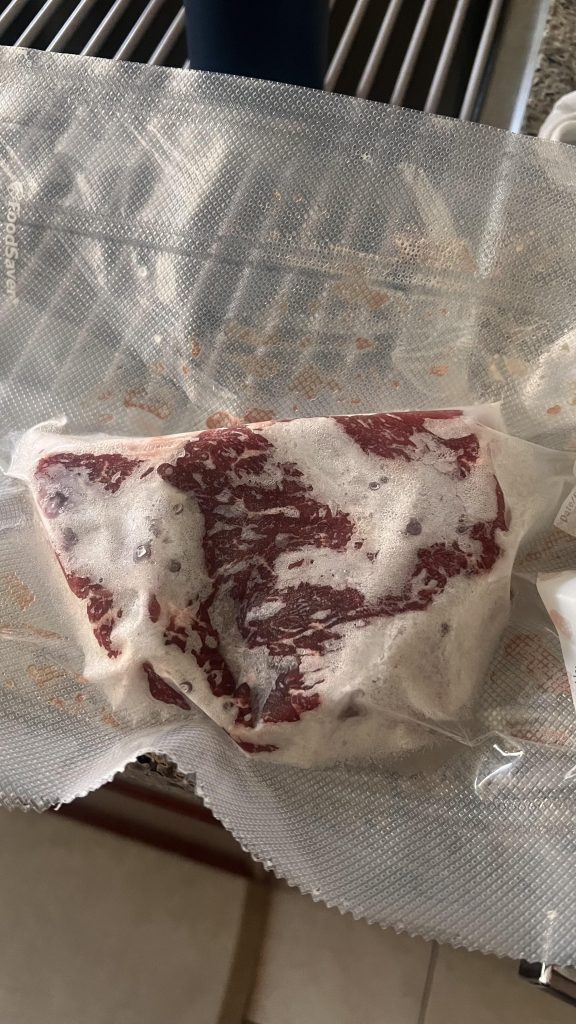
Do you ever find yourself wondering about the best way to preserve your frozen food? If you’re tired of tossing out freezer-burnt meals and watching your hard-earned money go to waste, you’re not alone.
Many people struggle to keep their frozen goods fresh and flavorful. But what if there was a simple solution right at your fingertips? Vacuum sealing might just be the game-changer you’ve been searching for. Imagine opening your freezer to find perfectly preserved, delicious meals every time.
No more icy crystals or tasteless bites. By vacuum sealing your frozen food, you could extend its shelf life and keep it tasting as good as the day you bought it. But how exactly does it work, and is it really worth the effort? We’ll explore the ins and outs of vacuum sealing frozen food, giving you all the tips and insights you need to make the best decision for your kitchen. Get ready to revolutionize the way you store your meals and say goodbye to freezer burn for good.
Benefits Of Vacuum Sealing Frozen Food
Vacuum sealing frozen food offers more than just neat packaging. It transforms how you store and enjoy your meals. By removing air and sealing in freshness, you can make your frozen food last longer and taste better.
Extending Shelf Life
Vacuum sealing removes air, which slows down the growth of bacteria and mold. This means your frozen food can last weeks or even months beyond the usual freezer times. You won’t have to worry about tossing out food that went bad too quickly.
Think about that extra bag of berries you forgot about last winter. With vacuum sealing, those berries could have stayed fresh and ready for smoothies much longer.
Preventing Freezer Burn
Freezer burn happens when air reaches the surface of your food, causing dry spots and off flavors. Vacuum sealing eliminates this problem by creating an airtight barrier. Your meats, vegetables, and baked goods stay moist and flavorful.
Have you ever found a steak in your freezer that looked like it had frostbite? Vacuum sealing could save you from that disappointment.
Maintaining Nutrient Quality
Freezing preserves most nutrients, but exposure to air can degrade vitamins and minerals over time. Vacuum sealing locks in the nutrients by minimizing oxidation. This means your frozen food keeps its health benefits longer.
Imagine enjoying a frozen spinach smoothie that tastes just as fresh and nutritious as if you’d picked the leaves yesterday. That’s the power of vacuum sealing.

Credit: www.everydayhealth.com
Choosing The Right Vacuum Sealer
Choosing the right vacuum sealer ensures your frozen food stays fresh longer. A good sealer removes air and prevents freezer burn. It also saves space and keeps flavors intact.
Not all vacuum sealers work the same. Knowing the types and features helps pick the best one for your needs. Budget matters too. There are options for every price range.
Types Of Vacuum Sealers
- External Sealers:Simple and affordable. You place the open bag edge in the machine to seal.
- Chamber Sealers:More advanced. The whole bag goes inside the machine. Best for liquids and large quantities.
- Handheld Sealers:Small and portable. Good for quick sealing but less powerful.
Features To Consider
- Seal Strength:Strong seals stop air better and last longer.
- Vacuum Power:Higher power removes more air for better preservation.
- Bag Compatibility:Check if the sealer works with different bag types and sizes.
- Moisture Settings:Useful for sealing wet or frozen foods without damage.
- Ease of Use:Simple controls and clear instructions save time and frustration.
Budget-friendly Options
- Look for basic external sealers for low cost and reliable performance.
- Brands like FoodSaver offer good value models under $100.
- Handheld sealers suit light use and small budgets.
- Wait for sales or discounts to get better machines at lower prices.
Preparing Frozen Food For Vacuum Sealing
Preparing frozen food for vacuum sealing requires some care. Proper preparation helps keep the food fresh longer. It also prevents damage during the sealing process. Follow simple steps to get the best results with frozen items.
Proper Portioning
Divide the frozen food into small, usable portions. Avoid vacuum sealing large blocks of food. Smaller portions freeze and thaw more evenly. It also reduces waste by only thawing what you need. Use freezer-safe containers or bags for portioning before sealing.
Pre-freezing Techniques
Place the food on a tray or plate before sealing. Freeze it solid for a few hours first. This step helps keep food shape and texture. It stops soft or moist food from being crushed during vacuuming. Pre-freezing also prevents liquids from being sucked out.
Avoiding Moisture Issues
Moisture can cause poor seals and freezer burn. Pat frozen food dry with paper towels before sealing. Use absorbent pads for extra wet items like fish or meat. Leave a small gap at the bag opening to prevent liquid from entering the vacuum machine. Proper drying ensures a tight, long-lasting vacuum seal.
Step-by-step Vacuum Sealing Process
Vacuum sealing frozen food is a great way to keep it fresh longer. The process removes air and seals the food in an airtight bag. This stops freezer burn and preserves flavor. Follow these steps to vacuum seal frozen items safely and effectively.
Setting Up The Sealer
Place the vacuum sealer on a flat surface. Plug it into a power outlet. Open the lid and prepare the sealing area. Make sure the sealing strip is clean and dry. Select the appropriate vacuum setting for frozen food. Have vacuum bags ready and cut to size if needed.
Sealing Frozen Items Safely
Place the frozen food in a vacuum bag. Leave enough space at the top of the bag for sealing. Avoid overfilling the bag to ensure a tight seal. Position the open end of the bag inside the vacuum sealer. Close the lid securely. Start the vacuum process and wait until the air is removed. The machine will seal the bag automatically. Check the seal for any gaps or wrinkles. If the seal is not tight, repeat the sealing process.
Troubleshooting Common Problems
- Seal not sticking:Clean the sealing strip and bag edge. Try a new bag if needed.
- Machine won’t vacuum:Check if the bag is placed correctly. Make sure the lid is closed tightly.
- Air left inside:Avoid wet or crumbly food near the seal area. Freeze liquid foods before sealing.
- Bag melts:Use bags made for vacuum sealing. Avoid using regular plastic bags.
Storing Vacuum-sealed Frozen Food
Storing vacuum-sealed frozen food properly can extend its freshness and help you avoid waste. With a few smart habits, you can make your freezer more efficient and keep your food tasting just as good as the day you sealed it. Let’s look at some easy ways to stay organized and know exactly how long your food will last.
Labeling And Dating Packages
Always label your vacuum-sealed packages with the contents and the date you sealed them. This simple step saves you from guessing what’s inside or how long it’s been in the freezer.
Use waterproof markers or printed labels that won’t fade or peel off in cold temperatures. If you often seal similar items, add details like portion size or cooking instructions for quick reference.
Organizing The Freezer
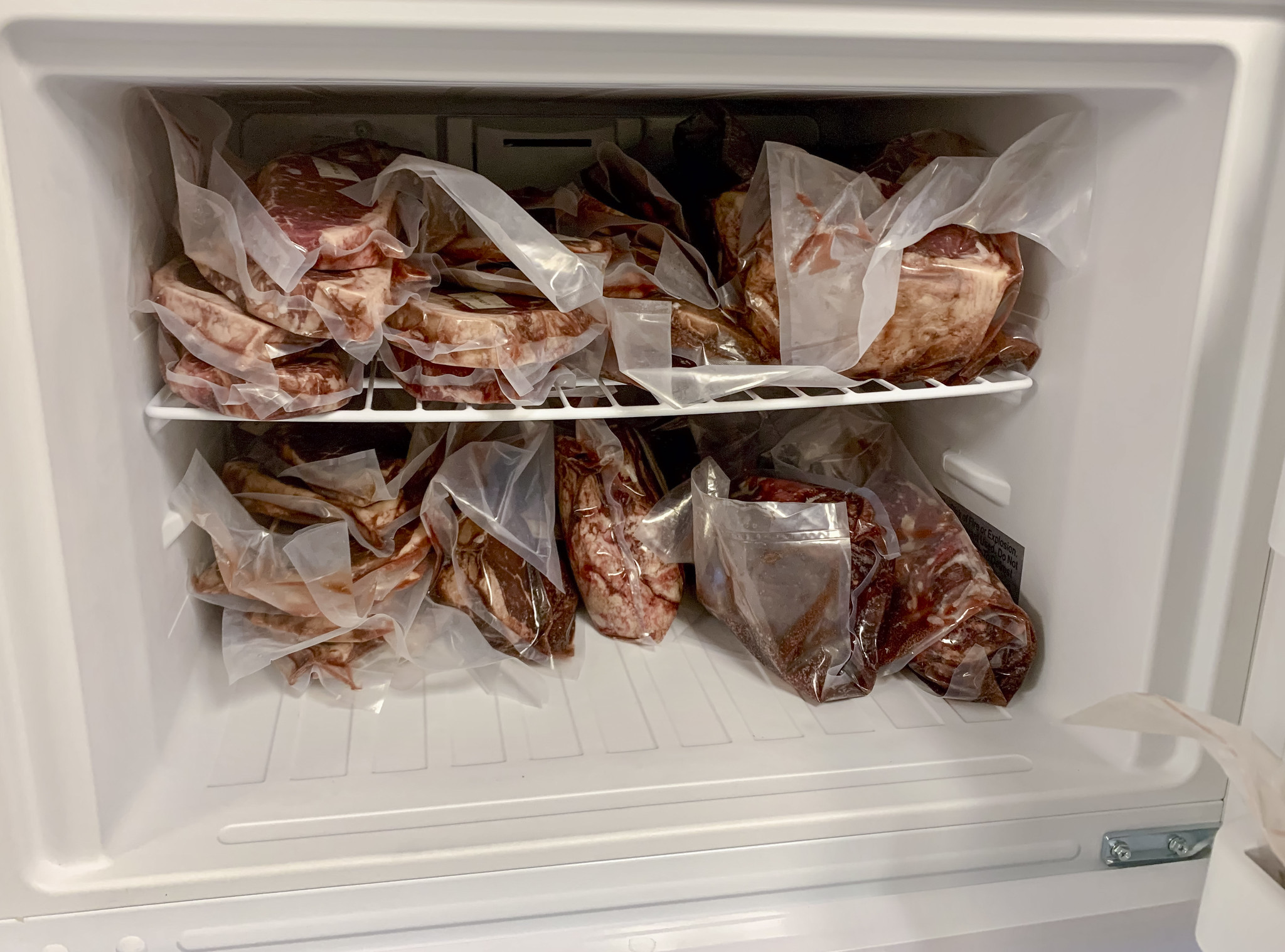
Keep your vacuum-sealed bags in a neat, accessible spot. Group similar items together, like vegetables in one bin and meats in another.
Stack packages flat to save space and allow cold air to circulate better. You’ll find it easier to grab what you need without digging through piles of frozen food.
Recommended Storage Times
Vacuum sealing extends storage life, but it doesn’t make food last forever. For best quality, aim to use vacuum-sealed frozen meats within 1-3 years, vegetables within 2-3 years, and fruits within 1-2 years.
Think about how often you realistically use certain foods. Is it worth freezing a large batch of something you rarely eat? Planning your storage time helps you keep your freezer stocked and your meals fresh.

Credit: www.reddit.com
Thawing Vacuum-sealed Frozen Food
Thawing vacuum-sealed frozen food properly is key to maintaining its quality and safety. Since vacuum sealing removes air, your food stays fresher longer, but the thawing process still needs care. How you thaw can affect texture, flavor, and safety, so understanding the best methods helps you get the most from your frozen meals.
Safe Thawing Methods
Thaw vacuum-sealed food slowly in the refrigerator for the safest results. This keeps the temperature steady and prevents the growth of harmful bacteria. Depending on the size and thickness, this can take anywhere from a few hours to a full day.
If you’re in a hurry, submerge the sealed bag in cold water, changing the water every 30 minutes. This method thaws food faster but still keeps it at a safe temperature. Avoid thawing at room temperature since it encourages bacteria growth.
Avoiding Bacterial Growth
Bacteria thrive in the “danger zone” between 40°F and 140°F (4°C–60°C). Keeping your food out of this temperature range is crucial. Thawing in the fridge or cold water keeps the food cold enough to prevent bacteria from multiplying.
Never refreeze thawed food unless you cook it first. Each thawing cycle increases the risk of contamination and loss of quality. If you notice any odd smell or texture after thawing, it’s safer to discard the food.
Using Thawed Food Efficiently
Plan your meals around thawed food to avoid waste. Vacuum-sealed portions are easy to divide, so only thaw what you need. Once thawed, cook or use the food within 1 to 2 days for best taste and safety.
Leftover cooked food can be vacuum sealed again for shorter-term storage, but keep track of total storage time. Have you ever wasted food because you forgot about it in the fridge? Thawing smarter helps you eat smarter.
Common Mistakes To Avoid
Vacuum sealing frozen food extends freshness and prevents freezer burn. Avoiding common mistakes ensures the best results. Small errors can cause spoilage or seal failure. Learn key mistakes to skip for safe, long-lasting storage.
Sealing Warm Or Wet Food
Sealing food that is warm or wet can cause problems. Moisture inside the bag may freeze and block the vacuum seal. Warm food creates steam, which affects seal quality. Always cool and dry food completely before sealing.
Overfilling Bags
Overfilling bags makes sealing difficult and less effective. Leave enough space at the top for sealing. Too much food can prevent air removal and cause leaks. Proper portioning helps a tight, secure seal every time.
Ignoring Seal Integrity
Check the seal for gaps or weak spots after sealing. A poor seal lets air enter, causing freezer burn and spoilage. Press gently along the seal to test strength. Reseal if you find any defects to keep food fresh longer.
Vacuum Sealing Tips For Different Food Types
Vacuum sealing frozen food keeps it fresh longer and prevents freezer burn. Different food types need different sealing methods to protect taste and texture. Knowing the right tips helps maintain quality and extend shelf life.
Meats And Seafood
Freeze meat and seafood before sealing to avoid crushing. Use freezer-safe vacuum bags for best results. Remove as much air as possible to stop ice crystals from forming. Wrap delicate fish in parchment paper before sealing. Label packages with dates to track freshness.
Fruits And Vegetables
Blanch vegetables before freezing to keep color and nutrients. Dry fruits and veggies well to prevent ice buildup. Freeze berries on a tray first, then vacuum seal for easy portioning. Avoid sealing soft fruits without freezing first to keep shape.
Prepared Meals And Leftovers
Cool cooked meals completely before vacuum sealing to prevent bacteria growth. Portion meals into single servings for quick reheating. Use moisture-absorbing sheets for soups or stews to avoid liquid in bags. Seal tightly to keep flavors fresh and prevent spills.
Credit: hpj.com
Frequently Asked Questions
Can You Vacuum Seal Food Directly From The Freezer?
Yes, you can vacuum seal frozen food directly. Use a vacuum sealer with a pulse function to avoid crushing. This method helps preserve freshness and prevent freezer burn efficiently.
Does Vacuum Sealing Frozen Food Extend Shelf Life?
Vacuum sealing frozen food significantly extends shelf life. It prevents air exposure and freezer burn. This keeps food fresh and flavorful for months longer than traditional freezing.
Is It Safe To Vacuum Seal Frozen Raw Meat?
Vacuum sealing frozen raw meat is safe if done properly. Ensure the meat is frozen solid before sealing. This prevents bacteria growth and maintains quality during storage.
Can Vacuum Sealing Prevent Freezer Burn On Frozen Food?
Vacuum sealing effectively prevents freezer burn by removing air. Without air, ice crystals don’t form on the food. This keeps texture and flavor intact for longer periods.
Conclusion
Vacuum sealing frozen food helps keep it fresh longer. It reduces freezer burn and saves space. Always seal food properly for best results. Avoid sealing warm or wet items to prevent problems. Using this method can cut down on food waste.
It makes meal prep faster and easier. Try vacuum sealing to keep your frozen food safe and tasty. Simple, smart, and effective.