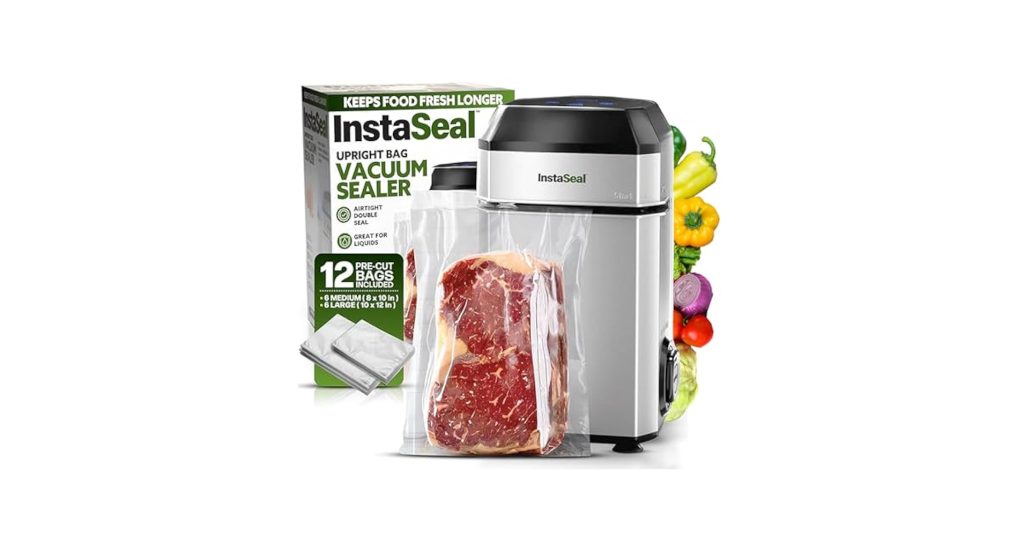
Have you ever wondered if you can vacuum seal liquids without making a mess? If you’ve tried before, you know it’s not as simple as sealing dry foods.
But what if there was a way to keep your soups, sauces, or juices fresh without spills or freezer burn? You’ll discover smart tips and tricks that make vacuum sealing liquids easy and effective. Keep reading to learn how you can save time, reduce waste, and keep your liquids fresh longer.
Vacuum Sealing Basics
Vacuum sealing has become a popular method for preserving food and extending its shelf life. Understanding the basics helps you decide if it’s the right technique for your kitchen needs. Let’s break down how vacuum sealers work and the types available so you can choose the best one for your liquids and other foods.
How Vacuum Sealers Work
A vacuum sealer removes air from a bag or container before sealing it tightly. This process slows down the growth of bacteria and mold by limiting oxygen exposure. Without air, your food stays fresher for longer, retaining flavor and nutrients.
When dealing with liquids, the challenge is to prevent the liquid from being sucked into the machine. Some vacuum sealers have special settings to handle this, pausing the suction to avoid spills. Have you ever wondered how those settings actually protect your sealer from damage?
Types Of Vacuum Sealers
- External Vacuum Sealers:These are the most common and affordable. You place the open end of the bag into the machine, which then sucks out the air and seals the bag.
- Chamber Vacuum Sealers:These machines remove air from the entire chamber, including the bag. They handle liquids better because the pressure inside the chamber equalizes, preventing liquid from being drawn out.
- Handheld Vacuum Sealers:Portable and easy to use, these are great for small jobs but usually less effective with liquids.
Choosing the right type depends on how often you plan to vacuum seal and whether you’ll be sealing liquids regularly. Think about your typical kitchen tasks—do you freeze soups or marinate meats? Your choice can make a big difference in convenience and results.

Credit: www.vestaprecision.com
Challenges With Liquids
Vacuum sealing liquids presents unique challenges that can make the process tricky for many home cooks and food preservers. Unlike solid foods, liquids behave differently under pressure, which can lead to unexpected issues. Understanding these challenges can help you avoid common pitfalls and get better results with your vacuum sealer.
Why Liquids Are Tricky
Liquids tend to get sucked into the vacuum sealer’s pump during the sealing process. This can damage the machine or cause the seal to fail. The movement of liquid inside the bag also makes it harder to create a tight, air-free seal.
Another issue is that liquids expand and contract with temperature changes. This can cause leaks or bursts in the bag after sealing, especially if you plan to freeze the liquid. Have you ever noticed your sealed soup bags leaking after being stored in the freezer?
Common Problems Encountered
- Machine Damage:Liquid entering the vacuum sealer’s pump can lead to costly repairs or complete breakdown.
- Failed Seals:Moisture can prevent the bag from sealing properly, leaving air pockets and reducing shelf life.
- Bag Bursting:Frozen liquids expand, which can cause bags to burst if they aren’t sealed correctly or given enough room.
- Messy Cleanup:Spilled liquids inside the machine can create a sticky mess that’s hard to clean.
How do you handle liquids when vacuum sealing? Many find that pre-freezing liquids in ice cube trays or containers before sealing can reduce these problems. This small extra step can save you time and frustration in the long run.
Preparing Liquids For Sealing
Sealing liquids can be tricky because they tend to spill or get sucked into the vacuum sealer, damaging your machine or ruining the seal. Preparing liquids properly before vacuum sealing helps you avoid these problems and keep your kitchen mess-free. Let’s look at practical ways you can get your liquids ready for sealing.
Freezing Liquids First
Freezing liquids before sealing is a simple and effective trick. When your liquid is frozen solid, it won’t spill or get sucked into the vacuum sealer. This also helps create a better seal since the bag stays rigid during the process.
I once tried sealing homemade tomato sauce without freezing it first. The sauce got pulled out and clogged the machine, causing frustration and extra cleanup. After that, I always freeze liquids in ice cube trays or shallow containers before vacuum sealing.
Try freezing your liquids until they’re solid but not rock hard. This usually takes a few hours depending on volume and temperature. You can then place the frozen block into your vacuum bag for a smooth sealing experience.
Using Containers Or Bags
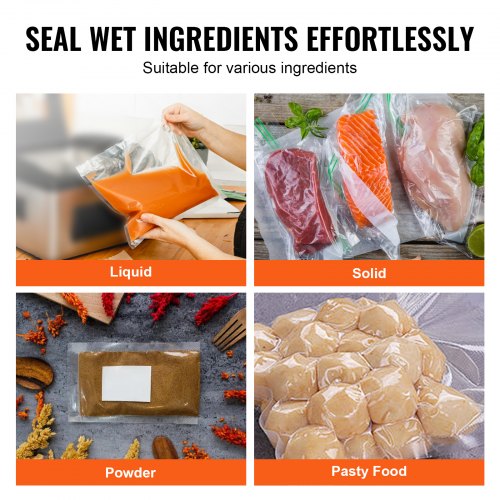
If freezing isn’t an option, using the right containers or bags can save you trouble. Rigid containers designed for vacuum sealing can hold liquids securely without risk of spills. Look for containers with airtight lids made for vacuum sealers.
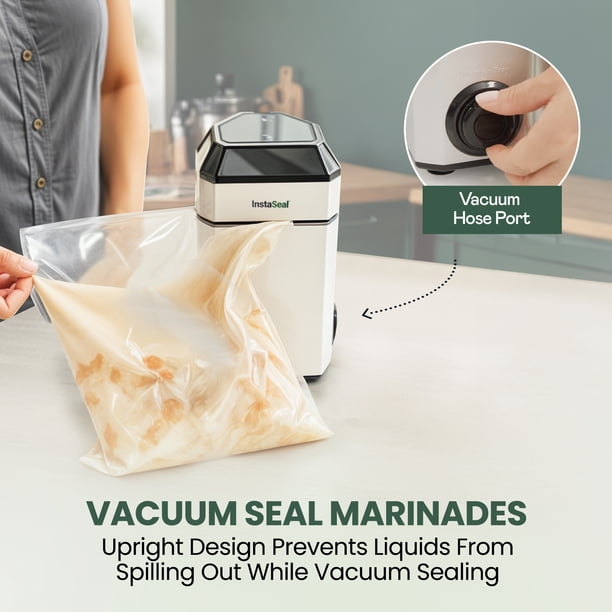
Alternatively, use heavy-duty vacuum bags and seal the liquid slowly. You can stop the vacuum process before full suction to prevent the liquid from being drawn out. Some sealers have a “moist” or “gentle” setting that helps here.
To avoid mess, place the bag in a shallow bowl or tray while sealing. This catches any drips if the seal isn’t perfect the first time. Have you ever tried sealing soup or broth? How did you manage the mess?
Credit: www.vevor.com
Techniques For Sealing Liquids
Sealing liquids with a vacuum sealer requires special care. Liquids can leak or get sucked into the machine, causing damage or poor seals. Different techniques help manage liquids during vacuum sealing. These methods keep the liquid contained and ensure a strong, airtight seal.
Double Sealing Method
This technique uses two seals for extra protection. First, leave some space between the liquid and the sealing area. Seal the bag once carefully. Then, seal the bag a second time just above the first seal.
The double seal prevents leaks and strengthens the bag’s closure. It works well for soups, sauces, and marinades. Make sure the bag is dry around the seal before sealing to avoid weak spots.
Using Chamber Vacuum Sealers
Chamber vacuum sealers handle liquids better than external vacuum sealers. The entire bag goes inside the machine. The pressure inside the chamber reduces liquid movement during sealing.
This method avoids sucking liquids into the vacuum pump. It also allows sealing of larger liquid amounts. Chamber sealers create a secure, tight seal without spills.
Best Liquids To Vacuum Seal
Vacuum sealing liquids can save space and extend freshness. Some liquids seal better than others. Choosing the right types helps avoid leaks and messes. Here are the best liquids to vacuum seal for easy storage and use.
Soups And Broths
Soups and broths are ideal for vacuum sealing. They freeze well and keep flavors fresh. Use a vacuum sealer with a pulse feature. This prevents liquid from being sucked into the machine.
Cool the soup or broth before sealing. Pour it into vacuum bags, leaving space for expansion. Vacuum seal gently to avoid spills. Frozen soups stay fresh longer and reheat easily.
Sauces And Marinades
Sauces and marinades seal well and keep taste intact. Thick sauces like tomato or barbecue work best. Thin marinades may require freezing first to avoid leaks.
Use vacuum sealing to marinate meat faster. The vacuum draws flavors deep into the food. Store sealed sauces in the fridge or freezer. This method reduces waste and saves time.
Storage Tips After Sealing
Proper storage after vacuum sealing liquids keeps them fresh and safe. Sealed liquids need careful handling to avoid leaks and spoilage. The right environment extends shelf life and preserves quality. Follow these tips for best results.
Freezer Storage
Freezing sealed liquids slows down bacteria growth and preserves flavor. Use thick, freezer-safe vacuum bags to prevent punctures. Leave some space at the top of the bag for liquid expansion. Label each bag with the date to track freshness. Store flat to save space and allow quick thawing. Avoid refreezing thawed liquids to maintain quality.
Refrigeration Guidelines
Keep vacuum-sealed liquids in the coldest part of the fridge. Store them away from the door to avoid temperature changes. Use sealed liquids within 3 to 5 days for best taste and safety. Check the seal before storing to prevent leaks. Always place bags upright or flat to avoid spills.
Safety Considerations
Vacuum sealing liquids can be tricky, and safety should always be your top priority. Liquids behave differently under pressure, and improper handling can lead to contamination or spoilage. Understanding key safety considerations helps you protect your food and your health.
Avoiding Contamination
When vacuum sealing liquids, bacteria can easily grow if you’re not careful. Always start with clean containers and utensils to prevent introducing germs. Avoid overfilling bags—leave enough space to prevent the liquid from spilling into the vacuum machine.
Sealing hot liquids can create steam that interferes with the vacuum process and encourages bacteria growth. Cool your liquids before sealing to reduce this risk. Also, consider freezing liquids first; this keeps them solid during sealing and reduces contamination chances.
Proper Thawing Techniques
How you thaw vacuum-sealed liquids matters just as much as sealing them. Never thaw liquids at room temperature—that invites bacteria to multiply quickly. Instead, thaw liquids in the fridge or under cold running water.
If you thaw liquids in the microwave, do it in short intervals and stir often to prevent hot spots where bacteria can thrive. Remember, refreezing liquids after thawing can harm texture and taste, so plan your portions carefully before sealing.
Credit: business.walmart.com
Alternatives To Vacuum Sealing Liquids
Vacuum sealing liquids can be tricky because liquids can get sucked into the machine. This can damage your vacuum sealer or cause leaks. Luckily, there are simple alternatives to keep liquids fresh and safe. These methods help preserve liquids without the risk of spills or mess.
Using Ice Cube Trays
Pour the liquid into ice cube trays and freeze it. Once frozen, transfer the cubes into a freezer bag or airtight container. This method prevents spills and lets you use small portions easily. It works great for broths, sauces, and juice.
Ice cube trays keep liquids solid and separate. This stops liquids from moving around and causing leaks. You save space in the freezer and avoid wasting food.
Airtight Containers
Choose containers made from glass or plastic with tight-fitting lids. Fill the container but leave some space for expansion if freezing. These containers protect liquids from air and moisture.
Airtight containers are easy to stack and store. They prevent spills and keep liquids fresh longer. They work well for soups, stews, and marinades.
Frequently Asked Questions
Can You Vacuum Seal Liquids Safely?
Yes, you can vacuum seal liquids safely with proper techniques. Use a chamber vacuum sealer or freeze the liquid first. This prevents it from being drawn into the vacuum sealer. Freezing creates a solid state, making it easier to seal without spills.
Proper sealing extends the liquid’s shelf life.
What Is The Best Method To Vacuum Seal Liquids?
The best method is using a chamber vacuum sealer. This machine handles liquids efficiently by equalizing pressure. Alternatively, freeze the liquid before using a regular vacuum sealer. This prevents spills and ensures a tight seal. Both methods preserve liquids longer by reducing exposure to air.
Can Vacuum Sealing Affect Liquid Quality?
Vacuum sealing can maintain liquid quality by preventing oxidation and contamination. It removes air, slowing down spoilage and preserving flavor. Sealing also protects the liquid from external elements. However, improper sealing or storage can affect quality. Always use the right technique to ensure optimal preservation.
Are There Any Liquids You Shouldn’t Vacuum Seal?
Avoid vacuum sealing carbonated or hot liquids. Carbonated drinks can lose fizz and cause bag expansion. Hot liquids can create steam, leading to improper sealing. Always cool hot liquids to room temperature before sealing. For carbonated beverages, consider other preservation methods to maintain their effervescence.
Conclusion
Vacuum sealing liquids can be tricky but not impossible. You must use special bags or containers made for liquids. Freezing liquids before sealing helps prevent spills. This method keeps liquids fresh and saves space. Remember, not all vacuum sealers work well with liquids.
Always follow the instructions for best results. Vacuum sealing liquids can save time and reduce waste. Try it carefully and see how it fits your needs. Simple steps can make a big difference in food storage.