
Have you ever found yourself tossing out bags of shredded cheese that have gone stale or moldy? You’re not alone.
With its short shelf life, shredded cheese often ends up in the trash before you can use it all. But what if there was a way to keep your cheese fresh for longer? Enter vacuum sealing—a method that promises to extend the life of your favorite dairy topping.
But can you really vacuum seal shredded cheese? And if so, how effective is it? Stick around, because you’re about to discover how a simple technique could revolutionize the way you store cheese and save you money at the same time. Your love for that cheesy goodness doesn’t have to end in waste. Let’s dive into the possibilities and see how vacuum sealing could be the game-changer you’ve been searching for.

Credit: www.yahoo.com
Benefits Of Vacuum Sealing Cheese
Vacuum sealing shredded cheese offers many benefits that help keep it fresh and tasty. This method removes air, which slows down spoilage and protects the cheese. It also locks in the cheese’s original flavor and texture, making it more enjoyable to use later. Proper sealing reduces waste and saves money by extending how long the cheese lasts.
Extended Shelf Life
Vacuum sealing shredded cheese greatly increases its shelf life. Without air, bacteria and mold grow much slower. This means the cheese stays good for weeks or even months longer. You can store cheese in the fridge or freezer with less risk of spoilage. It reduces the need to throw away spoiled cheese, saving money and food.
Preserving Flavor And Texture
Air exposure causes shredded cheese to dry out and lose flavor. Vacuum sealing stops air from reaching the cheese, keeping it moist and soft. The cheese keeps its fresh taste and smooth texture. This is especially important for shredded cheese, which can clump or harden easily. Vacuum sealing keeps cheese ready to use without losing quality.
Choosing The Right Cheese For Vacuum Sealing
Choosing the right shredded cheese for vacuum sealing can make a big difference in how well it stores and how fresh it tastes when you open it again. Not all cheeses handle the vacuum sealing process the same way. Some keep their texture and flavor better, while others might lose quality or even spoil faster.
Best Types Of Shredded Cheese
Certain cheeses tend to work better with vacuum sealing because of their moisture content and firmness. Harder cheeses like Parmesan and Asiago hold up well since they have less moisture. They stay flavorful and don’t clump together as much after being sealed.
Semi-hard cheeses such as Cheddar, Gouda, and Monterey Jack also seal well. Their texture remains consistent, and they keep their taste longer when vacuum sealed. These cheeses are versatile and great for cooking or snacking straight from storage.
If you like mozzarella, choose low-moisture shredded mozzarella. It seals better than fresh mozzarella, which can be too wet and spoil quickly.
Cheese To Avoid
Soft, high-moisture cheeses like ricotta, cream cheese, or fresh mozzarella don’t vacuum seal well. Their water content can cause the package to leak or create an environment where bacteria grow faster. This often leads to a shorter shelf life.
Pre-shredded cheeses with anti-caking agents might also not vacuum seal properly. These additives can prevent the cheese from sticking together but might trap air pockets, reducing the effectiveness of the seal.
Have you ever vacuum sealed a soft cheese and noticed it turned mushy or slimy? That’s a sign you picked a cheese that doesn’t suit this storage method. Choosing the right shredded cheese helps avoid this problem and keeps your cheese tasting fresh longer.
Step-by-step Vacuum Sealing Process
Vacuum sealing shredded cheese helps keep it fresh and prevents freezer burn. The process is simple and saves space in your fridge or freezer. Follow these clear steps for the best results.
Preparing Shredded Cheese
Start with fresh shredded cheese. Avoid clumps by loosening the cheese with your fingers. Dry the cheese if it feels damp to prevent ice crystals. Portion the amount you plan to use in one go. This avoids opening the bag multiple times.
Selecting Vacuum Seal Bags
Choose bags made for vacuum sealing. They should be thick and durable to avoid tears. Consider bags with textured surfaces for better air removal. Use the right size bag to fit your cheese without wasting space. Avoid overfilling the bag.
Sealing Techniques
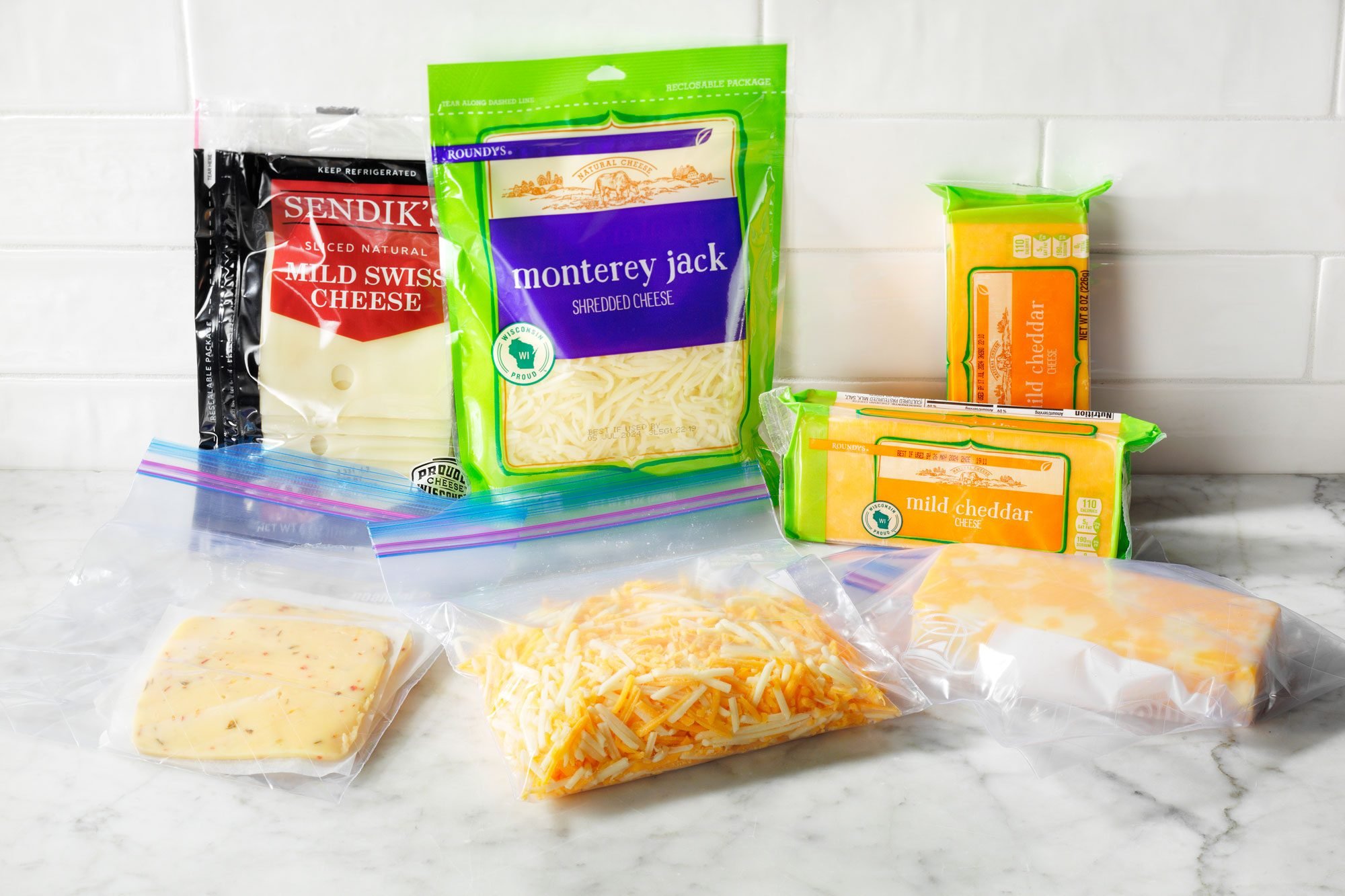
Place shredded cheese inside the bag evenly. Leave some space at the top for sealing. Use a vacuum sealer to remove air completely. Double-check the seal for any gaps or leaks. Store the sealed bags in the fridge or freezer immediately.
Credit: www.tasteofhome.com
Storage Tips After Vacuum Sealing
After vacuum sealing shredded cheese, proper storage is key to maintaining its freshness and flavor. How you store it can extend its shelf life and prevent spoilage or freezer burn. Let’s dive into smart ways to keep your cheese tasting great.
Refrigeration Guidelines
Once vacuum sealed, store shredded cheese in the coldest part of your fridge, usually the back or bottom shelf. This helps keep it at a consistent temperature, slowing down bacterial growth.
Avoid placing the sealed cheese near the fridge door where temperatures fluctuate often. Keep an eye on the vacuum seal—if it breaks or looks loose, use the cheese quickly or reseal it if possible.
Shredded cheese usually lasts 1 to 2 weeks refrigerated after vacuum sealing. If you notice any off smell or discoloration, it’s best to discard it. Have you checked your fridge for hidden spots where cheese might spoil faster?
Freezing Methods
Freezing vacuum sealed shredded cheese can double or triple its shelf life. Make sure to remove as much air as possible before sealing to avoid freezer burn.
Label the package with the date so you know how long it’s been frozen. Cheese can last up to 6 months in the freezer without losing much quality.
When ready to use, thaw the cheese slowly in the fridge rather than at room temperature. This keeps the texture intact and prevents moisture buildup. Have you tried freezing cheese for recipes like casseroles or pizza? It holds up surprisingly well.
Signs Of Spoiled Vacuum Sealed Cheese
Vacuum sealing shredded cheese can extend its shelf life, but it does not stop spoilage entirely. Recognizing signs of spoiled vacuum sealed cheese is important for safety and taste. Spoiled cheese can cause foodborne illness and ruin your meals.
Visual Indicators
Check the cheese inside the vacuum bag carefully. Look for any unusual changes in color. White or light yellow cheese may turn green, blue, or pink. These colors show mold growth. Also, watch for any slimy or wet patches on the cheese. The vacuum bag may puff up if gas forms inside. This puffiness means bacteria are active and producing gas. Avoid cheese with these visual signs.
Smell And Texture Changes
Open the bag and smell the cheese. Fresh shredded cheese has a mild, dairy scent. A sour, rancid, or ammonia-like smell means spoilage. Touch the cheese to feel its texture. Good cheese is firm or slightly soft but not sticky or slimy. If it feels sticky or mushy, it is spoiled. Trust your senses to decide if the cheese is safe to eat.

Credit: backcountryfoodie.com
Common Mistakes To Avoid
Vacuum sealing shredded cheese can keep it fresh longer, but it’s easy to make mistakes that spoil your efforts. Avoiding common pitfalls will save you time and prevent wasted food. Let’s look at two key errors to watch out for when vacuum sealing shredded cheese.
Overfilling Bags
Filling the vacuum seal bag too full is a frequent mistake. When the bag is packed tightly, the vacuum machine can struggle to remove all the air. This leaves pockets of air that lead to freezer burn and faster spoilage.
Try to leave enough space—about 2 to 3 inches—from the top of the bag to the cheese. This gap helps the machine create a strong seal and fully evacuate air. You’ll get a tighter package and longer-lasting cheese.
Sealing Moist Cheese
Sealing shredded cheese that’s wet or damp can cause problems. Excess moisture inside the bag promotes mold growth and can damage the vacuum sealer’s seal. Before sealing, pat the cheese dry with paper towels to reduce moisture.
If the cheese is too moist, consider freezing it on a tray first. Once firm, transfer it to the bag and vacuum seal. This simple step prevents moisture from interfering with the seal and keeps your cheese fresh and tasty.
Frequently Asked Questions
Can You Vacuum Seal Shredded Cheese Safely?
Yes, you can vacuum seal shredded cheese safely. It helps preserve freshness and prevents freezer burn. Ensure the cheese is dry before sealing to avoid clumping. Vacuum sealing extends shelf life and maintains flavor effectively.
How Long Does Vacuum Sealed Shredded Cheese Last?
Vacuum sealed shredded cheese lasts 1 to 2 months in the fridge. In the freezer, it can last up to 6 months. Proper sealing prevents moisture and air exposure, keeping the cheese fresh longer.
Does Vacuum Sealing Affect Shredded Cheese Texture?
Vacuum sealing may slightly change shredded cheese texture. It can compress the cheese, making it denser. However, the taste remains unaffected. Let cheese sit at room temperature before use to restore texture.
Can Vacuum Sealed Shredded Cheese Be Frozen?
Yes, vacuum sealed shredded cheese freezes well. Freezing preserves quality and extends shelf life. Thaw it in the fridge to avoid condensation. Vacuum sealing prevents freezer burn and keeps cheese fresh during freezing.
Conclusion
Vacuum sealing shredded cheese keeps it fresh longer and prevents freezer burn. It works best when the cheese is dry and cold before sealing. Avoid crushing the cheese by using gentle pressure. Store vacuum-sealed cheese in the fridge or freezer for longer life.
This simple step saves money and reduces waste. Try vacuum sealing to enjoy your shredded cheese anytime.