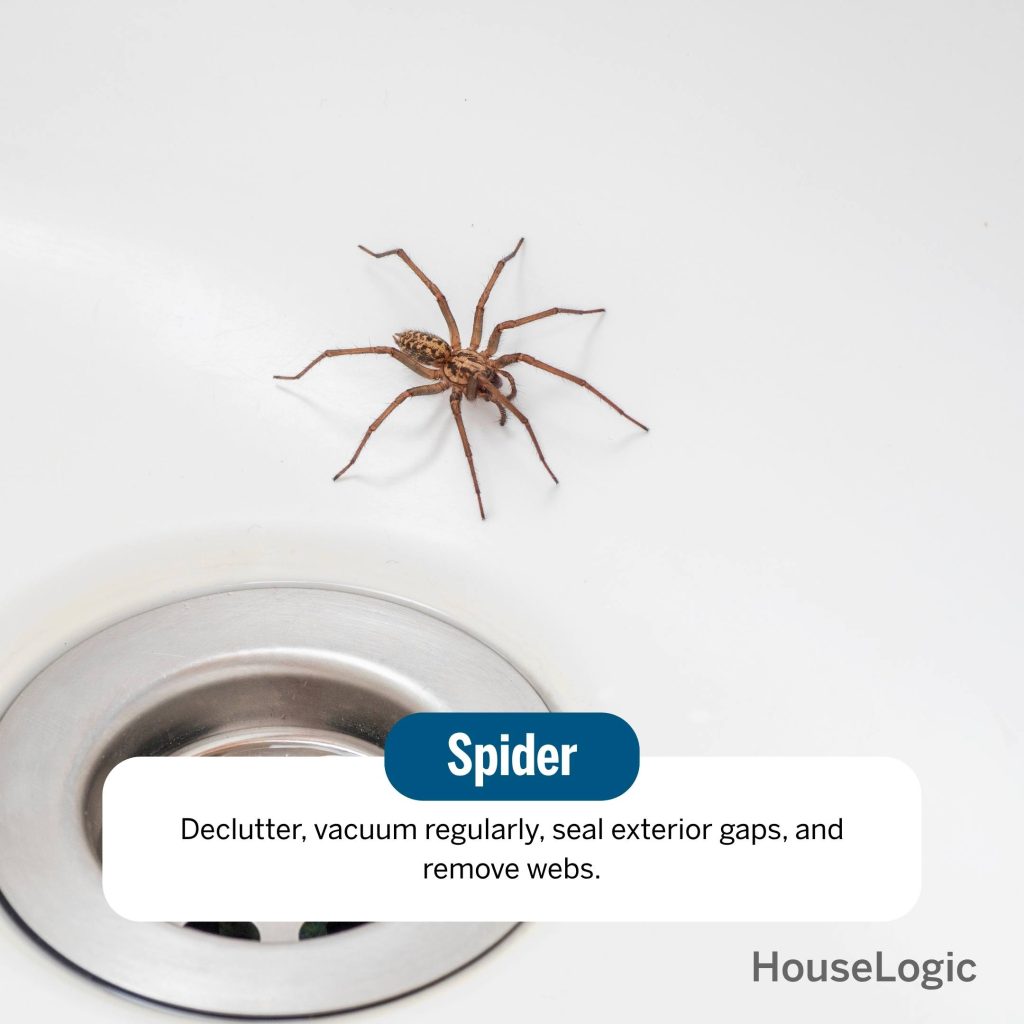
Have you ever found yourself face-to-face with a spider scurrying across your floor? It’s a common scenario that can make anyone feel uneasy.
You might wonder if your trusty vacuum cleaner is the answer to your arachnid problem. The idea of quickly sucking up a spider with a vacuum can be tempting, but is it really effective? And more importantly, is it humane?
Before you reach for that vacuum hose, let’s explore whether vacuuming spiders is the right approach for you. This article will guide you through the pros and cons, ensuring you make an informed decision that aligns with your comfort and ethics. Keep reading to discover the surprising truths that could change how you deal with these eight-legged visitors in your home.
Vacuuming Spiders: Is It Safe?
Vacuuming spiders is a common question for many homeowners. The main concern is whether this method is safe for both the spider and the person vacuuming. This section explores the safety of vacuuming spiders and offers practical advice to handle them effectively.
Pros And Cons Of Vacuuming
- Pros:Quick and easy way to remove spiders from your home.
- Reduces contact with spiders, which some people prefer.
- Can reach spiders in hard-to-access areas like corners and ceilings.
- Cons:Vacuuming may injure or kill the spider.
- Some vacuums may not trap spiders securely, allowing escape.
- Risk of spreading spider webs and eggs inside the vacuum.
Types Of Vacuums To Use
Choosing the right vacuum can improve safety and effectiveness. Here are some options:
- Handheld vacuums:Easy to maneuver and good for small areas.
- Vacuum cleaners with strong suction:Ensure spiders do not escape.
- Vacuums with sealed bags or containers:Prevent spiders from spreading or escaping.
- Vacuum with long hose attachments:Reach spiders without getting too close.
Credit: www.millerthekiller.com
Preparing Your Vacuum For Spiders
Before you start vacuuming spiders, it’s important to get your vacuum ready. This helps you capture the spiders effectively without damaging your vacuum or letting them escape. A little preparation can make a big difference in how well the task goes.
Choosing The Right Attachment
Picking the right vacuum attachment is key to catching spiders safely. A hose attachment with a narrow nozzle works best because it gives you control and reaches tight corners where spiders hide.
Try to avoid using a wide brush attachment since it might push the spider away instead of sucking it in. Using a crevice tool or a small, flexible hose attachment helps you vacuum spiders without scattering them.
Cleaning And Sealing The Vacuum
After choosing the right attachment, make sure your vacuum is clean and sealed well. Empty the dustbin or replace the bag before you start. This prevents spiders from escaping into old debris or hiding inside the vacuum.
Check the vacuum’s seals and filters to ensure there are no gaps where spiders could sneak out. You want a tight seal so the spider stays trapped inside. If your vacuum has a HEPA filter, it can also help trap small particles and allergens, making the cleanup easier.
Step-by-step Spider Removal With A Vacuum
Using a vacuum cleaner to remove spiders can be quick and effective. It reduces the need to touch spiders directly. This method also helps keep your space clean without making a mess. Follow these clear steps for safe and efficient spider removal.
Locating Spiders Safely
Look for spiders in corners, behind furniture, and near windows. Use a flashlight to spot them in dark areas. Move slowly to avoid startling the spider. Wear gloves for extra protection. Keep your distance to stay calm and safe.
Vacuuming Techniques To Avoid Harm
- Use a vacuum with a hose attachment for precision.
- Turn the vacuum on before approaching the spider.
- Aim the hose gently at the spider’s body.
- Do not press too hard to avoid harming the vacuum.
- Work slowly to ensure the spider is fully inside the nozzle.
Disposing Of Spiders After Vacuuming
Empty the vacuum bag or canister outdoors immediately. Seal the contents in a plastic bag to prevent spiders from escaping. Throw the sealed bag in an outdoor trash bin. Clean the vacuum parts to avoid any leftover spider residue. This keeps your home spider-free and clean.

Credit: www.joe.ie
Alternative Methods To Remove Spiders
Vacuuming spiders is a quick fix, but it’s not the only way to handle these eight-legged visitors. Sometimes, you want a gentler, more eco-friendly approach that keeps spiders out without harming them. Alternative methods can give you control over your space while respecting the spiders’ role in nature.
Using Natural Repellents
Natural repellents offer a safe way to keep spiders away from your home. Essential oils like peppermint, eucalyptus, and tea tree can be mixed with water and sprayed around windows, doorways, and corners. The strong scent confuses spiders, making your space less inviting.
You might be surprised how effective this is. I once mixed peppermint oil with water in a spray bottle and noticed fewer spiders after just a few days. It’s a simple, inexpensive trick that doesn’t involve chemicals or traps.
Trapping And Releasing Spiders
If you prefer not to harm spiders, trapping and releasing is a humane choice. Use a glass or jar to carefully cover the spider, then slide a piece of paper underneath to trap it inside. Take it outside and release it far from your home.
This method requires patience but lets you control the situation without stress. Have you ever tried gently relocating a spider? It can change how you view these creatures—less as pests and more as neighbors.
Preventing Spiders From Entering
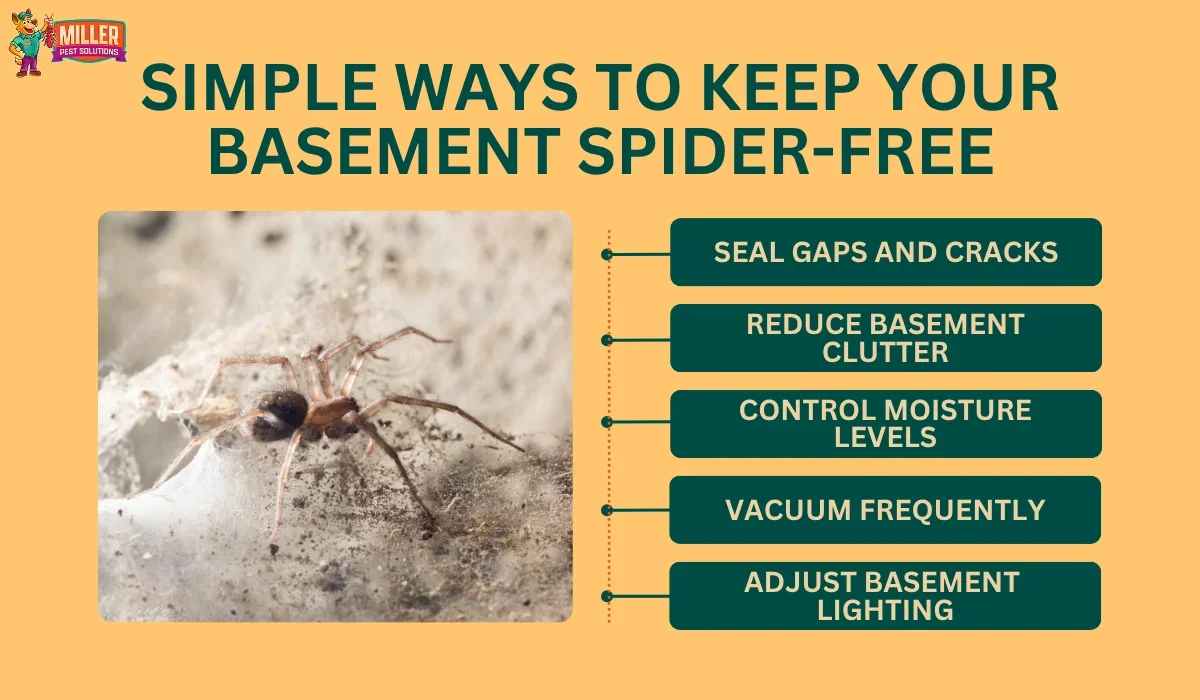
Prevention is often the best defense. Sealing cracks around doors, windows, and foundation limits entry points. Keep your home clutter-free, especially in basements and attics, to reduce hiding spots.
Regularly sweeping away webs and vacuuming corners can also discourage spiders from settling in. Have you checked your window screens lately? Even small holes can invite spiders inside. Taking these steps helps you keep your home spider-free without constant chasing or cleaning.
Handling Spider Safety And Allergies
Handling spiders safely is important to avoid bites and allergic reactions. Spiders can cause fear, but taking simple steps protects you well. Knowing how to prepare helps reduce risks when vacuuming or removing spiders.
Protective Gear To Wear
Wearing the right gear lowers the chance of spider bites. Use gloves made of thick material to protect your hands. Long sleeves and pants create a barrier between your skin and spiders. Closed shoes keep your feet safe from unexpected contact.
Consider wearing a mask if you have allergies. Some spider hairs or dust can irritate your lungs. Safety glasses protect your eyes from sudden spider movements or debris.
Dealing With Spider Bites
Spider bites can cause pain, redness, and swelling. Clean the bite area gently with soap and water. Apply a cold pack to reduce swelling and ease discomfort. Avoid scratching to prevent infection.
Watch for signs of allergic reaction like difficulty breathing or severe swelling. Seek medical help immediately if symptoms worsen. Keep a record of the spider’s appearance to inform healthcare providers.

Credit: www.sonictechnologyproducts.com
Maintaining A Spider-free Home
Keeping your home free of spiders can feel like a constant battle, especially if you live in an area where these critters are common. Instead of waiting for spiders to appear, taking proactive steps can make a big difference. Maintaining a spider-free home involves more than just occasional cleaning; it’s about creating an environment that discourages their presence.
Regular Cleaning Tips
Spiders love dark, undisturbed places where they can build webs. Regular cleaning disrupts their hiding spots and removes webs before they get established.
- Vacuum corners, under furniture, and behind appliances frequently to suck up any spiders or egg sacs.
- Wipe down surfaces to remove any small insects that spiders feed on, reducing their food source.
- Declutter rooms and storage areas to eliminate perfect spider hiding spots.
Have you noticed how quickly spiders return after a deep clean? Keeping up with small, daily cleaning tasks can stop them from settling in again.
Sealing Entry Points
Spiders often enter homes through tiny cracks and gaps. Sealing these entry points prevents them from sneaking inside.
- Check windows, doors, and screens for holes or gaps and repair them promptly.
- Use weatherstripping around doors and windows to close off spaces spiders can crawl through.
- Inspect areas where pipes or cables enter your home and seal any openings with caulk or foam.
Think about your last encounter with a spider indoors—could it have slipped in through an unnoticed crack? Sealing your home tightly creates a barrier that spiders can’t cross.
Frequently Asked Questions
Can You Vacuum Spiders Safely From Your Home?
Yes, you can vacuum spiders safely. Use a vacuum with strong suction and a hose attachment. Empty the vacuum bag or canister immediately to prevent spiders from escaping.
Will Vacuuming Spiders Kill Them Instantly?
Vacuuming usually injures or kills spiders due to strong suction. However, some spiders may survive if trapped in the vacuum. Emptying the vacuum quickly reduces their chance of survival.
Is Vacuuming Better Than Spraying Spiders With Insecticide?
Vacuuming spiders is safer and chemical-free. It removes spiders quickly without toxic residues. Spraying insecticide can harm pets and humans, so vacuuming is a preferred eco-friendly method.
How Do I Prevent Spiders After Vacuuming Them?
Seal cracks and keep your home clean to prevent spiders. Regular vacuuming removes webs and egg sacs, reducing spider presence effectively.
Conclusion
Vacuuming spiders can help remove them quickly and cleanly. It stops them from hiding in corners or webs. Still, some spiders may survive the vacuum. Try to empty the vacuum bag or canister right away. This keeps spiders from escaping back into your home.
Remember, spiders usually do not want to harm you. They help by eating other pests. So, decide what feels best for you when dealing with spiders. Keep your home clean and check for webs often. This keeps spiders at bay without much trouble.