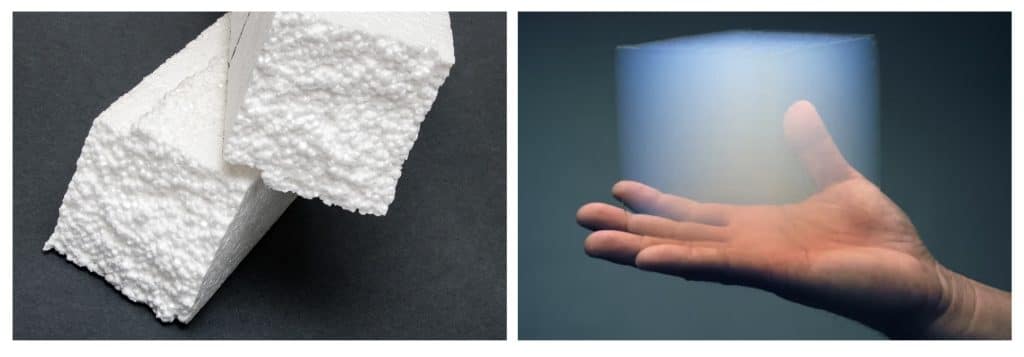
Have you ever faced the aftermath of a craft project or unboxing session, only to find tiny bits of Styrofoam scattered everywhere? It’s frustrating, isn’t it?
Those little pieces seem to cling to every surface, making cleanup a daunting task. You might wonder if grabbing your vacuum cleaner is the quick and easy solution you need. But wait—before you switch on that vacuum, there are a few things you should consider.
Vacuuming Styrofoam isn’t as straightforward as it seems, and doing it the wrong way could lead to more mess or even damage your trusty cleaning tool. Keep reading to discover the best way to handle this pesky material without turning cleanup into a bigger headache. You’ll find simple tips and tricks that can save you time and keep your vacuum safe.
Risks Of Vacuuming Styrofoam
Vacuuming Styrofoam might seem like a quick fix to clean up those tiny beads, but it carries hidden risks you should know about. The lightweight nature of Styrofoam particles can cause unexpected problems for your vacuum cleaner and create more mess than you started with. Understanding these risks can help you decide if vacuuming is really the best approach for your cleanup.
Potential Damage To Vacuum Cleaner
Styrofoam beads are extremely light and can easily get sucked deep into your vacuum’s motor and filters. This buildup can clog important parts, causing your vacuum to overheat or lose suction power. I’ve seen vacuums stop working after a single clean-up of Styrofoam crumbs because the particles jammed the system.
Vacuum filters can get clogged quickly, forcing you to replace or clean them more often than usual. This means extra maintenance costs and downtime. Ask yourself: is risking damage to an expensive appliance worth it for a few scattered beads?
Mess Created By Styrofoam Particles
Styrofoam beads don’t behave like regular dust or dirt. Instead of being sucked away cleanly, they often scatter inside the vacuum or blow back out through vents. This can spread the mess around your room instead of removing it.
Because they are static-prone, Styrofoam particles cling to surfaces and can resettle on your floors and furniture after vacuuming. I once tried vacuuming a bag of popped Styrofoam beads and ended up with beads stuck everywhere—even inside the vacuum hose, which took hours to clean.
Have you noticed how tricky it is to get every tiny Styrofoam bead off a surface? Vacuuming might actually make it harder, pushing you to spend more time on cleanup than you planned.
Best Methods To Clean Styrofoam Debris
Cleaning up Styrofoam debris can be tricky due to its light and fragile nature. Tiny pieces scatter easily and cling to surfaces. Choosing the right cleaning method keeps your space neat without spreading mess further. Different tools work well depending on the amount and location of debris. Here are some practical ways to handle Styrofoam cleanup efficiently.
Using A Broom And Dustpan
A broom and dustpan work best for larger Styrofoam chunks. Sweep gently to avoid breaking pieces into smaller bits. Use short, careful strokes to gather debris in one place. After sweeping, collect everything with the dustpan and dispose of it properly. This method suits floors, patios, and hard surfaces.
Employing Sticky Tape Or Lint Rollers
Sticky tape and lint rollers pick up small Styrofoam bits easily. Press tape firmly on the debris and lift it away. Lint rollers roll over surfaces, trapping tiny pieces on the sticky sheets. Replace sheets as they fill with debris. This technique is ideal for furniture, clothes, and carpeted areas.
Utilizing Compressed Air
Compressed air helps blow Styrofoam pieces from hard-to-reach spots. Use short bursts to move debris into open areas. Avoid strong blasts that scatter debris widely. This tool works well for electronics, keyboards, and tight corners. Always wear eye protection during use.
Vacuum Types Suitable For Styrofoam
Choosing the right vacuum type is key to cleaning up Styrofoam effectively without making a bigger mess. Styrofoam beads can easily clog or damage your vacuum if it’s not suited for the task. Understanding which vacuum models handle these lightweight particles can save you time and frustration.
Canister Vacuums With Adjustable Suction
Canister vacuums often come with adjustable suction settings, which makes them a strong candidate for picking up Styrofoam. You can lower the suction power to avoid sucking up large chunks that might jam the hose or damage the motor. This control lets you clean delicate Styrofoam beads without scattering them further.
Many canister models also include specialized attachments like soft brushes or wide nozzles, which help collect debris gently. If you have experience with high-suction vacuums, you’ll appreciate how dialing down the power can prevent the Styrofoam from blowing around instead of sticking to the vacuum. Have you tried adjusting suction before on tricky surfaces?
Shop Vacuums For Heavy Debris
Shop vacuums are built for tough cleanup jobs, including heavy debris and larger particles. They have powerful motors and wider hoses, which can handle bigger Styrofoam pieces that smaller vacuums might choke on. If your Styrofoam mess includes chunks rather than tiny beads, a shop vac might be your best bet.
However, shop vacs usually lack fine-tuned suction control, so using them on very light Styrofoam fragments might scatter the mess instead of cleaning it up. It’s worth testing your vacuum on a small area first. Do you have a shop vac around? Trying it out on Styrofoam might surprise you with how much it can handle.

Credit: www.reddit.com
Preparation Tips Before Vacuuming Styrofoam
Vacuuming Styrofoam requires careful preparation to avoid damage and mess. Styrofoam pieces can scatter easily and clog the vacuum. Preparing your vacuum and workspace helps make the process smooth and effective.
Adjusting Vacuum Settings
Lower the vacuum suction power to prevent Styrofoam from flying out. Use a gentle setting or a mode designed for delicate surfaces. High suction can break Styrofoam into smaller pieces. Test the vacuum on a small area first to check suction strength.
Using Vacuum Attachments
Use soft brush or upholstery attachments for better control. These attachments reduce the risk of Styrofoam scattering. Avoid using narrow, hard nozzles that can push Styrofoam pieces deeper. A wider, softer tool helps pick up particles without damage.
Maintenance After Vacuuming Styrofoam
After vacuuming Styrofoam, proper maintenance is crucial to keep your vacuum cleaner working efficiently. Styrofoam particles can easily get trapped inside filters and bags, reducing suction power and causing potential damage. Taking a few simple steps to clean and inspect your vacuum ensures it stays in top shape for future use.
Cleaning Vacuum Filters And Bags
Styrofoam debris can clog your vacuum’s filters and fill up bags quickly. Check your vacuum’s manual to locate the filters and bags before you start cleaning.
Remove the bag or empty the canister carefully to avoid scattering tiny Styrofoam bits back into the air. Wash reusable filters with water and mild soap, then let them dry completely before putting them back.
If your vacuum uses disposable bags, replace them promptly once filled. Neglecting this step can reduce suction and put extra strain on the motor.
Preventing Clogs And Damage
Styrofoam pieces tend to stick together and can cause clogs in the vacuum hose or brush roll. After vacuuming, inspect these parts closely and remove any trapped debris.
You might want to use a long, flexible brush or a straightened wire hanger to clear out stubborn blockages. Avoid running your vacuum over large Styrofoam chunks to prevent motor damage.
Have you noticed your vacuum losing power after cleaning up foam pieces? This is a sign you need to clean the filters or check for hidden clogs immediately. Keeping your vacuum clean means it will last longer and perform better every time you use it.

Credit: www.aosbath.com

Credit: www.aosbath.com
Frequently Asked Questions
Can You Vacuum Clean Styrofoam Safely?
Vacuuming Styrofoam is not recommended. It can clog your vacuum and create static, spreading tiny particles. Instead, use a handheld brush or sticky tape to remove debris safely.
What Happens If You Vacuum Styrofoam?
Vacuuming Styrofoam causes it to break into small pieces. These particles can clog filters and damage the vacuum motor. It also spreads static-charged dust, making cleanup harder.
Are There Better Ways To Clean Styrofoam Mess?
Yes, use a damp cloth, sticky tape, or gentle sweeping. These methods effectively collect Styrofoam bits without damaging surfaces or vacuum cleaners.
Can Vacuuming Styrofoam Harm Your Vacuum Cleaner?
Yes, Styrofoam can block vacuum hoses and filters. The tiny particles may also damage the motor. Avoid vacuuming Styrofoam to keep your vacuum functioning well.
Conclusion
Vacuuming Styrofoam can cause more mess than help. Tiny pieces can clog your vacuum or spread around. Sweeping or using sticky tape works better for cleanup. Always check your vacuum’s manual before trying this. Keeping your space clean is easier with the right tools.
Remember, a gentle approach saves time and effort. Choose simple methods to avoid extra problems. Cleaning Styrofoam doesn’t have to be hard or frustrating. Small steps make a big difference in any mess.