Imagine walking into your home and noticing a musty smell that just won’t go away. You might even spot dark, fuzzy patches on your walls or ceiling.
Mold can be a sneaky intruder, lurking in corners and crevices, and it doesn’t just look unpleasant—it can also affect your health. So, you might be wondering, can you simply vacuum up those pesky mold spores and reclaim your space?
Before you grab your vacuum cleaner, it’s crucial to understand how mold works and whether vacuuming is the right solution. This article will dive into the nitty-gritty of mold spores, exploring if a quick vacuuming session can truly help or if it might make the situation worse. Stay with us as we uncover the truth behind battling mold and ensuring your home stays a safe haven.
Risks Of Vacuuming Mold Spores
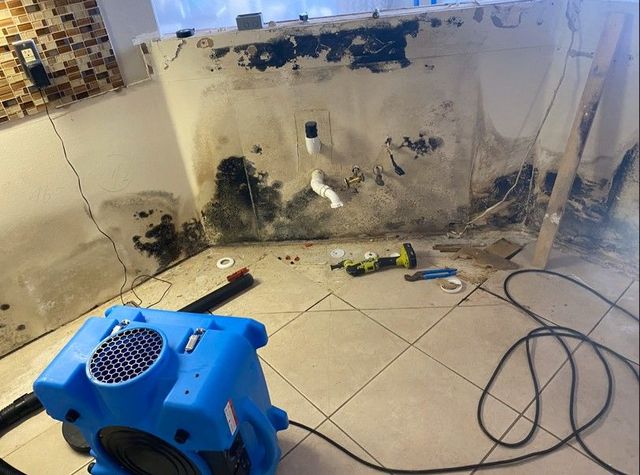
Vacuuming mold spores might seem like a quick fix to clean up visible mold, but it carries significant risks that many people overlook. Disturbing mold can release millions of spores into the air, spreading the problem rather than containing it. Understanding these risks is crucial before you grab your vacuum cleaner.
How Mold Spores Spread
Mold spores are tiny and lightweight, allowing them to float easily through the air. When you vacuum mold without the right equipment, the suction can stir up spores, sending them airborne. These spores then settle on other surfaces, contaminating areas you thought were clean.
Even vacuum bags or filters without HEPA technology often fail to trap all spores. This means your vacuum might act like a spore blower, spreading mold across your home. Have you ever noticed a musty smell lingering after vacuuming mold? That’s a sign spores are still in the air.
Health Hazards From Disturbed Spores
Breathing in mold spores can cause immediate and long-term health problems. People often experience allergic reactions such as sneezing, coughing, or itchy eyes after disturbed spores spread. For those with asthma or weakened immune systems, exposure can trigger severe respiratory issues.
Repeated exposure to airborne mold spores can worsen symptoms over time. This makes vacuuming without proper precautions risky not just for your home, but for your health and your family’s well-being. Do you know what symptoms to watch for if mold spores become airborne in your living space?
Credit: www.mymoldmasters.com
Choosing The Right Vacuum
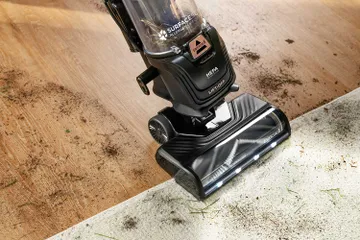
Choosing the right vacuum is key to effectively removing mold spores from your home. Not all vacuums can capture tiny mold particles. Using the wrong vacuum may spread spores instead of removing them. Understanding the features that make a vacuum suitable for mold cleanup helps keep your space safe and clean.
Hepa Filters And Their Benefits
HEPA filters trap 99.97% of particles as small as 0.3 microns. This includes most mold spores, dust, and allergens. A vacuum with a HEPA filter prevents spores from escaping back into the air. It helps improve indoor air quality while cleaning. HEPA filters also reduce allergy and asthma symptoms caused by mold exposure.
Vacuum Types Suitable For Mold Cleanup
- Canister Vacuums:Offer strong suction and often include HEPA filters. Good for hard floors and carpets.
- Upright Vacuums:Convenient for large carpeted areas. Choose models with sealed systems and HEPA filters.
- Shop Vacuums:Useful for heavy-duty cleaning and wet mold removal. Look for HEPA-compatible models.
- Handheld Vacuums:Best for small spots and tight spaces. Ensure they have HEPA filtration for mold spores.
Always check if the vacuum seals dust and spores inside. A sealed system prevents spores from leaking out during cleaning. This feature is essential for mold spore removal.
Safety Gear For Mold Cleaning
Cleaning mold spores requires careful attention to safety. Mold can cause health problems if spores enter the body. Using the right gear protects your lungs, skin, and eyes. Proper safety gear reduces the risk of irritation and illness. Always prepare before vacuuming or cleaning mold.
Protective Masks And Respirators
A good mask blocks tiny mold spores from entering your lungs. Simple cloth masks are not enough. Use N95 or higher-rated respirators designed for mold. These masks fit tightly and filter harmful particles. Replace masks if they become wet or damaged. Breathing clean air is key during mold cleanup.
Gloves And Clothing Recommendations
Wear gloves to keep mold off your skin. Thick rubber or nitrile gloves work best. Avoid cotton gloves, which absorb spores. Long sleeves and pants reduce skin exposure. Disposable clothing or washable work clothes help prevent spreading spores. After cleaning, wash clothes separately in hot water.
Credit: www.americonrestoration.com
Effective Mold Cleaning Techniques
Cleaning mold effectively requires more than just a quick vacuum. Mold spores are tiny and can easily spread if not handled carefully. You need a clear plan that includes preparation, the right vacuuming technique, and proper disposal to avoid spreading spores to other areas.
Pre-cleaning Preparation
Before you start vacuuming, protect yourself with a mask and gloves. Mold spores can irritate your lungs and skin, so safety comes first. Seal off the area by closing doors and windows to prevent spores from traveling throughout your home.
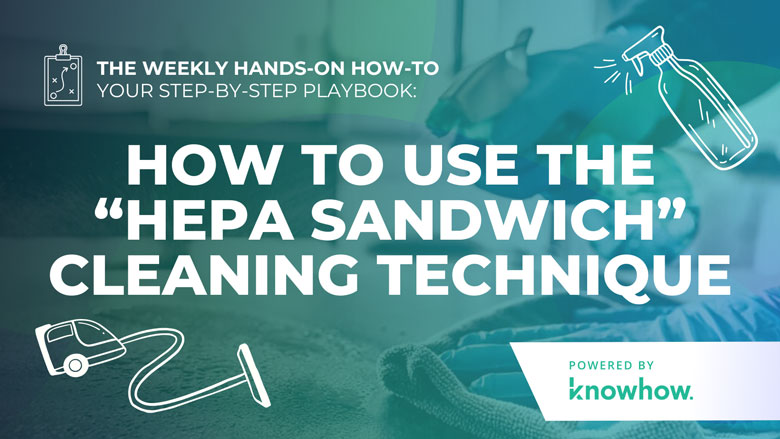
Use a damp cloth to wipe down surfaces where mold is visible. This helps reduce the number of spores floating in the air while you vacuum. Also, make sure your vacuum has a HEPA filter, which traps tiny particles instead of blowing them back out.
Vacuuming Steps For Mold Spores
Use slow, deliberate strokes when vacuuming moldy areas. Rushing can stir up spores, making the problem worse. Focus on corners, edges, and any textured surfaces where spores tend to hide.
Empty the vacuum canister or replace the bag immediately after cleaning. Don’t forget to clean the vacuum’s brush and filter to avoid spreading spores the next time you use it.
Post-cleaning Disposal Methods
Place vacuum bags, filters, and any used cleaning materials in a sealed plastic bag. This step is crucial to keep spores contained. Take the sealed bag outside right away and dispose of it in an outdoor trash bin.
After disposal, clean your vacuum thoroughly with a disinfectant. This prevents leftover spores from becoming a future problem. Have you ever thought about how easily spores can travel on your cleaning tools? Keeping them clean is as important as cleaning the mold itself.
Alternatives To Vacuuming Mold
Vacuuming mold spores might seem like a quick fix, but it often spreads spores into the air instead of removing them safely. To protect your health and stop mold growth, you need better alternatives. Let’s look at practical ways you can handle mold without making the problem worse.
Wet Cleaning Methods
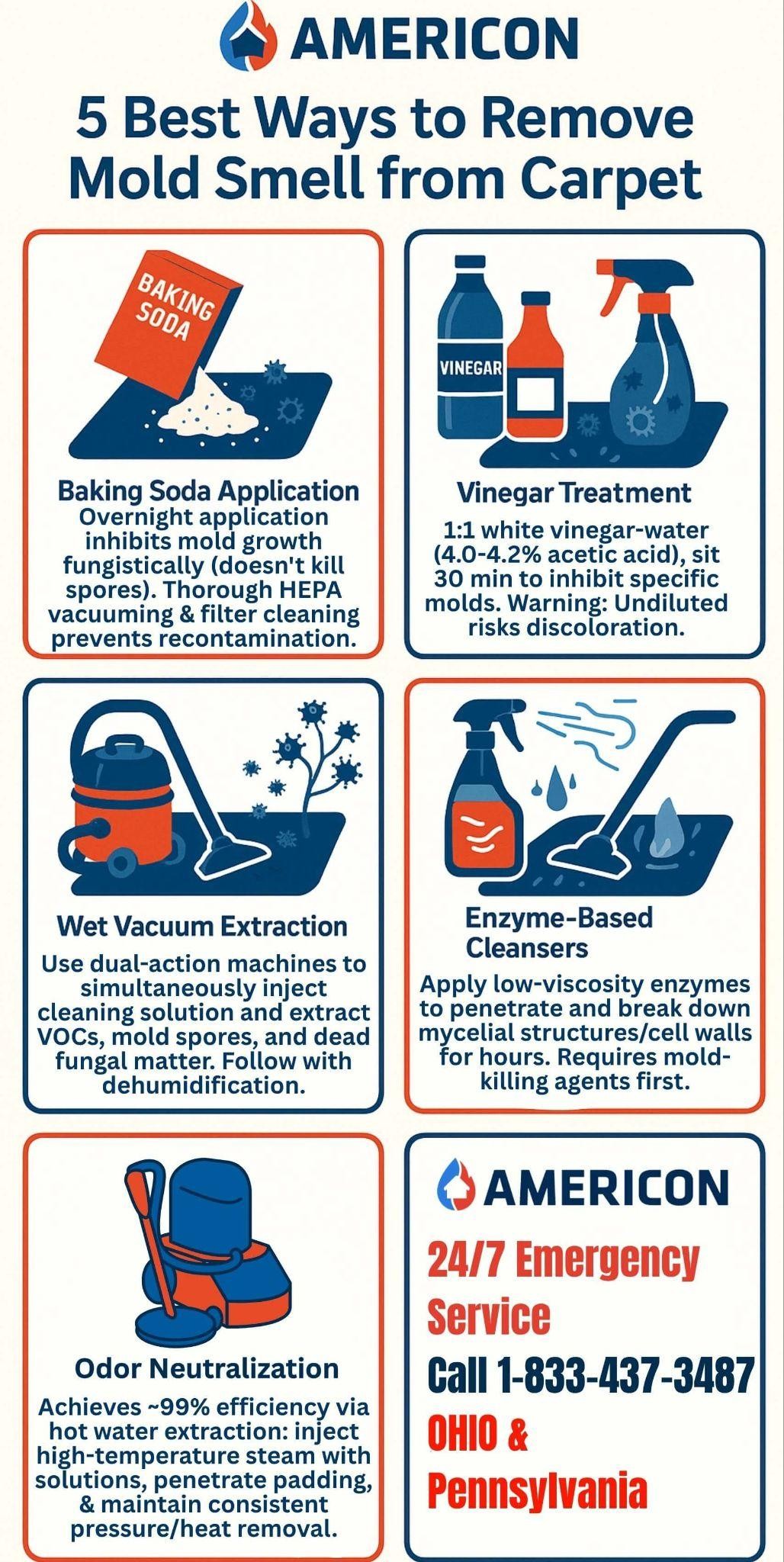
Using wet cleaning methods helps capture mold spores instead of letting them float in the air. You can wipe surfaces with a mixture of water and detergent or a vinegar solution. This approach not only removes visible mold but also reduces spores effectively.
Be sure to wear gloves and a mask to protect yourself during cleaning. Avoid harsh scrubbing that can release spores. Instead, gently clean the area and dry it thoroughly afterward to stop mold from returning.
Professional Mold Remediation
If mold covers a large area or keeps coming back, professional mold remediation is your best option. Experts use specialized equipment and techniques to remove mold safely and prevent spores from spreading. They also identify the root cause, like leaks or humidity, so you can fix it for good.
Hiring professionals may cost more upfront, but it saves your health and home in the long run. Have you ever tried cleaning mold yourself and found it didn’t work? This might be the time to call in the pros and avoid future headaches.
Credit: www.randrmagonline.com
Preventing Mold Regrowth
Preventing mold regrowth is essential after cleaning mold spores from your home. Mold thrives in damp, warm places. Stopping moisture and keeping your home dry helps stop mold from coming back. Proper care and simple habits protect your living space and health.
Controlling Moisture Levels
Moisture control is key to prevent mold. Use a dehumidifier in damp rooms. Fix leaks in pipes, roofs, and walls quickly. Ventilate areas like bathrooms and kitchens during and after use. Keep indoor humidity below 60% for a mold-free home.
Regular Home Maintenance Tips
- Inspect your home regularly for signs of water damage.
- Clean gutters and downspouts to avoid water buildup near foundations.
- Check windows and doors for proper seals to stop moisture entry.
- Use mold-resistant paint in areas prone to dampness.
- Remove wet carpets or upholstery promptly to prevent mold growth.
Frequently Asked Questions
Can You Vacuum Mold Spores Safely Indoors?
Vacuuming mold spores can spread them if your vacuum lacks a HEPA filter. Use a HEPA-filter vacuum to trap spores safely. Wear protective gear to avoid inhalation. Regular vacuums may worsen mold problems by dispersing spores into the air.
Does A Hepa Vacuum Remove Mold Spores Effectively?
Yes, HEPA vacuums capture 99. 97% of particles, including mold spores. They prevent spores from escaping back into the air. Using a HEPA vacuum reduces airborne mold contamination and helps maintain cleaner indoor air quality.
Should You Vacuum Moldy Surfaces Or Discard Them?
Vacuuming moldy surfaces might not remove all spores. Porous materials like carpets or drywall often need disposal. Non-porous surfaces can be cleaned and vacuumed with a HEPA vacuum. Always address the moisture source to prevent mold regrowth.
How To Prevent Mold Spores From Spreading During Vacuuming?
Use a vacuum with a sealed HEPA filter to trap spores. Wear a mask and gloves to protect yourself. Vacuum slowly to avoid stirring up spores. Dispose of vacuum bags or clean filters outdoors immediately.
Conclusion
Vacuuming mold spores can help reduce their number indoors. Use a vacuum with a HEPA filter for best results. Regular cleaning keeps mold growth under control. Avoid spreading spores by sealing the vacuum bag carefully. Remember, vacuuming alone does not remove all mold.
Fix moisture problems to stop mold from returning. Small steps make your home healthier and safer. Stay aware and act quickly if mold appears again. Clean spaces feel fresher and protect your health.