Wondering if you can wash your sleeping bag in a washing machine? You’re not alone.
Keeping your sleeping bag clean is important for comfort and hygiene, but the idea of tossing it in the washer can feel risky. What if it gets damaged or loses its warmth? You’ll discover exactly how to wash your sleeping bag safely at home, avoid common mistakes, and keep it fresh for many adventures ahead.
Keep reading to find out the simple steps you need to know before you hit the start button.

Credit: www.halfwayanywhere.com
Choosing The Right Washing Machine
Washing a sleeping bag in a machine needs care. Picking the right washing machine helps keep it clean and safe.
Not all machines handle bulky items like sleeping bags well. Learn what to look for before you wash.
Front-load Vs Top-load Machines
Front-load washers use less water and spin faster. This helps remove more water from the sleeping bag.
Top-load washers are easier to load but may be rougher on large items. Some have agitators that can damage the bag.
- Front-load machines are gentler on fabrics.
- Top-load machines with agitators can pull on seams.
- Choose a machine without an agitator if using top-load.
Capacity Considerations
Sleeping bags are big and fluffy. You need a washer with enough space to wash it properly.
A machine that is too small will not clean well. It can also damage the sleeping bag by squeezing it too hard.
- Look for washers with at least 3.5 cubic feet capacity.
- Larger capacity machines allow the bag to move freely.
- Check your sleeping bag size before choosing a machine.
Preparing Your Sleeping Bag
Washing a sleeping bag in a machine needs care. Prepare it well to keep it safe.
Start by checking its labels and removing all dirt. Spot clean any stains before washing.
Checking Care Labels
Check the care label on your sleeping bag. It shows how to wash it safely.
Some bags need gentle washing. Others might need hand washing or dry cleaning.
Removing Accessories And Dirt
Take out any removable accessories like liners or pillows. Shake the bag to remove loose dirt.
Check pockets for items. Remove them to avoid damage during washing.
- Remove liners and pillows
- Shake out loose dirt
- Empty all pockets
Spot Cleaning Stains
Find any stains on your sleeping bag. Use a mild soap and a soft cloth to clean them.
Gently rub the stain until it fades. Rinse with a little water if needed.
- Use mild soap
- Rub gently with a soft cloth
- Rinse if needed
Selecting Detergents And Cleaning Agents
Washing a sleeping bag in a machine needs care with detergents and cleaners. The right products keep it clean and safe.
Choose cleaning agents that protect the sleeping bag’s fabric and filling. Avoid harsh chemicals to keep it soft and warm.
Choosing Gentle Detergents
Pick detergents made for delicate fabrics or outdoor gear. They clean well without damaging the sleeping bag.
Gentle detergents do not leave residue. They keep the sleeping bag light and fluffy after washing.
- Use liquid detergents instead of powder
- Look for biodegradable or eco-friendly options
- Avoid detergents with enzymes or brighteners
Avoiding Fabric Softeners And Bleach
Do not use fabric softeners. They coat the fibers and reduce the bag’s breathability and warmth.
Bleach can break down the fabric and filling. It weakens the sleeping bag and shortens its life.
- Skip fabric softeners to keep insulation effective
- Never add bleach or whitening agents
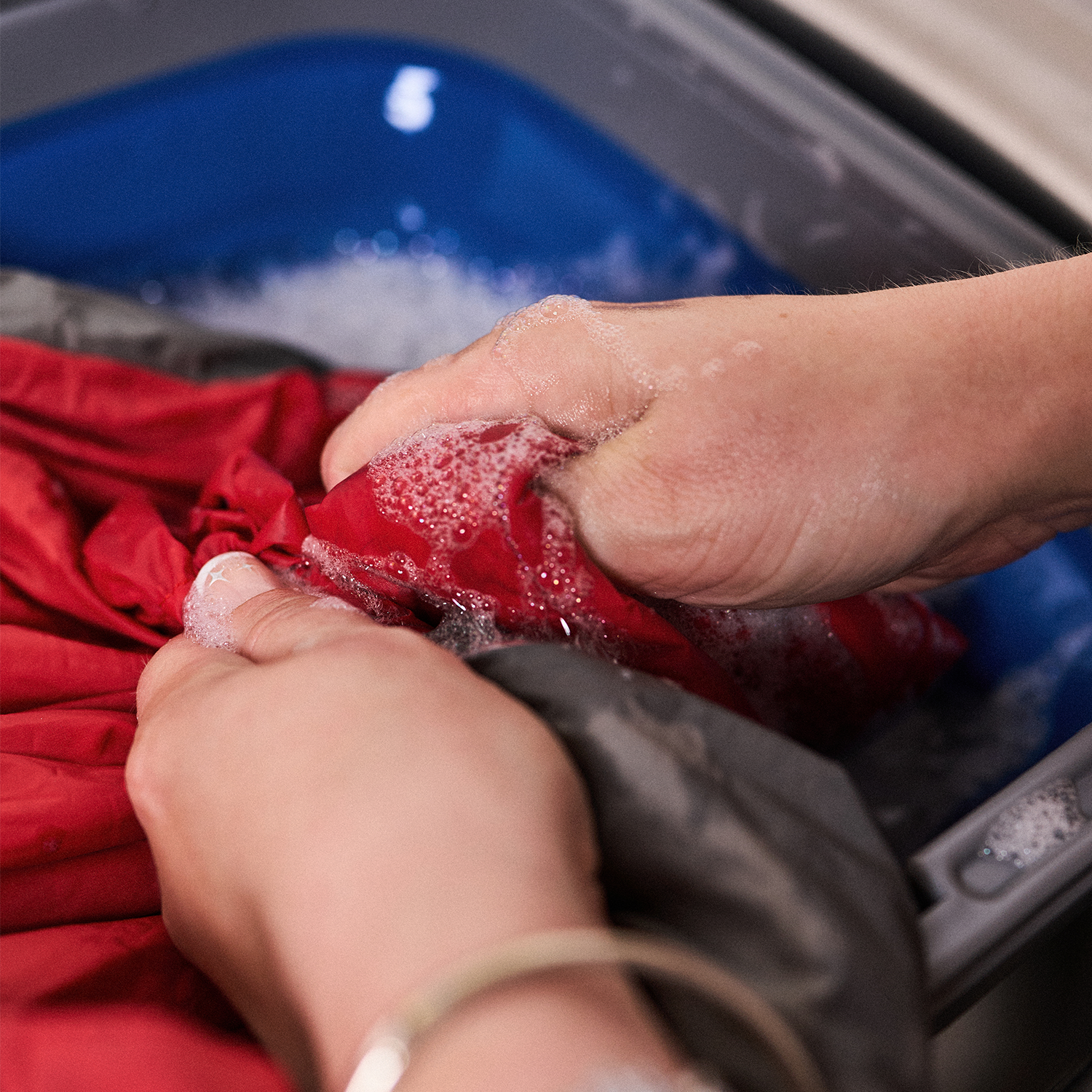
- Use plain water rinses to remove detergent fully
Credit: www.ellis-brigham.com
Washing Settings And Techniques
Washing a sleeping bag in a machine needs careful settings. The right techniques keep it clean and safe. Using wrong settings can damage the bag’s material and insulation.
This guide explains the best water temperature, cycle types, and how to handle down versus synthetic sleeping bags.
Water Temperature Guidelines
Use cold or lukewarm water to wash your sleeping bag. Hot water can harm the fabric and insulation. Cold water saves energy and protects the bag’s materials.
- Cold water (30°C or below) is safest for all bags.
- Lukewarm water (up to 40°C) can work for synthetic bags.
- Avoid hot water (above 40°C) to prevent damage.
- Check the care label for any specific temperature advice.
Cycle Types To Use
Choose a gentle or delicate cycle on your washing machine. These cycles reduce agitation and protect the bag’s filling. Fast spinning can harm the insulation.
| Cycle Type | Purpose |
| Delicate/Gentle | Protects fabric and filling |
| Normal | Too rough, avoid for sleeping bags |
| Hand Wash | Best for very delicate or down bags |
| Spin Speed | Low speed to avoid damage |
Handling Down Vs Synthetic Bags
Down and synthetic sleeping bags need different care. Down bags require gentle washing and special drying. Synthetic bags are more durable but still need care.
- Down bags: Use mild detergent and cold water. Avoid fabric softeners.
- Dry down bags slowly, preferably air dry or low heat tumble dry with clean tennis balls.
- Synthetic bags: Can handle slightly warmer water and gentle cycles.
- Synthetic bags dry faster and can be tumble dried on low heat.
- Always check the label for specific instructions.
Drying Your Sleeping Bag Properly
Drying a sleeping bag correctly keeps it warm and comfortable. Wet sleeping bags can get moldy or lose insulation. Take time to dry it well after washing.
There are a few good ways to dry your sleeping bag. You can air dry it or use a dryer safely. You can also restore its loft and fluffiness after drying.
Air Drying Tips
Air drying is the gentlest method for sleeping bags. It saves fabric and filling from heat damage. Follow these tips for best results.
- Find a shaded, well-ventilated area to hang the bag.
- Use a large clothesline or hangers to spread the bag evenly.
- Turn the bag occasionally to dry both sides.
- Patience is key; drying can take a full day or more.
- Avoid direct sunlight to prevent fabric fading.
Using A Dryer Safely
You can use a dryer on low heat to speed drying. Follow these steps to protect your sleeping bag.
| Dryer Setting | Recommended |
| Heat Level | Low or Air Fluff |
| Drying Time | 30 to 60 minutes per cycle |
| Extra Items | Clean tennis balls or dryer balls |
| Bag Condition | Must be mostly dry before drying |
Check the bag often to avoid overheating. Use dryer balls to help fluff the filling as it dries.
Restoring Loft And Fluffiness
After drying, the sleeping bag may feel flat. Restoring loft helps keep it warm.
Here is a simple routine to restore loft:
- Lay the bag flat on a clean surface.
- Gently shake and fluff the insulation by hand.
- Use your fingers to separate clumped filling.
- Repeat shaking after each use or wash.
- Store the bag loosely to keep loft intact.

Credit: www.yahoo.com
Common Mistakes To Avoid
Washing a sleeping bag in a washing machine can be tricky. Many people make mistakes that damage their bags. Knowing what to avoid helps keep your sleeping bag clean and safe.
Below are common errors when washing sleeping bags. Avoiding these will protect the bag’s materials and extend its life.
Overloading The Machine
Putting too many items in the washing machine can harm your sleeping bag. It stops the bag from getting clean and may cause damage to the machine or bag.
- Only wash one sleeping bag at a time.
- Use a large front-loading washing machine.
- Leave enough space for the bag to move freely.
- Overloading can cause poor rinsing and soap residue.
Using Harsh Chemicals
Strong detergents and bleach can ruin the sleeping bag’s insulation and fabric. These chemicals strip oils and weaken fibers.
| Chemical Type | Effect on Sleeping Bag |
| Bleach | Damages fabric and colors |
| Strong detergents | Removes natural oils and insulation |
| Fabric softeners | Leaves residue that affects loft |
Skipping Regular Maintenance
Not cleaning your sleeping bag regularly causes dirt buildup. This reduces warmth and damages the bag over time.
Tips for regular sleeping bag care:
- Air out the bag after each use.
- Spot clean small stains promptly.
- Store in a dry, breathable bag, not compressed.
- Wash only when necessary, not too often.
When To Seek Professional Cleaning
Washing a sleeping bag at home can be simple for light dirt. Some bags need special care. Know when to get expert help.
Professional cleaning protects your bag’s materials and keeps it safe for use. Learn signs that show you need a cleaning service.
Signs Your Bag Needs Expert Care
Look for these signs before washing your sleeping bag in a machine. If any apply, consider professional cleaning.
- The insulation feels clumpy or flat after washing.
- There is a strong odor that home washing cannot remove.
- The bag has stains or dirt that won’t come out easily.
- The fabric shows tears or damage needing repair.
- It has been a long time since the last deep cleaning.
Cost Vs Benefits
Professional cleaning costs more but offers many benefits. Understand the trade-offs before deciding.
| Cost | Benefits |
| Higher than home washing | Protects insulation and fabric |
| May take longer time | Removes deep dirt and odors |
| Possible repair fees | Extends sleeping bag life |
| Service availability varies | Ensures proper drying and care |
Frequently Asked Questions
Can All Sleeping Bags Be Washed In A Washing Machine?
Not all sleeping bags are machine washable. Check the care label first. Some bags require hand washing or professional cleaning to avoid damage.
What Washing Machine Settings Are Best For Sleeping Bags?
Use a gentle or delicate cycle with cold water. Avoid high spin speeds to protect insulation and fabric integrity.
Can Washing A Sleeping Bag Ruin Its Insulation?
Improper washing can clump or damage insulation. Use mild detergent and proper drying to maintain loft and warmth.
How Often Should You Wash A Sleeping Bag?
Wash your sleeping bag after every 3-4 uses or when it becomes visibly dirty or smelly.
Conclusion
Washing a sleeping bag in a machine is possible with care. Choose a gentle cycle and mild detergent. Avoid harsh soaps and high heat to protect fabric. Dry the bag slowly, using low heat or air drying. Regular cleaning keeps your sleeping bag fresh and lasting longer.
Treat it well, and it will stay cozy for many trips. Simple steps make washing easy and safe for your gear.