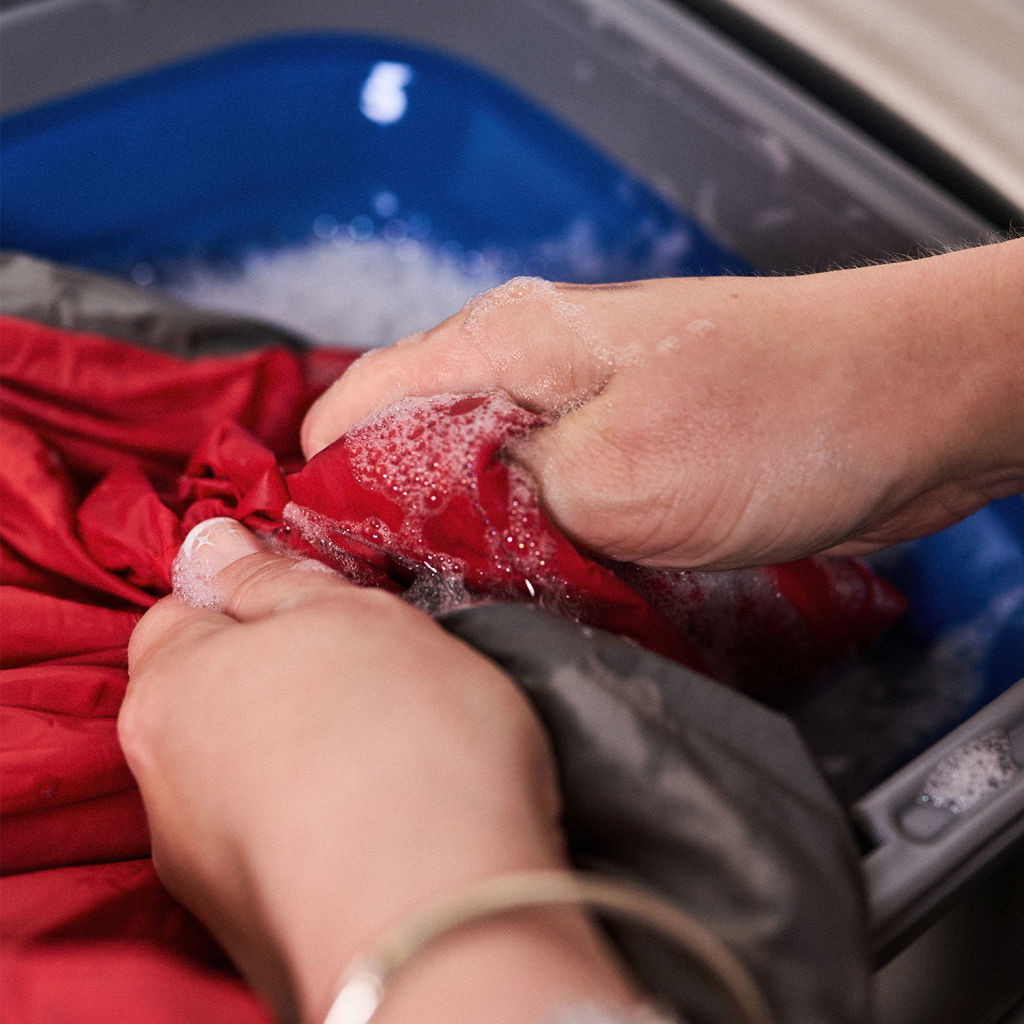
Have you ever wondered if you can wash your sleeping bag in the washing machine without ruining it? If you’ve spent nights under the stars or cozy camping in the backyard, your sleeping bag is one of your most important gear pieces.
But over time, dirt, sweat, and odors build up, and you want it fresh and clean. The question is, can your washing machine handle this job safely? Keep reading, because knowing the right way to clean your sleeping bag can save you time, protect your gear, and keep you comfortable on every adventure.
Let’s clear up the confusion and help you care for your sleeping bag the right way.

Credit: gearjunkie.com
Washing Machine Safety For Sleeping Bags
Washing a sleeping bag in a machine can be safe if you know the right steps. You should check the bag and your machine before starting.
Some sleeping bags need gentle care to avoid damage. Using the washing machine the right way can keep your bag clean and last longer.
Material Matters
Sleeping bags come in different materials like down or synthetic. Each type reacts differently to washing machines.
Down bags need a gentle wash and low heat. Synthetic bags are usually stronger but still need care.
- Down: Use cold water and gentle cycle
- Synthetic: Use warm water but avoid hot
- Check care label for exact instructions
Machine Type Compatibility
Not all washing machines work well with sleeping bags. Front-load machines are usually safer.
Top-load machines with agitators can damage the bag. A large drum size helps the bag move freely.
- Front-load machines prevent damage better
- Avoid top-load agitator machines
- Use a large-capacity washer for big bags
Zipper And Closure Precautions
Before washing, close all zippers and fasteners. Open zippers can catch and tear the fabric.
Check for loose straps or Velcro. Secure them to stop snagging during the wash cycle.
- Zip all zippers fully
- Fasten Velcro and straps
- Turn the bag inside out if possible

Credit: www.yahoo.com
Preparing Your Sleeping Bag
Washing a sleeping bag in the washing machine needs some preparation. You want to keep it clean without causing damage.
Getting ready will help your sleeping bag last longer and stay comfortable for your trips.
Removing Debris And Stains
Before washing, take off dirt and stains from your sleeping bag. Use a soft brush to clear off loose dirt.
- Shake out the sleeping bag to remove dust and leaves.
- Spot clean stains with mild soap and water.
- Use a sponge or cloth to gently scrub dirty areas.
- Let the cleaned spots dry before washing.
Checking Manufacturer Labels
Look at the tag on your sleeping bag for washing instructions. It tells you the right water temperature and cycle.
| Label Note | Meaning |
| Machine Wash Cold | Use cold water only |
| Gentle Cycle | Use delicate or gentle machine setting |
| Do Not Bleach | Avoid bleach or harsh chemicals |
| Air Dry | Do not use dryer, hang to dry |
Choosing The Right Detergent
Pick a detergent that cleans but does not harm the sleeping bag. Avoid strong detergents that can damage fabric and insulation.
Good detergent options include:
- Specialty detergents for down or synthetic insulation
- Mild, fragrance-free liquid detergents
- Detergents without fabric softeners or bleach
Washing Machine Settings
Washing a sleeping bag in the washing machine can be tricky. The right settings help keep it clean and undamaged.
Here are some tips on choosing the best washing machine settings for your sleeping bag.
Selecting Water Temperature
Water temperature is important when washing a sleeping bag. Use cold or warm water to protect the fabric.
- Cold water is safe for all materials
- Warm water helps remove more dirt
- Avoid hot water to prevent damage
Choosing Wash Cycle
Selecting the right wash cycle is key. A gentle cycle works best for sleeping bags.
- Use a delicate or gentle cycle
- Avoid heavy-duty cycles
- Check the sleeping bag label for instructions
Spin Speed Recommendations
Spin speed affects how much water stays in the sleeping bag. A slower spin is safer.
- Use a low to medium spin speed
- High spin speeds can damage the fabric
- Slow spins help maintain the bag’s shape
Drying Tips For Sleeping Bags
Drying your sleeping bag properly keeps it clean and fluffy. It also helps the bag last longer.
Knowing how to dry your sleeping bag after washing is very important. Use the right method for best results.
Air Dry Vs. Machine Dry
Air drying is gentle on sleeping bags. It uses fresh air and takes more time to dry.
Machine drying is faster but can be rough. It uses heat and tumbling to dry the bag.
- Air drying keeps insulation safe
- Machine drying speeds up drying time
- Air drying avoids heat damage
- Machine drying can restore loft if done right
Using Dryer Balls
Dryer balls help keep sleeping bags fluffy during machine drying. They stop clumps from forming.
Use clean, dry dryer balls made of wool or plastic. They bounce inside the dryer and separate the filling.
- Place 2-3 dryer balls with the sleeping bag
- They help air flow inside the bag
- They reduce drying time
- They keep insulation loose and soft
Avoiding Damage During Drying
High heat can damage sleeping bags. Use low heat or air fluff settings on the dryer.
Do not dry the sleeping bag in direct sunlight or near heaters. This can weaken the fabric and filling.
- Check the care label for drying instructions
- Use low or no heat in the dryer
- Remove the bag before it is fully dry to finish air drying
- Store the sleeping bag dry to avoid mildew
Common Mistakes To Avoid
Washing a sleeping bag in a machine can be tricky. Many people make errors that damage their gear. Avoid these common mistakes to keep your sleeping bag clean and safe.
Knowing what not to do helps you get the best results. Read on to learn the key mistakes and how to avoid them.
Overloading The Machine
Putting a sleeping bag in a washing machine that is too full can harm both the bag and the machine. The bag needs space to move freely for proper cleaning.
- Do not wash the sleeping bag with many other items.
- Use a large capacity washing machine if possible.
- Check the machine’s load limit before starting.
Using Harsh Chemicals
Strong detergents and bleach can ruin the insulation and fabric of your sleeping bag. Use gentle cleaning agents designed for delicate gear.
| Chemical Type | Effect on Sleeping Bag |
| Regular Detergent | May strip natural oils and damage fabric |
| Bleach | Breaks down fibers and reduces warmth |
| Specialized Cleaner | Protects insulation and fabric integrity |
Ignoring Care Instructions
Every sleeping bag comes with care labels. Ignoring these can lead to shrinkage, loss of loft, or fabric damage.
Follow these tips for care instructions:
- Read the label before washing.
- Use the recommended water temperature.
- Dry the bag as advised, usually air dry or low heat.
- Do not iron or dry clean unless stated safe.
Alternative Cleaning Methods
Washing a sleeping bag in a machine is not the only way to clean it. Some methods are gentler and can keep the bag in better condition.
Here are some useful alternatives to machine washing that you can try at home or with professional help.
Hand Washing Techniques
Hand washing is a gentle way to clean your sleeping bag. It reduces wear and tear and helps keep the insulation intact.
- Fill a bathtub or large basin with lukewarm water.
- Add a small amount of mild detergent designed for down or synthetic fabrics.
- Submerge the sleeping bag and gently squeeze the water through the fabric.
- Let it soak for about 15 minutes, then rinse thoroughly with clean water.
- Press out excess water without wringing or twisting the bag.
- Lay the bag flat on a clean surface to air dry, turning it occasionally.
Professional Cleaning Services
Professional cleaners have tools and knowledge to clean sleeping bags safely. They use special machines and detergents that protect the fabric and filling.
| Service Type | Details |
| Dry Cleaning | Uses solvents, no water; good for some fabrics but check label first. |
| Wet Cleaning | Similar to hand washing but done with machines; gentle cycle and special soaps. |
| Repairs and Reproofing | Many services also fix tears and restore water resistance. |
Spot Cleaning Tips
Spot cleaning is best for small stains or dirt patches. It saves time and avoids full washing.
- Use a soft cloth or sponge with mild soap and water.
- Gently dab the stained area without rubbing hard.
- Rinse the spot with a clean damp cloth.
- Allow the area to air dry completely before packing away.

Credit: www.halfwayanywhere.com
Frequently Asked Questions
Can You Wash All Types Of Sleeping Bags In A Machine?
Not all sleeping bags are machine washable. Always check the care label first. Some require hand washing or professional cleaning.
What Washing Settings Are Best For Sleeping Bags?
Use a gentle cycle with cold water. Avoid harsh detergents. Use specialized down or mild soap for best results.
How Do You Dry A Sleeping Bag After Washing?
Tumble dry on low heat with clean tennis balls. This helps restore loft. Avoid high heat to prevent damage.
Can Washing Machines Damage A Sleeping Bag?
Yes, improper washing can harm insulation and fabric. Use front-loading machines and gentle cycles to minimize risk.
Conclusion
Washing a sleeping bag in a machine is possible with care. Use a gentle cycle and mild detergent for the best results. Avoid harsh soaps and high heat to protect the fabric. Dry it slowly, preferably air drying or on low heat.
Cleaning your sleeping bag properly keeps it fresh and lasting longer. Simple steps help maintain comfort on every trip. Keep these tips in mind to enjoy your sleeping bag many times. Clean gear means better sleep outdoors. Easy to do, worth the effort.