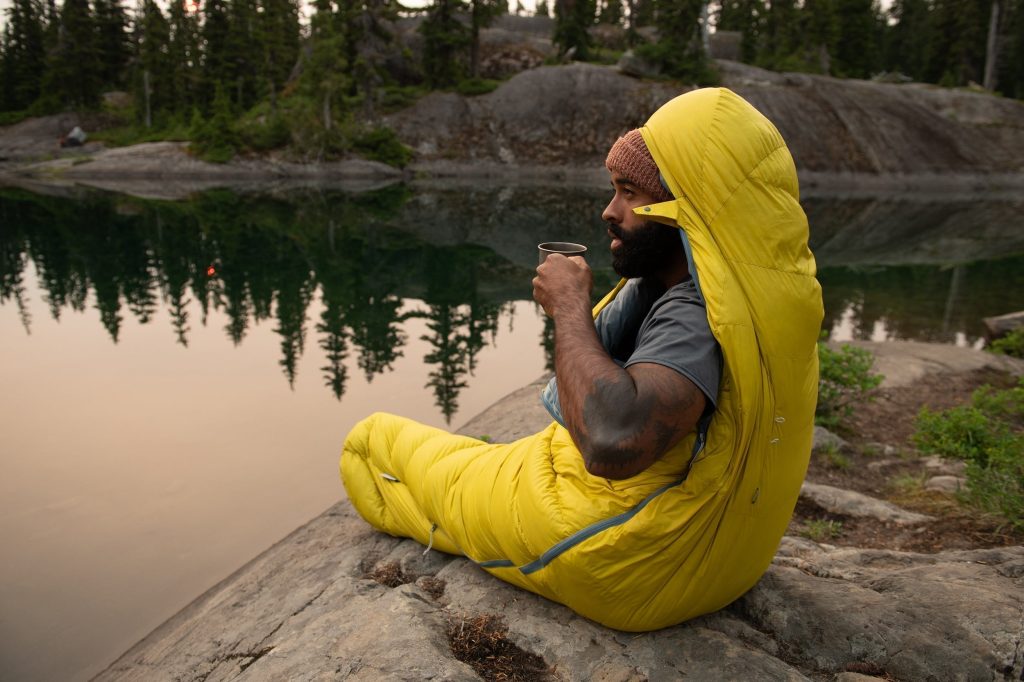
Have you ever wondered if you can wash your sleeping bag without ruining it? If you’re like most outdoor lovers, you want your gear clean but also long-lasting.
Washing a sleeping bag might seem tricky, but it doesn’t have to be. You’ll discover simple, effective ways to keep your sleeping bag fresh and ready for your next adventure. Stick with me, and you’ll learn how to protect your investment while enjoying a clean, cozy sleep every time.

Credit: us.alpkit.com
Why Clean Your Sleeping Bag
Cleaning your sleeping bag helps keep it fresh and comfortable. Dirt and sweat build up inside over time.
Regular washing also protects the materials and keeps the bag working well in cold weather.
Benefits Of Regular Washing
Washing your sleeping bag often keeps it soft and fluffy. This helps keep you warm at night.
Cleaning removes sweat, oils, and dirt that can break down the fabric and insulation.
- Improves insulation and warmth
- Removes odors and stains
- Prevents material damage
- Extends sleeping bag life
- Keeps it hygienic and fresh
Signs Your Bag Needs Cleaning
If your sleeping bag smells bad or feels stiff, it is time to wash it. Dirt and oils cause these problems.
Look for visible stains, discoloration, or loss of loft in the insulation. These signs mean the bag needs cleaning.
- Unpleasant odors
- Visible stains or dirt spots
- Fabric feels rough or sticky
- Insulation looks flat or clumped
- Skin irritation after use
Types Of Sleeping Bags
Sleeping bags come in different types based on their filling and materials. These types affect warmth, weight, and care needs.
Knowing your sleeping bag type helps decide if you can wash it and how to do so safely.
Down Vs Synthetic Fill
Down sleeping bags use feathers from ducks or geese. They are very warm and lightweight.
Synthetic sleeping bags use man-made fibers. They keep warmth even when wet and dry faster.
- Down fill is soft and compresses well.
- Synthetic fill is easier to clean and cheaper.
- Down bags need gentle washing to keep fluff.
- Synthetic bags can handle regular washing better.
Material Considerations
Sleeping bag shells and liners are made from different fabrics. Common fabrics are nylon and polyester.
Nylon is strong and light but may need gentle washing. Polyester is durable and dries fast.
- Check the fabric care label before washing.
- Use mild detergent to protect fabric and filling.
- Avoid harsh chemicals that damage materials.
- Air drying helps keep fabric and fill in good shape.
Preparation Before Washing
Washing a sleeping bag needs careful preparation. It helps keep the bag safe and clean.
Follow some simple steps before you start washing to get the best results.
Check Care Labels
Look at the care labels on your sleeping bag first. They tell you the best way to clean it.
Labels show if your bag can be machine washed or needs hand washing. They also list water temperature and detergent type.
- Check for washing instructions
- Look for drying advice
- Note any warnings about bleach or fabric softeners
Spot Cleaning Tips
Spot cleaning helps remove small stains without washing the whole bag. Use a gentle cleaner for this.
Apply a mild soap and a soft cloth or sponge. Dab the stain gently and avoid rubbing hard.
- Mix mild soap with water
- Use a soft cloth or sponge
- Dab stains gently
- Rinse with a clean damp cloth
Gathering Supplies
Collect all cleaning supplies before washing your sleeping bag. This keeps the process smooth and quick.
You will need gentle detergent, a washing machine or tub, and clean water. A large front-loading washer works best.
- Gentle, non-detergent soap
- Large washing machine or tub
- Soft sponge or cloth for spot cleaning
- Clean water for rinsing
Credit: www.ellis-brigham.com
Washing Methods
Sleeping bags need cleaning after many uses. Dirt, sweat, and smells can build up inside them. Washing helps keep them fresh and ready for your next trip.
You can wash a sleeping bag in different ways. Choose the method that fits your bag type and washing tools.
Machine Washing Steps
Use a large front-loading washing machine to avoid damage. Top loaders with agitators can tear the fabric.
Follow these steps to machine wash your sleeping bag safely.
- Close all zippers and Velcro straps.
- Use cold water and a gentle cycle.
- Add a mild detergent made for delicate fabrics.
- Run an extra rinse cycle to remove all soap.
- Do not use bleach or fabric softeners.
- Gently squeeze out water; avoid wringing.
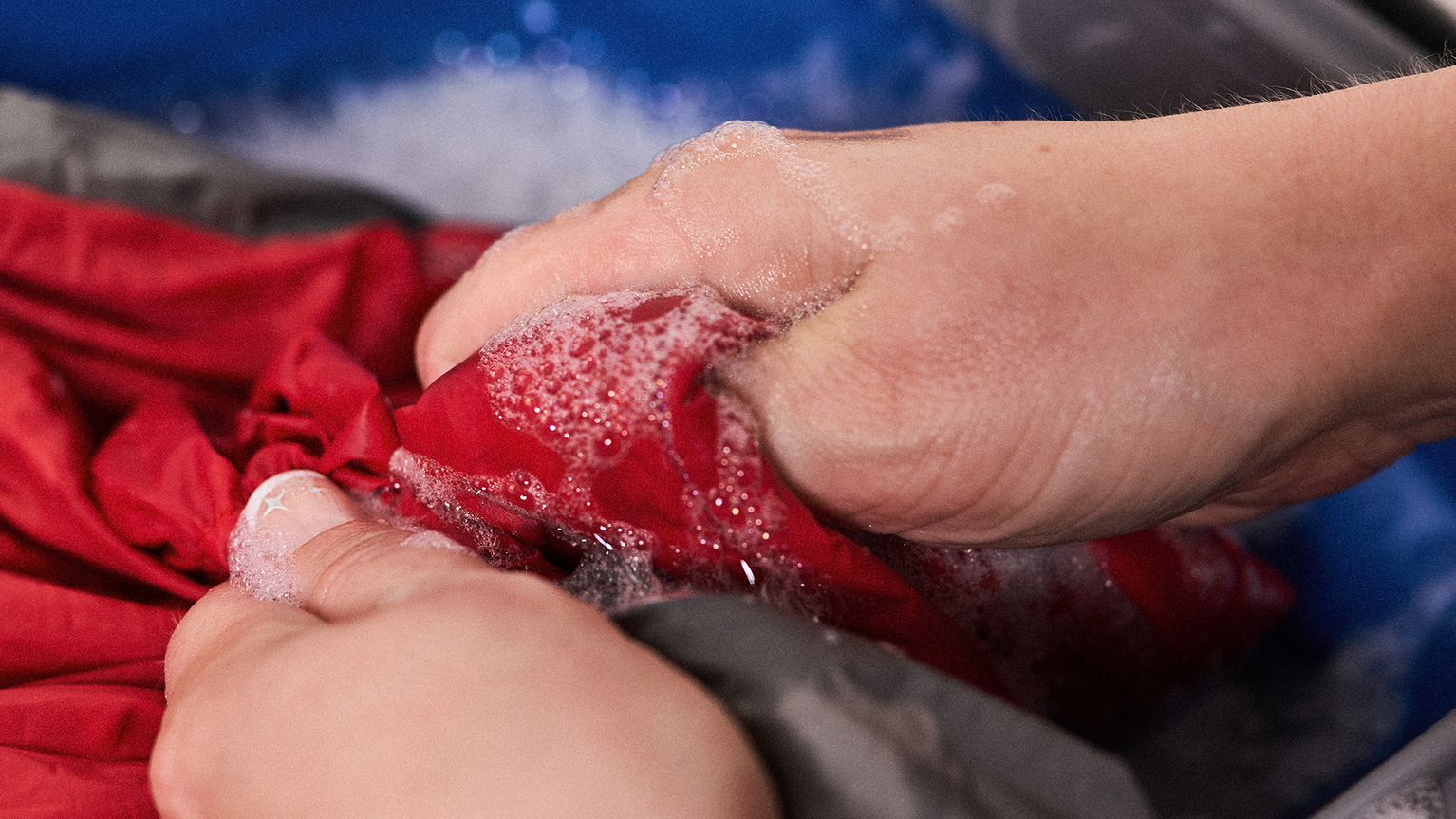
Hand Washing Process
Hand washing is gentle and good for delicate or down sleeping bags. It takes more time but protects the filling.
Follow these steps to hand wash your sleeping bag carefully.
- Fill a bathtub or large basin with cold water.
- Add a small amount of mild detergent designed for down or synthetic materials.
- Submerge the sleeping bag and gently press it to soak.
- Let it soak for 15 to 30 minutes.
- Gently squeeze out dirt without twisting or wringing.
- Drain soapy water and refill with clean water for rinsing.
- Repeat rinsing until no soap remains.
- Press out excess water carefully.
Using Specialized Cleaners
Specialized cleaners keep the insulation and fabric in good shape. They clean without removing natural oils from down feathers.
Use these cleaners by following the product instructions. They work well in both hand and machine washing.
- Choose cleaners made for sleeping bags or outdoor gear.
- Use the right amount as stated on the label.
- Do not mix with regular detergent or bleach.
- Rinse thoroughly to remove all cleaner residues.
- These cleaners help keep loft and water resistance.
Drying Techniques
Drying your sleeping bag properly is important to keep it clean and warm. The right drying method helps protect the fabric and filling.
There are different ways to dry a sleeping bag. Choose one that fits your bag type and available space.
Air Drying Best Practices
Air drying is gentle and safe for all sleeping bags. Hang your bag in a shaded area with good airflow.
Avoid direct sunlight to prevent fabric damage and color fading. Lay the bag flat if possible to keep its shape.
- Use a wide hanger or drying rack
- Turn the bag over to dry evenly
- Keep away from heat sources
- Allow enough time for complete drying
Using A Dryer Safely
Some sleeping bags can be dried in a machine. Use a low heat setting to avoid melting or shrinking.
Check the care label before using a dryer. Add clean tennis balls or dryer balls to help break up clumps.
- Set dryer on low or air fluff
- Use dryer balls to keep filling loose
- Stop and check the bag often
- Remove bag when slightly damp to air dry fully
Restoring Loft And Fluff
After drying, your sleeping bag may look flat. Fluff the insulation to restore warmth and comfort.
Shake the bag gently and pat it with your hands. This helps the filling return to its original shape.
- Shake bag outside to loosen filling
- Pat and fluff areas that look flat
- Store bag loosely to keep loft
Common Mistakes To Avoid
Washing a sleeping bag is important to keep it clean and fresh. Still, many people make errors that can damage it. Knowing the common mistakes helps you care for your sleeping bag better.
This guide covers three main mistakes: overwashing risks, using harsh detergents, and improper storage. Avoiding these will keep your sleeping bag in good shape.
Overwashing Risks
Washing your sleeping bag too often can wear down its insulation and fabric. Each wash reduces the loft, making it less warm. Overwashing also increases the chance of tears and damage.
- Limit washing to when the bag is very dirty or smells bad.
- Spot clean small stains instead of full washes.
- Follow the manufacturer’s washing instructions carefully.
Using Harsh Detergents
Harsh detergents can ruin the sleeping bag’s filling and outer fabric. Strong chemicals strip natural oils and reduce water resistance. This lowers the bag’s ability to keep you warm and dry.
| Detergent Type | Effect on Sleeping Bag |
| Regular laundry detergent | Removes oils, damages insulation |
| Bleach or fabric softeners | Breaks down fabric fibers |
| Special down cleaner | Protects filling and fabric |
Improper Storage
Storing your sleeping bag the wrong way can cause mold, mildew, and loss of loft. Keeping it compressed for a long time hurts the insulation. Damp storage also damages the fabric and causes bad smells.
- Store your sleeping bag loosely in a large cotton sack or hang it.
- Keep it in a dry and cool place away from sunlight.
- Make sure the bag is completely dry before storing.
Maintaining Freshness Between Washes
Sleeping bags do not need washing after every use. Keeping them fresh between washes extends their life. Simple care habits help maintain cleanliness and comfort.
Use proper storage and quick refresh methods to avoid odors and dirt buildup. These steps keep your sleeping bag ready for your next adventure.
Proper Storage Tips
Store your sleeping bag in a dry and cool place. Avoid tight compression for long times as it damages insulation. Use a large, breathable storage sack instead of the tight stuff sack.
- Keep it dry to prevent mildew and mold
- Hang it loosely or store in a large cotton bag
- Do not leave it in direct sunlight for long periods
- Make sure it is completely dry before storage
Quick Refresh Methods
Between washes, use quick methods to freshen your sleeping bag. These keep it smelling clean and ready to use without full washing.
| Method | Description |
| Air it out | Unzip and hang outside for a few hours |
| Spot clean | Use mild soap and a damp cloth on dirty areas |
| Use fabric freshener | Lightly spray a fabric-safe freshener to reduce odors |
| Store with dryer sheets | Place dryer sheets in the storage bag for a fresh scent |

Credit: www.halfwayanywhere.com
Frequently Asked Questions
Can You Wash A Sleeping Bag In A Washing Machine?
Yes, most sleeping bags can be machine washed on a gentle cycle. Use cold water and mild detergent. Avoid fabric softeners and bleach to protect insulation and fabric.
How Often Should You Wash A Sleeping Bag?
Wash your sleeping bag after 3 to 4 uses or when it is visibly dirty. Frequent washing can reduce insulation effectiveness, so spot clean when possible.
Is It Safe To Use A Dryer For Sleeping Bags?
Tumble dry on low heat with clean tennis balls or dryer balls. This helps maintain loft and prevents clumping of insulation. Avoid high heat to prevent damage.
Can Washing A Sleeping Bag Damage Its Insulation?
Improper washing can damage insulation, especially down. Use gentle detergents and low agitation to preserve loft and warmth. Always follow manufacturer’s washing instructions carefully.
Conclusion
Taking care of your sleeping bag is simple. Just follow proper washing steps. Use mild detergent and cold water. Always check the care label first. Dry it completely before storing. Regular maintenance keeps your sleeping bag fresh. It also ensures longer use and comfort.
Clean gear means a better outdoor experience. Now you’re ready for your next adventure. Enjoy your cozy, clean sleeping bag. Happy camping!