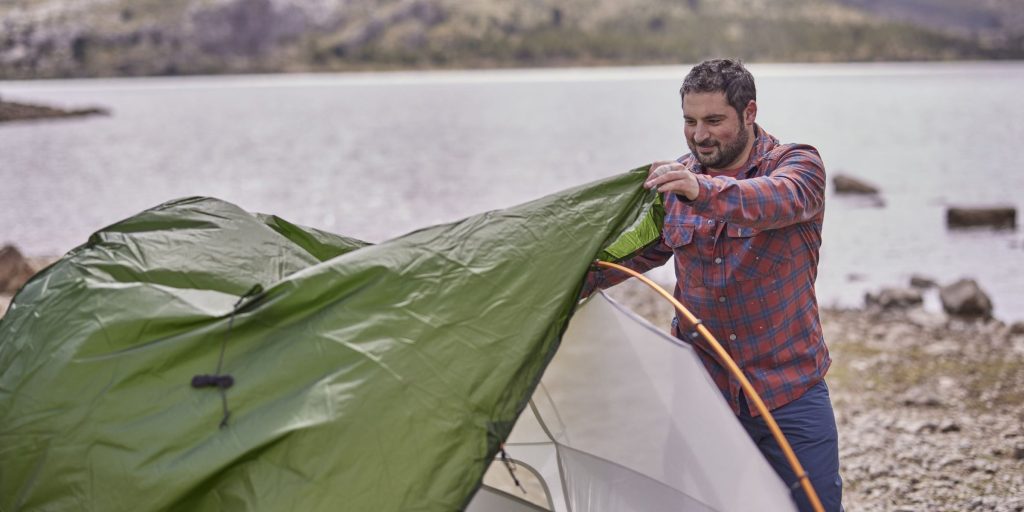
Have you ever wondered if you can simply toss your dirty tent into the washing machine and call it clean? You might be tempted to save time and effort, but washing a tent isn’t as straightforward as it seems.
Your tent is an important investment, and how you clean it can make a big difference in its lifespan and performance. You’ll discover whether machine washing your tent is a good idea, what risks you should watch out for, and the best way to keep your tent fresh and ready for your next adventure.
Keep reading to protect your gear and enjoy hassle-free camping!

Credit: www.reddit.com
Washing Machine Suitability
Many campers wonder if they can wash a tent in a washing machine. Using a machine can save time and effort. But it is important to know if your tent is suitable for this method.
This guide looks at key factors to help decide if machine washing is safe for your tent. Knowing these details helps protect your gear.
Tent Material Considerations
Tents are made from different fabrics. Some materials handle washing machines better than others. Polyester and nylon are often more durable. Cotton or canvas tents usually need gentle cleaning.
- Polyester and nylon tents can often be machine washed on a gentle cycle.
- Canvas tents should be washed by hand to avoid damage.
- Check if the tent has waterproof coatings; machine washing can harm these layers.
- Always use mild detergent and cold water for machine washing.
Size And Weight Limits
Not all tents fit well in washing machines. Large or heavy tents may strain the machine or not clean properly. Check the size and weight before washing.
| Washing Machine Size | Recommended Tent Size | Weight Limit |
| Small (up to 4.5 cu ft) | Small 1-2 person tents | Under 10 lbs |
| Medium (4.5 to 5.5 cu ft) | Medium 2-4 person tents | 10-20 lbs |
| Large (over 5.5 cu ft) | Large 4+ person tents | 20+ lbs |
Preparing Your Tent
Cleaning a tent in a washing machine can be easy if you prepare it well first. Proper preparation helps protect the tent fabric and parts.
Getting the tent ready means removing dirt, debris, and any loose parts. This makes washing safer and more effective.
Removing Dirt And Debris
Start by shaking your tent outside to remove loose dirt and debris. Use a soft brush if needed to clear off stuck dirt.
Check for leaves, twigs, or bugs stuck in seams or corners. Removing these helps protect your washing machine and tent.
- Shake tent gently outdoors
- Use a soft brush for stuck dirt
- Clear corners and seams carefully
- Check for any debris inside the tent
Unzipping And Detaching Components
Open all zippers fully to clean them well and avoid damage. Make sure no parts are caught in the zipper before washing.
Remove poles, stakes, and other accessories. These items can damage your washing machine or the tent fabric.
- Unzip all zippers completely
- Check for stuck fabric in zippers
- Take out poles, stakes, and ropes
- Wash only the tent fabric in the machine
Choosing The Right Settings
Washing a tent in a machine needs care to avoid damage. Choosing the right settings helps keep the tent fabric strong and clean.
Use the correct water temperature, cycle type, and detergents for the best results.
Water Temperature
Use cold or lukewarm water only. Hot water can harm the tent fabric and coatings. Cold water cleans gently and protects the material.
Cycle Type
Pick a gentle or delicate cycle. This cycle uses slow agitation and less spinning. It prevents tears and keeps the tent’s shape intact.
- Gentle agitation
- Short wash time
- Low spin speed
- Minimal fabric stress
Detergents To Use
Use mild, non-detergent soap made for outdoor gear. Avoid bleach, fabric softeners, and harsh chemicals. These can damage waterproof coatings.
| Detergent Type | Safe for Tent? |
| Non-detergent soap | Yes |
| Bleach | No |
| Fabric softener | No |
| Regular laundry detergent | Usually no |
| Special tent cleaner | Yes |

Credit: www.popularmechanics.com
Drying And Storage Tips
Proper drying and storage keep your tent in good shape. Wet tents can get damaged or grow mold. Dry your tent carefully before storing it away.
Follow these tips to keep your tent fresh and ready for your next adventure.
Air Drying Best Practices
Air drying your tent protects its fabric and waterproof coating. Choose a clean, shaded spot to dry it. Avoid direct sunlight to prevent damage from UV rays.
- Spread the tent out fully to dry every corner.
- Use a clothesline or hang poles to keep it off the ground.
- Flip the tent occasionally to dry both sides evenly.
- Leave zippers and doors open to allow air inside.
- Do not dry near heat sources like heaters or fires.
Avoiding Mold And Mildew
Mold and mildew grow in damp tents and cause bad smells and damage. Store your tent dry and clean to stop mold growth.
| Tip | Details |
| Ensure full dryness | Check all parts, including seams and pockets. |
| Store loosely | Fold tent gently; avoid tight packing to keep air flow. |
| Use breathable bags | Store in cotton or mesh bags, not plastic. |
| Check regularly | Inspect tent during storage for any moisture or mold signs. |
| Clean before storage | Remove dirt and debris to reduce mold risk. |
Alternative Cleaning Methods
Cleaning a tent without a washing machine is possible and often safer. These methods help protect the fabric and seams.
Using gentle hand washing and spot cleaning can keep your tent fresh and extend its life.
Hand Washing Techniques
Hand washing your tent allows you to clean it carefully without damage. Use mild soap and cool water to avoid harming waterproof coatings.
- Set up a large tub or clean area outside with water.
- Mix a small amount of mild soap, like dish detergent, into the water.
- Use a soft sponge or cloth to gently scrub dirty parts of the tent.
- Rinse the tent well with clean water to remove all soap.
- Hang the tent to dry in shade, avoiding direct sun.
Spot Cleaning Solutions
Spot cleaning targets small stains or dirt without washing the whole tent. It saves time and water while keeping the tent fresh.
| Common Stain | Cleaning Method | Material Needed |
|---|---|---|
| Mud | Brush off dry mud, then wipe with damp cloth | Soft brush, clean water |
| Food stains | Use mild soap and water on cloth, rub gently | Mild soap, cloth |
| Bird droppings | Soak spot with water, then scrub softly | Water, soft sponge |
| Grease | Apply baking soda paste, let sit, then wipe off | Baking soda, water, cloth |
Credit: www.treelinereview.com
Common Mistakes To Avoid
Washing a tent in a washing machine can be tricky. Many people make mistakes that damage their tents.
Knowing what to avoid helps keep your tent clean and safe. Here are common errors to watch out for.
Using Harsh Chemicals
Some people use strong detergents or bleach to clean their tents. These chemicals can harm the tent fabric.
Harsh chemicals remove waterproof coatings and weaken the material. This reduces the tent’s life and performance.
- Do not use bleach or fabric softeners
- Choose mild soap made for outdoor gear
- Test any cleaner on a small area first
Ignoring Manufacturer Instructions
Many tents come with cleaning instructions. Ignoring these can cause damage.
Manufacturers know the best way to care for their tents. Following their advice keeps your tent strong and waterproof.
- Check the tent label before washing
- Use recommended cleaning methods and products
- Do not wash if the label says hand wash only
Frequently Asked Questions
Can You Wash A Tent In A Washing Machine Safely?
Washing a tent in a machine is generally not recommended. It can damage fabric and coatings. Hand washing with mild soap is safer and preserves tent quality longer.
What Detergent Is Best For Washing A Tent?
Use a mild, non-detergent soap specifically designed for outdoor gear. Avoid bleach and harsh chemicals as they can damage the tent fabric and waterproof coatings.
How Do You Prepare A Tent For Machine Washing?
If machine washing is necessary, first remove dirt and debris by shaking or brushing. Use a front-loading machine on a gentle cycle with cold water and mild soap.
Can Washing A Tent In A Machine Damage Waterproofing?
Yes, machine washing can strip or weaken waterproof coatings. After washing, reapply a waterproofing spray to maintain protection and extend your tent’s lifespan.
Conclusion
Washing a tent in a machine is risky. Fabric can get damaged. Hand washing is safer for tents. Use gentle soap and water. Rinse thoroughly to remove soap residue. Always dry the tent completely. Mold can form if stored wet.
Check the care label for instructions. Some tents have special cleaning needs. Proper care extends a tent’s lifespan. Avoid shortcuts for better tent health. Keep your camping gear in top condition. Enjoy your adventures with a clean, well-maintained tent.